Zohr sahası: Doğu Akdeniz'in enerji haritasını yeniden çizen keşif
2015 yazında İtalyan enerji devi Eni, Port Said açıklarında Zohr sahasını keşfettiğini duyurdu; saha o gün Akdeniz tarihinin en büyük doğal gaz keşfi olarak nitelendi. Bu, o keşfin hikâyesi: Gaz denizin derinliklerinden nasıl çıkarılıyor ve Zohr, Mısır'ın bölgesel enerji haritasındaki yerini neden değiştirdi?
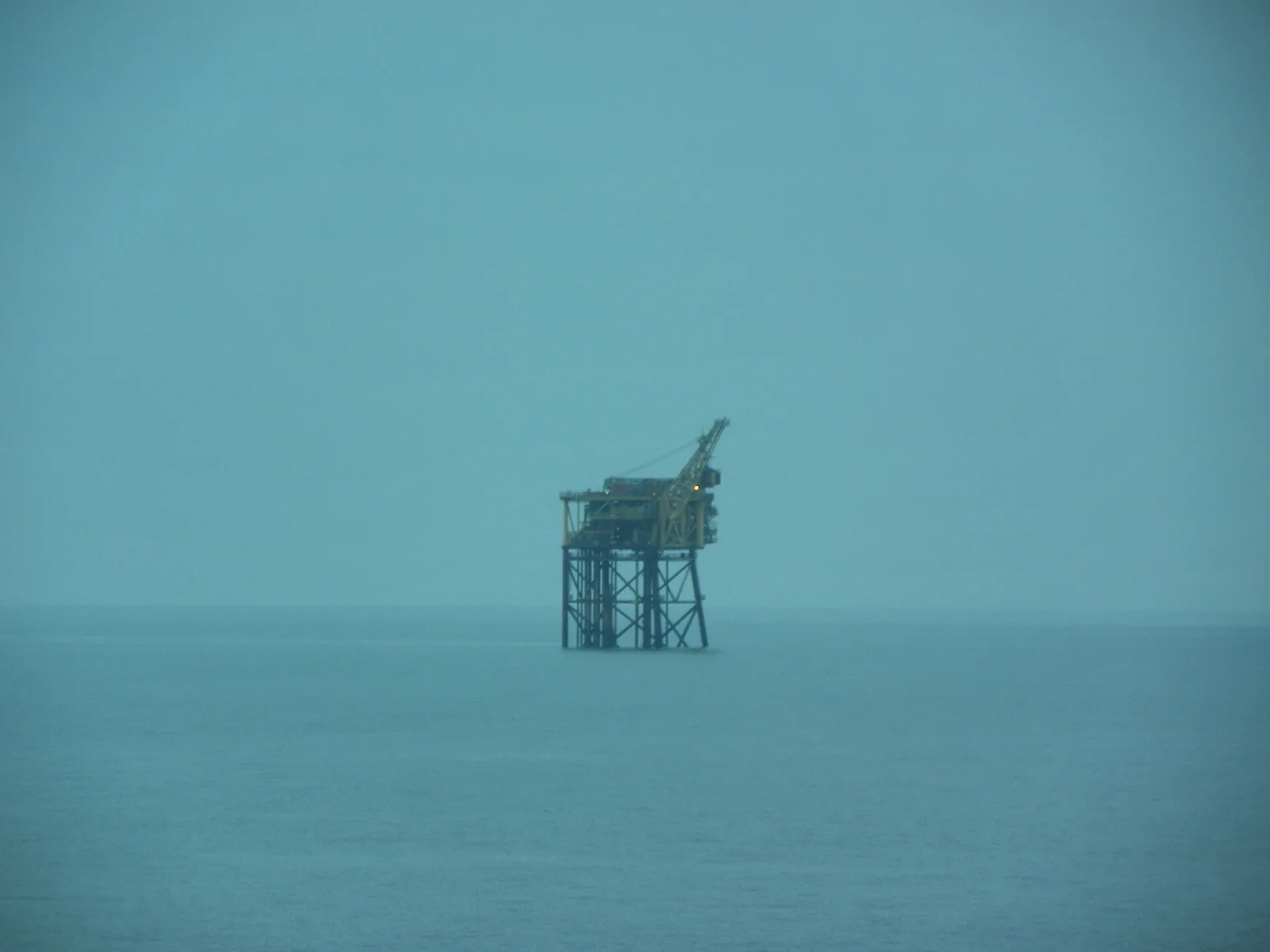
Ağustos 2015’te İtalyan enerji şirketi Eni, Akdeniz’in derin sularında, Port Said’in yaklaşık 190 kilometre kuzeyindeki Mısır’a ait Şuruk imtiyaz sahasında dev bir doğal gaz keşfi yaptığını duyurdu. Sahaya Zohr adı verildi ve o dönemde Akdeniz’de kaydedilmiş en büyük gaz keşfi olarak tanımlandı. Haber, keşifler listesine eklenen sıradan bir madde değildi: enerji sektörünün tüm Doğu Akdeniz’e bakışını değiştirdi ve Mısır’ı bölgenin gaz haritasının merkezine geri taşıdı.
Yalnızca rakamlar bile bu heyecanı açıklamaya yetiyordu. İlk değerlendirmeler rezervuardaki gazı yaklaşık otuz trilyon fit küp olarak hesaplıyordu; bu gaz, 1.450 metre kadar deniz suyunun ve binlerce metrelik taban tabakalarının altındaki kayaçlarda hapsolmuştu. Sektörün dilinde Zohr, dünya genelinde yalnızca bir avuç sahayı barındıran “süper dev” sınıfına yerleştirildi. Bu ölçekte keşifler her yerde nadirdir; onlarca yıldır aranmış bir denizde, üstelik Mısır kıyısındaki boru hatlarına ve işleme tesislerine yakın bir noktada böylesini bulmak ise çok daha nadirdir.
Zohr jeologları da şaşırttı. Yarım yüzyıl boyunca Mısır açıklarındaki arama çalışmaları, nehir tortullarının gazı bilinen düzenlerde hapsettiği Nil Deltası’nın kumtaşı katmanlarına odaklanmıştı. Zohr’un gazı ise eski bir resif platformunun kalıntısı olan karbonatlı bir formasyonda bulunuyor; bölgedeki arama şirketlerinin büyük ölçüde gözden kaçırdığı bir rezervuar türü. Keşif, Doğu Akdeniz’de bambaşka bir jeolojik modelin varlığını kanıtladı ve şirketler Mısır ile komşu sulardaki sismik verilerini yeni bir gözle yeniden okumaya koyuldu.
Zamanlama en az jeoloji kadar önemliydi. O on yılın ortasında, uzun süredir gaz ihraç eden Mısır açık vermeye başlamıştı: elektrik santrallerinin, fabrikaların ve evlerin iç tüketimi yaşlanan sahaların üretimini aşmış, ülke gerçek bir maliyetle sıvılaştırılmış doğal gaz ithal eder hâle gelmişti. Ulusal sularda yapılan dev bir keşif, bu denklemi tersine çevirme imkânı sunuyordu. Mısır’da gaz herkesi ilgilendiren bir meseledir, çünkü elektrik şebekesi büyük ölçüde gazla çalışan santrallere dayanır; açık denizde olan biten, sonunda her eve ulaşır.
Ardından proje, hızlı sahaya alma konusunda ders kitaplarına girecek bir örneğe dönüştü. Üretim, keşiften yalnızca yaklaşık iki yıl dört ay sonra, Aralık 2017’de başladı; bu büyüklükte bir derin deniz projesi için alışılmadık ölçüde kısa bir süreydi, zira olağan olan beş ila yedi yıldır. Bunun için mühendislik çalışmalarının paralel yürütülmesi, ekipmanın erkenden sipariş edilmesi ve büyük yatırımlar gerekti. Maliyeti ve riski paylaşmak üzere uluslararası ortaklar sonradan Eni’nin yanında projeye katıldı; Mısır kurumları ise onayları sıkıştırılmış takvimlerle tamamladı. Böylece hızın kendisi, Mısır’ın enerji yatırımcılarına verdiği mesajın bir parçası hâline geldi.
Böyle bir saha en baştan nasıl bulunur? Denizdeki arama, sismik etütlerle başlar: gemiler, su ve kaya boyunca ses dalgaları gönderen diziler çeker; geri dönen yankılar işlenerek deniz tabanının kilometrelerce altındaki yapıların üç boyutlu görüntülerine dönüştürülür. Umut vaat eden yapılar daha sonra yüzer bir platformdan açılan bir arama kuyusuyla sınanır; bu, pahalı bir kumardır, çünkü bu kuyuların birçoğu hiçbir şey bulamaz. Kuyu gaza rastladığında, rezervuarın büyüklüğünü ve üretim kapasitesini tam olarak ölçmek için tespit kuyuları açılır.
Gazın üretimi ise “deniz tabanından kıyıya” diye bilinen bir tasarıma dayanır. Sahanın üzerinde yükselen devasa bir platform yerine, kuyular deniz tabanına açılır ve tabana sabitlenmiş ağır çelik ekipmanla kapatılır. Boru hatları bu deniz altı kuyularından gazı toplayıp kıyıya taşır; yanlarında uzanan kablolar ise karadan elektrik, kontrol sinyalleri ve kimyasallar getirir. Operatörler, deniz tabanındaki vanaları kıyıdaki bir kontrol odasından açıp kapatabilir; bu yaklaşım, sabit platformların kullanışsız hâle geldiği derin sular için biçilmiş kaftandır.
Karaya ulaşan gaz henüz yakılmaya hazır değildir. Port Said yakınlarındaki bir işleme tesisinde sudan ve sıvı hidrokarbonlardan ayrıştırılır, kurutulur ve ulusal şebekeye verilmeden önce safsızlıklardan arındırılır. Gazla birlikte çıkan hafif sıvı hidrokarbonlar, yani kondensatlar, geri kazanılır ve ayrıca satılır. Gaz, tesisten sonra elektrik santrallerini, gübre ve çimento fabrikalarını ve ev bağlantılarını besleyen aynı şebekeye katılır; işte bu yüzden ufkun çok ötesindeki bir rezervuar, karadaki gündelik hayatı sessizce ayakta tutabilir.
Zohr aynı zamanda bölgesel bir hikâyenin parçasıdır. İsrail açıklarındaki Tamar ve Leviathan sahaları ile Kıbrıs açıklarındaki Afrodit sahası, Doğu Akdeniz’in ciddi miktarda gaz barındırdığını zaten göstermişti; Zohr bunu daha büyük ölçekte doğruladı. 2020’de merkezi Kahire’de bulunan Doğu Akdeniz Gaz Forumu, üretici ve tüketici ülkeleri aynı masa etrafında topladı. Mısır’ın elinde ayırt edici bir koz var: yıllar önce inşa edilen İdku ve Dimyat sıvılaştırma tesisleri, gazı gemiyle ihraç edilecek sıvı hâle getirebiliyor. Komşularında bulunmayan bu altyapı, Mısır’ın bölgesel bir enerji merkezi olma hedefinin de dayanağı.
Zohr hikâyesinin daha derin dersi, enerji güvenliğinin gerçekte nasıl kurulduğuyla ilgilidir. Sahalar üretildikçe geriler; tek bir keşif meseleyi sonsuza dek çözmez ve yeni bölümlerin yazılabilmesi için aramanın sürmesi gerekir. Zohr’un kanıtladığı şey, o bölümleri mümkün kılan bileşimdir: yeni düşünmeyi ödüllendiren bir jeoloji, bir buçuk kilometre suyun altında çalışabilen bir teknoloji ve sermayenin hızla hareket etmesine izin veren yatırım çerçeveleri. Haritayı yeniden çizen, herhangi bir saha değil, işte bu bileşimdir.
İlgili Haberler
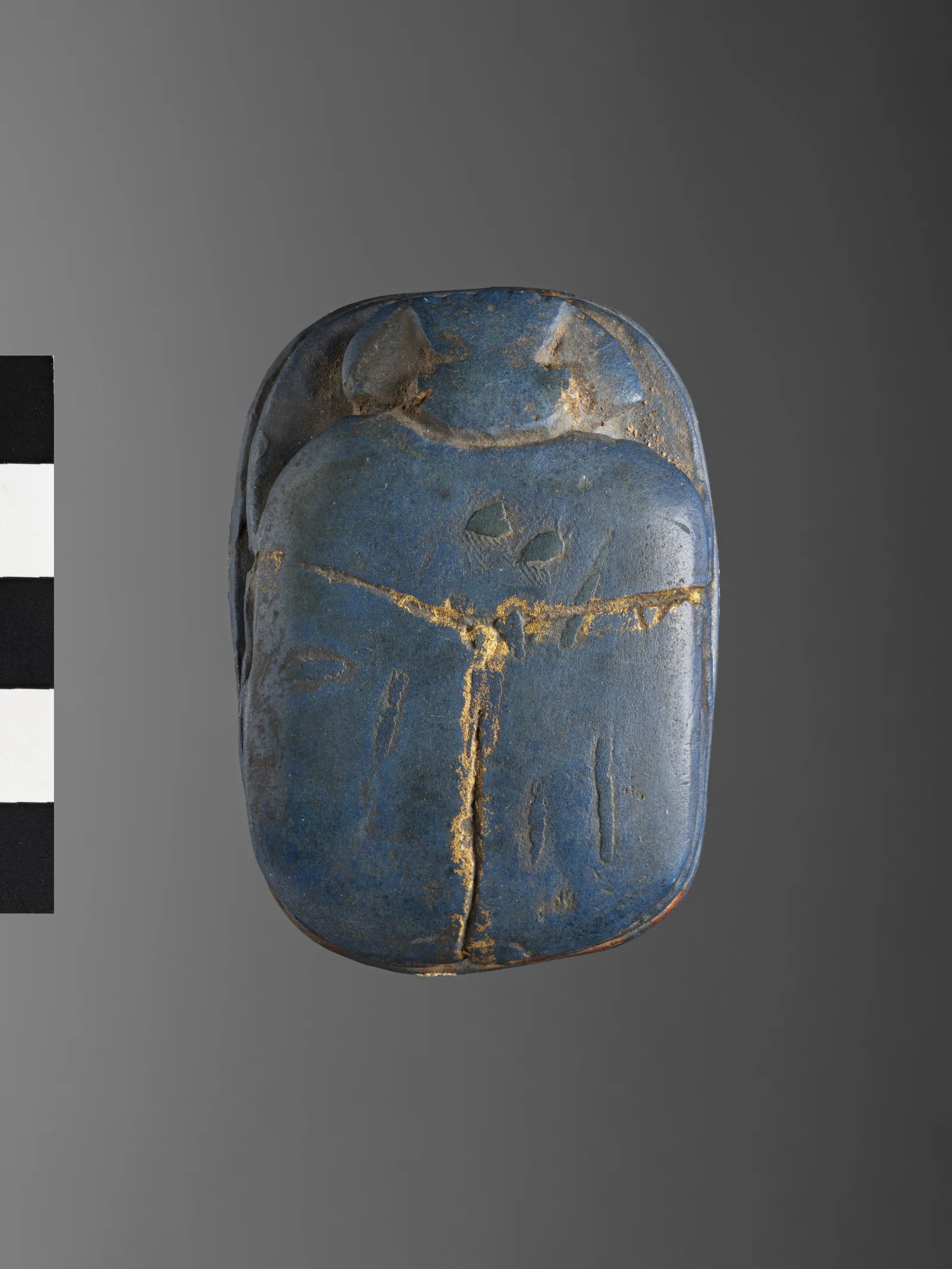
“Mısır Mavisi”: Tarihin ilk sentetik pigmenti geri dönüyor: parmak izlerini ortaya çıkarıyor, hücreleri aydınlatıyor
Mısırlı kimyacıların binlerce yıl önce kum, bakır ve kireçten ürettiği bir mavi; bilim insanları 2013'te bu pigmentin kızılötesi ışıma yapan nano levhalara ayrıldığını keşfetti. O günden bu yana Avustralya'da parmak izlerini ortaya çıkaran bir toza, Almanya'da sinek embriyolarını ve bitki yapraklarını aydınlatan bir sondaya dönüştü. Modern bir özelliğe sahip kadim bir malzemenin hikâyesi ve bugünkü laboratuvarlarımıza dair bir soru.
17 Eylül 2026 · 7 dk okuma
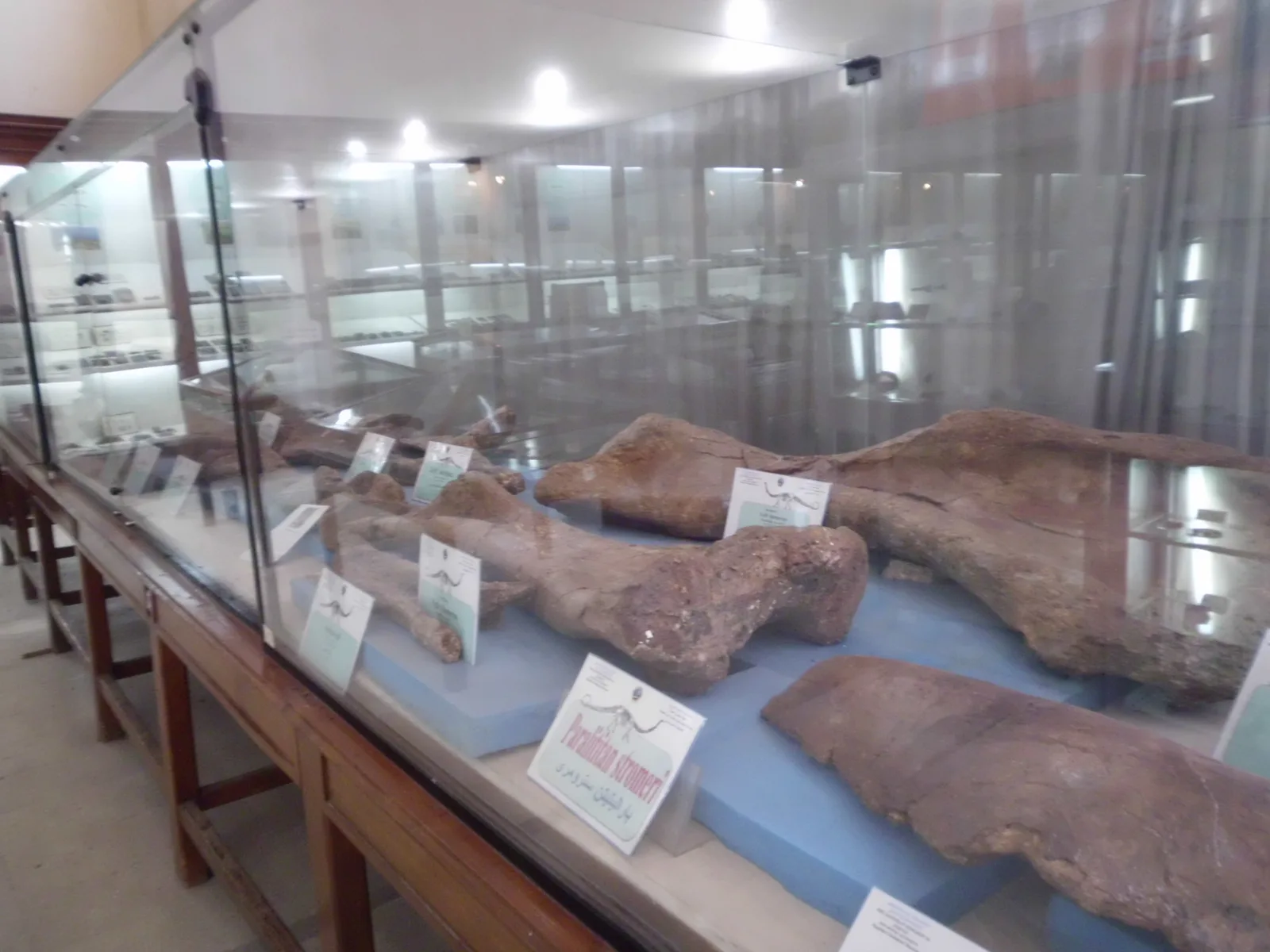
Firavunlardan Seksen Milyon Yıl Önce: Mansura'nın Dinozoru ve Savaşın Yaktığı Vaha Fosilleri
Mansura Üniversitesi'nden Mısırlı öğrenciler, Dahla Vahası'nın kayalarından Afrika'da bulunmuş en eksiksiz Geç Kretase dinozor iskeleti olan Mansourasaurus'un kemiklerini çıkardı. Onlardan bir yüzyıl önce bir Alman bilim insanı Bahariye Vahası'nın dinozorlarını Münih'e taşımış, savaş hepsini yakmıştı. Mısır çölündeki yeryüzü arşivinin ve çocuğunuzun burada okuyabileceği bir bilimin hikâyesi.
8 Eylül 2026 · 7 dk okuma
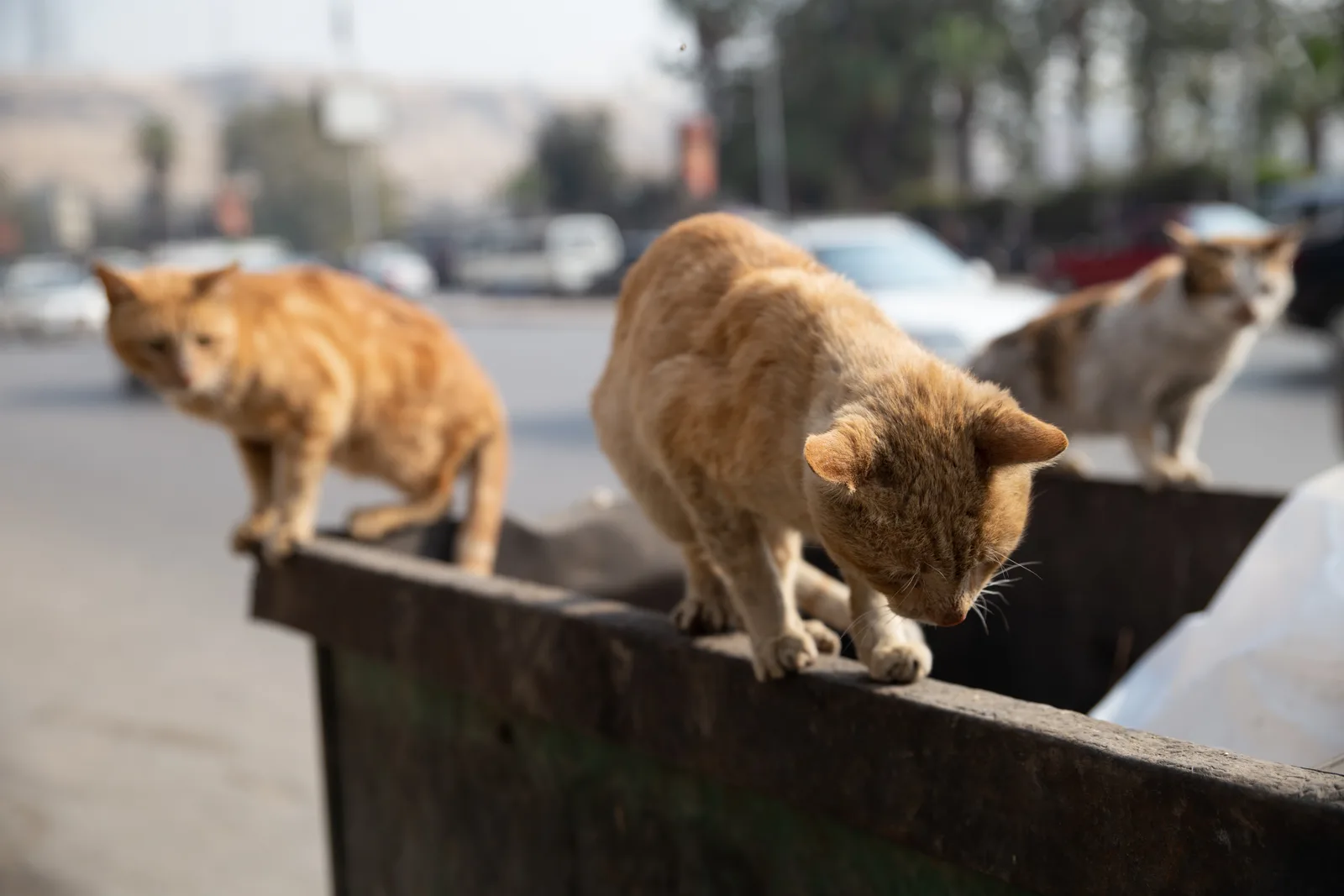
«Keda Ghalat» (Bu Yanlış): Kâsede Zehir, Sırtta Değnek — Hayvana Eziyet, 1937'den Beri Mısır Ceza Kanunu'nda Suç
Bir komşu okul duvarının yanına zehirli kaplar bırakıyor, bir araba sahibi ise eşeğine ağır bir yük çektirmek için yüzüne sopayla vuruyor. Birçok kişi «sadece bir hayvan»ı hiçbir kanunun korumadığını sanıyor. Oysa Ceza Kanunu'nun 355, 356 ve 357. maddeleri, hayvan öldürmeyi, zehirlemeyi ve ona eziyet etmeyi hapis cezasına varan yaptırımlarla cezalandırıyor. Dünya Hayvanlar Günü arifesinde kanunun ne dediğini açıklıyoruz.
3 Ekim 2026 · 6 dk okuma