跳至正文

狗在你家里是你的自由:烈犬闯上公共海滩,就是侵犯他人的权利

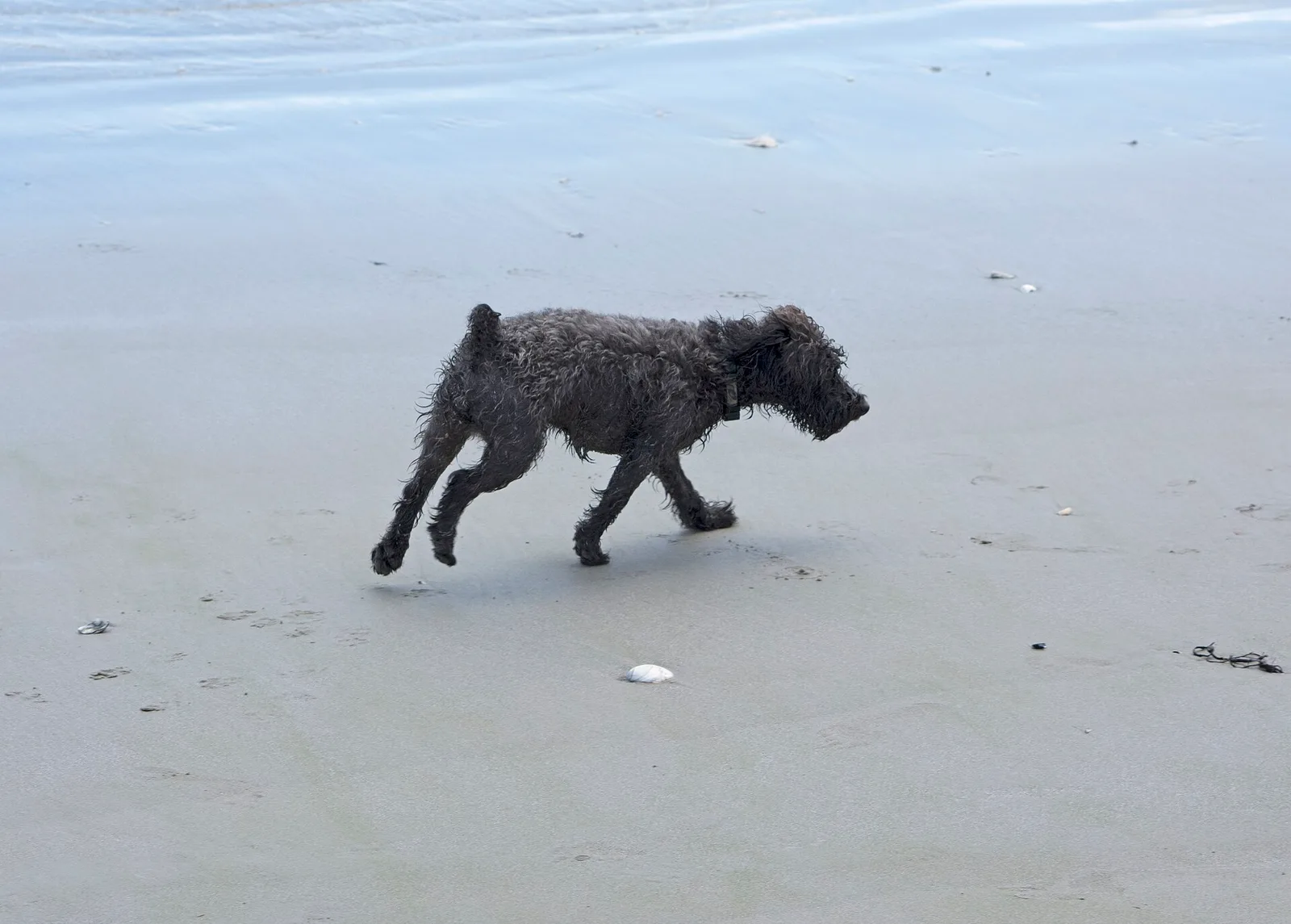
每年夏天,我们的海滩上都会重演这一幕:一条没戴嘴套的大狗在孩子们中间狂奔,主人面对抗议只回一句“它又不咬人”。在“这样不对”栏目里,我们把话说清楚:养宠物的自由,止于他人的安全与安宁;公共海滩属于全体公民,不是某些人的驯犬场。
发布于 2026年8月18日·6 分钟阅读

Anyone who has visited a public beach in summer knows the scene: a family settles near the water, children build sandcastles, and suddenly a large dog of a breed known for aggression appears — no muzzle, no leash — with its owner strolling behind, reassuring everyone with a single phrase: "Don't worry, he's friendly." But the child who burst into tears cannot tell friendly from fierce, and the mother who scooped up her toddler and ran is not interested in the dog's certificate of good conduct.

Before any talk of law, this is a moral wrong. A public beach is shared space — everyone paid for their entry or inherited it as a public right — and whoever releases a frightening animal into it is effectively declaring: my comfort, and my dog's, matter more than your children's safety. That is precisely the offence this section exists to name: the insult, the provocation, and the harm done to a citizen's peace in a place he came to for rest.

The fear here is neither a luxury nor an exaggeration. A single dog bite can mean wounds, stitches and a course of rabies shots, plus a psychological terror that may shadow a child for years — turning fear of one dog into fear of all animals and of the beach itself. And even when the dog bites no one, the mere sight of a powerful breed sprinting between beachgoers is enough to ruin the day for dozens of families.

Then there is what the eye cannot see: bathing dogs in the very seawater people swim in. A dog carries microbes and parasites on its coat and in its waste, some of them transmissible to humans, and the children swallowing seawater as they play are the most exposed. Whoever washes his dog in water where other people's children swim is treating the sea as his private bathtub. That is selfishness, plain and simple.

Let us be fair: the problem is not dog ownership, and it is not animal lovers. Caring for animals is a value we respect and encourage. The problem is the owner who refuses the most basic rules of responsibility: a leash, a muzzle for dangerous breeds, choosing appropriate places, and one simple question before approaching any family: do you mind?

Egyptian law has not left this unregulated. The Civil Code holds the keeper of an animal liable for the harm it causes, and in 2023 the legislature passed a dedicated law regulating the possession of dangerous animals and dogs — requiring licensing, setting rules for taking dogs into public spaces, and penalising violators. Whoever lets an aggressive dog loose among beachgoers is not merely committing a moral offence; he is placing himself squarely within reach of the law.

But in this section we do not bet on punishment alone, because before this is a legal problem it is a problem of public decency. Imagine each of us exporting whatever annoys our own household into the shared space: one blasts loudspeakers, another grills on the pavement, a third lets his dog loose among children. Nothing called "public space" would remain — only a jungle where the strongest and boldest claims his patch at everyone else's expense.

What is required of the dog owner is clear and needs no interpretation: do not bring a dangerous breed to a crowded public beach in the first place; if you bring a gentle dog, keep it leashed at all times and muzzled when needed; do not bathe it in water where people swim; clean up after it; and respect other people's fear even when it seems excessive to you — fear is a right that does not require your permission.

What is required of the state and local authorities is no less clear: enforce the dangerous-animals law on the beaches rather than leaving it in the Official Gazette; post explicit signs at beach entrances setting the rules for animals; and designate separate areas or hours for dog owners away from crowded family sections, so that everyone gets their due without collision.

A final message to everyone who says "I'm free and so is my dog": yes — free at home and in designated spaces. On a public beach, your freedom stops where the safety of a child begins, a child whose only strength is his scream. That's just wrong — and doing it right is simpler than you think: a leash, a muzzle, the right place, and respect for everyone else.

相关报道

لافتة توعية عامة ضد ختان الإناث معروضة في فعالية مجتمعية، ويقف بجوارها عدد من الحضور.
这样不对

女性割礼:法律定罪、宗教与医学共同否定的罪行——不是值得延续的习俗

女性割礼至今仍打着“习俗”与“合乎教义”的旗号在沉默中延续,尽管埃及法律对其课以重刑,尽管爱资哈尔和埃及宗教裁决机构已明确宣布它在宗教上毫无依据,尽管医学界一致认定它有百害而无一利。这篇文章不是在指控家庭,而是在呼吁保护家庭:保护我们的女儿,从父母口中一句清晰的“不”开始。

2026年8月18日 · 7 分钟阅读

这样不对

“这是我的地盘”:流氓看车人,当强收的保护费披上“服务”的外衣

他站在一条没有他一寸产权的街上,却像分派自家庄园一样分配车位,收费全凭心情;谁敢不服,车门上就多一道尖利的钥匙划痕,或者当着家人的面挨一句羞辱。靠恐吓强行上岗的无证看车人,不是服务提供者,而是收买路钱的勒索者。这样不对:街道是公共财产,法律也早已规范了这个行当——披着行当外衣的流氓行径,没有任何借口。

2026年8月18日 · 5 分钟阅读

这样不对

人行道属于公民:把行人推向夺命车流的占道小亭

一位母亲推着婴儿车在车流中穿行,一位老人摸索着从小巴旁边挪过——因为为他们修建的人行道,已经被小卖亭、饮料冰柜和摆出来的货物吞掉了。占据人行道的亭子,哪怕有执照,也是在侵吞一条为行人而建的通道,把人推进车流。这样不对:人行道不是可以出租的地产,而是每个公民的安全动脉。

2026年8月18日 · 5 分钟阅读