精明开学季:9月12日开学前的家庭预算实用指南
埃及新学年将于9月12日开学。本文提供一份实用的开学季家庭预算指南:官方公布的各项费用、清点去年可继续使用的物品、理清采购优先级、切实可行的省钱技巧,以及如何控制最大的一笔开支——课外补习费。
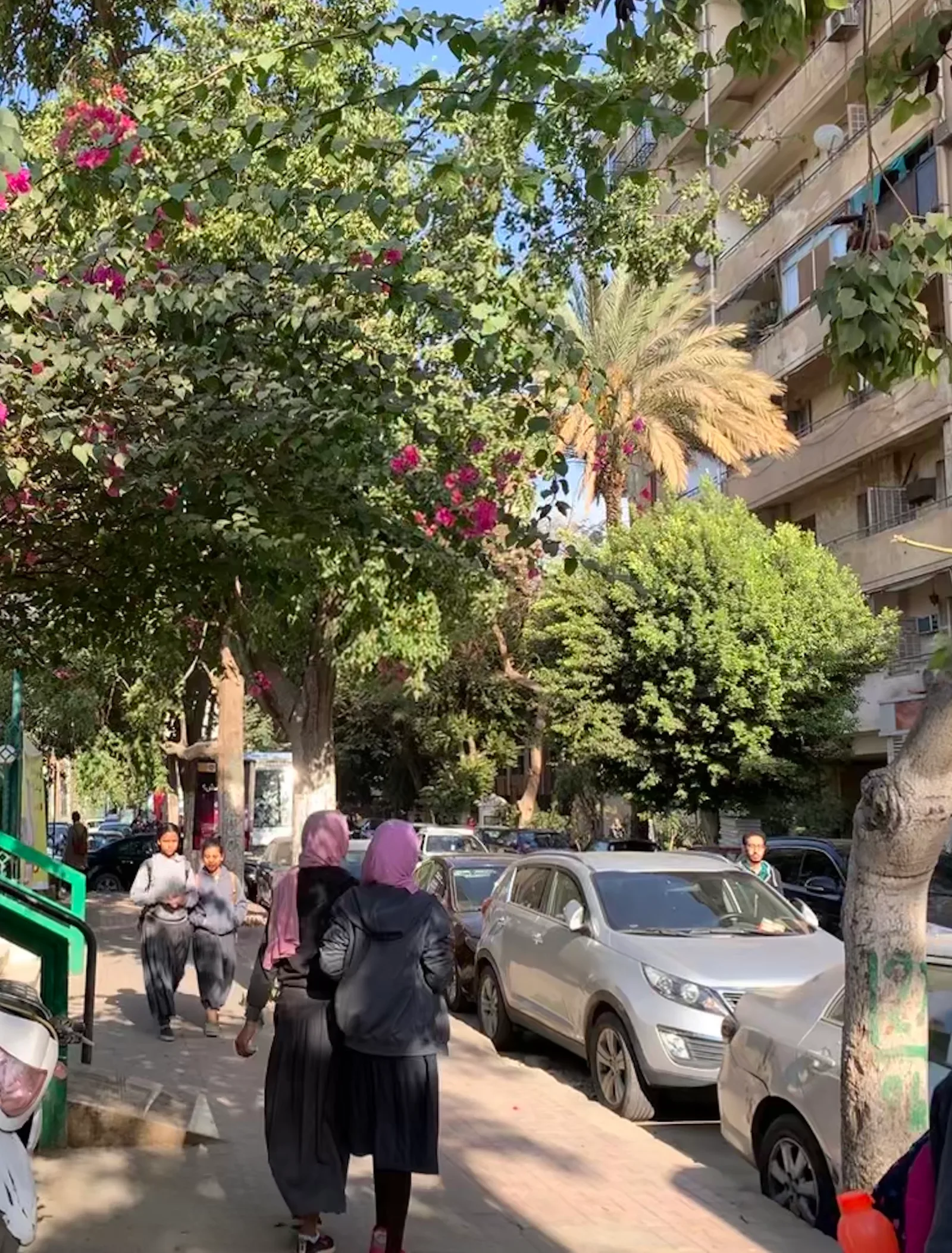
Egyptian families have less than four weeks before the 2026/2027 school year opens on Saturday, September 12, under the academic calendar approved by the Ministry of Education and Technical Education. Between fees, uniforms, supplies and private tutoring, the remainder of August and September becomes one of the heaviest spending stretches a household faces. Early planning will not erase the bill, but it can visibly shrink it.
According to the ministry's announcements as reported by local media, classes at public, official-language and private schools run from September 12, 2026 to June 24, 2027 — 39 school weeks — while international schools open on September 6. That window means a family can stagger purchases over several weeks instead of draining the budget in a single trip.
On fees, Ministerial Decree No. 116 for 2026/2027 sets tuition at 320 Egyptian pounds from kindergarten through the end of preparatory school, 545 pounds for the first year of general secondary, 530 pounds for the second and third secondary years, and 245 pounds for the first year of technical education with 230 pounds for its remaining years, as reported by Al-Shorouk and Masrawy. Fees are payable in two installments through electronic collection points and post offices, and categories specified in the decree are exempt, paying only token administrative charges.
Official-language schools add a supplementary services charge ranging from 800 pounds for primary to 1,400 pounds for kindergarten, rising to 4,400 pounds for secondary at the distinguished official-language schools, according to press coverage of the same decree. Knowing the official number in advance protects parents from charges that exceed it — and they are entitled to ask what any extra item is based on.
The first step comes before opening the wallet: a full inventory of what survived last year. A backpack with intact straps and zippers, uniform pieces that still fit, a usable geometry set and pencil case, notebooks with unused pages that can be combined for rough work. The golden rule: nothing enters the shopping list unless it is genuinely worn out or outgrown.
Then come the priorities. Uniforms first, because children grow and there is no substitute — and two sets bought slightly loose beat three that fit exactly and are outgrown by midyear. Next, notebooks and supplies according to the school's actual list rather than guesswork; the backpack sits last on the list as long as the old one still serves.
On the savings side, small tactics add up. Group buying among mothers splits a dozen notebooks at wholesale rates; wholesale and seasonal markets across the governorates are markedly cheaper than neighborhood stationers at peak season; and comparing prices at three outlets before paying usually earns back the extra errand.
Press reports — including Al-Dostor, citing sources at the Ministry of Supply and Internal Trade — say this season's "Ahlan Madares" (Welcome, Schools) exhibitions are expected to open in early September across the governorates, with bookshops and school-supply vendors participating and discounts that vary by product. Coverage of previous seasons put discounts at around 20 percent, so it is worth watching for the governorates' official announcements of venues and dates before buying.
Spending traps claim their share of the budget too. Brand names for a child in early primary are money without return — supplies get lost or wrecked within weeks — and items printed with cartoon characters can sell for double the price of identical quality. Other traps: buying everything before the school lists arrive, and installment offers on small purchases that add financing costs for no reason.
The biggest line in the education budget, however, is neither uniforms nor supplies. According to figures from Egypt's statistics agency CAPMAS published by local newspapers this month, private tutoring and review groups absorb 28.3 percent of education spending by households with students, with Menoufia governorate topping the list, as Al-Dostor reported from the agency's data.
That item can be rationed without hurting a student's performance: start only with subjects the child genuinely needs rather than a full "package" from day one; use the cheaper official school review groups; share small study groups among three or four families; and lean on the free official educational channels and platforms as backup. Simply postponing tutoring until the child's level becomes clear in the first month saves at least a full month's cost.
Spreading the bill over time is the final safety valve. Paying fees in two installments is an officially established right, so there is no need to pay in full up front; supplies can be bought in two rounds — essentials now, the rest after school starts, when real needs become clear — and receipts kept for exchanges and price comparisons.
Finally, bringing children into the budget is a free lesson in home economics: a child who understands that a new backpack means giving up something else learns to choose early. Back-to-school season is an annual exam for the family budget — and those who prepare early pass it with the fewest losses.
相关报道

埃及婚嫁成本的漩涡:聘礼、订婚首饰、婚房……与再度升温的简办婚礼之议
从聘礼、订婚首饰“沙布卡”,到婚房和家什清单“卡伊玛”,埃及的结婚清单已堆成一座推迟年轻人梦想的经济大山。本文冷静剖析婚嫁成本的构成、背后的社会压力,以及宗教界与社会各界日益高涨的简办婚礼呼声。
2026年8月18日 · 5 分钟阅读

屏幕时代的育儿:儿科权威机构究竟建议什么?
在恐慌与放任之间,全球儿科权威机构就儿童与屏幕问题给出了冷静、循证的指导:年龄限制究竟怎么说?为什么睡眠优先?为什么内容质量比时长更重要?家庭媒体使用计划又该如何落地?
2026年8月18日 · 5 分钟阅读

辟谣:埃及2026年8月公职人员工资不会提前发放,仍按原计划8月23日起发放
社交媒体流传埃及将提前发放2026年8月公职人员工资的消息。财政部对此予以否认,重申将严格按照已公布的时间表执行:约550万名公务员的工资将于8月23日起陆续存入账户。
2026年8月18日 · 4 分钟阅读