花小钱吃出健康:埃及家庭的聪明营养指南
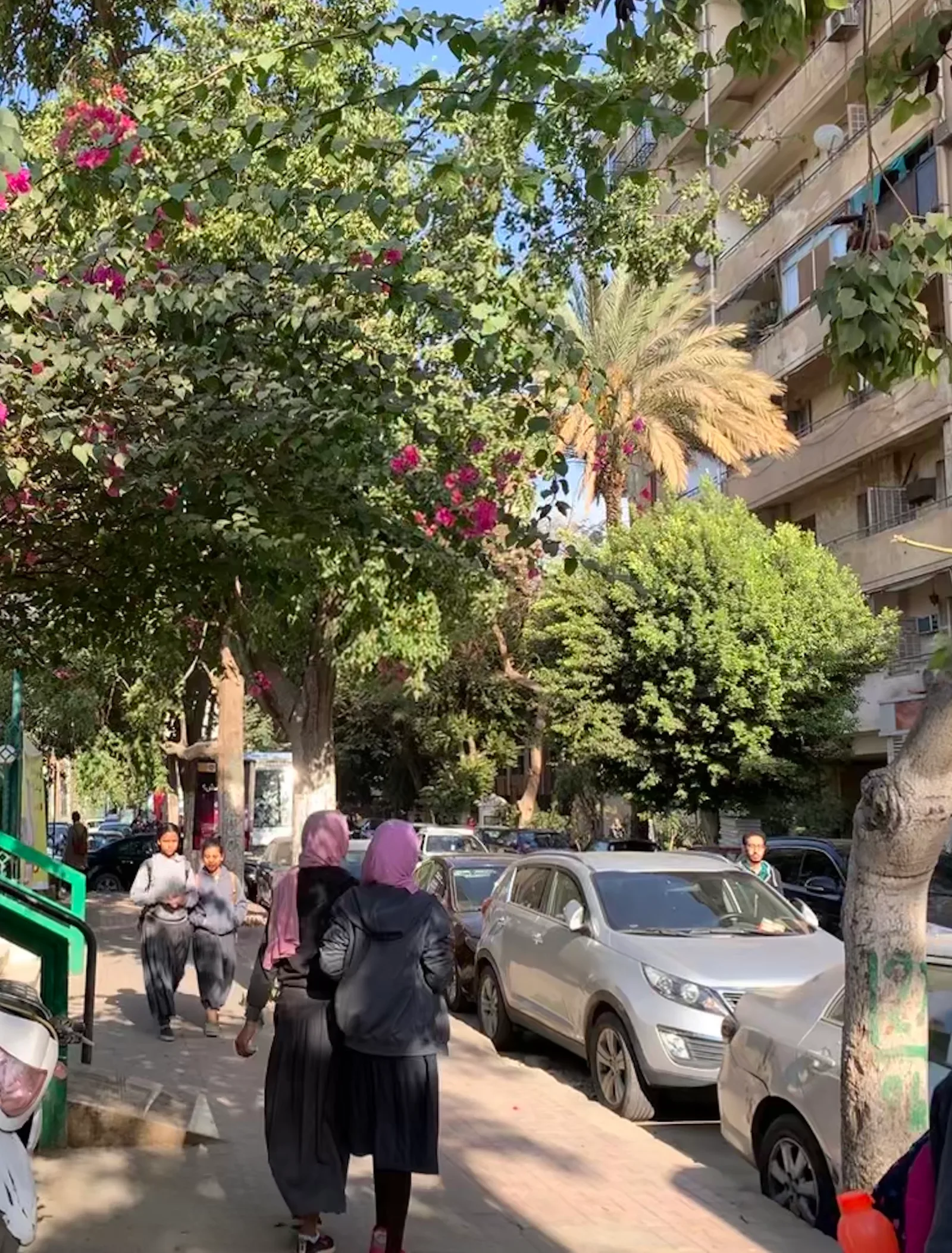
吃得健康未必要花大钱。从蚕豆、扁豆到时令蔬菜和沙丁鱼,这份实用指南献给每一个想以最低花费吃得营养、吃得饱足的埃及家庭,并附上简单的采购与烹饪方案,让每一埃镑都花在刀刃上。
With every wave of price rises, many families conclude that healthy eating is an unaffordable luxury and that protein means meat and chicken alone. The truth is that the traditional Egyptian kitchen — before fast food invaded it — was one of the world's smartest cuisines, nutritionally and economically at once. The cheapest items on the Egyptian table are very often the most beneficial.
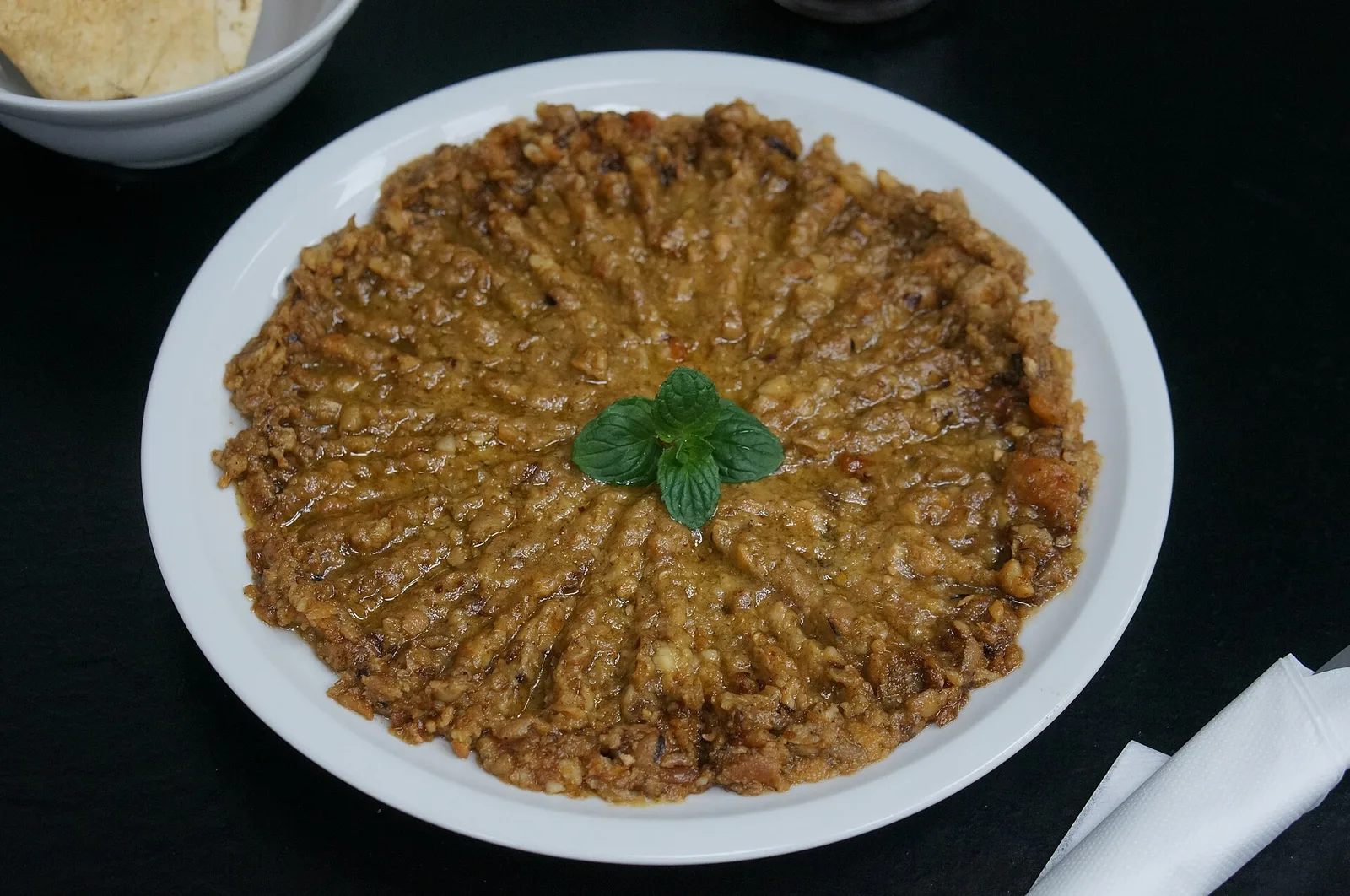
The story begins with legumes: fava beans, lentils, chickpeas, black-eyed peas, and dried white beans. These small seeds are a genuine nutritional treasure, rich in protein, iron, fiber, and B vitamins — and the cost per gram of their protein is a small fraction of its equivalent in meat. A morning plate of ful with oil, lemon, and tomato is a complete meal that sustains the body for hours, and a winter lentil soup delivers nourishment and warmth at a trivial price.
For anyone worried that plant protein is 'incomplete', science is reassuring: when legumes and grains are combined in one meal, their amino acids complement each other and form a fully complete protein. This is exactly what Egypt's popular dishes have done instinctively for generations — koshari pairs lentils with rice and pasta, and ful is eaten with baladi bread. The wisdom of the grandparents got there before the nutrition laboratories did.
Eggs and dairy are another ally of the budget. The egg is among the highest-quality and relatively cheapest protein sources there is; local yogurt is excellent food for young and old, supporting digestion and bones; and qarish cheese in particular is a quiet hero — high protein, low fat, and a price within everyone's reach.
For vegetables and fruit, the golden rule is one word: season. Buying at the peak of an item's season means the highest nutritional value and the lowest price at the same time. Molokhia, spinach, and arugula are superb sources of iron and vitamins at modest prices, while tomatoes, cucumbers, and carrots fill the salad bowl with color. Whoever buys a large quantity at a good price can clean, chop, and freeze it at home — building a seasonal freezer stock far cheaper than ready-made frozen packs.
Fish is not all expensive, either. Sardines and mackerel are among the fish richest in the omega-3 fats that protect heart and brain, at prices far below premium farmed varieties, and tilapia remains a good, affordable protein source. One fish meal a week is a realistic goal even on a tight budget.
On the other side of the ledger sits a category that drains both budget and health, and deserves cutting out or sharply reducing: fizzy drinks, sweetened juices, chips, and packaged sweets. These deliver empty calories with no real satiety, and what a family spends on them each month could buy a full week's worth of eggs, lentils, and vegetables. Even the extra sugar in repeated cups of tea is a hidden line item worth reviewing.
Planning is the sharpest weapon: a simple weekly meal list written before heading to the market, a shopping list that is actually followed, and cooking in large batches divided over several days. The big pot saves time, gas, and money, and leftovers become new meals with a little imagination — yesterday's rice becomes fried rice, and the soup vegetables become a baked casserole.
Cutting back on meat does not mean going without it; it means deploying it well. A small piece of meat is enough for a whole family's bean or okra casserole when cooked with vegetables and tomato sauce, and one chicken makes a roast meal and then a soup from its carcass the next day. The Egyptian kitchen has always known how to 'stretch' animal protein with vegetables and legumes without losing flavor or benefit.
The most important point remains: children learn by example, not by orders. When a child sees water rather than cola on the table, fruit rather than chips in the lunchbox, and a cheese-and-tomato or ful sandwich instead of processed snacks, eating habits are formed for a lifetime. The affordable healthy table is not a forced compromise in hard times — it is a return to the smartest part of our food heritage.
相关报道

埃及婚嫁成本的漩涡:聘礼、订婚首饰、婚房……与再度升温的简办婚礼之议
从聘礼、订婚首饰“沙布卡”,到婚房和家什清单“卡伊玛”,埃及的结婚清单已堆成一座推迟年轻人梦想的经济大山。本文冷静剖析婚嫁成本的构成、背后的社会压力,以及宗教界与社会各界日益高涨的简办婚礼呼声。
2026年8月18日 · 5 分钟阅读
屏幕时代的育儿:儿科权威机构究竟建议什么?
在恐慌与放任之间,全球儿科权威机构就儿童与屏幕问题给出了冷静、循证的指导:年龄限制究竟怎么说?为什么睡眠优先?为什么内容质量比时长更重要?家庭媒体使用计划又该如何落地?
2026年8月18日 · 5 分钟阅读

从月球上能看到中国长城吗?宇航员早已给出答案
教科书里有个人们津津乐道的说法:中国长城是从月球上唯一可见的人造建筑。但亲身登上太空的宇航员——包括中国首位航天员本人——都给出了否定答案,光学原理也支持他们。至于从太空真正能看到什么——从城市灯火到熠熠生辉的尼罗河三角洲——那是一个更精彩的故事。结论:错误。
2026年8月18日 · 5 分钟阅读