迎战酷暑:在埃及的夏天如何识别热射病并保护劳动者与老人
热射病是一种可迅速致命的医疗急症,却几乎完全可以预防。这份实用指南教你识别危险征兆,在埃及漫长灼热的夏季保护户外劳动者和老年人。

Egypt's summer is long and unforgiving. From May to September, temperatures across much of the country regularly climb well above thirty-five degrees Celsius, and in Upper Egypt the mercury can pass forty-five. On the coasts, humidity makes even moderate heat feel heavier. For most people this is an annoyance; for outdoor workers, the elderly, and the chronically ill, it is a genuine health hazard. Heat kills quietly every summer around the world, and most of those deaths are preventable with simple knowledge and simple habits.
The human body cools itself mainly by sweating and by pushing blood toward the skin. In extreme heat, especially with hard physical work or dehydration, these mechanisms can be overwhelmed. The result is a spectrum of heat illness: it begins with heat cramps, progresses to heat exhaustion, and can end in heatstroke, in which the body's core temperature rises to dangerous levels and vital organs — including the brain — begin to fail. Understanding this progression is the key to acting early, while the problem is still easy to reverse.
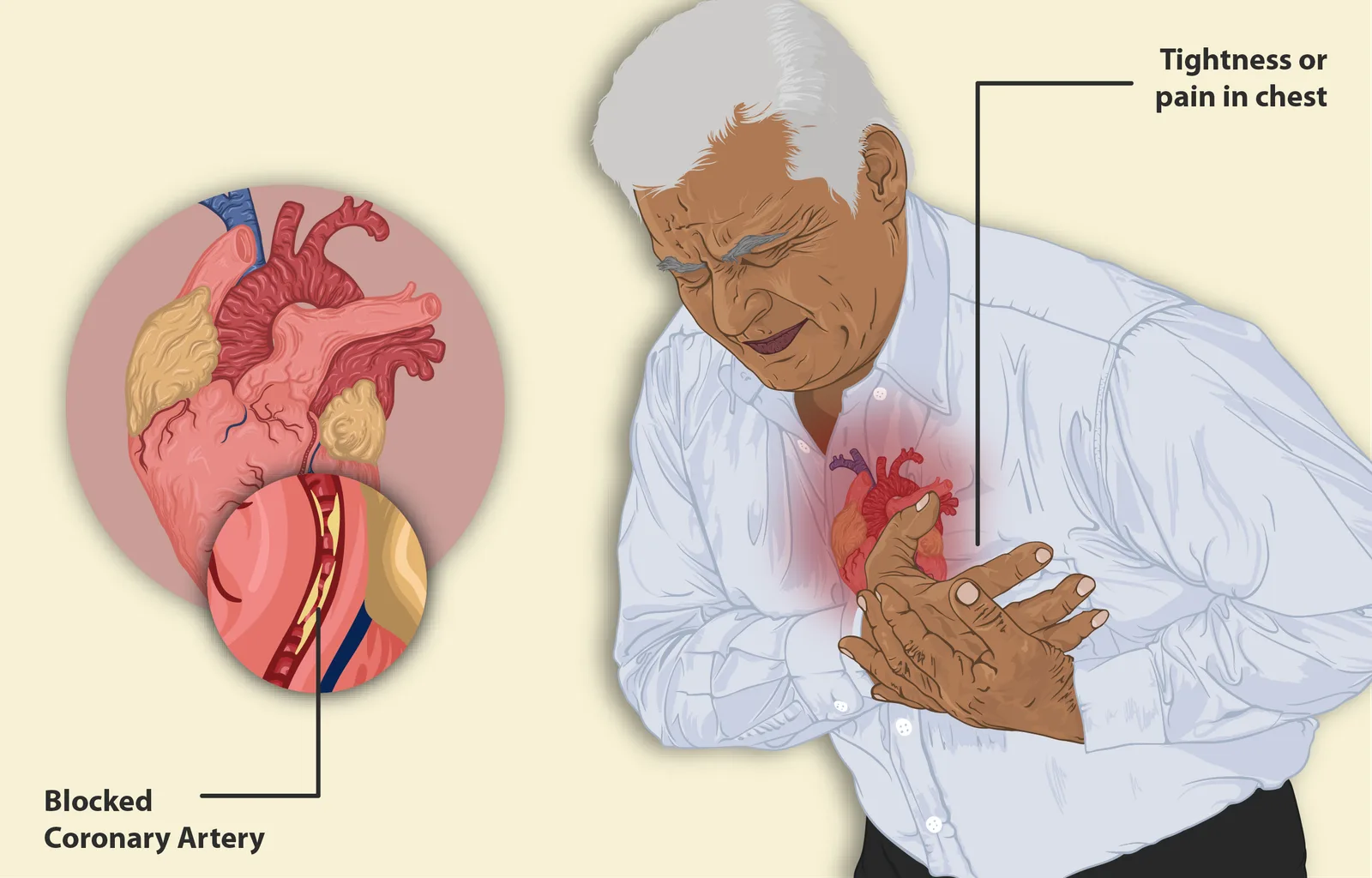
Heat exhaustion is the body's loud warning. Its signs include heavy sweating, weakness and fatigue, dizziness, headache, nausea, muscle cramps, and skin that feels cool, pale, and clammy, with a pulse that may be fast but weak. A person at this stage should stop all activity immediately, move to shade or a cool room, loosen clothing, sip water, and cool the skin with wet cloths. Most people recover within an hour. If symptoms worsen or persist, or if vomiting prevents drinking, medical help is needed without delay.
Heatstroke is a different matter entirely: it is a medical emergency in which minutes count. Warning signs include a body temperature around forty degrees Celsius or higher, hot and flushed skin that may be dry because sweating has stopped, a rapid strong pulse, throbbing headache, confusion, slurred speech, agitation, fainting, or convulsions. An older person who suddenly becomes confused during a heat wave should be assumed to have heat illness until proven otherwise. In Egypt, the ambulance service is reached on 123 — call first, then start cooling.
While waiting for help, cooling the person is itself the treatment. Move them to shade or air conditioning, remove excess clothing, and cool the body by any means available: spray or sponge the skin with water, fan them vigorously, and place cold wet cloths or ice packs on the neck, armpits, and groin, where large blood vessels run close to the skin. If the person is fully conscious, offer small sips of water. Never give fluids to someone who is confused or unconscious, and never leave them alone.
Outdoor workers carry the heaviest risk: construction crews, farmers, delivery riders, street vendors, and traffic police spend hours in direct sun, often doing heavy work. International occupational-health guidance is consistent: schedule the hardest tasks for early morning and late afternoon, provide shaded rest areas, and encourage drinking water every fifteen to twenty minutes rather than waiting for thirst. New workers need several days to acclimatise before taking on full loads in the heat, and a buddy system matters, because a worker developing heatstroke often cannot recognise his own confusion.
The elderly are the other quiet casualty of summer. Aging bodies sweat less, sense thirst more weakly, and adjust to temperature changes more slowly. Chronic conditions such as heart disease, kidney disease, and diabetes further impair heat tolerance, and common medicines — including diuretics and some blood-pressure and psychiatric drugs — reduce the body's ability to cope. During hot spells, elderly relatives and neighbours who live alone should be checked on daily. Warning signs to ask about include reduced urination, dizziness on standing, unusual fatigue, and any new confusion.
Keeping a home livable in extreme heat takes strategy, not just endurance. Close curtains and shutters on sun-facing windows during the day, and open windows at night when the outside air cools. A fan helps sweat evaporate, but at very high temperatures it can simply blow hot air; combining it with a wet cloth on the skin or a cool shower works better. Spend the hottest hours in the coolest room of the house, avoid cooking on the stove at midday, and keep drinking water within easy reach.
Hydration and clothing are the everyday armour. Drink water at regular intervals rather than waiting for thirst, and go easy on strong coffee and tea, which increase fluid loss. Wear light-coloured, loose-fitting cotton clothing, cover the head outdoors, and use shade whenever possible — the hours between noon and four in the afternoon are the most dangerous. Those fasting during hot months should hydrate well between sunset and dawn, and religious scholarship has long recognised that genuine danger to health is a legitimate ground for exemption.
Finally, heat safety is a shared responsibility, not only an individual one. Employers who adjust working hours in summer protect both their workers and their productivity. Families who plan visits and phone calls around heat waves protect their elders. Anyone who can tell the difference between heat exhaustion and heatstroke — and who knows to call 123 and start cooling immediately — may one day save a life. Egypt's summer is not going to get milder; our habits can get smarter.
相关报道
“1亿人健康”:埃及如何为全民筛查,大规模体检为何意义重大
2018年,埃及发起“1亿人健康”行动,为每一位成年人免费筛查丙型肝炎,并检测血压、血糖和肥胖。史上规模最大的健康筛查行动之一如何运作?查出了什么?大规模筛查又为何能改变公共卫生的面貌?
2026年8月18日 · 5 分钟阅读

从月球上能看到中国长城吗?宇航员早已给出答案
教科书里有个人们津津乐道的说法:中国长城是从月球上唯一可见的人造建筑。但亲身登上太空的宇航员——包括中国首位航天员本人——都给出了否定答案,光学原理也支持他们。至于从太空真正能看到什么——从城市灯火到熠熠生辉的尼罗河三角洲——那是一个更精彩的故事。结论:错误。
2026年8月18日 · 5 分钟阅读

维生素C能预防感冒吗?数十年临床试验的真实结论
数百万人一打喷嚏就把希望寄托在维生素C上。但数十年的对照试验讲述的故事更为微妙:对大多数人而言,它并不能预防感冒;若平时坚持服用,或可略微缩短病程——真正的预防效果只见于马拉松选手、滑雪运动员和承受极端体能消耗的士兵。结论:部分属实。
2026年8月18日 · 5 分钟阅读