跳至正文

开在你卧室楼下的咖啡馆:当住宅楼底层变成通宵水烟馆

烟雾顺着通风口钻进楼上住户的家,喧哗声、哄笑声闹到天亮,一个第二天早上要考试的孩子不知道该怎么入睡。把住宅楼的地下室和底层改成通宵营业的水烟咖啡馆,是对居民健康与安宁的日常侵害。这样不对——住的权利,先于任何生意。
发布于 2026年8月18日·6 分钟阅读
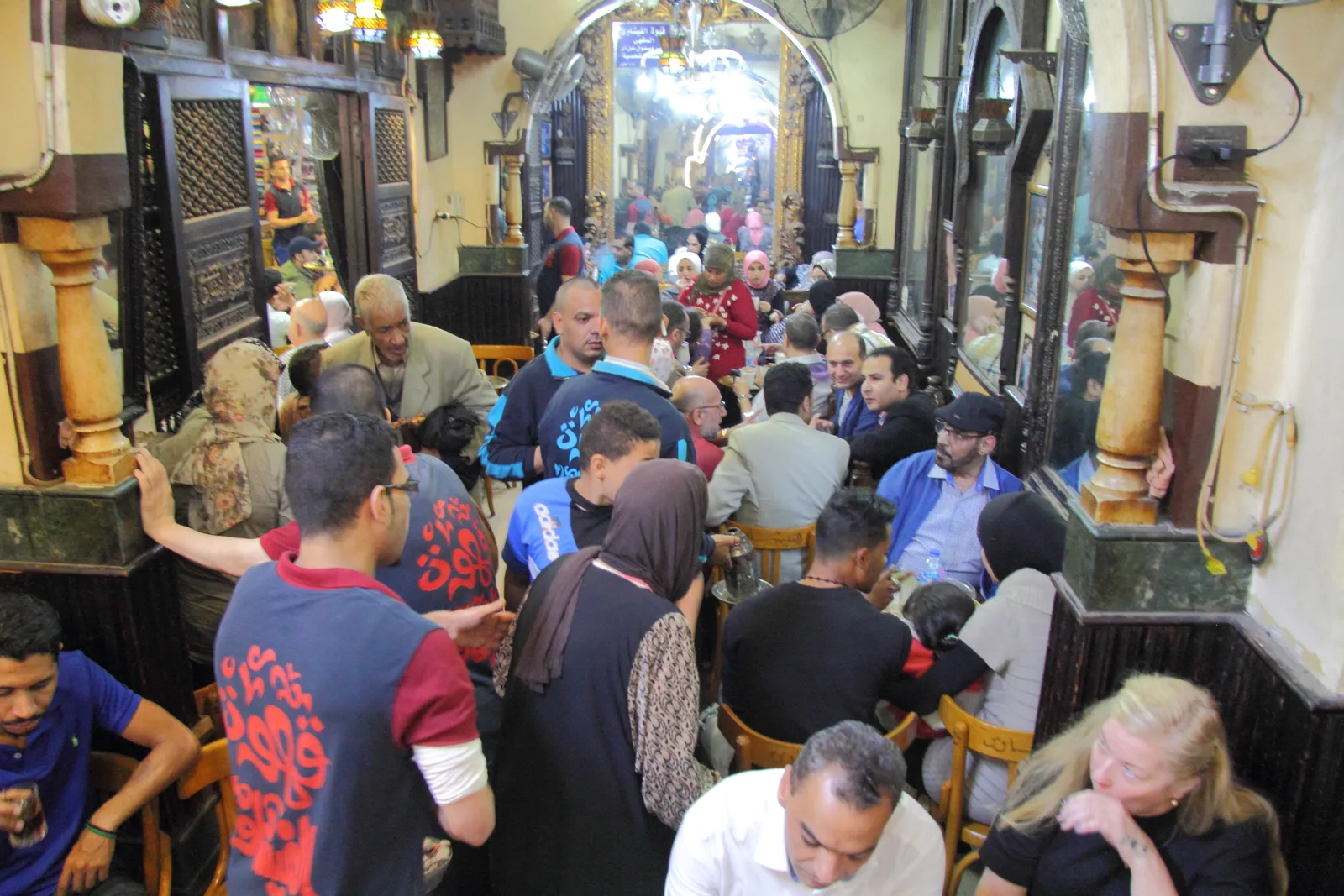
مقهى بالدور الأرضي أسفل عمارة سكنية ليلاً، تظهر فيه الشيشة على الطاولات والدخان متصاعداً تحت الأضواء.

In countless buildings across our cities the same scene repeats: a basement or ground floor once designated as a garage, a storeroom or a dwelling is rented out and transformed overnight into a café — plastic chairs creeping over the pavement, a giant screen for the matches, and dozens of shisha pipes whose coals never go out from mid-afternoon until well past dawn. Directly above, families suddenly discover that their home now sits on top of a permanent street party no one consulted them about.

Let us begin where this section always begins: this is a moral offence before it is an administrative violation. The home is a person's last fortress — the place where one is supposed to close the door on the day's exhaustion and sleep. When shisha and molasses-tobacco smoke seeps through vents and light-wells into bedrooms, and when laughter, football crowds and slamming domino tables pierce apartment walls until three in the morning, the café's operators are not running a business; they are confiscating the sleep of an entire building.

The harm here is not a passing annoyance. Secondhand smoke drifting into apartments harms everyone, and harms children, chest and allergy patients and the elderly most of all — medicine settled that question decades ago. And chronic sleep deprivation is not a lost luxury but direct damage to health: a pupil goes to school exhausted and his grades slide; an employee drives to work at half attention; a sick mother cannot find one quiet hour.

Then there is the pavement and the street. The café that begins with a few chairs by its door soon swallows the whole sidewalk, forcing pedestrians into the roadway; the building's entrance becomes a waiting lounge, and its residents find themselves threading a path to their own front doors between tables and smoke, like unwelcome guests in their own homes.

Egyptian law is not a bystander here — the problem is enforcement. The Building Law No. 119 of 2008 and its requirements govern how units are used and how their use may change; converting a residential unit or basement to commercial activity is not an absolute right of the owner but a regulated procedure requiring approvals. The Public Shops Law No. 154 of 2019 requires licensing and sets conditions of operation; the anti-smoking Law No. 52 of 1981 and its amendments prohibit smoking in enclosed public places; and the Environment Law No. 4 of 1994 sets noise limits that may not be exceeded at night. The legal tools exist. What is missing is their use.

And let us be fair: we are not against cafés — they are a cherished part of Egyptian social life — nor against a young man opening a business to earn his bread. We are against one specific thing: locating that business where it does not belong, in a way that makes residents' rest the price of its profit. A café belongs in commercial zones and streets, under the prescribed conditions — not in the belly of a residential building with children sleeping above it.

Nor does responsibility fall on the tenant alone. The landlord who rented out the basement knowing full well what it would become is a full partner in the harm — he sold the peace of neighbours who lived beside him for years in exchange for higher rent. And the licensing bodies that grant, or wink at, an activity in an unfit location are a third partner, no less responsible.

What we ask of the citizen: the café owner should ask himself a single question — would he accept living with his own children above his café? If the answer is no, then he should know he is doing to others what he would not accept for himself. The landlord must stop renting residential units and basements for activities that harm residents, however tempting the return. And the harmed residents should not surrender: a documented collective complaint to the district and licensing authorities is a right, and calm, organised persistence achieves more than a daily shouting match.

What we ask of the state: real, not seasonal, oversight of changes in the use of residential units and basements; licensing of any public establishment tied to a serious inspection of its location and its impact on residents; genuine enforcement of nighttime noise limits and closing hours, in deed rather than word; and a complaints path for residents that is accessible and actually leads somewhere — not an ordeal between offices ending in a filed-away folder.

In this section's scales the rule is simple: the right to sleep and to clean air outranks the right to stay up and to profit. Whoever wants to open a café should open it where and how it ought to be opened. But turning residential buildings into nightclubs imposed on their own inhabitants — that's just wrong: wrong against the child with tomorrow's exam, against the patient who needs stillness, and against the very idea of home.

相关报道

لافتة توعية عامة ضد ختان الإناث معروضة في فعالية مجتمعية، ويقف بجوارها عدد من الحضور.
这样不对

女性割礼:法律定罪、宗教与医学共同否定的罪行——不是值得延续的习俗

女性割礼至今仍打着“习俗”与“合乎教义”的旗号在沉默中延续,尽管埃及法律对其课以重刑,尽管爱资哈尔和埃及宗教裁决机构已明确宣布它在宗教上毫无依据,尽管医学界一致认定它有百害而无一利。这篇文章不是在指控家庭,而是在呼吁保护家庭:保护我们的女儿,从父母口中一句清晰的“不”开始。

2026年8月18日 · 7 分钟阅读

这样不对

“这是我的地盘”:流氓看车人,当强收的保护费披上“服务”的外衣

他站在一条没有他一寸产权的街上,却像分派自家庄园一样分配车位,收费全凭心情;谁敢不服,车门上就多一道尖利的钥匙划痕,或者当着家人的面挨一句羞辱。靠恐吓强行上岗的无证看车人,不是服务提供者,而是收买路钱的勒索者。这样不对:街道是公共财产,法律也早已规范了这个行当——披着行当外衣的流氓行径,没有任何借口。

2026年8月18日 · 5 分钟阅读

这样不对

人行道属于公民:把行人推向夺命车流的占道小亭

一位母亲推着婴儿车在车流中穿行,一位老人摸索着从小巴旁边挪过——因为为他们修建的人行道,已经被小卖亭、饮料冰柜和摆出来的货物吞掉了。占据人行道的亭子,哪怕有执照,也是在侵吞一条为行人而建的通道,把人推进车流。这样不对:人行道不是可以出租的地产,而是每个公民的安全动脉。

2026年8月18日 · 5 分钟阅读