安全的屏幕:保护儿童上网的冷静实用指南
当父母与孩子平等交流而不只是监视时,孩子在网上才更安全。从家长监护工具和平台年龄规则,到关于陌生人的那次谈话,再到埃及16000儿童求助热线,这是一份基于证据、不靠吓唬的家庭指南。
The internet is no longer a place children visit; it is a neighbourhood they grow up in. Lessons, cartoons, games and friendships all pass through the same screens, and pretending otherwise is not a strategy. The good news, consistently supported by child-safety research, is that children whose parents talk with them about their online lives are safer than children who are merely monitored. The goal is not a fenced-off child but a competent one — and competence is taught, not installed.
Panic is a poor teacher. Scare stories make children hide their online lives precisely when openness matters most, because a child who fears punishment will not report a problem. The evidence-based posture is calm curiosity: try the game your child plays, watch what they watch occasionally, and ask who they talk to the way you ask about school friends. Children who expect interest rather than interrogation volunteer far more — and volunteering is the early-warning system every parent actually wants.
Age rules exist for a reason. Most major social media platforms set a minimum age of thirteen in their own terms of service, and creating an account for a younger child normalises lying about age from the start. Purpose-built alternatives exist: dedicated children's versions of video platforms, curated children's categories in app stores, and age ratings printed on every game. They are imperfect filters, not babysitters, but choosing age-appropriate ground is the single easiest safety decision a family makes.
Every mainstream device now ships with free parental tools that most families never open. Google's Family Link and Apple's Screen Time can set daily limits, require a parent's approval for app downloads and filter content; home routers can filter at the household level; search engines offer safe-search modes. Set these up together with the child rather than in secret — controls a child understands are rules, while controls discovered by accident feel like traps and invite workarounds.
The strangers conversation belongs online exactly as it belongs on the street, with one difference children must hear explicitly: on the internet, people are not always who they claim to be. An account with a child's photo may not belong to a child. The rules worth repeating until they are boring: never share your school, address or phone number; never send photos to someone you have not met in real life; and if anyone asks you to keep a conversation secret from your parents, that secret itself is the signal to tell them.
Personal data deserves its own house rules, and parents should model them. Family photos, school uniforms with visible logos, live location tags and birthday details all leak information a family may prefer to keep private. Teaching a child to pause before posting — would I pin this to the building's front door? — builds a habit that outlasts any single platform. Parents who post about their children constantly will find it hard to preach restraint; children notice the contradiction immediately.
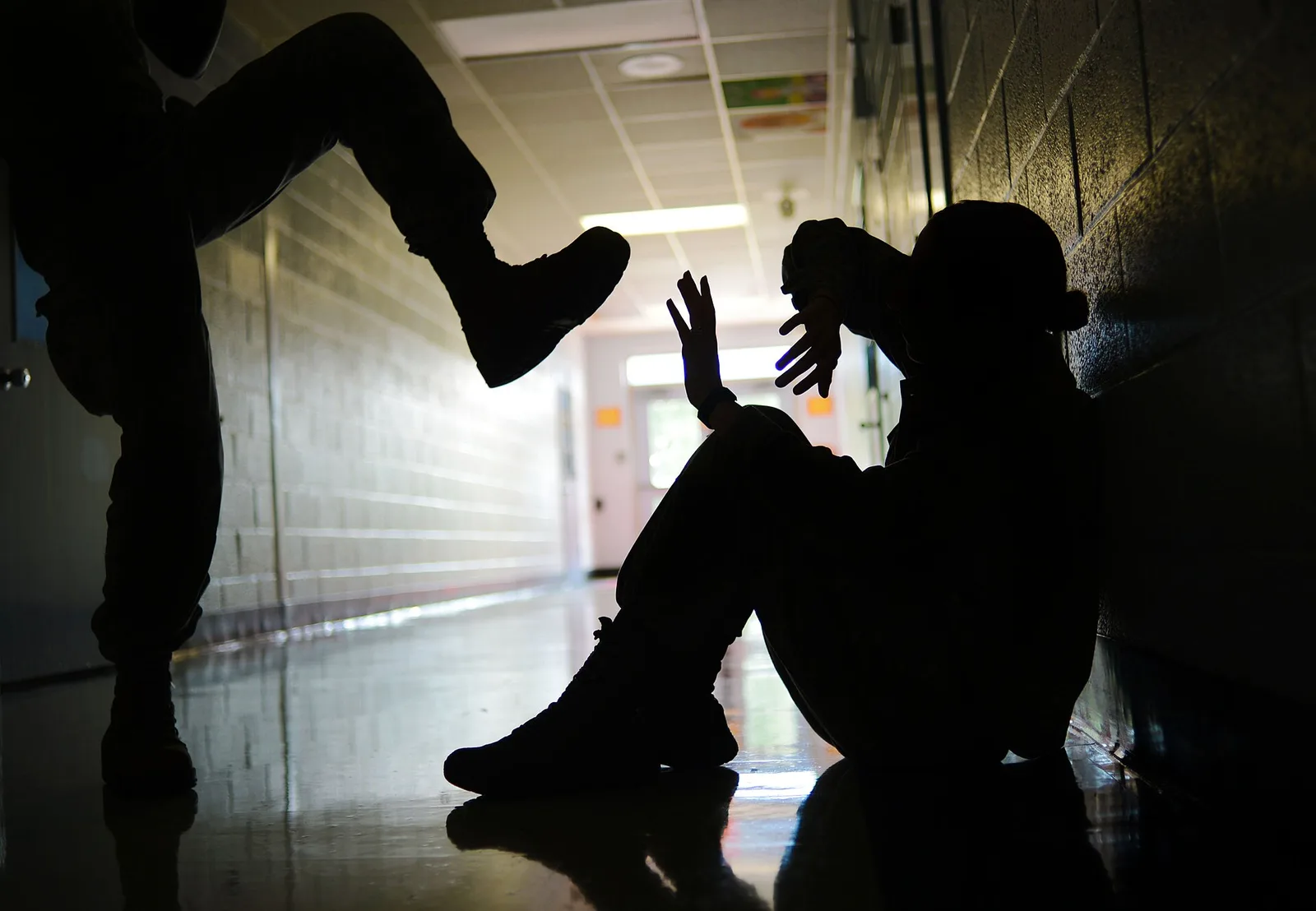
Cyberbullying rarely announces itself; it shows up as a child who suddenly avoids a device, loses sleep, or goes quiet about a game once loved. The first parental job is to keep the reporting channel open: many children stay silent because they fear the response will be confiscating the phone, which punishes the victim. The standard advice holds — do not reply to abuse, save the evidence with screenshots, block the account, report it to the platform, and involve the school when classmates are behind it.
Children should know the machinery of self-defence before they need it. Every major platform has block and report buttons, and practising them together turns an abstract lecture into a skill. In Egypt, the national child helpline 16000, operating under the National Council for Childhood and Motherhood, receives reports concerning children's welfare, and serious online threats can be reported to the competent authorities. A child who knows help exists, and that asking for it brings support rather than blame, is a hard target.
Structure beats surveillance for younger children. Keeping devices in shared family spaces rather than bedrooms, agreeing screen-free zones such as meals and the hour before sleep, and preferring co-viewing — sitting with the child sometimes, commenting, laughing — all normalise the idea that the internet is part of family life rather than an escape from it. As children grow into adolescence, the controls should loosen deliberately while the conversation deepens; the destination is self-regulation, not permanent supervision.
A family media agreement — written together and revised yearly — captures all of this on one page: what is allowed, when, where, and what happens when something goes wrong. The most important clause is the amnesty: if you see something frightening or make a mistake, come to us, and the first response will be help. Raised on that bargain, children treat their parents as their safety net rather than their adversary — and that, more than any filter, is what online safety actually looks like.
相关报道

如何养出一个爱读书的孩子?埃及家庭培养阅读之爱的指南
爱读书的孩子绝非偶然天成。从睡前故事和卡米勒·基拉尼的经典童书,到公共图书馆、学校书架和开罗国际书展,这份实用指南告诉埃及家庭如何在孩子心中播下终生热爱书籍与阿拉伯语阅读的种子。
2026年8月18日 · 5 分钟阅读

从月球上能看到中国长城吗?宇航员早已给出答案
教科书里有个人们津津乐道的说法:中国长城是从月球上唯一可见的人造建筑。但亲身登上太空的宇航员——包括中国首位航天员本人——都给出了否定答案,光学原理也支持他们。至于从太空真正能看到什么——从城市灯火到熠熠生辉的尼罗河三角洲——那是一个更精彩的故事。结论:错误。
2026年8月18日 · 5 分钟阅读

维生素C能预防感冒吗?数十年临床试验的真实结论
数百万人一打喷嚏就把希望寄托在维生素C上。但数十年的对照试验讲述的故事更为微妙:对大多数人而言,它并不能预防感冒;若平时坚持服用,或可略微缩短病程——真正的预防效果只见于马拉松选手、滑雪运动员和承受极端体能消耗的士兵。结论:部分属实。
2026年8月18日 · 5 分钟阅读