跳至正文

七冠登顶:埃及与非洲杯的纪录传奇

从1957年喀土穆的首届赛事,到2006至2010年史无前例的三连冠,埃及用"法老的字迹"书写了非洲国家杯的纪录册:七次夺冠,无人能及。这是一个国家与其大洲最高足球殿堂之间最深厚情缘的故事。
发布于 2026年8月18日·7 分钟阅读
المنتخب المصري لكرة القدم في صورة جماعية تاريخية عام 1974

Whenever the history of the Africa Cup of Nations is told, Egypt's name comes first. The Egyptian national team is the most decorated in the tournament's history with seven titles — a record no one has yet come close to matching — and the Pharaohs have been present in the competition's story from its very first line, playing in the inaugural edition and lifting its first trophy.

It began in Khartoum in 1957, when the first edition was held with only three teams: Egypt, Sudan and Ethiopia. Egypt beat the hosts Sudan in the semi-final, then swept past Ethiopia in the final with four unanswered goals — all scored by one player, Mohamed Diab El-Attar, famous as 'El-Diba'. Egypt entered history as Africa's first champion, and El-Diba as the man who scored every goal of a continental final.

Just two years later, Cairo hosted the second edition in 1959, and the team — then playing as the United Arab Republic — retained the title on home soil, confirming that the first triumph had been no accident of a small field but the beginning of a special relationship between Egypt and the continental cup.

Decades of waiting followed, with uneven campaigns, before the title returned on an unforgettable Cairo night in 1986. Egypt hosted the tournament, reached the final against Cameroon, and claimed a third crown on penalties before stands filled to the last seat — reconciling a new generation of Egyptians with the dream of the African summit.

In Burkina Faso in 1998, the Pharaohs added a fourth title under coach Mahmoud El-Gohary, owner of a story unique in the tournament's annals: he won the cup as a player in 1959 and then as a coach almost four decades later, a rare double that captures the depth of Egypt's bond with the competition.

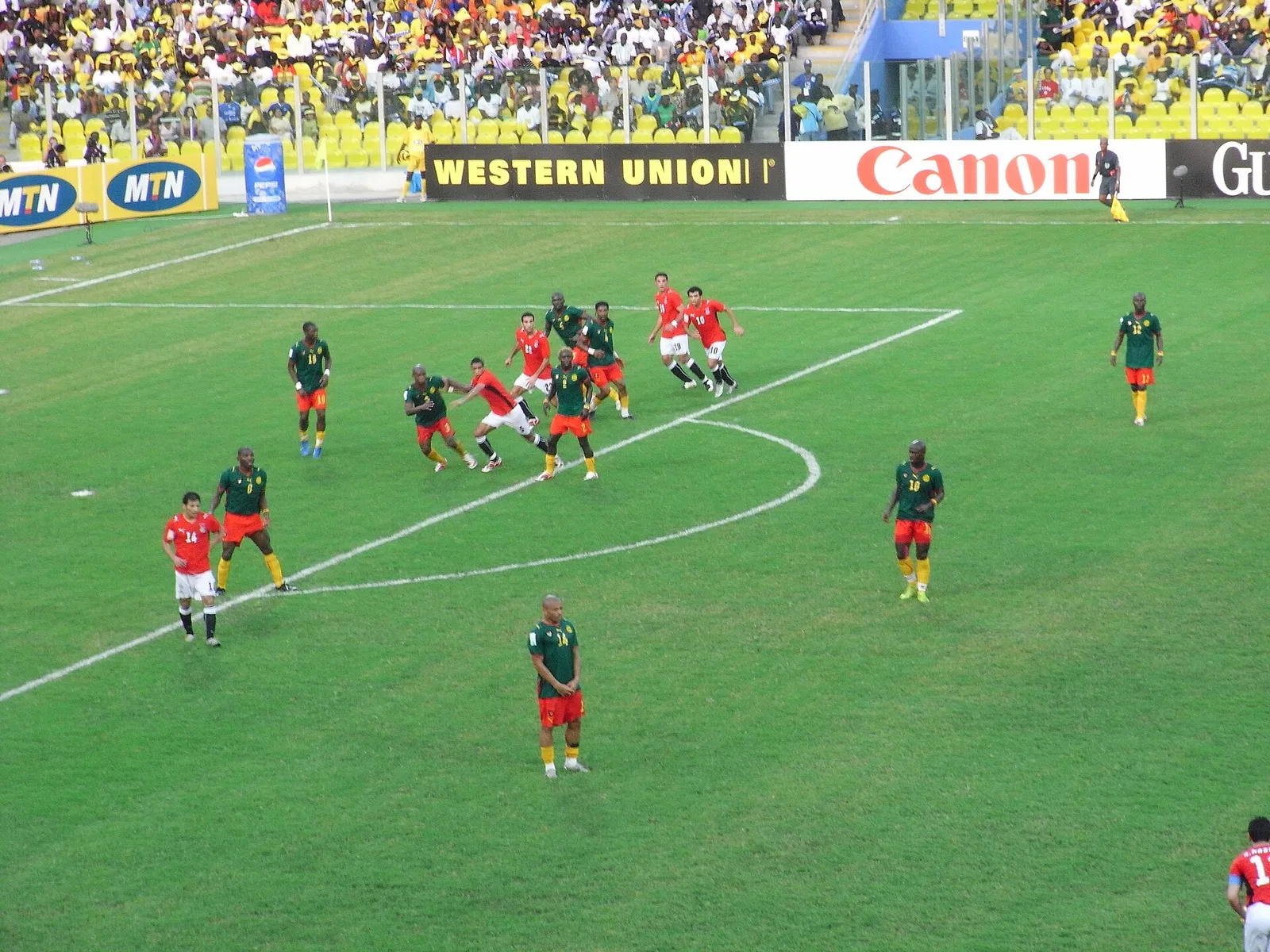
But the most golden chapter was written between 2006 and 2010. Under head coach Hassan Shehata, Egypt achieved what no team in the tournament's history had managed: three consecutive titles. The treble began on home soil in 2006 with victory over Ivory Coast on penalties, continued in Ghana in 2008 with a 1-0 win over Cameroon, and was completed in Angola in 2010 with another single-goal victory, this time over Ghana.

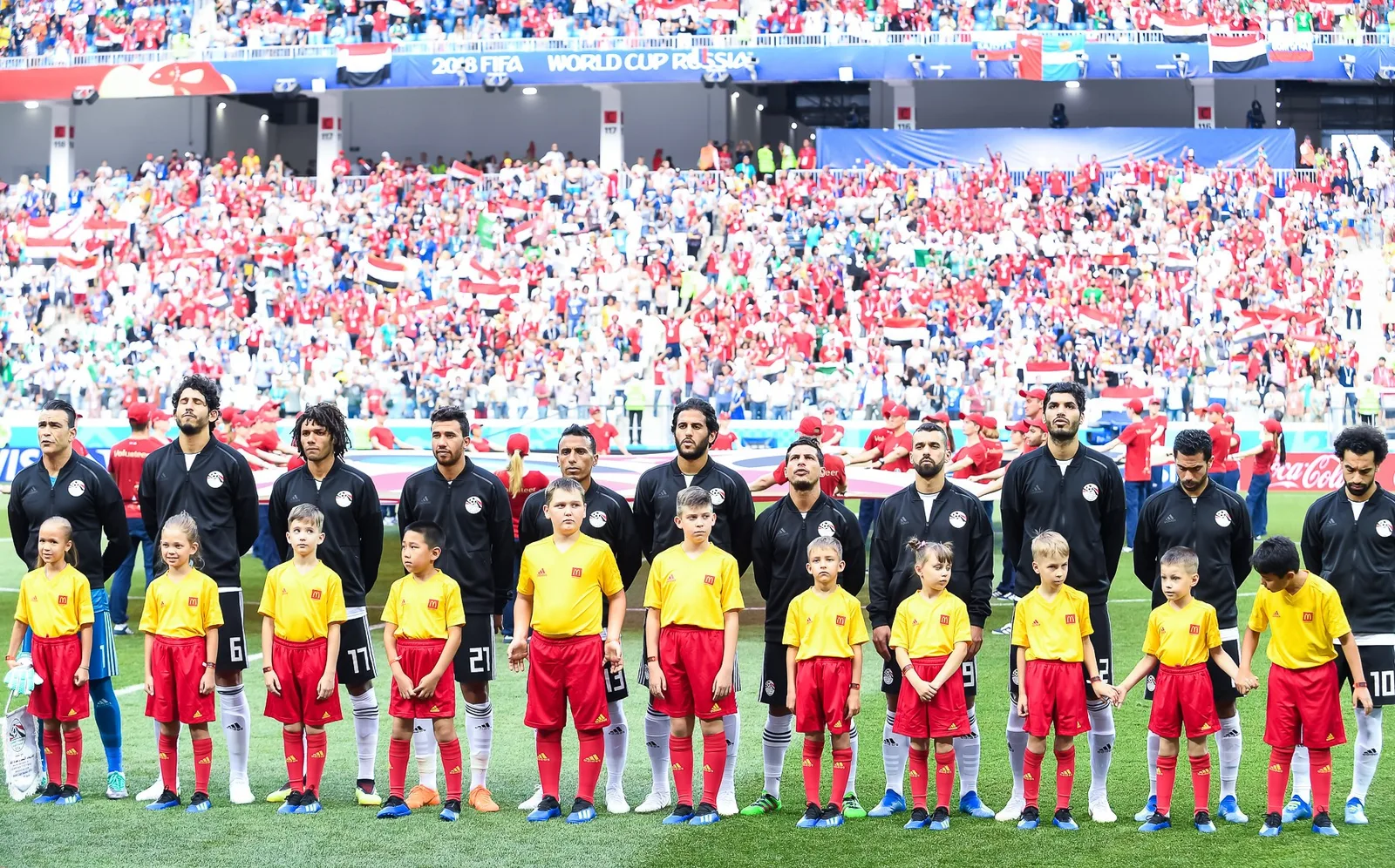
That era was built by an exceptional generation: Mohamed Aboutrika, scorer of the winner in the 2008 final and of decisive goals at the biggest moments; captain Ahmed Hassan, who became one of the most-capped international footballers the game has ever seen; Wael Gomaa, the rock of the defence; and goalkeeper Essam El-Hadary, who lifted the cup four times between 1998 and 2010 and kept playing internationally past forty, setting longevity records that he crowned by appearing at the 2018 World Cup as a goalkeeper in his mid-forties.

After completing the three-peat in 2010, Egypt was honoured for its unprecedented achievement with the right to keep a version of the trophy permanently — a continental tradition reserved for teams that achieve outright domination. The cup now sits in Egyptian football's cabinets as physical witness to an era that will not easily be repeated.

The years since have brought heartbreaks that came close but never quite closed the circle: a runners-up finish in 2017 after a final lost to Cameroon; hosting the expanded 2019 edition on home soil; and the 2021 final, in which the Pharaohs fell on penalties to Senegal in one of the cruellest nights for the generation of Mohamed Salah, who with his teammates still chases the elusive eighth title.

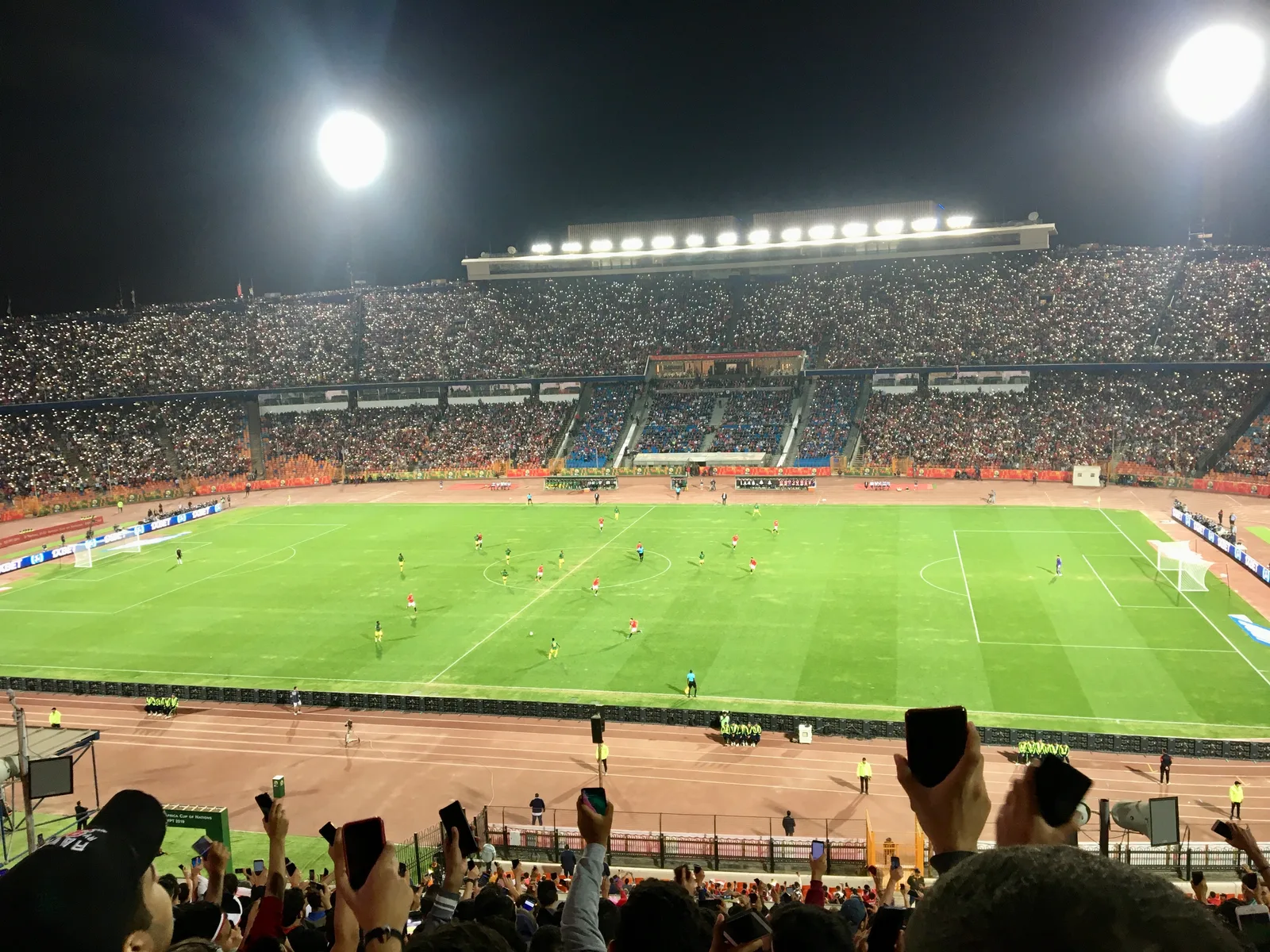
In the Egyptian imagination, the Africa Cup of Nations remains more than a football tournament. It is the occasion when cafés turn into terraces, streets dress themselves in flags, and Egyptians of every persuasion gather around a single screen. Seven titles tell the story of a century of Egyptian football, from El-Diba's four goals in Khartoum to the Salah generation — and the record stands as the benchmark against which every team on the continent is measured, with the dream of an eighth title postponed, never abandoned.

相关报道