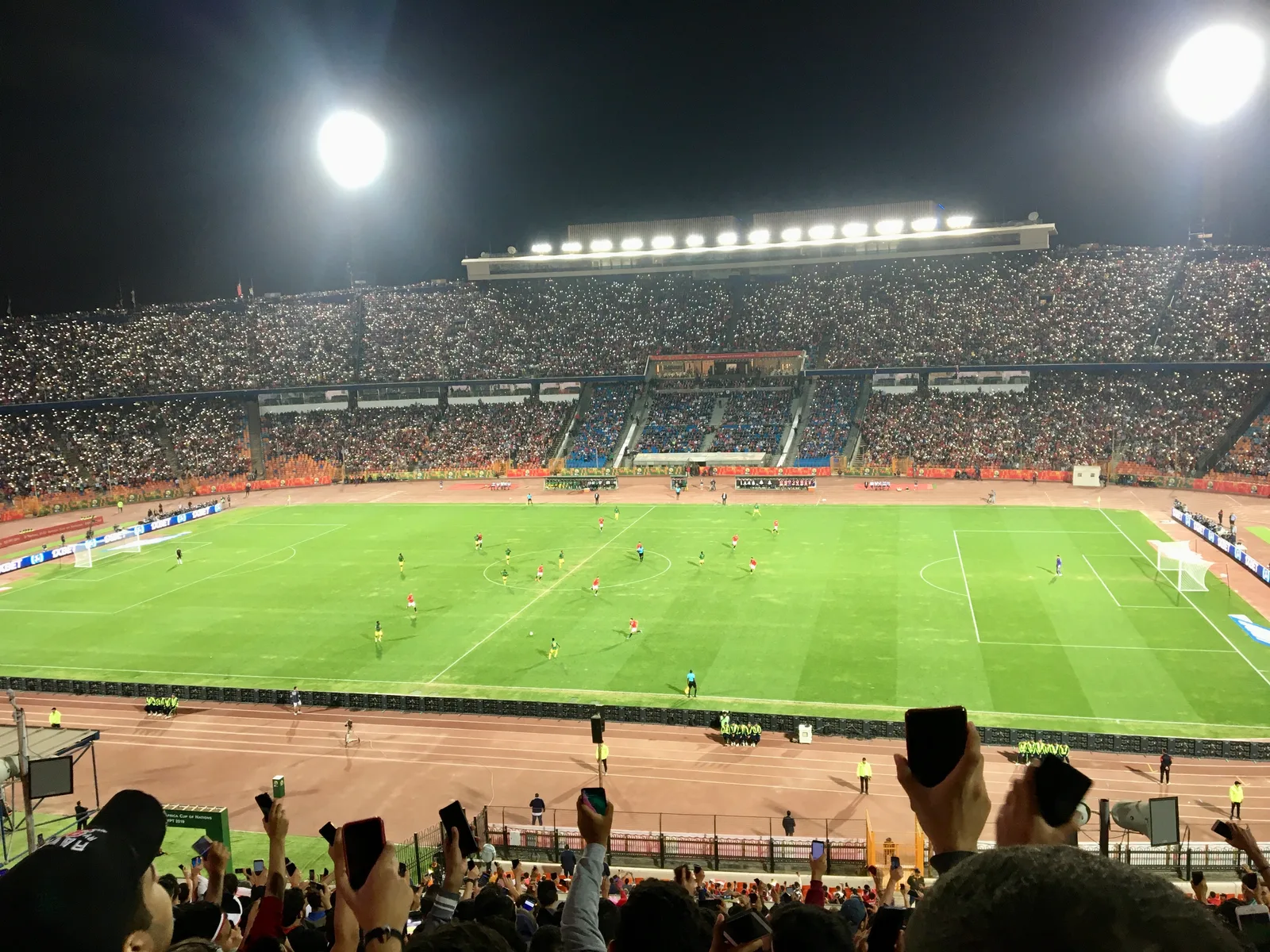
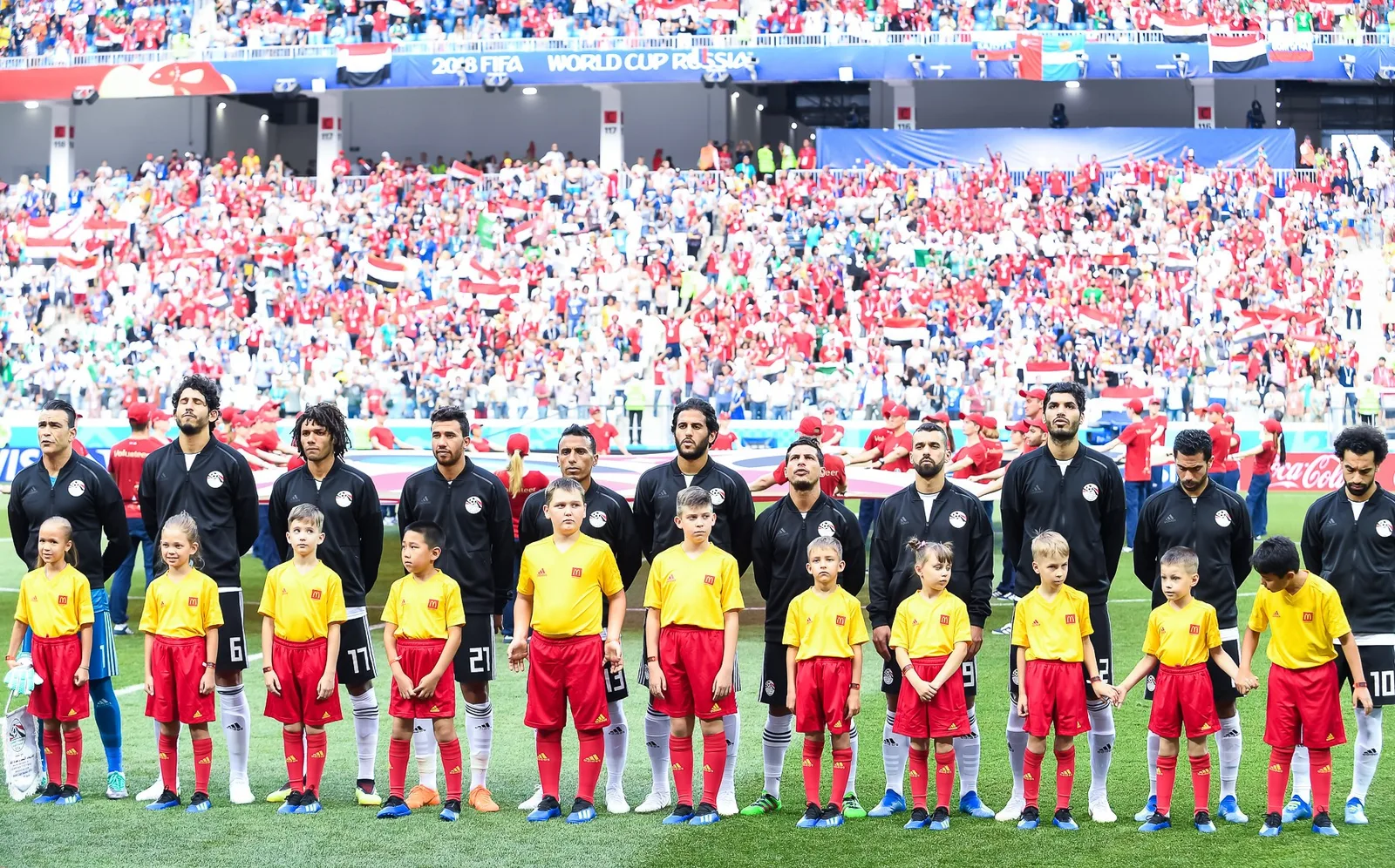
手球法老军团:埃及如何跻身世界强队之列
手球是一项地道的欧洲运动——埃及却是例外。两度承办世锦赛、坐拥累累非洲冠军头衔、青年队问鼎世界冠军、国家队在东京奥运会名列第四:法老军团如何打造出一条从校园到俱乐部的人才输送链,让自己稳居世界一流之列。
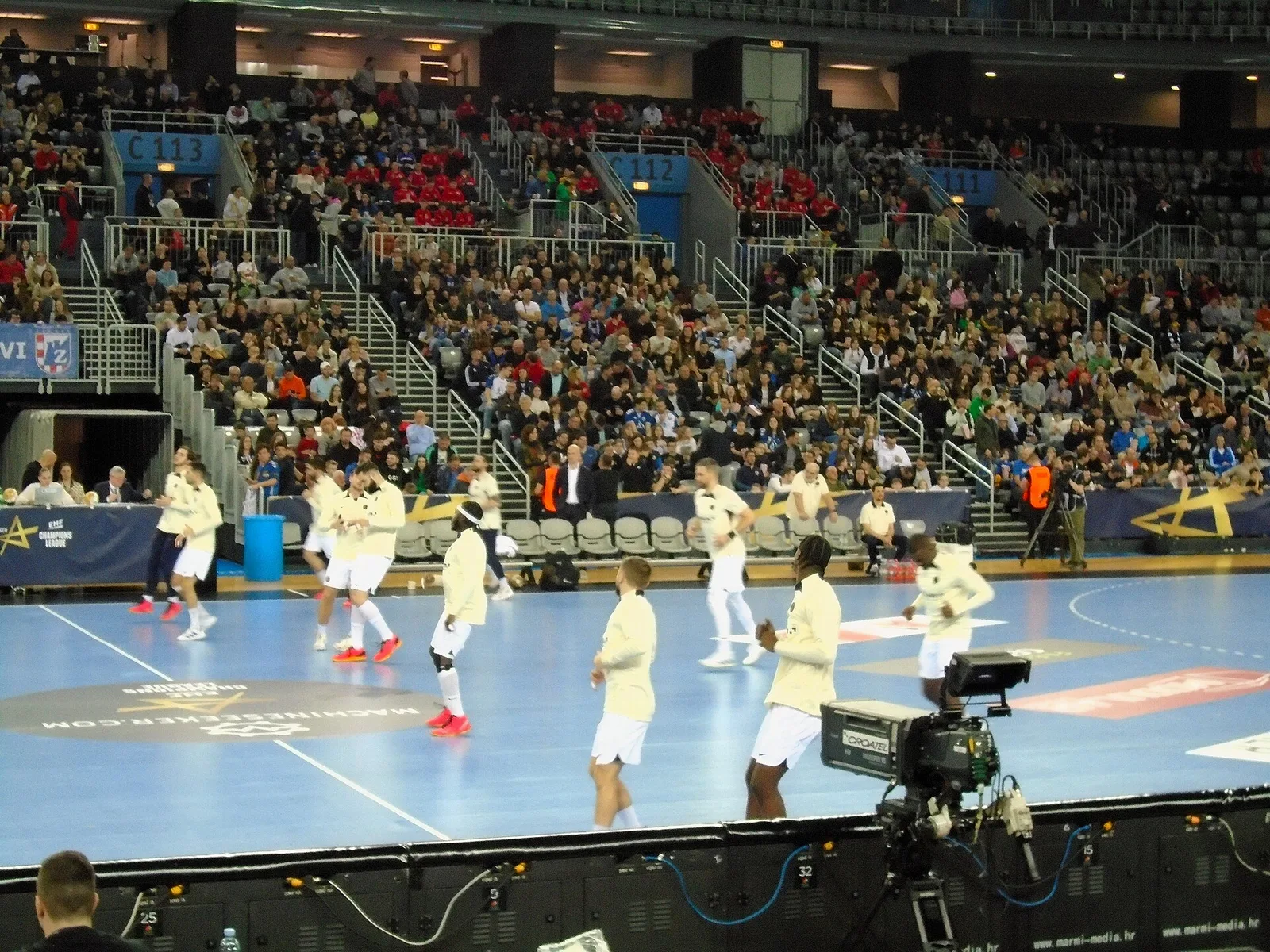
Handball's elite is a European club: its professional leagues, its Champions League and most of its world titles belong to the continent that invented the modern game. For decades the great exception has been Egypt. The Pharaohs reach the knockout rounds of world championships with regularity, have twice hosted the tournament, hold a stack of continental titles, and at the Tokyo Olympics went within a single match of the podium. No other nation outside Europe combines that record — and it rests on a system that starts, quite literally, in the schoolyard.
The game took root in Egypt in the middle of the twentieth century, spreading through schools, universities and sporting clubs before a national federation organized its competitions. Egypt became the sport's African pioneer: an early and constant force in continental championships and, from the 1990s onward, a regular guest at world championships and Olympic tournaments. While other football-mad countries treated handball as an afterthought, Egyptian clubs gave it courts, coaches and a place of honour beside the more famous games — a decision that has paid off for half a century.
On the African stage, Egypt's rivalry with Tunisia has defined the sport. The two nations have traded the African Men's Handball Championship between them for decades, and Egypt stands among the most decorated teams in the tournament's history, adding several titles in recent editions. That continental dominance matters beyond trophies: the African champion books its ticket to the Olympic Games, and steady qualification has kept Egyptian handball funded, visible on television, and attractive to each new generation of young athletes choosing a sport.
In 1999, Egypt brought the World Men's Handball Championship to African soil for the first time. Cairo's tournament was a statement: the sport's showcase event could thrive outside its European heartland, and the host team could compete in it seriously. For Egyptian handball the championship was a rite of passage — proof to its own public that the national team belonged in the sport's top tier, and proof to the international federation that Egypt could organize the game's biggest stage.
Twenty-two years later Egypt did it again, on a far bigger scale. The 2021 world championship in Egypt was the first with 32 teams, staged in new arenas and under strict pandemic protocols. On the court, the hosts produced one of the tournament's great dramas: a quarter-final against Denmark, the eventual champions, that survived regular time and extra time before slipping away in a penalty shootout. Defeat left a sting, but the performance announced that this Egyptian generation could stand toe to toe with the very best in the world.
That summer confirmed it. At the Tokyo Olympics, Egypt beat Germany in the quarter-finals to reach an Olympic semi-final for the first time, pushed France hard, and then lost the bronze-medal match to Spain by the narrowest of margins. Fourth place was agonizing and historic at once: the best Olympic finish by an African handball team. The squad returned home without a medal but with something almost as valuable — the conviction, shared across the sport's establishment, that Egypt now belonged permanently to handball's elite.
None of this came from nowhere. In 2019 Egypt's under-19 team won the youth world championship — a title European academies regard as their private property — and Egyptian junior sides have repeatedly gone deep into world tournaments. Those results are the visible tip of a production line: by the time an Egyptian player turns twenty he may have played more organized, competitive handball than many of his European peers, and he has usually done it within a single club structure that has known him since childhood.
The pipeline starts in school sport, where handball has long been a staple of physical education and inter-school leagues, and where club scouts watch children as young as nine or ten. The big Cairo and Alexandria clubs — Al Ahly, Zamalek, Sporting and their peers — run age-group teams in every category, with qualified coaches, year-round competition and a clear ladder from mini-handball to the first team. A talented twelve-year-old knows exactly what his path looks like, because hundreds have walked it before him.
Those clubs are powers in their own right. Al Ahly and Zamalek have won African club championships repeatedly and have taken podium finishes at the IHF Super Globe, the world club tournament, against Europe's giants. Their derby fills halls and television screens, giving domestic handball a spectacle most non-European countries cannot offer. For players, a strong home league means real matches every week; for the national team, it means a coach can build on partnerships that have been rehearsed together all season long.
The system produces personalities as well as results. Ahmed El-Ahmar, who captained club and country deep into his forties, became a symbol of Egyptian handball's professionalism and longevity. Around and after him, a generation of internationals has moved into Europe's strongest leagues, testing themselves weekly against the world's best and returning to the national team sharper for it. The export of players, once counted as a loss, is now part of the plan: experience earned abroad flows straight back into the squad.
What remains is the last step. Egypt has hosted the world, beaten the best in single matches and stockpiled youth titles; a senior world or Olympic medal is the missing line in the ledger. The infrastructure argument has been settled by the arenas built for 2021, and the talent argument by two decades of junior finals. Handball people in Cairo speak of the podium not as a dream but as a deadline — and given the pipeline running behind the Pharaohs, few in the sport are willing to bet against them.
相关报道
从诺赛尔到埃尔根迪:埃及奥运与残奥的百年奖牌路
从1928年赛义德·诺赛尔的举重金牌,到艾哈迈德·埃尔根迪在巴黎打破纪录的夺冠,从法特玛·奥马尔到残奥举重赛台上的谢里夫·奥斯曼:埃及人在奥运会和残奥会上走过整整一个世纪的奖牌之路,其中大多凭纯粹的力量赢得。
2026年8月18日 · 7 分钟阅读

从月球上能看到中国长城吗?宇航员早已给出答案
教科书里有个人们津津乐道的说法:中国长城是从月球上唯一可见的人造建筑。但亲身登上太空的宇航员——包括中国首位航天员本人——都给出了否定答案,光学原理也支持他们。至于从太空真正能看到什么——从城市灯火到熠熠生辉的尼罗河三角洲——那是一个更精彩的故事。结论:错误。
2026年8月18日 · 5 分钟阅读

维生素C能预防感冒吗?数十年临床试验的真实结论
数百万人一打喷嚏就把希望寄托在维生素C上。但数十年的对照试验讲述的故事更为微妙:对大多数人而言,它并不能预防感冒;若平时坚持服用,或可略微缩短病程——真正的预防效果只见于马拉松选手、滑雪运动员和承受极端体能消耗的士兵。结论:部分属实。
2026年8月18日 · 5 分钟阅读