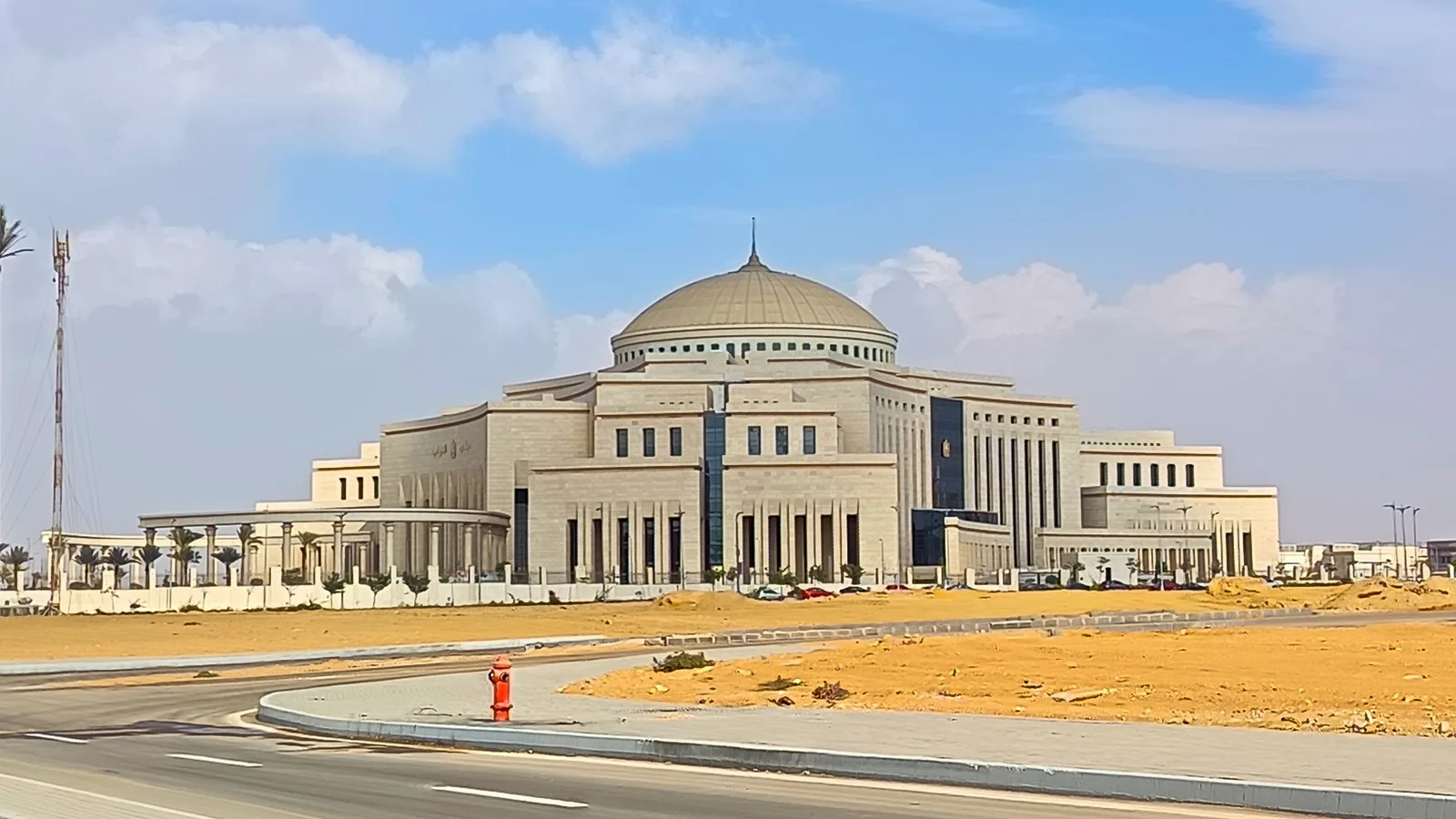
从1866年谘议会到今日参议院:埃及第二院的百年沉浮
一个半多世纪前,赫迪夫伊斯梅尔创立了近代埃及第一个代议机构。从1923年宪法下的参议院,到萨达特时代的协商会议,再到如今恢复的参议院,本文追溯第二院在埃及宪政史上的历程——历经三个不同时代的创立、废除与重生。
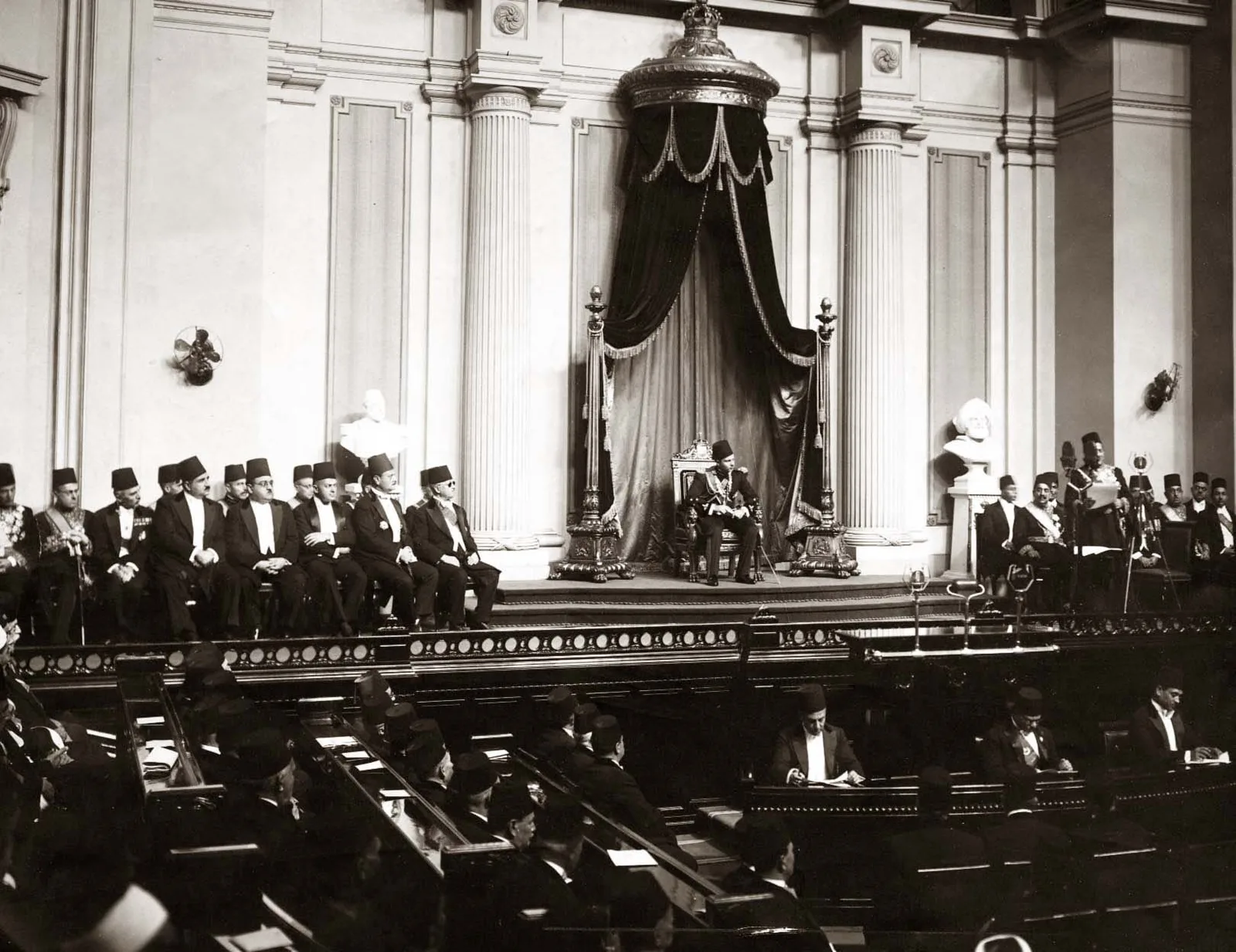
When Egyptians speak of their parliamentary experience, they are speaking of one of the oldest such traditions outside Europe and the Americas. More than a century and a half ago — in 1866, to be precise — Khedive Ismail established the Consultative Council of Deputies, the first representative body in modern Egyptian history, opening a long and turbulent story in which the second chamber has written some striking chapters.
The 1866 council comprised seventy-five members chosen through local notables and village headmen, and its remit was narrowly advisory. Yet it planted the seed of the idea that the country had a voice to be heard in its own affairs. As financial crisis deepened and foreign intervention grew, the council became a platform for bold national demands, a tide that crested with the Urabi movement and its call for a government answerable to the deputies.
After the British occupation of 1882, parliamentary life was constrained for decades. The country made do with bodies of limited powers, the last of them the Legislative Assembly formed shortly before the First World War and suspended at its outbreak, while the demand for a full constitution and parliament stayed alive in the national movement until the revolution of 1919 erupted.
The 1923 constitution, fruit of that revolution, established Egypt's first complete bicameral parliament: a fully elected Chamber of Deputies and a Senate that combined elected members with others appointed by the king, requiring of its members a higher age and public standing or a property qualification — the pattern common among upper chambers around the world at the time.
Throughout the liberal era from 1923 to 1952, the Senate hosted some of the country's most eminent figures of thought and politics, and was a stage for the tug-of-war of the famous triangle: the Wafd with its popular majority, the royal palace, and the British occupation authority. Parliaments were frequently dissolved and constitutions suspended, yet parliamentary life persisted as an entrenched tradition of the Egyptian state.
The July revolution of 1952 ended the old order entirely: the 1923 constitution was abolished and the existing parties dissolved. When parliamentary life returned under the 1956 constitution, it returned with a single chamber, the National Assembly, and unicameralism prevailed throughout the Nasser era and immediately beyond.
The constitutional amendments of 1980, under President Anwar Sadat, revived the idea of a second chamber through the Shura Council — two thirds of its members elected and one third appointed, with advisory competences on major questions, alongside a role in overseeing the national press institutions through the Supreme Press Council.
For roughly three decades the Shura Council lived under a permanent question mark about its usefulness — until its exceptional moment after the January 2011 revolution. Under the 2012 constitution, and following the dissolution of the lower house, full legislative power passed to it for a transitional period, making it a genuine legislature for the first time in its history, before it was dissolved in 2013 and then abolished outright by the 2014 constitution, returning Egypt to a single chamber.
The absence did not last long this time. The constitutional amendments approved by referendum in 2019 restored the second chamber under its old monarchical-era name, the Senate, with first elections held in 2020: three hundred members, a third of them appointed, and advisory competences covering constitutional amendments, the general development plan, treaties and draft laws referred to it.
Comparing the three incarnations — the Senate of 1923, the Shura Council of 1980 and the Senate of 2020 — reveals a clear connecting thread: a chamber intended for deliberation and expertise, always blending election with appointment, with the final legislative word resting with the fully elected lower house, even as the political context of each era differed profoundly.
The debate over bicameralism is a global one, not Egypt's alone. Its advocates see a valve for review and scrutiny, and representation for expertise and interests that general elections do not necessarily produce; its critics see slower lawmaking and added cost. In the Egyptian experience, the verdict ultimately depends on what the chamber actually delivers in studies and opinions that leave a mark on final texts.
And so, when today's senators take their seats, they continue — in name and in idea alike — a story that began more than one hundred and fifty years ago with the Consultative Council of Deputies, passed through the 1923 constitution and Sadat's Shura Council, and keeps the second chamber standing as a witness to the winding course of Egypt's constitutional journey since the nineteenth century.
相关报道

埃及议会中的女性:配额制的兴衰与回归
从1957年拉维娅·阿提亚载入史册的议席,到宪法保障众议院四分之一议席:女性配额制有据可查的兴起、废止与回归,七十年来塑造着埃及议会中的女性代表格局。
2026年8月18日 · 6 分钟阅读
从投诉到立法:公民诉求在埃及议会中的旅程
从一纸书面投诉,到提案与投诉委员会,再到问询请求和议会质询,有时最终催生一部新法律:本文逐步解读公民诉求在埃及议会内部走过的有章可循的路径。
2026年8月18日 · 5 分钟阅读

从月球上能看到中国长城吗?宇航员早已给出答案
教科书里有个人们津津乐道的说法:中国长城是从月球上唯一可见的人造建筑。但亲身登上太空的宇航员——包括中国首位航天员本人——都给出了否定答案,光学原理也支持他们。至于从太空真正能看到什么——从城市灯火到熠熠生辉的尼罗河三角洲——那是一个更精彩的故事。结论:错误。
2026年8月18日 · 5 分钟阅读