"这样不对":车窗抛物一个塑料袋,最高可罚10万埃镑
"这样不对"系列首期:在环城公路上从车窗抛出一个垃圾袋,不仅危及后方车辆安全、有辱环卫工人的劳动,更是埃及《废弃物管理法》明令处罚的违法行为,罚款最高可达10万埃镑。

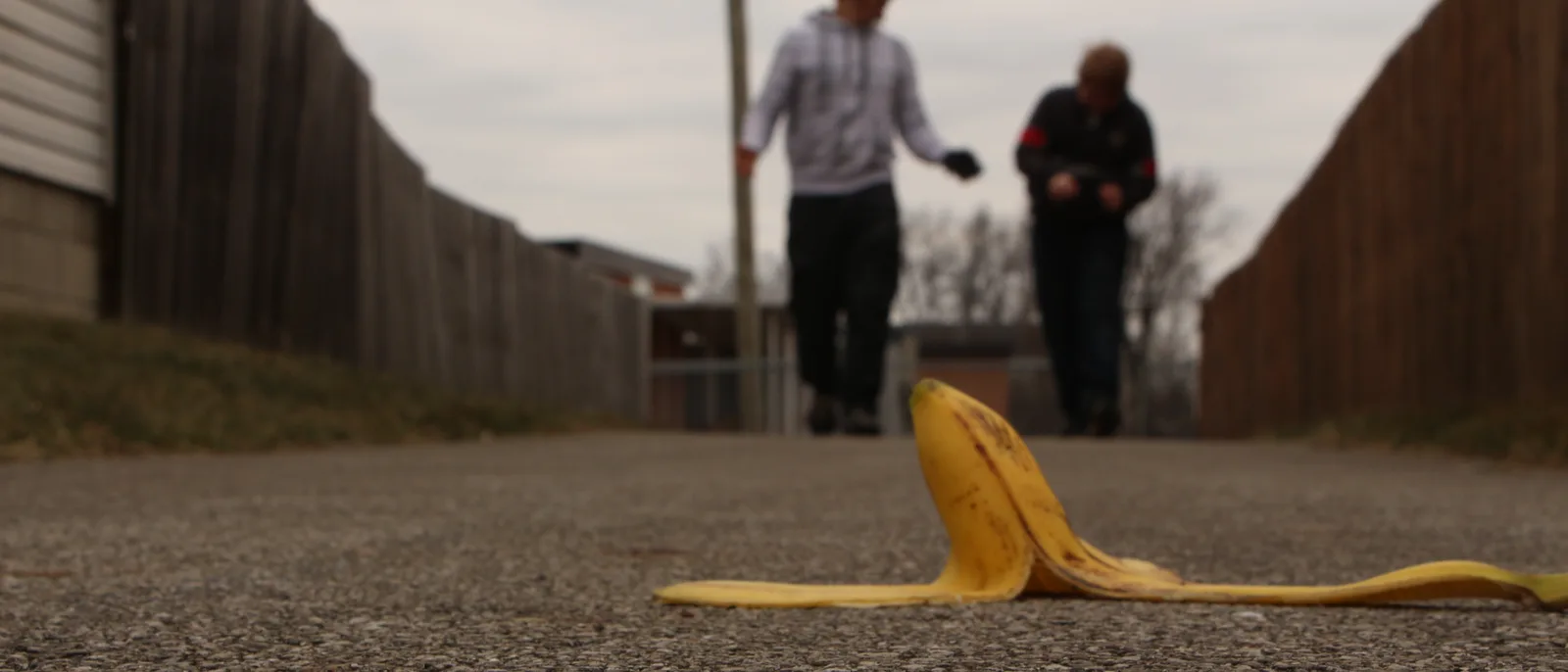
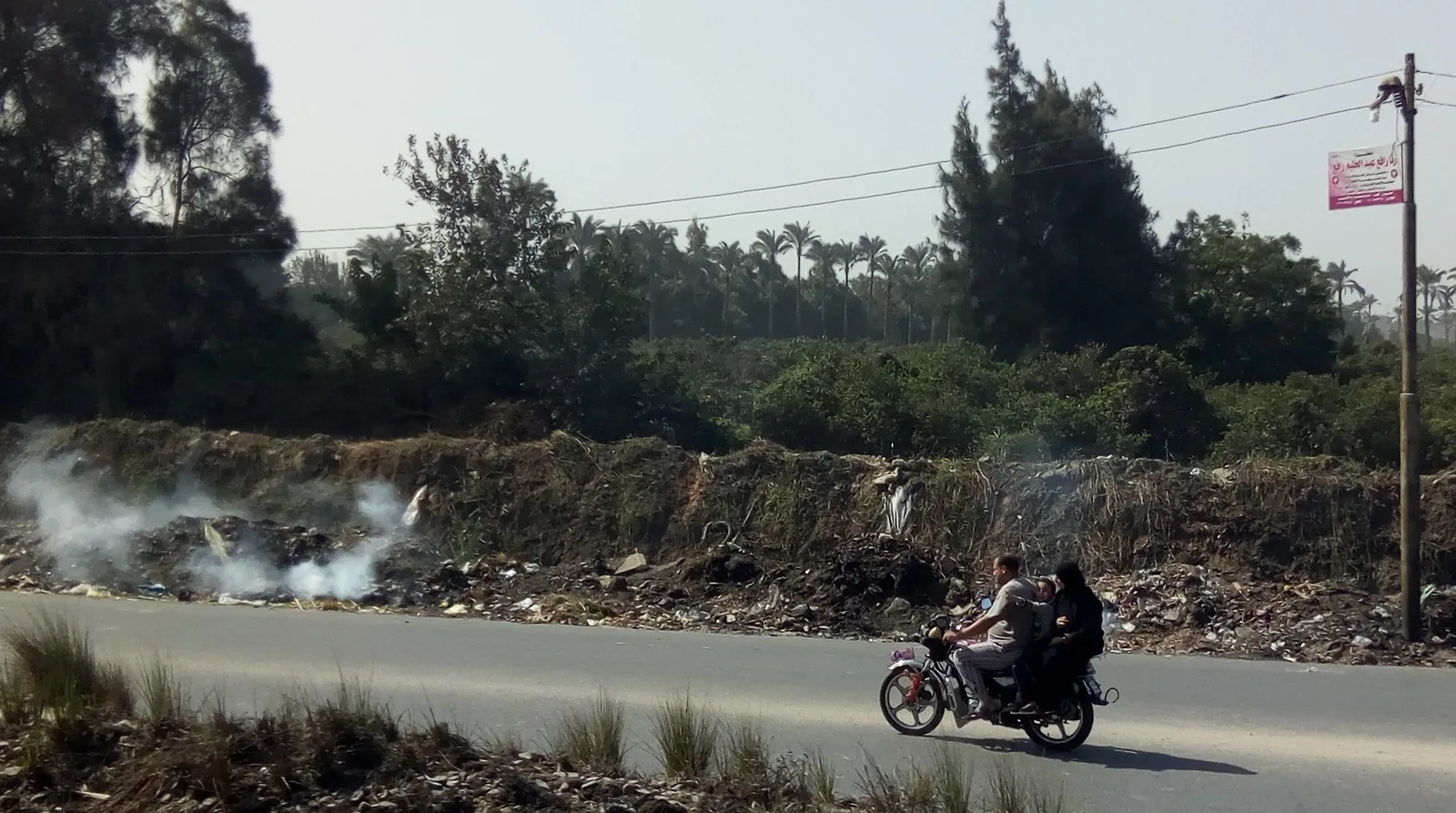
Rush hour on Cairo's Ring Road. The window of a gleaming sedan slides down a few inches, a hand emerges, and a bulging white bag sails onto the asphalt. It bursts on impact, scattering cans and food scraps across the lane, and a motorcyclist swerves hard to miss them. The scene repeats itself on Egypt's roads every single day — so often it has almost stopped registering as shocking.
That scene opens 'That's Just Wrong,' a new series with one governing rule: we name the mistake, never the person. This is about behavior, not individuals. The hand that threw the bag could belong to a doctor, a clerk, or a student; the car could be a luxury model or a battered pickup. The wrong is the same, and so is the harm.
It is tempting to file this under 'minor sins.' In truth, it is three offenses committed in a single motion. The flying bag can smack into a windshield or force a fatal swerve. A sanitation worker will later have to step across speeding lanes to collect what scattered. And a country's image is formed in its visitors' eyes by the state of its roads before anything else.
Call it what it is: a moral offense, complete in every element — an assault on the safety of strangers, contempt for a man earning a hard living, and disdain for a shared space that belongs to everyone. What makes it worse is how casually it is committed, usually without a flicker of guilt.
Egyptian law does not treat it as minor. The Waste Management Regulation Law No. 202 of 2020, in force since October 2020, prohibits in Article 38 the dumping, sorting, or processing of municipal waste anywhere except designated sites.
The penalty comes in Article 71 of the same law: a fine of no less than EGP 10,000 and up to EGP 100,000 for anyone who throws or disposes of non-hazardous waste outside designated locations. Repeat offenders face imprisonment plus the fine, and courts must order the confiscation of vehicles and equipment used in the violation.
The government had also written a dedicated driver's penalty into its draft traffic law amendments: a fine of EGP 5,000 to 15,000 for any motorist who fouls the road by throwing litter, doubling on repeat offenses and escalating to a one-year license suspension. But the government withdrew that draft in February 2026 to redraft it as a comprehensive law, as announced in parliament's plenary session — leaving the waste law as the operative framework today.
Between the text of the law and the reality of the road lies a gap familiar to anyone who drives in Egypt: the violation takes seconds, while catching it requires an officer on the spot or a camera. Fines alone, however steep, will not close that gap without consistent enforcement — and a public culture that sees the act as shameful before it sees it as illegal.
Behavioral research backs that up. A landmark study published in the journal Science in 2008, by researchers at the University of Groningen in the Netherlands, found that disorder breeds disorder: when passersby saw a wall covered in graffiti where graffiti was clearly banned, the share of people who dropped a flyer on the ground roughly doubled. Visible litter is a silent message that 'everyone does it.'
The inverse is equally true: a clean street defends itself, and example teaches better than any sign. A driver who holds on to his trash until the next bin sends his children — and everyone watching — a message stronger than a thousand warnings.
Singapore chose deterrence paired with corrective humility. Under its Environmental Public Health Act, a first littering conviction can draw a fine of up to S$2,000, rising to S$4,000 and then S$10,000 for repeat convictions — plus the famous Corrective Work Order, which puts offenders to work cleaning public spaces with their own hands. Singapore's National Environment Agency has publicized real cases in which repeat offenders received both a fine and twelve hours of public cleanup duty.
Japan took the opposite road: upbringing before punishment. Schoolchildren spend roughly fifteen minutes a day cleaning their own classrooms and corridors, because cleanliness is treated as part of education itself. Public trash bins are famously scarce, yet the streets stay clean — people simply carry their waste home. And at the 2022 World Cup in Qatar, the world watched Japanese fans tidy the stadium stands after their team's victory over Germany.
Voice of the Citizen will not stop at description. We invite our readers to document this phenomenon with their cameras — without endangering themselves or shaming individuals — through the 'Citizen's Lens' service in the 'Your Voice' form on our platform, so that together we build a documented file to place before the responsible authorities. And before all of that, change starts with one simple decision: a small trash bag kept inside your car, and a window that opens only for the breeze.
相关报道

女性割礼:法律定罪、宗教与医学共同否定的罪行——不是值得延续的习俗
女性割礼至今仍打着“习俗”与“合乎教义”的旗号在沉默中延续,尽管埃及法律对其课以重刑,尽管爱资哈尔和埃及宗教裁决机构已明确宣布它在宗教上毫无依据,尽管医学界一致认定它有百害而无一利。这篇文章不是在指控家庭,而是在呼吁保护家庭:保护我们的女儿,从父母口中一句清晰的“不”开始。
2026年8月18日 · 7 分钟阅读

“这是我的地盘”:流氓看车人,当强收的保护费披上“服务”的外衣
他站在一条没有他一寸产权的街上,却像分派自家庄园一样分配车位,收费全凭心情;谁敢不服,车门上就多一道尖利的钥匙划痕,或者当着家人的面挨一句羞辱。靠恐吓强行上岗的无证看车人,不是服务提供者,而是收买路钱的勒索者。这样不对:街道是公共财产,法律也早已规范了这个行当——披着行当外衣的流氓行径,没有任何借口。
2026年8月18日 · 5 分钟阅读

人行道属于公民:把行人推向夺命车流的占道小亭
一位母亲推着婴儿车在车流中穿行,一位老人摸索着从小巴旁边挪过——因为为他们修建的人行道,已经被小卖亭、饮料冰柜和摆出来的货物吞掉了。占据人行道的亭子,哪怕有执照,也是在侵吞一条为行人而建的通道,把人推进车流。这样不对:人行道不是可以出租的地产,而是每个公民的安全动脉。
2026年8月18日 · 5 分钟阅读