“这样不对”:一个把错误直呼其名的栏目
在这个栏目里,我们不奉承,也不沉默。那些已经固化为陋习陈规的行为,我们要一一点名,大声说出:这样不对。因为它们在触犯法律之前,首先是对同胞的道德罪行——是侮辱,是挑衅,是伤害。这是本栏目的创刊宣言,也是我们对读者的承诺。
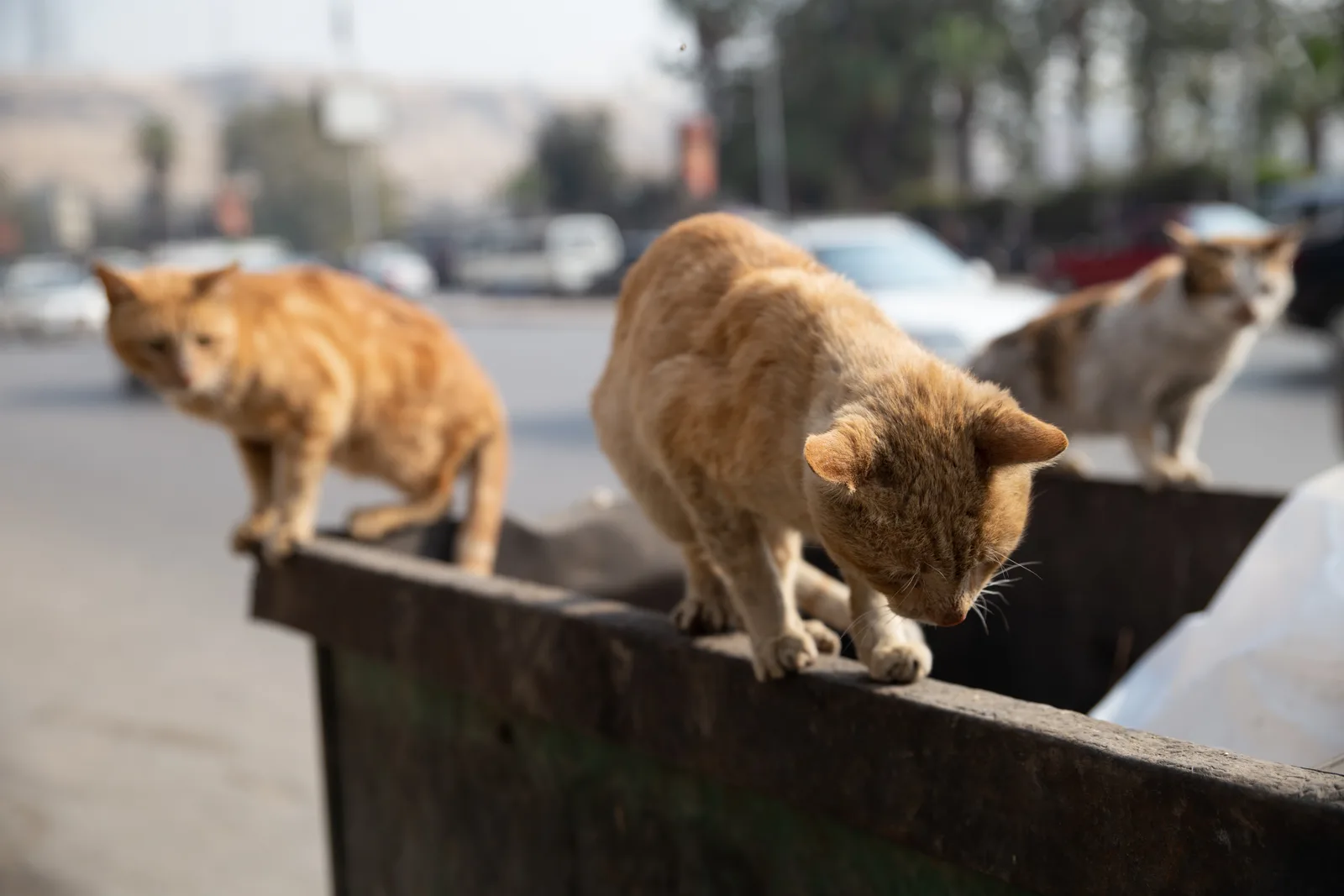
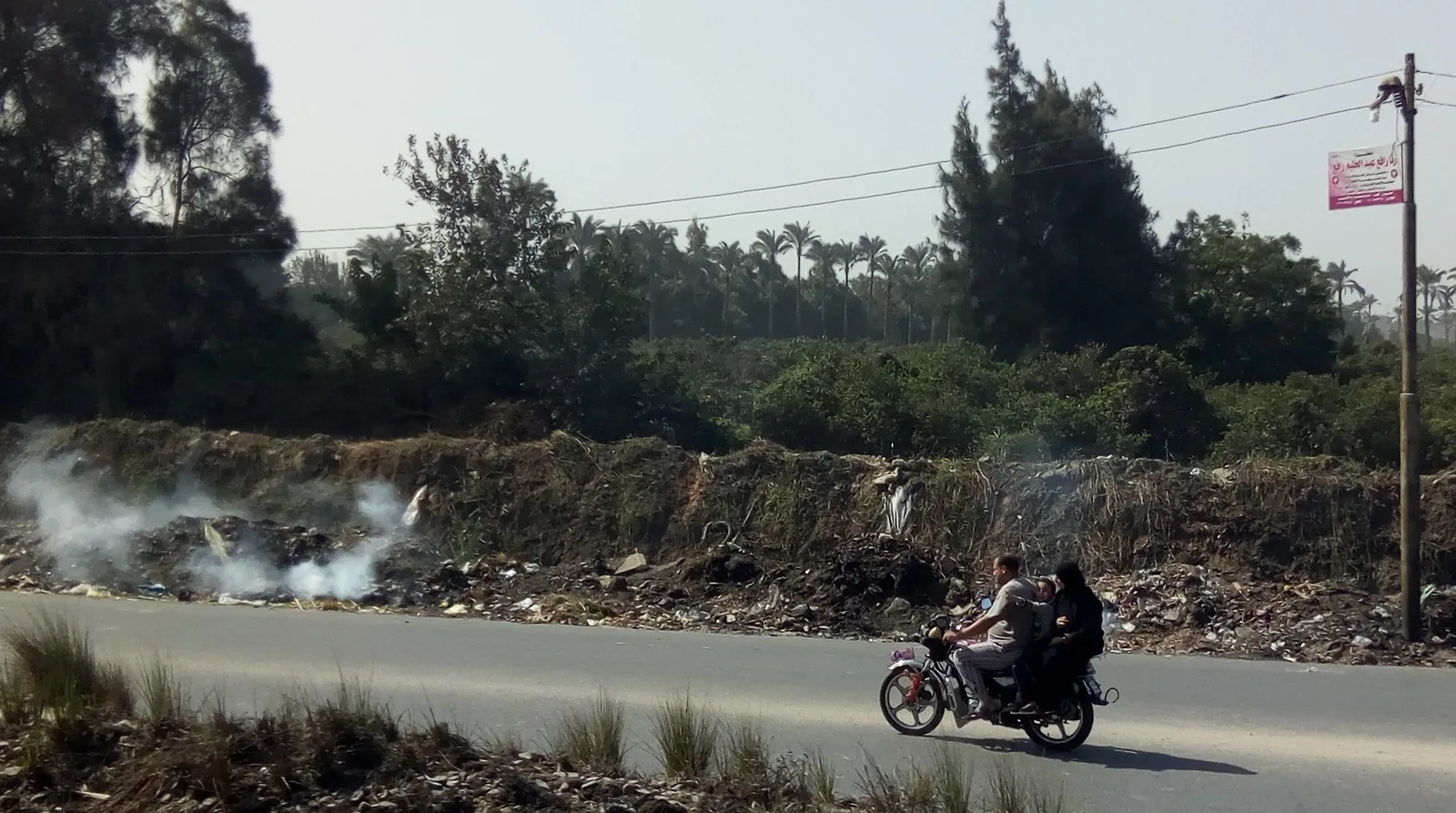
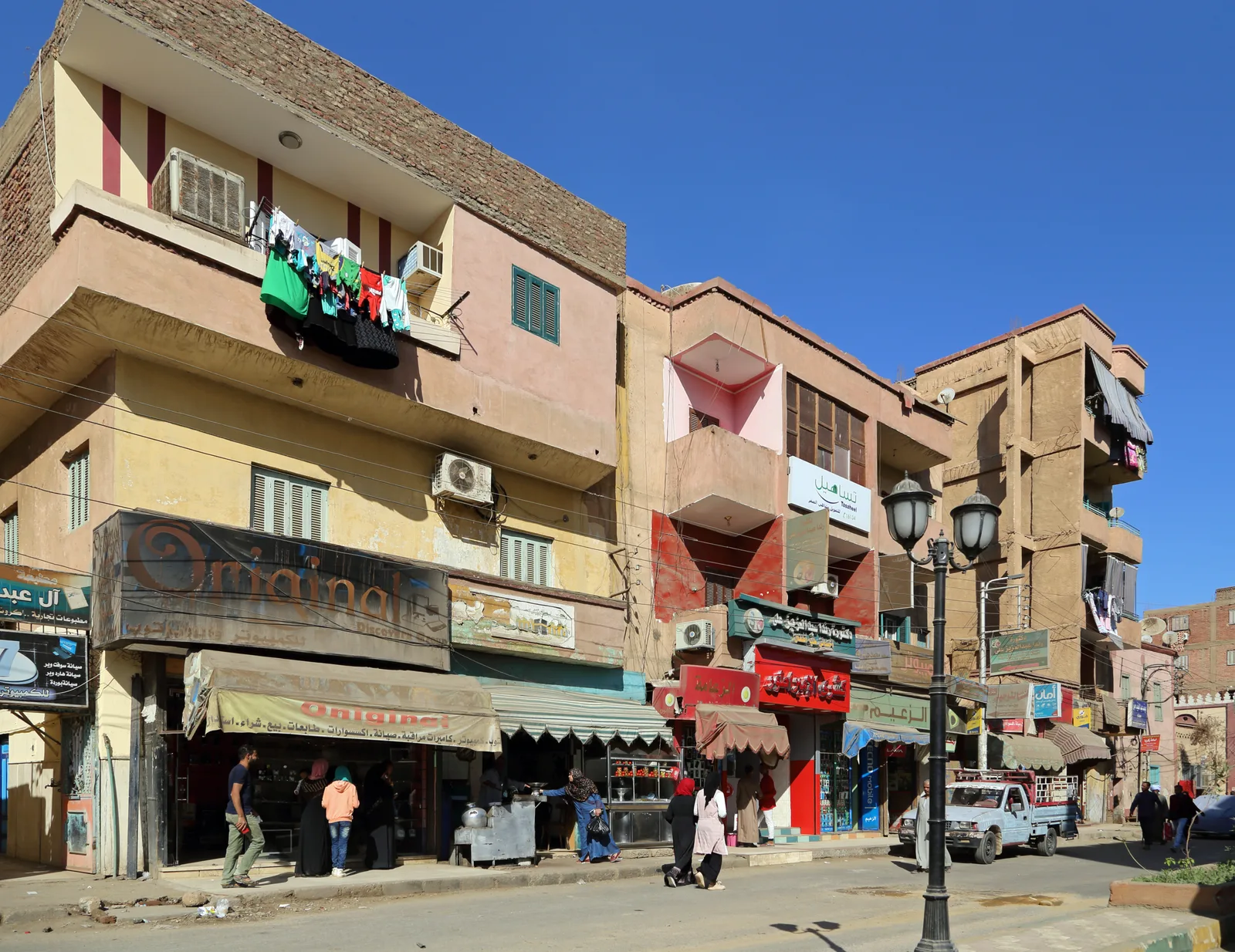
Every Egyptian morning brings scenes so familiar we have almost stopped seeing them: a bag of rubbish flying out of a speeding car's window, a cloud of smoke in a closed office inhaled by people who never lit a cigarette, a sidewalk swallowed by a kiosk so that pedestrians step down into the roadway between the cars. We have learned to shake our heads and move on. This desk was created to stop in front of these scenes and say, out loud: this is wrong.
The doctrine of this desk is simple and clear. Some of these behaviours are punishable offences under the law; others may not be covered by any legal text at all. But what concerns us first and foremost is that they are moral crimes against fellow citizens — acts of insult, provocation and harm to people's feelings, health, safety and dignity. The moral indictment comes first; the criminal one follows wherever a real law exists.
Why name them out loud? Because silence is what turned the mistake into a habit, the habit into a custom, and the custom into a daily scene that no longer provokes anyone. When bad behaviour passes without comment, everyone learns that it is acceptable. We believe the first step towards making these habits disappear from the Egyptian scene is to say them in public — and for the person doing them to know that people see him and judge him.
Take the person who throws litter from his car window — even a luxury car. He leaves a trap behind him on the asphalt. Imagine a student walking to school along the edge of the road, slipping on what was thrown, possibly paying with his life for someone else's seconds of laziness in not waiting for a rubbish bin. And even when nothing at all comes of the act, it remains unethical, uncivilised and provocative.
Take the person who smokes in an enclosed space and answers every objection with "I'm free." His freedom ends at his neighbour's lungs. Around him are people with allergies, children and pregnant women forced to inhale second-hand smoke — and a law that already exists, banning smoking in enclosed public places since Egypt's anti-smoking Law 52 of 1981 was amended by Law 154 of 2007.
Take those who pollute the Nile. The artery that has given Egypt life since the dawn of history is treated by some as a dump — as if the water they throw their waste into were not the very water millions of Egyptians downstream will drink.
Or those who bring aggressive dogs to public beaches, terrifying children and ruining families' days, then bathe the dogs in the same sea people swim in, with whatever microbes that may carry. Or those who race dilapidated cars at reckless speed — no reliable brakes, no sound tyres — turning the public road into a hazard to citizens' lives.
Or those who rent out the ground floors of residential buildings to become cafés, shisha and cigarette smoke rising through the building, open all night with a din that robs schoolchildren of their sleep and their parents of their rest. The residents upstairs never chose to live above a café that does not sleep.
Or the pedestrian who crosses through speeding traffic with no regard for designated crossings, endangering his own life and the drivers'. Or the kiosks erected on sidewalks, pushing pedestrians into the roadway — a practice that remains an assault on the walker's right of way even when the district has licensed it. Or the unlicensed strongman "sayes" who appoints himself owner of the street and extracts tribute from anyone parking on a public road.
Or the smoker who flicks a still-burning cigarette butt from a window or onto the pavement, unaware that a small ember has been the start of fires and disasters. All the way to female genital mutilation — explicitly criminalised in the Egyptian Penal Code, yet still practised, passed down in secret as if it were an unavoidable fate.
Let this be clear: our lens is the same for everyone. The man who litters from a luxury car stands before this desk exactly where any other offender stands. Refinement is a behaviour, not a car brand; this desk judges no one's wealth or poverty — it judges acts. Nor will we become a pulpit of condescending sermons. We are part of this street; we write about habits some of us once shared before thinking twice.
This desk belongs to a wider platform — proud to be — to our knowledge — the first news platform to take on fourth-generation rumour warfare with a systematic, scientific method, through experts and specialists, putting the lies designed to harm Egypt under the citizen's own eyes. The platform also opens the file of population growth, which devours every gain in development, presenting practical solutions and the experience of countries that confronted the problem or turned their growing numbers into human capital.
And here is our promise: we will name the behaviour, not the person; we will always separate the moral crime from the legal one; and we will never invent an incident, a number or a name. Every article will end with one question: what must change? From the citizen — to start with himself and to object politely but firmly. From the state — to enforce the laws that already exist before writing new ones. Until these habits disappear from the Egyptian scene, we will keep saying it: this is wrong.
相关报道

女性割礼:法律定罪、宗教与医学共同否定的罪行——不是值得延续的习俗
女性割礼至今仍打着“习俗”与“合乎教义”的旗号在沉默中延续,尽管埃及法律对其课以重刑,尽管爱资哈尔和埃及宗教裁决机构已明确宣布它在宗教上毫无依据,尽管医学界一致认定它有百害而无一利。这篇文章不是在指控家庭,而是在呼吁保护家庭:保护我们的女儿,从父母口中一句清晰的“不”开始。
2026年8月18日 · 7 分钟阅读
“这是我的地盘”:流氓看车人,当强收的保护费披上“服务”的外衣
他站在一条没有他一寸产权的街上,却像分派自家庄园一样分配车位,收费全凭心情;谁敢不服,车门上就多一道尖利的钥匙划痕,或者当着家人的面挨一句羞辱。靠恐吓强行上岗的无证看车人,不是服务提供者,而是收买路钱的勒索者。这样不对:街道是公共财产,法律也早已规范了这个行当——披着行当外衣的流氓行径,没有任何借口。
2026年8月18日 · 5 分钟阅读
人行道属于公民:把行人推向夺命车流的占道小亭
一位母亲推着婴儿车在车流中穿行,一位老人摸索着从小巴旁边挪过——因为为他们修建的人行道,已经被小卖亭、饮料冰柜和摆出来的货物吞掉了。占据人行道的亭子,哪怕有执照,也是在侵吞一条为行人而建的通道,把人推进车流。这样不对:人行道不是可以出租的地产,而是每个公民的安全动脉。
2026年8月18日 · 5 分钟阅读