未熄的烟头:一粒小火星,足以酿成一场大祸
手指轻轻一弹:香烟从车窗抛出,或被丢在人行道上,火还没灭,人已走远。可火星并不知道自己“小”。落在干草上、垃圾堆旁、漏油点附近——一粒火星就足以点燃一场灾难。几秒钟的疏忽,可能吞掉整个家庭的生计。这样不对。
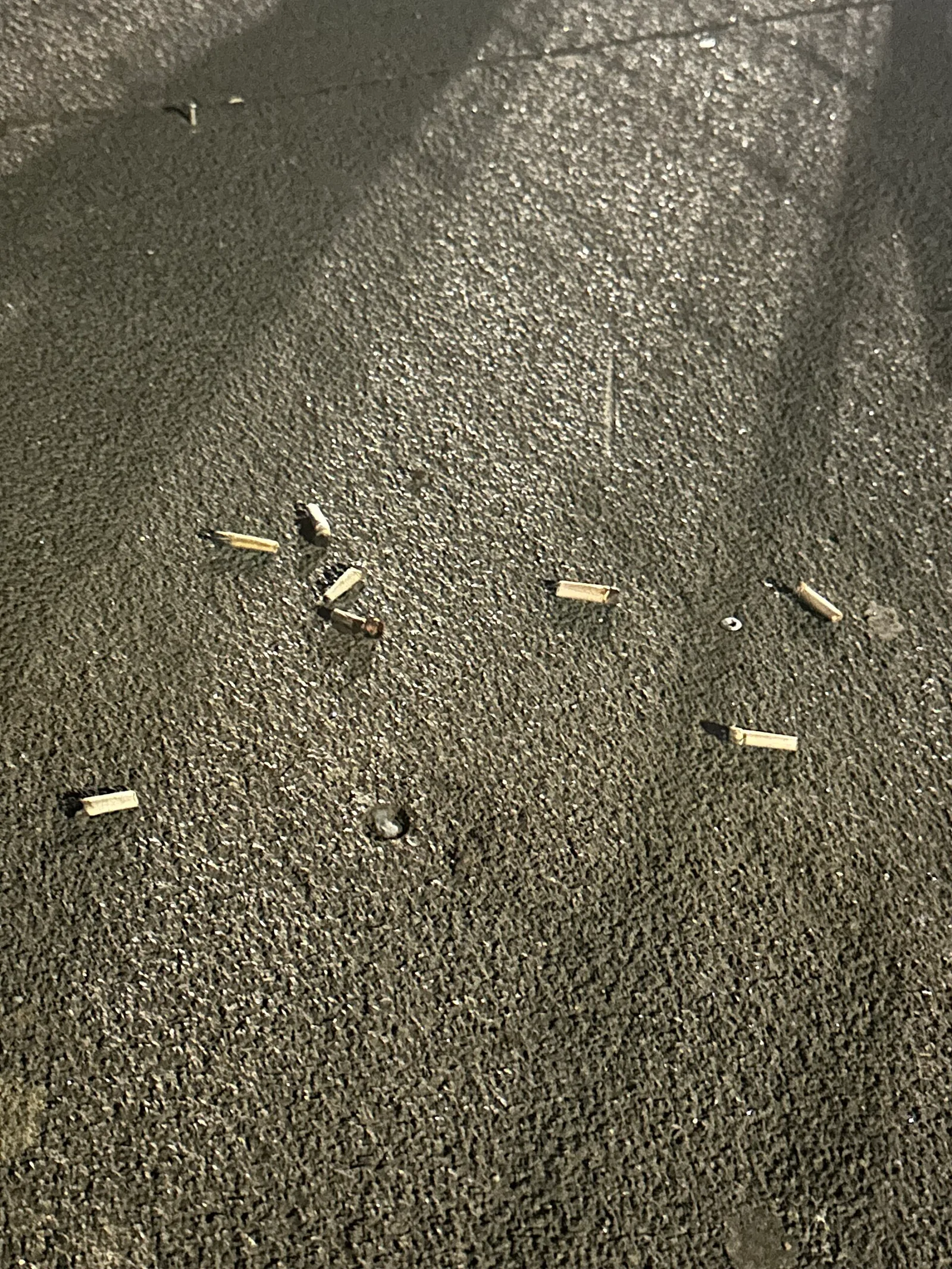
It is a single flick of a finger, done without a thought: a last drag on the cigarette, then a toss from the car window or a drop onto the pavement — the butt still burning, sparks scattering. The smoker goes on his way, and the ember stays behind alone on the ground, deciding the fate of everything around it.
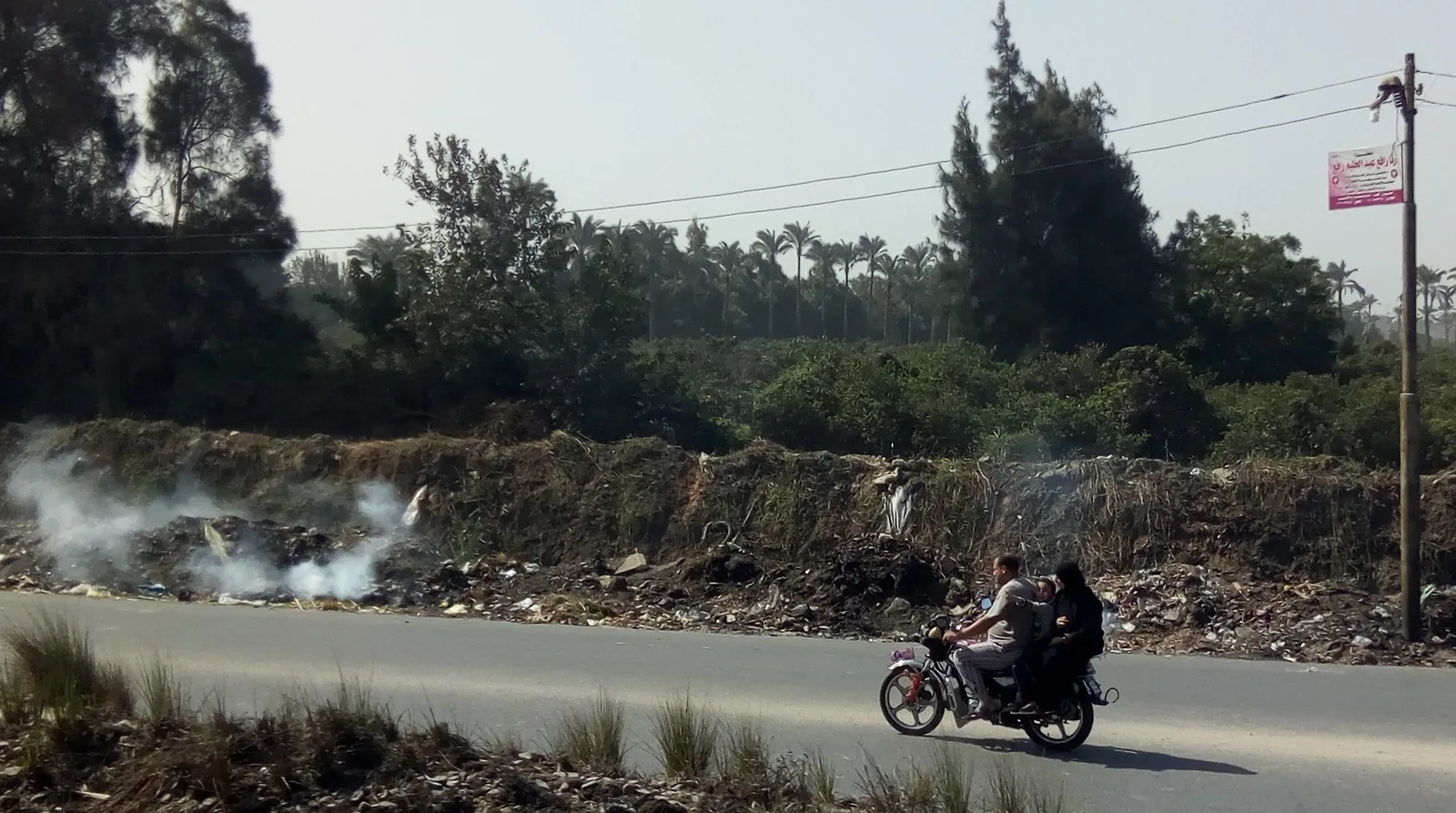
An ember does not know it is "small." Fire needs only three things, all easily found on our streets: heat, which the ember supplies; something flammable; and a little air. Dry grass along a rural road, a pile of garbage with paper and cardboard, plastic waste, a patch of spilled fuel near a petrol station or a workshop. Materials waiting for a spark — and the spark arrives by express delivery from a passing car window.
How many fires have begun exactly this way, with an ember its owner could not be bothered to put out? We need not invent specific incidents: civil defence reports the world over list carelessly discarded cigarette butts among the recurring causes of fires in farms, warehouses and homes. The pattern is known and documented: an ember, dry material, a breeze — then a fire beyond the power of the person who started it to stop, even if he wished to.
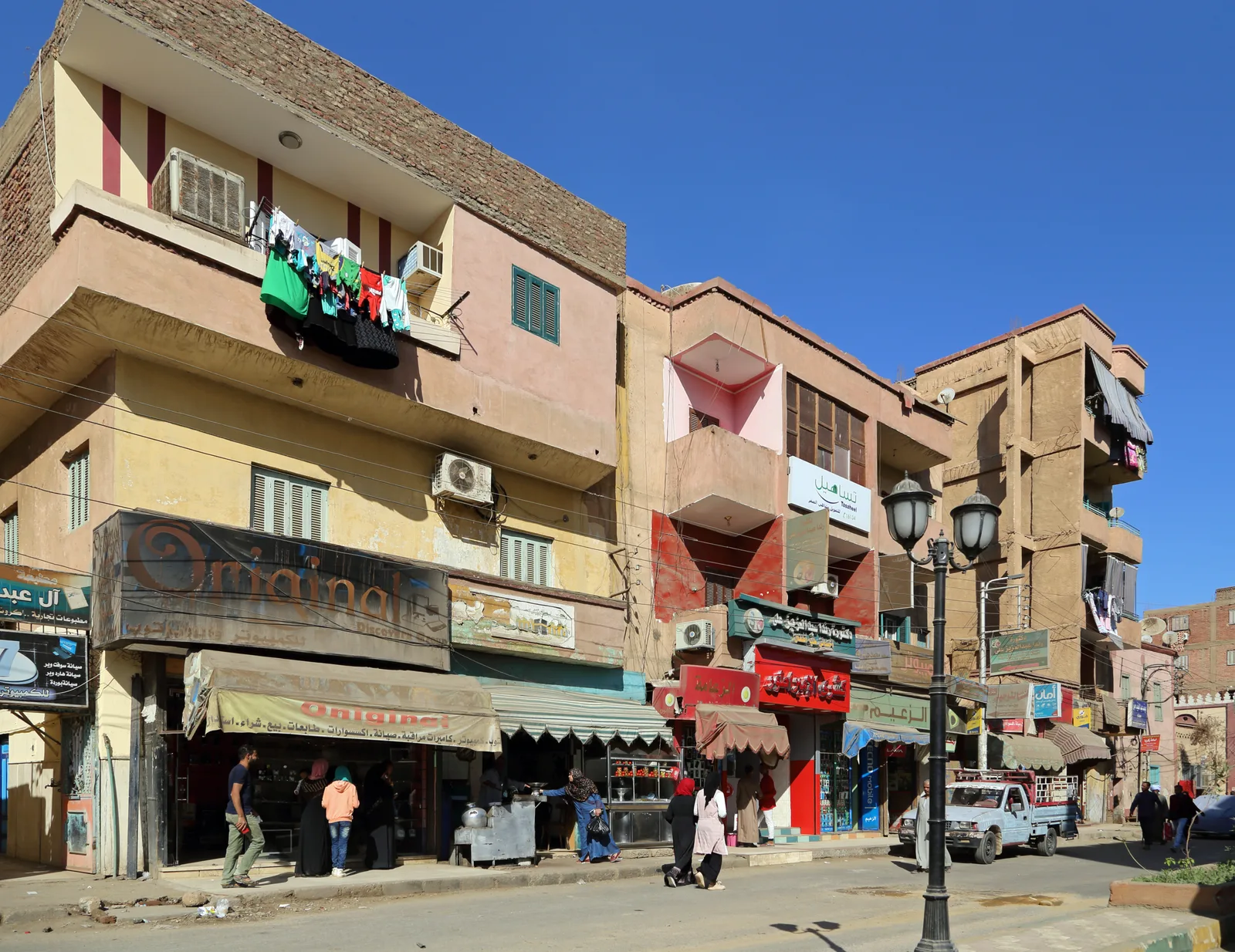
Picture the scene at its simplest: a burning butt flicked from a car window on a highway, carried by the wind into the face of a motorcyclist behind, or landing in a load of straw on a pickup truck. Or a butt dropped from a balcony onto the fabric awning of a ground-floor shop, onto hanging laundry, onto a neighbour's balcony where something can catch. None of these people chose to be party to a gamble someone else lit.
And here is the heart of the moral indictment that concerns us before anything else: whoever throws a live ember into a shared space is gambling with other people's lives, livelihoods and property in order to save three seconds — the time it takes to extinguish a cigarette before discarding it. Even if nothing ever catches fire, the act remains a display of contempt for people, a provocation, a message that says: your safety is not worth the movement of my finger.
Even the extinguished butt is not entirely innocent. It is litter, punishable when thrown on the public road under Egypt's public cleanliness Law 38 of 1967 and its amendments, and it is among the most widespread and slowest-degrading forms of street litter in the world. But the burning butt in particular moves the act from the category of filth to the category of imminent danger.
The irony is that the fix here is among the cheapest and easiest imaginable. The smoker needs only to put the cigarette fully out — grinding it against a hard surface or wetting it — before dropping it in a bin. Whoever smokes in his car has an ashtray built for exactly this purpose; whoever smokes on his balcony needs only a small dish. We are not demanding that anyone quit smoking; we are demanding only that a cigarette not become an incendiary projectile.
What do we ask of the citizen? Extinguish, then discard — always, without exception, even when the ember looks about to die on its own. Teach the smokers in your family, if you cannot persuade them to quit, that this one gesture is a red line. And whoever sees an ember flicked from a window should say it: this is wrong.
And what do we ask of the state and of public establishments? Metal butt bins and sand trays at the entrances of buildings, cafés and transport stations, so no smoker can plead the absence of a proper place. Awareness campaigns that draw the direct line between the burning butt and the fire, because many people do this out of genuine ignorance of the consequences rather than contempt. Then, enforcement of the existing fines on those who persist.
A cigarette ember is the smallest thing a hand can carry — and it can be the first thread in the greatest loss an entire street has ever known. Between the two stand three seconds of attention, nothing more. To whoever begrudges his neighbours and passers-by those seconds, we say without hesitation: this is wrong.
相关报道

女性割礼:法律定罪、宗教与医学共同否定的罪行——不是值得延续的习俗
女性割礼至今仍打着“习俗”与“合乎教义”的旗号在沉默中延续,尽管埃及法律对其课以重刑,尽管爱资哈尔和埃及宗教裁决机构已明确宣布它在宗教上毫无依据,尽管医学界一致认定它有百害而无一利。这篇文章不是在指控家庭,而是在呼吁保护家庭:保护我们的女儿,从父母口中一句清晰的“不”开始。
2026年8月18日 · 7 分钟阅读
“这是我的地盘”:流氓看车人,当强收的保护费披上“服务”的外衣
他站在一条没有他一寸产权的街上,却像分派自家庄园一样分配车位,收费全凭心情;谁敢不服,车门上就多一道尖利的钥匙划痕,或者当着家人的面挨一句羞辱。靠恐吓强行上岗的无证看车人,不是服务提供者,而是收买路钱的勒索者。这样不对:街道是公共财产,法律也早已规范了这个行当——披着行当外衣的流氓行径,没有任何借口。
2026年8月18日 · 5 分钟阅读
人行道属于公民:把行人推向夺命车流的占道小亭
一位母亲推着婴儿车在车流中穿行,一位老人摸索着从小巴旁边挪过——因为为他们修建的人行道,已经被小卖亭、饮料冰柜和摆出来的货物吞掉了。占据人行道的亭子,哪怕有执照,也是在侵吞一条为行人而建的通道,把人推进车流。这样不对:人行道不是可以出租的地产,而是每个公民的安全动脉。
2026年8月18日 · 5 分钟阅读