跳至正文

垃圾飞出车窗:几秒钟的懒惰,可能赔上一条人命

车窗摇下,手伸出来,一袋垃圾落在柏油路上,车子扬长而去。这一幕每天都在我们的街头上演,普通车如此,豪车亦然。它在成为违法行为之前,首先是对每一个路上行人的蔑视,是一个可能让路人滑倒、用生命埋单的陷阱。这样不对。
发布于 2026年8月18日·5 分钟阅读
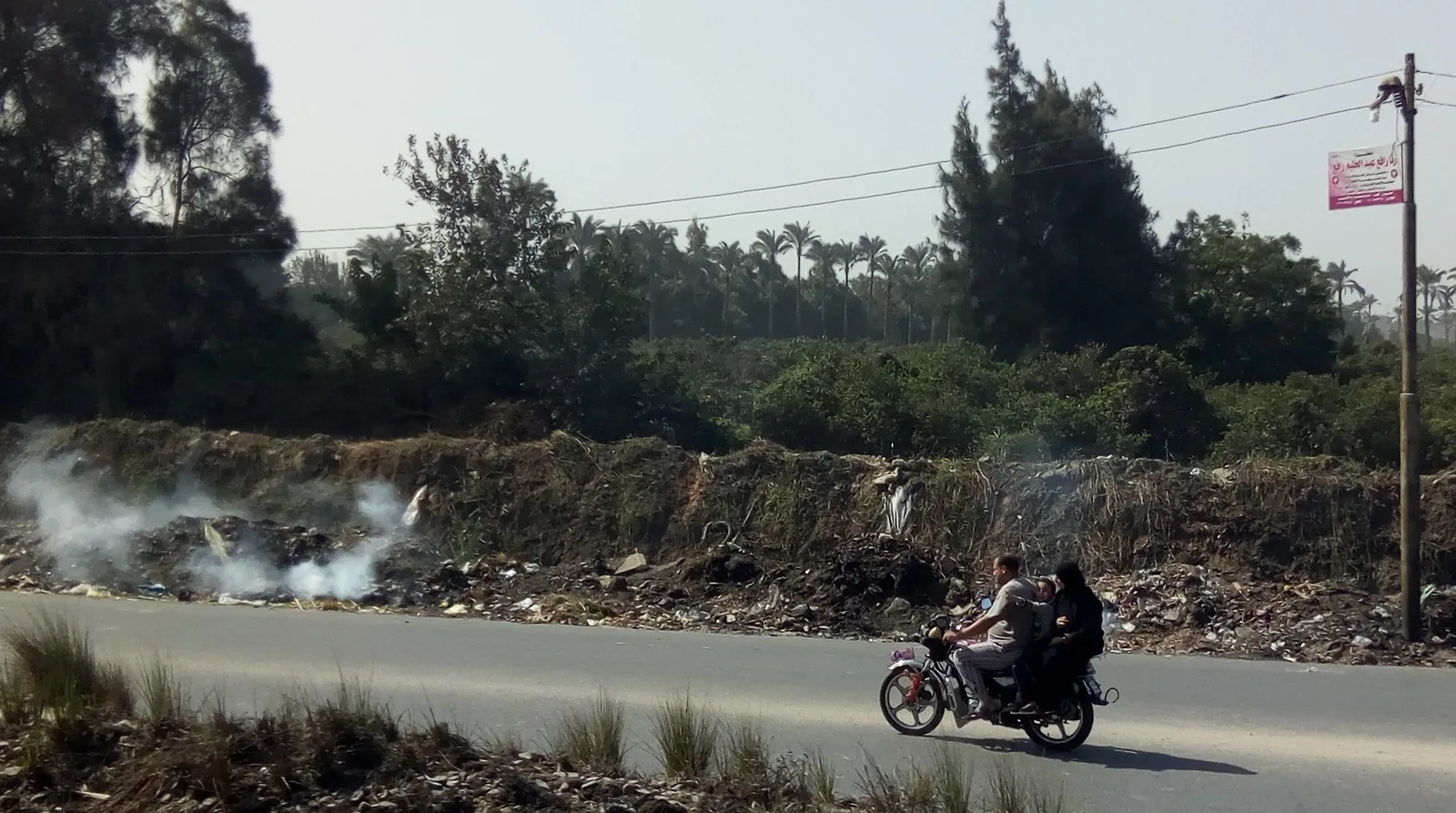
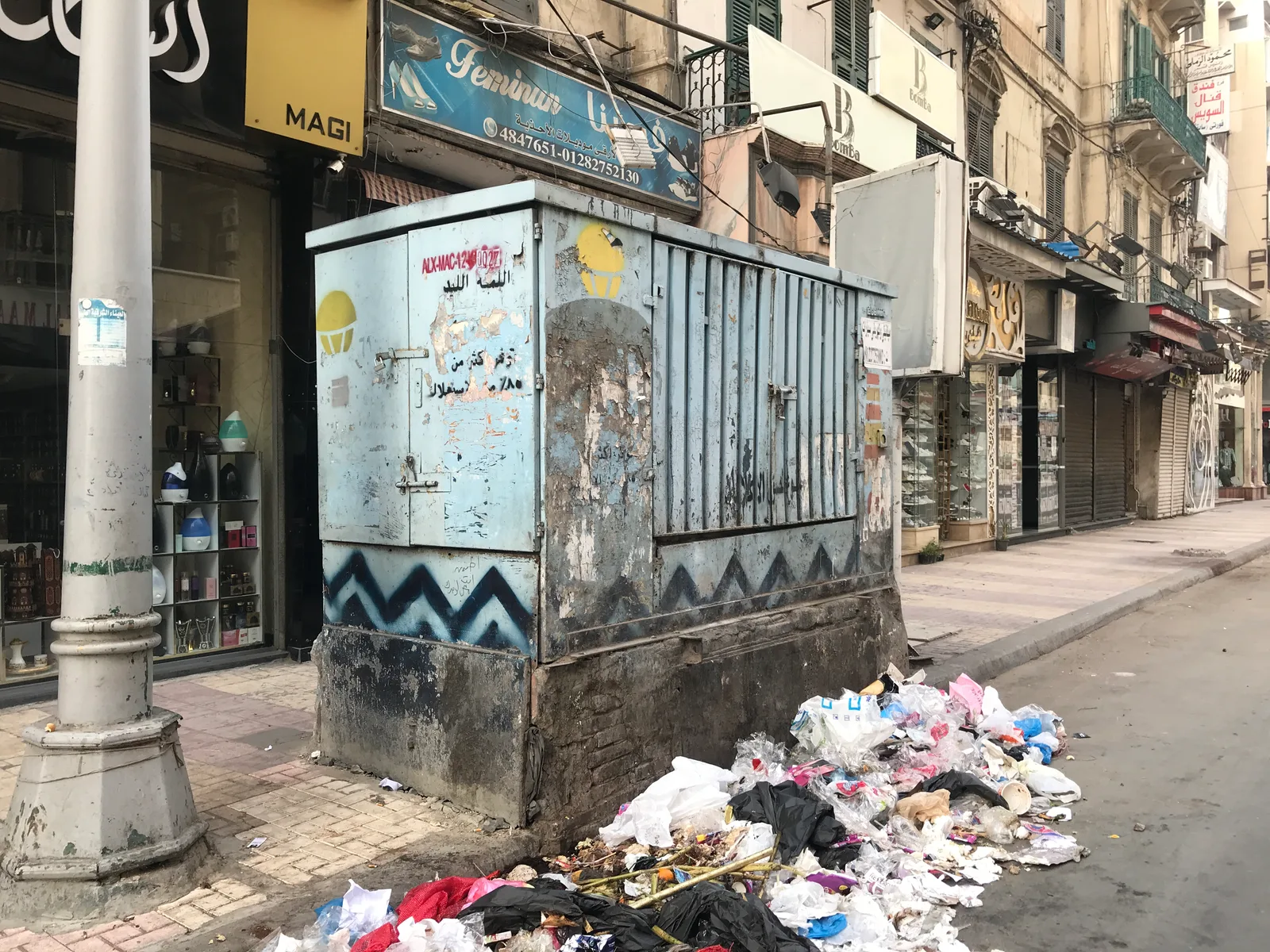
مخلفات وأكياس بلاستيكية متناثرة على الأسفلت عند حافة طريق، وسيارات مارّة في الخلفية.

The scene needs no long description because we see it every day: a car moving down the road, a window opening, a hand reaching out with a bag, a bottle or food scraps — and all of it dropping onto the asphalt as the car drives on as if nothing happened. To the owner of that hand, the street is one big rubbish bin, and street cleaners exist to pick up whatever he throws.

Let us say it plainly from the first line: the luxury of the car is no excuse. How many times have we seen the bag tossed from the tinted window of a car worth as much as an apartment? Refinement is not a brand or a model year; refinement is behaviour. Whoever throws his litter from his car window announces exactly who he is, whatever he happens to be driving.

The crime here is moral before it is legal. The street is common property — the walker's, the passenger's, the vendor's, the child's coming home from school. Whoever dumps his waste onto it is effectively telling all of them: my comfort matters more than all of you, and the cleanliness of my car's interior is worth dirtying your road. That is insult, provocation and harm — even if nothing else ever comes of the act.

But something far worse can come of it. Imagine a student on his way to school in the morning, walking along the edge of the road because the sidewalk is blocked, stepping on a piece of fruit peel or a wet bag thrown minutes earlier from a passing car. He slips, loses his balance, falls into the path of traffic. In a single second, the laziness of someone who could not tolerate a bag in his car until the next bin becomes a tragedy that devastates an entire family.

We do not need to wait for the tragedy to judge the act. Even at best — when no one slips and no one is hurt — throwing waste from a car remains unethical, uncivilised and provocative to everyone who sees it. The ugliness is in the act itself, not only in its consequences.

And one bag never stays alone. The first bag on the roadside is an open invitation to a second and a third, until the shoulder of the road becomes a small dump — bags blowing into drivers' windshields, blocking storm drains, settling at last in canals and waterways. A bad habit builds its own environment: a dirty place invites more dirt.

The law has a word here too, though we deliberately put it second. Dumping waste on the public road is an offence punishable under Egypt's public cleanliness Law 38 of 1967 and its amendments. The text has existed for decades; what is missing is firm enforcement that makes anyone reaching for the window handle think twice.

There is a ready-made excuse we hear often: "Then what are street cleaners for?" The answer is simple: the existence of someone who sweeps the street is not a licence to dirty it, just as the existence of doctors is not an invitation to hurt people. The street cleaner deserves to have his work respected, not pointlessly multiplied — his dignity preserved, not treated as a broom that walks behind our windows.

What do we ask of the citizen? Something almost laughably simple: a small bag inside the car, holding the rubbish until the next bin. That is all. And if you witness the act, say it politely but firmly, even with a look: this is wrong. The offender who knows people see and disapprove changes far faster than the one whose act passes without comment.

And what do we ask of the state? Enough bins, sensibly distributed along roads and squares; genuine enforcement of the fines already on the books, so the penalty reaches the car owner the way a speeding ticket does; and use of the existing traffic camera network to record this behaviour wherever possible. A law that is not enforced becomes a suggestion.

The road is a mirror of those who travel it. When the bag flies from the window, it is not only the bag that lands on the asphalt — something of the city's image, and its people's, falls with it. This is wrong, and we will keep saying so until the sight of a hand reaching out of a window with a bag becomes a scene from the past.

相关报道

لافتة توعية عامة ضد ختان الإناث معروضة في فعالية مجتمعية، ويقف بجوارها عدد من الحضور.
这样不对

女性割礼:法律定罪、宗教与医学共同否定的罪行——不是值得延续的习俗

女性割礼至今仍打着“习俗”与“合乎教义”的旗号在沉默中延续,尽管埃及法律对其课以重刑,尽管爱资哈尔和埃及宗教裁决机构已明确宣布它在宗教上毫无依据,尽管医学界一致认定它有百害而无一利。这篇文章不是在指控家庭,而是在呼吁保护家庭:保护我们的女儿,从父母口中一句清晰的“不”开始。

2026年8月18日 · 7 分钟阅读

这样不对

“这是我的地盘”:流氓看车人,当强收的保护费披上“服务”的外衣

他站在一条没有他一寸产权的街上,却像分派自家庄园一样分配车位,收费全凭心情;谁敢不服,车门上就多一道尖利的钥匙划痕,或者当着家人的面挨一句羞辱。靠恐吓强行上岗的无证看车人,不是服务提供者,而是收买路钱的勒索者。这样不对:街道是公共财产,法律也早已规范了这个行当——披着行当外衣的流氓行径,没有任何借口。

2026年8月18日 · 5 分钟阅读

这样不对

人行道属于公民:把行人推向夺命车流的占道小亭

一位母亲推着婴儿车在车流中穿行,一位老人摸索着从小巴旁边挪过——因为为他们修建的人行道,已经被小卖亭、饮料冰柜和摆出来的货物吞掉了。占据人行道的亭子,哪怕有执照,也是在侵吞一条为行人而建的通道,把人推进车流。这样不对:人行道不是可以出租的地产,而是每个公民的安全动脉。

2026年8月18日 · 5 分钟阅读