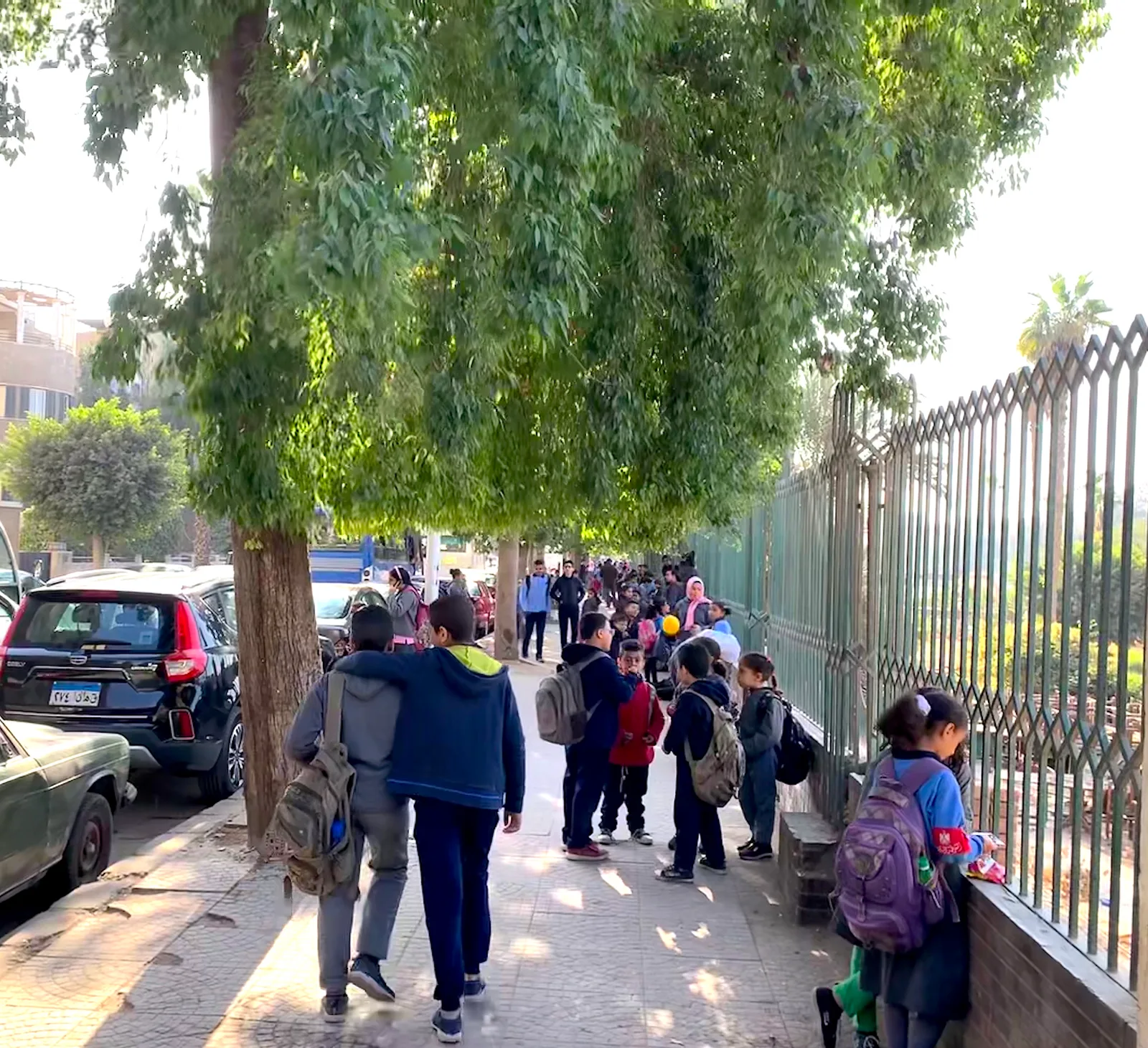
如何养出一个爱读书的孩子?埃及家庭培养阅读之爱的指南
爱读书的孩子绝非偶然天成。从睡前故事和卡米勒·基拉尼的经典童书,到公共图书馆、学校书架和开罗国际书展,这份实用指南告诉埃及家庭如何在孩子心中播下终生热爱书籍与阿拉伯语阅读的种子。
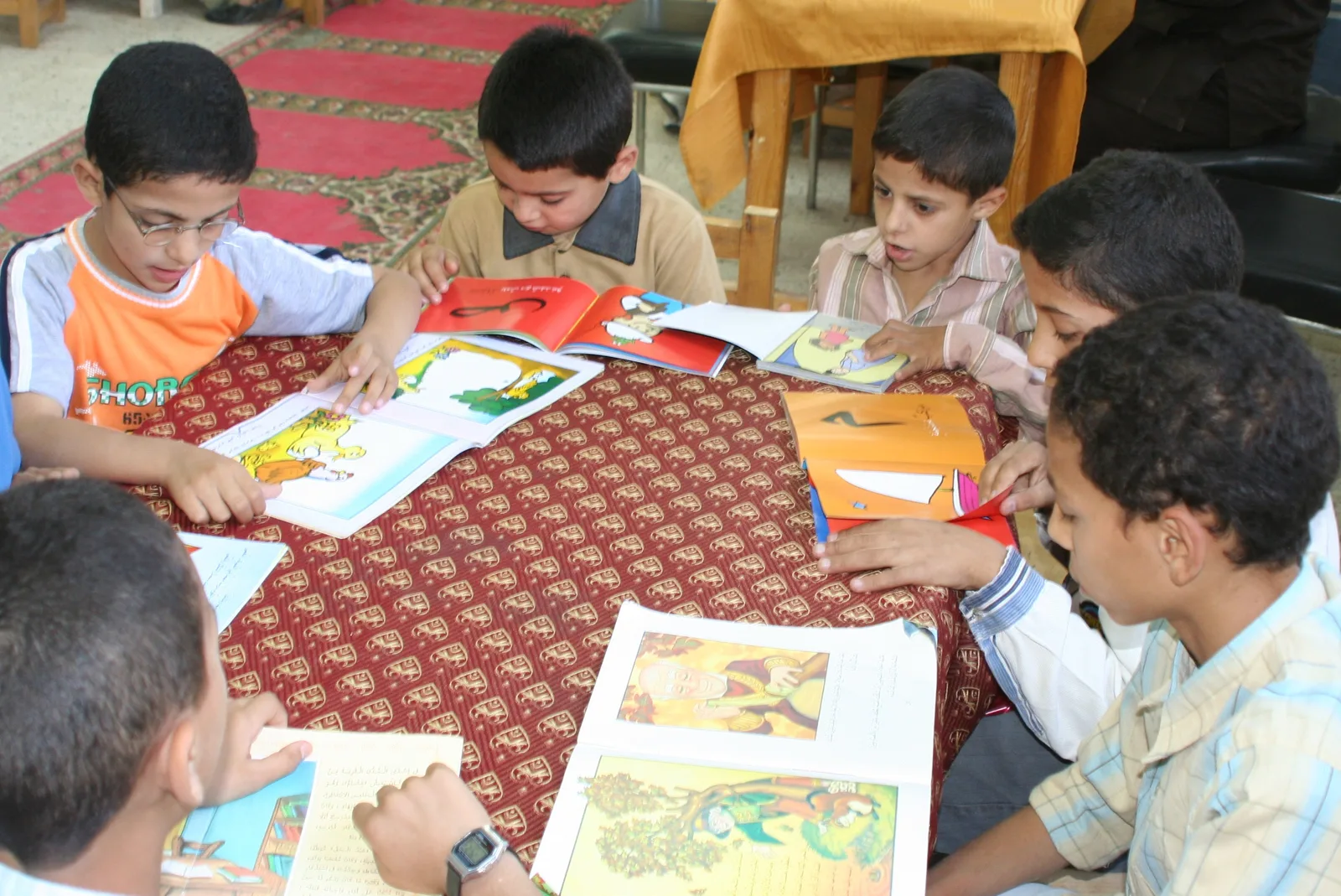
Ask any teacher what separates the children who thrive from those who struggle, and the answer rarely changes: the readers pull ahead. Reading feeds vocabulary, imagination, concentration and empathy, and its effects compound quietly across a school career. Yet a reading child is almost never an accident. Behind nearly every one stands a family that treated books as ordinary household objects — as present in the home as bread — and an adult who once made a story feel like a gift rather than a duty.
The habit begins earlier than most parents assume, long before a child can decode a single letter. Babies who are read to absorb the music of language; toddlers who handle board books learn that pages hold surprises. Egypt has a deep well to draw on here: the oral storytelling tradition of grandmothers and the country's folk tales is itself a form of early literature. A parent who tells stories aloud — from memory, from a book, from imagination — is already raising a reader.
The physical home matters more than lectures about the value of reading. Children copy what they see, not what they are told, so a parent glued to a phone while ordering a child to read is sending two messages, and the louder one wins. Families that grow readers tend to keep books low and visible, visit a bookshop or a book stall the way they visit the grocer, and protect a small pocket of quiet time in which everyone, adults included, reads something.
Arabic presents one honest difficulty that families should name rather than ignore: the distance between the colloquial Egyptian children speak at home and the modern standard Arabic of books. Specialists in Arabic literacy advise bridging the gap gently — reading the standard text aloud while explaining in the child's own dialect, choosing picture books whose language is simple and musical, and never turning fusha into an instrument of correction. A child who associates books with being scolded will close them.
Egyptian families are heirs to a rich tradition of children's writing. Kamel Kilani, widely regarded as the pioneer of Arabic children's literature, retold world classics and Arabic tales for young readers beginning in the first half of the twentieth century. Generations grew up on the children's magazines of the great publishing houses — Samir from Dar Al-Hilal and Alaa El Din from Al-Ahram — whose comics and serials taught millions of Egyptians that reading in Arabic could be pure pleasure.
Today's shelves are broader than many parents realise. Egyptian and Arab publishing houses produce picture books, novels for young people and Arabic translations of global series, and regional prizes dedicated to Arabic children's literature have raised both quality and visibility. Illustrated books in particular have flourished, with Egyptian artists giving Arabic stories a visual life that competes comfortably with imported titles. The old complaint that 'there is nothing good for children in Arabic' is simply out of date.
The Cairo International Book Fair, held every winter since 1969 and among the largest book fairs in the world, has long functioned as a national family outing. Its children's pavilions, discounted editions and author events give many Egyptian children their first experience of choosing a book with their own hands — an act librarians consider decisive, because a book a child selects is a book a child finishes. Regional fairs in the governorates extend the same experience beyond the capital.
Public libraries offer the habit a home outside the house. The Bibliotheca Alexandrina maintains a dedicated children's library within one of the world's most famous reading institutions; Egypt's public library networks and the culture palaces spread across the governorates run children's sections and activities; and many mosques and churches keep lending shelves of their own. A library card costs little, and the ritual of borrowing and returning teaches children that books circulate — that reading is a public habit, not a private luxury.
School libraries and classroom reading periods can ignite the habit or extinguish it, and parents have more influence there than they think. Asking a child what the class is reading, attending school book days, donating a shelf of titles, and gently pressing for library time to be protected rather than sacrificed to revision all signal that the family considers reading part of education, not a decoration on it. Teachers who read aloud to their classes are worth their weight in gold; parents should thank them.
The daily mechanics are simple and forgiving. A bedtime story, even ten minutes, is the single most reliable ritual. Let the child choose, and respect the choice: comics, football almanacs and joke books all count, because the goal at first is appetite, not curriculum. Keep screens out of the last hour before sleep and the book gains a natural slot. And when a child rereads the same story for the tenth time, celebrate — repetition is how young readers take possession of a book.
No family needs wealth to raise a reader; it needs consistency and a little theatre. A parent who does the voices, a shelf within reach, a weekly library visit, a fair once a year — these modest investments compound like savings. The child who reads for pleasure carries a private tutor everywhere for life. In a noisy age, giving children the ability to sit quietly inside a story may be one of the most practical gifts an Egyptian family can hand down.
相关报道
安全的屏幕:保护儿童上网的冷静实用指南
当父母与孩子平等交流而不只是监视时,孩子在网上才更安全。从家长监护工具和平台年龄规则,到关于陌生人的那次谈话,再到埃及16000儿童求助热线,这是一份基于证据、不靠吓唬的家庭指南。
2026年8月18日 · 5 分钟阅读

从月球上能看到中国长城吗?宇航员早已给出答案
教科书里有个人们津津乐道的说法:中国长城是从月球上唯一可见的人造建筑。但亲身登上太空的宇航员——包括中国首位航天员本人——都给出了否定答案,光学原理也支持他们。至于从太空真正能看到什么——从城市灯火到熠熠生辉的尼罗河三角洲——那是一个更精彩的故事。结论:错误。
2026年8月18日 · 5 分钟阅读

维生素C能预防感冒吗?数十年临床试验的真实结论
数百万人一打喷嚏就把希望寄托在维生素C上。但数十年的对照试验讲述的故事更为微妙:对大多数人而言,它并不能预防感冒;若平时坚持服用,或可略微缩短病程——真正的预防效果只见于马拉松选手、滑雪运动员和承受极端体能消耗的士兵。结论:部分属实。
2026年8月18日 · 5 分钟阅读