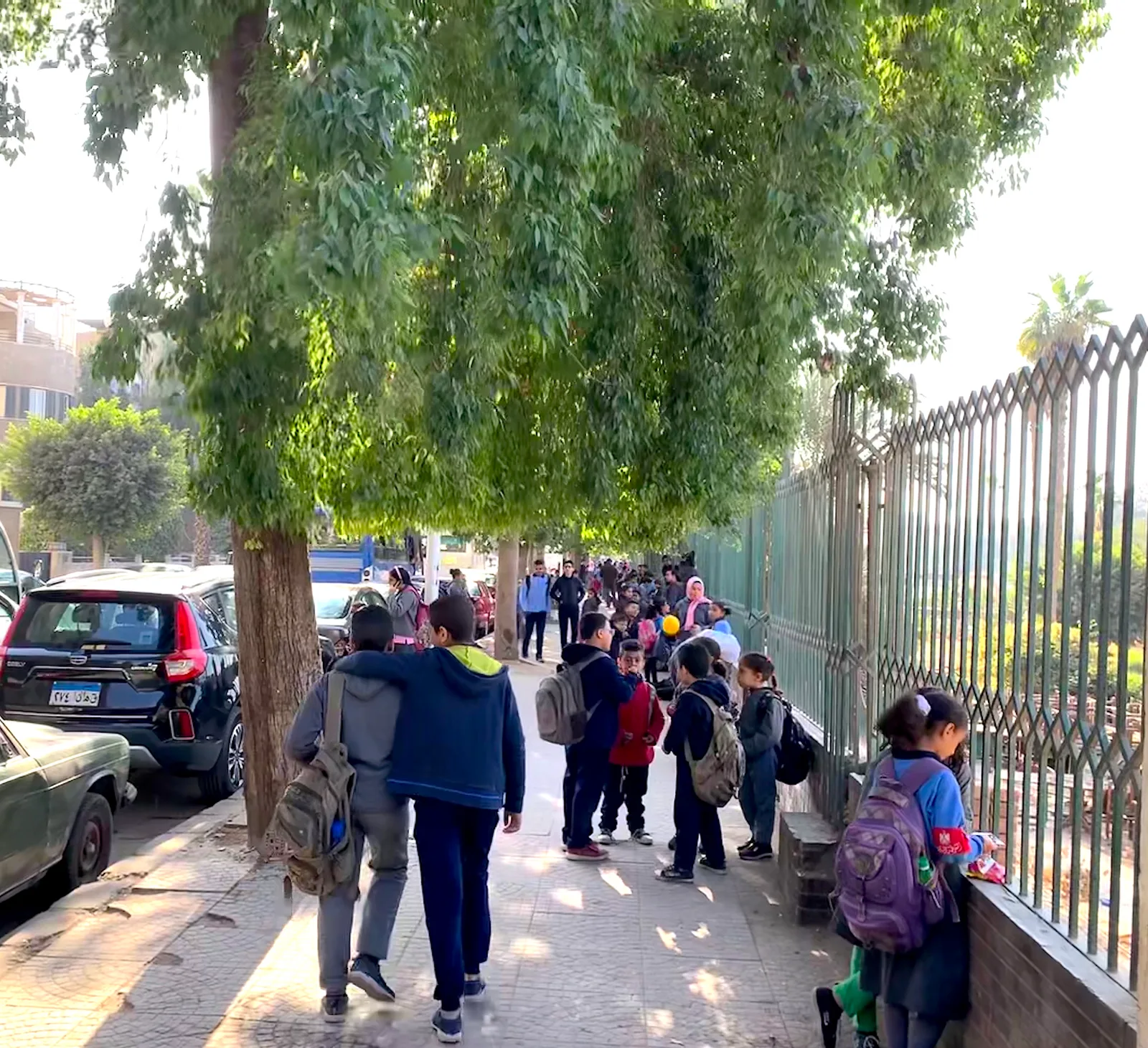
开学第一天之前:如何让孩子真正做好入学准备?
入学准备不只是背字母、记数字,更是自理能力、表达需求和与人相处的本领。这些实用步骤,父母可以在开学前几个月从家里开始做起,让孩子自信而不是恐惧地走进教室。
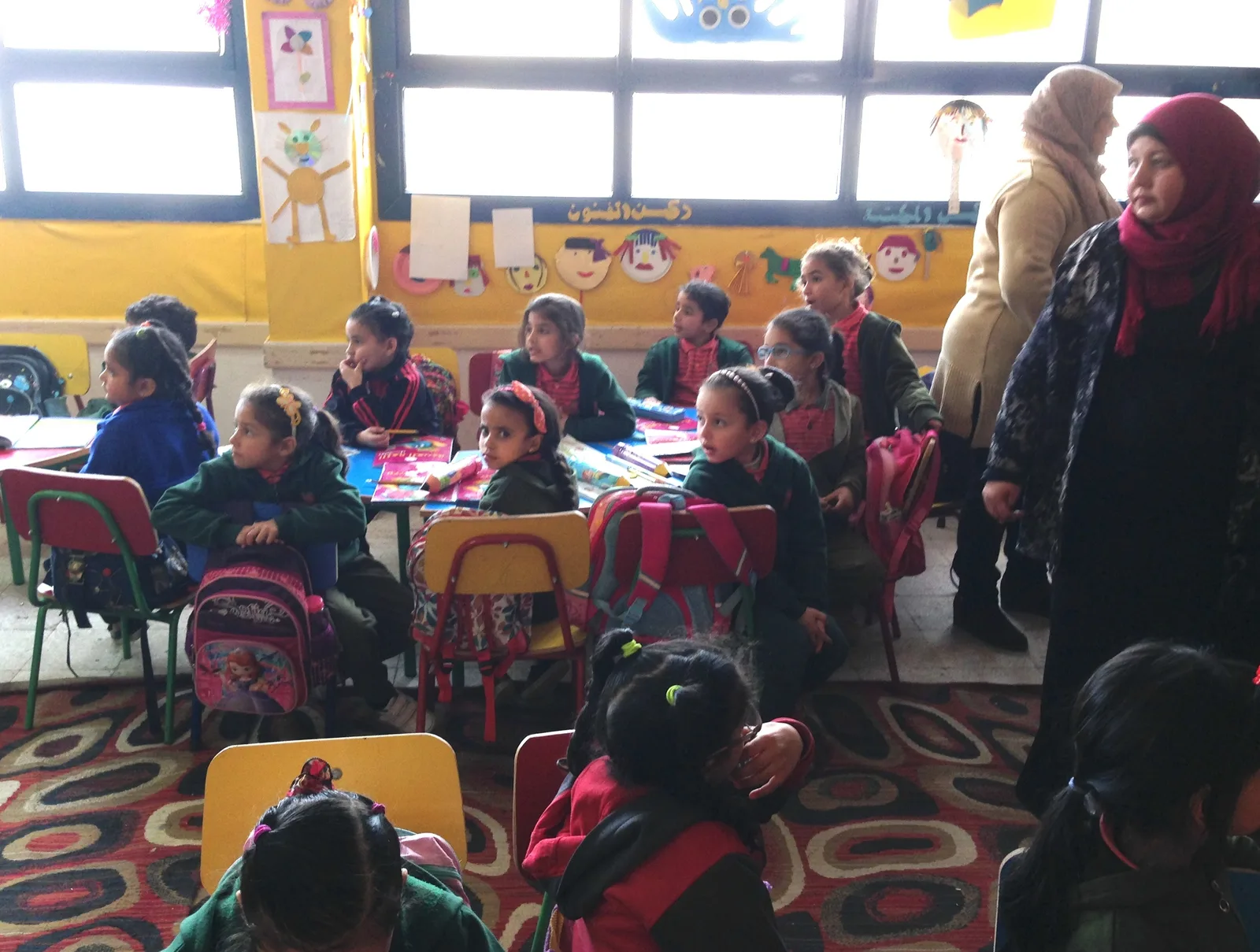
As a child's first school year approaches, many families obsess over one question: does the child know the letters and numbers? But teachers and early childhood experts agree that true school readiness is far broader. A child who can manage basic needs independently, express what they want, sit and listen, and get along with unfamiliar children — that child will succeed even without knowing every letter yet.
Readiness begins with self-care skills: going to the toilet alone and washing hands, eating independently and opening the lunchbox and water bottle, putting on shoes and a jacket without help, and recognizing and keeping track of personal belongings. These small skills determine whether a school day runs smoothly or becomes a chain of cries for help — and practicing them at home in the months before school is a priceless investment.
Then comes emotional and social readiness, the hardest and most important part: tolerating hours away from mother without falling apart, sharing a game with another child and waiting for a turn, and telling the teacher 'I need the bathroom' or 'someone hit me' instead of only crying. Children build this through gradual short stays with a grandmother or aunt, playing with neighbors' and relatives' children, and being encouraged to ask for what they need in words at home first.
Language is the foundation on which all later learning is built, and the most precious thing parents can offer is entirely free: talk. Early childhood research shows that a child's vocabulary in the first years is one of the strongest predictors of later reading success. Talk with your child constantly, answer their questions patiently, tell bedtime stories, read from picture books even a few pages a day, and let them 'read' the pictures back in their own way.
Do not neglect the small muscles of the hand — gripping a pencil is a physical skill before it is a mental one. Drawing and coloring, cutting paper with safe children's scissors, shaping clay, threading beads, building and dismantling blocks: these look like innocent amusements but are direct training for the finger muscles that will soon write. Give them daily time, and keep them play, not homework.
A few weeks before school starts, the most important household shift begins: sleep. A child who stayed up past midnight all summer cannot suddenly wake at six. Move bedtime earlier gradually every few days until it settles onto the school schedule at least two weeks in advance, and establish a morning breakfast habit, however light — a hungry child cannot learn.
Build a warm image of school in the child's imagination: visit the building together from outside if possible, buy the bag and supplies together and let the child choose, and speak of school as a place of friends, play, and new stories. And never, ever use school or the teacher as a threat — 'just wait until school starts' — because a child who enters school seeing it as a punishment enters already defeated.
Practice simple multi-step instructions too: 'bring the cup from the kitchen and put it on the table' — this is the pattern the child will hear in class every day. Assign small household jobs — tidying toys, putting bread on the table — because a child who feels capable and useful walks into the classroom with a different kind of confidence.
Always remember that play is not the enemy of school readiness; it is its core. Excessive letter drills and workbooks at preschool age can breed an early aversion to learning, while free play, stories, songs, and running build the very brain that will later learn everything. This is also the stage to reduce screens in favor of real play and real conversation with real people.
Finally, do not expect perfection in the first weeks. Morning tears in the early days are normal and temporary for many children, and they fade fastest when the goodbye is firm, tender, and brief. Make your relationship with the class teacher a partnership rather than a rivalry — ask about your child's behavior and listen. And at the end of each day, give your child an attentive ear that asks what they played and who made them laugh, not only what they memorized. A child who feels that school makes their parents happy will love it for their sake first — and then for its own.
相关报道
安全的屏幕:保护儿童上网的冷静实用指南
当父母与孩子平等交流而不只是监视时,孩子在网上才更安全。从家长监护工具和平台年龄规则,到关于陌生人的那次谈话,再到埃及16000儿童求助热线,这是一份基于证据、不靠吓唬的家庭指南。
2026年8月18日 · 5 分钟阅读

如何养出一个爱读书的孩子?埃及家庭培养阅读之爱的指南
爱读书的孩子绝非偶然天成。从睡前故事和卡米勒·基拉尼的经典童书,到公共图书馆、学校书架和开罗国际书展,这份实用指南告诉埃及家庭如何在孩子心中播下终生热爱书籍与阿拉伯语阅读的种子。
2026年8月18日 · 5 分钟阅读

从月球上能看到中国长城吗?宇航员早已给出答案
教科书里有个人们津津乐道的说法:中国长城是从月球上唯一可见的人造建筑。但亲身登上太空的宇航员——包括中国首位航天员本人——都给出了否定答案,光学原理也支持他们。至于从太空真正能看到什么——从城市灯火到熠熠生辉的尼罗河三角洲——那是一个更精彩的故事。结论:错误。
2026年8月18日 · 5 分钟阅读