车轮上的炸弹:开着破车狂飙,是对人命的蔑视
刹车半灵不灵,轮胎磨得溜光,车灯全灭,司机却把它开得像刚出厂的新车一样在路上飞驰。超速行驶的破旧汽车不是交通工具,而是威胁路上每一个家庭的移动险情。这样不对:你方向盘上的自由,止于他人活着回家的权利。
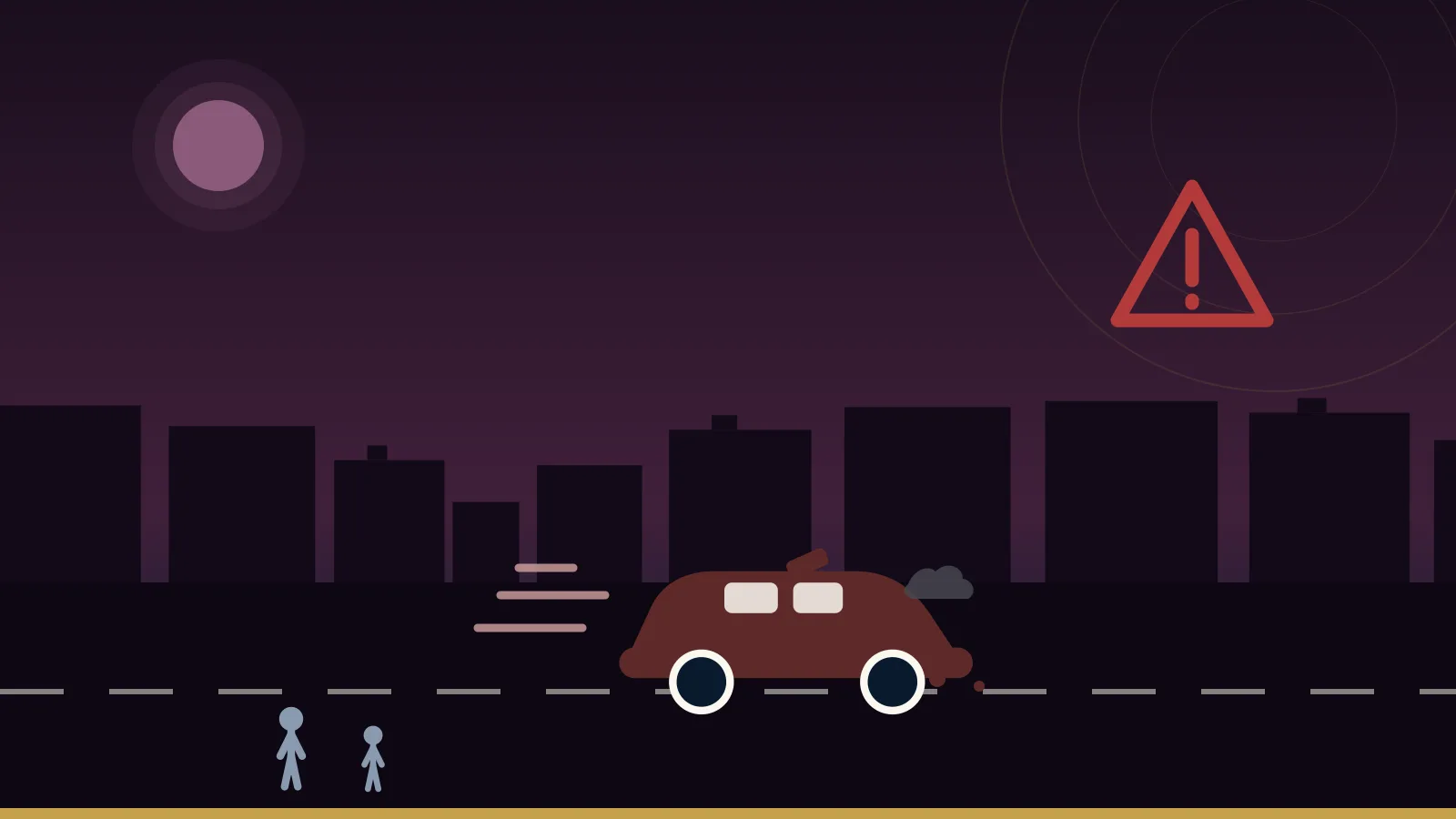
We have all seen it on the highways and inside the cities: a car whose body rust has eaten through, swaying as it overtakes, one taillight broken and another dead, black smoke pouring from its exhaust, tires worn smooth from years of use. What is frightening is not its condition — its owner may well be excused by hard circumstances. What is frightening is that it devours the road at reckless speed, weaving left and right, as if its driver were piloting a race car rather than a collapsing frame.
Let us say it plainly: driving a mechanically unfit car at high speed is neither cleverness nor necessity — it is a moral assault on everyone who shares the road with you. Brakes that need two pumps to respond, a bald tire that slides at the first patch of moisture, a loose steering wheel: these are not technical details. They are the distance between a near-miss and a catastrophe that shatters entire families.
Picture the scene we wish on no one: a crowded road at rush hour, a battered microbus surging forward to overtake, then suddenly a slowing car ahead. The driver of the sound car brakes and the car responds. The dilapidated one responds late, or not at all. In those seconds the price is not paid by the car's owner alone, but by the family in the next lane, the worker at the roadside, and a passenger whose only fault was boarding the wrong vehicle.
And here we must pause at a painful irony: many of these vehicles work in transporting people themselves — microbuses and taxis whose service life expired years ago. The potential victim pays a fare for her own ride toward danger, with no luxury of choice in areas that offer no alternative. That multiplies the moral responsibility of the owner and driver — and multiplies it again for the authorities that supposedly inspected and licensed the vehicle.
The law is not absent on paper. Egypt's traffic law makes technical inspection a condition for licensing a vehicle and renewing its registration, and it penalises driving an unfit vehicle and exceeding speed limits. So how do vehicles that any passerby can see are unfit still move among us? The unfortunate answer is known to all: an inspection that sometimes becomes a formality, and a driver betting that no one will stop him.
But before we place the whole burden on enforcement, let us face ourselves: a man who drives a car he knows has weak brakes, and then speeds in it, does not need a traffic checkpoint to know he is wrong. He knows. He simply gambles on his luck every day — and the problem is that the stake is not his life alone, but the lives of people who never agreed to join his bet.
And we will say it without evasion, exactly as we say it to the owner of the luxury car who throws garbage from his window: poverty is not an accusation, and hardship is no disgrace — but reckless speed in a dilapidated car is not a fate imposed on anyone. You can drive that same car slowly and carefully until you can afford to repair it. Driving a weak car slowly is honourable humility; driving it fast is lethal arrogance.
What is required of the driver and owner: be honest with yourself about your car's condition, and fix whatever touches safety before anything else — brakes, tires and lights are not accessories. If you cannot repair yet, then at least drive at a speed that respects your vehicle's state. And whoever earns his living carrying passengers bears double responsibility, because the people paying him the fare have entrusted him with their lives.
What is required of the state: a real technical inspection rather than a routine stamp; road enforcement that targets visibly decrepit vehicles before accidents happen, not after; and genuine, affordable replacement programmes for aging vehicles — especially those in mass transport — so the poor driver's only option is never to gamble with people's lives.
The road is common property, and its weakest users — pedestrians, children, transit passengers — deserve that its strongest users be its most careful. A dilapidated car crawling along earns our understanding and its owner our respect. A dilapidated car flying down the road is a bomb on wheels. That's just wrong — and people's lives are no arena for testing anyone's luck.
相关报道

女性割礼:法律定罪、宗教与医学共同否定的罪行——不是值得延续的习俗
女性割礼至今仍打着“习俗”与“合乎教义”的旗号在沉默中延续,尽管埃及法律对其课以重刑,尽管爱资哈尔和埃及宗教裁决机构已明确宣布它在宗教上毫无依据,尽管医学界一致认定它有百害而无一利。这篇文章不是在指控家庭,而是在呼吁保护家庭:保护我们的女儿,从父母口中一句清晰的“不”开始。
2026年8月18日 · 7 分钟阅读
“这是我的地盘”:流氓看车人,当强收的保护费披上“服务”的外衣
他站在一条没有他一寸产权的街上,却像分派自家庄园一样分配车位,收费全凭心情;谁敢不服,车门上就多一道尖利的钥匙划痕,或者当着家人的面挨一句羞辱。靠恐吓强行上岗的无证看车人,不是服务提供者,而是收买路钱的勒索者。这样不对:街道是公共财产,法律也早已规范了这个行当——披着行当外衣的流氓行径,没有任何借口。
2026年8月18日 · 5 分钟阅读
人行道属于公民:把行人推向夺命车流的占道小亭
一位母亲推着婴儿车在车流中穿行,一位老人摸索着从小巴旁边挪过——因为为他们修建的人行道,已经被小卖亭、饮料冰柜和摆出来的货物吞掉了。占据人行道的亭子,哪怕有执照,也是在侵吞一条为行人而建的通道,把人推进车流。这样不对:人行道不是可以出租的地产,而是每个公民的安全动脉。
2026年8月18日 · 5 分钟阅读