L'alphabétisation des adultes en Égypte : l'ampleur du défi et les classes qui changent des vies
Les recensements récents situent l'analphabétisme autour d'un quart des Égyptiens de dix ans et plus — des millions d'adultes qui n'ont jamais appris à lire. De l'Autorité générale pour l'alphabétisation et l'éducation des adultes aux classes des associations et aux étudiants bénévoles des universités, un tour d'horizon des programmes qui leur enseignent la lecture, et de ce qui fonctionne vraiment.
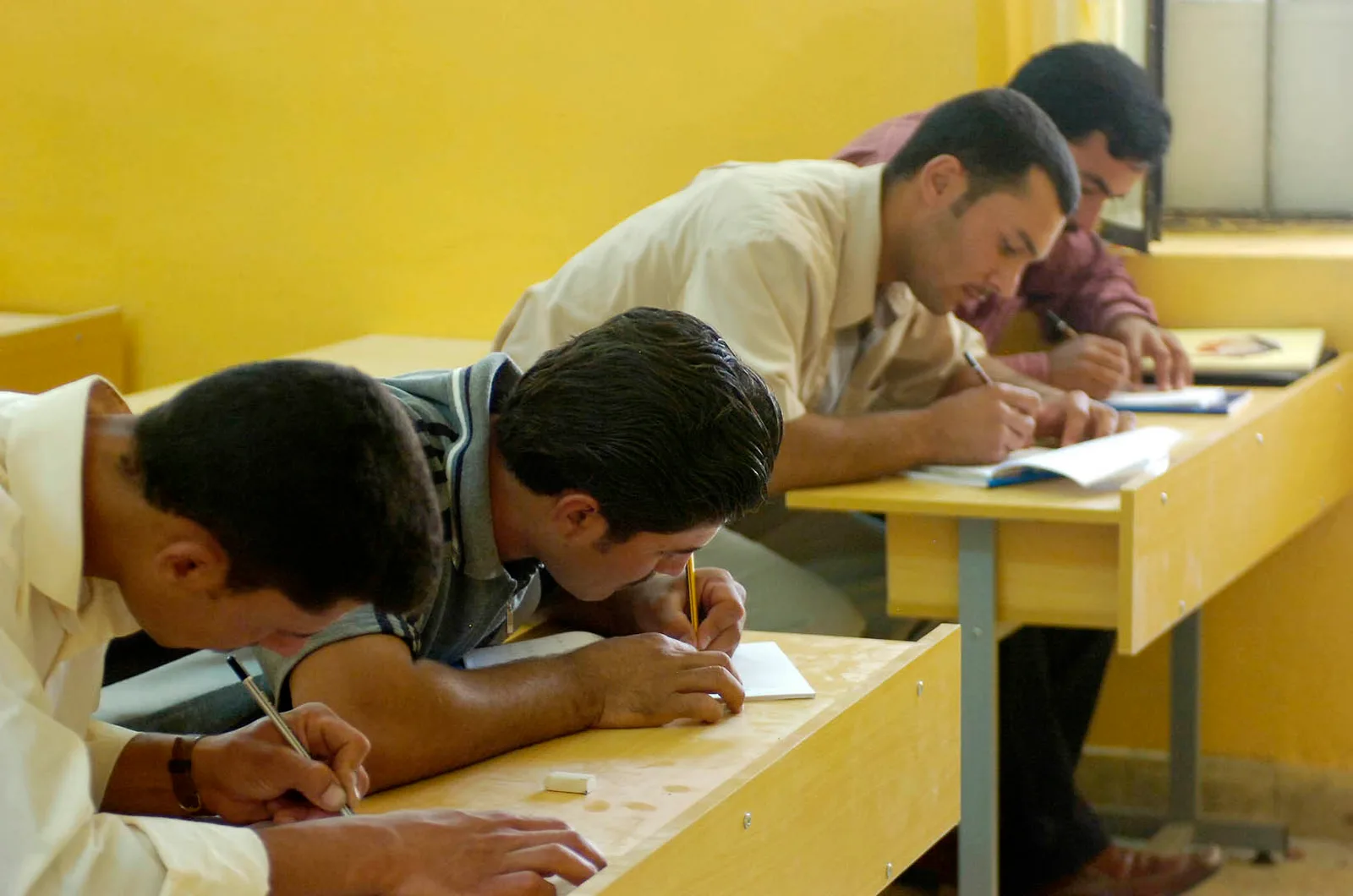
Dans une petite pièce, après la prière du soir, une femme d’une cinquantaine d’années trace la lettre alif pour la première fois de sa vie. Des scènes de ce genre se répètent chaque semaine dans toute l’Égypte — dans les mosquées, les églises, les maisons de jeunes et les salles de classe des associations — parce que l’un des plus anciens défis de développement du pays reste sans solution : des millions d’adultes égyptiens ne savent ni lire ni écrire, et un réseau discret de programmes s’emploie à changer cela, un apprenant après l’autre.
L’ampleur du problème est documentée, elle ne relève pas de l’anecdote. Le recensement égyptien de 2017 situait l’analphabétisme à près d’un quart de la population âgée de dix ans et plus — des millions de personnes qui affrontent contrats, notices de médicaments, formulaires bancaires et bulletins scolaires de leurs enfants sans pouvoir les lire. Le taux a certes reculé régulièrement au fil des décennies, à mesure que la scolarisation s’étendait, mais les chiffres absolus sont restés élevés, car la population égyptienne a crû à un rythme suffisant pour renouveler sans cesse le stock.
Le fardeau n’est pas réparti également. L’analphabétisme est nettement plus élevé chez les femmes que chez les hommes, plus élevé dans les campagnes que dans les villes, et il culmine chez les femmes rurales âgées de Haute-Égypte — le groupe qui, il y a une ou deux générations, avait le plus de risques d’être tenu à l’écart de l’école. Le problème a aussi son affluent : les enfants qui quittent l’école tôt, ou qui la traversent sans vraiment apprendre, forment la génération suivante d’adultes qui déchiffrent à peine.
L’enjeu dépasse de loin la lecture-plaisir. Étude après étude, partout dans le monde, la maîtrise de la lecture est liée à la santé, au revenu et au destin de la génération suivante : une mère qui lit respecte les doses de médicaments à la lettre, gère les papiers de ses enfants et les aide à faire leurs devoirs. Un adulte qui lit vérifie un contrat avant de le signer, compare les prix et se sert de son téléphone pour autre chose que des appels. L’analphabétisme est un impôt silencieux acquitté à chaque contact avec un État et un marché modernes.
L’Égypte livre ce combat depuis longtemps. Les campagnes d’alphabétisation remontent au milieu du XXe siècle et, en 1991, la loi n° 8 a créé l’Autorité générale pour l’alphabétisation et l’éducation des adultes, l’organisme public chargé d’organiser les cours, d’élaborer les programmes et de faire passer les examens. Son certificat est une clé bien réelle : il atteste qu’un adulte sait lire et écrire, et il ouvre la voie à la poursuite des études à qui veut aller plus loin.
L’Autorité travaille autant par partenariats que par ses propres classes — avec les gouvernorats, les mosquées et les églises, et avec les universités. L’un des mécanismes égyptiens les plus originaux mobilise les étudiants pour enseigner dans les cours d’alphabétisation, avec des incitations liées à leur participation ; ce modèle transforme l’immense population étudiante du pays en force enseignante et, dans ses meilleures réussites, jette un pont entre les générations : un jeune de vingt ans qui apprend les lettres à un homme de soixante.
La société civile porte une large part de la charge. L’association Life Makers organise depuis vingt ans des campagnes bénévoles d’alphabétisation ; la fondation Misr El Kheir en fait l’un des piliers de son action de développement ; et l’Organisation copte évangélique pour les services sociaux comme Caritas Égypte mènent des programmes d’éducation des adultes depuis des générations, bien avant que la cause ne devienne à la mode. Ensemble, les salles de classe associatives atteignent des villages et des quartiers qu’aucun calendrier officiel ne couvre.
Des décennies d’expérience — en Égypte et ailleurs dans le monde — ont montré ce qui fonctionne. Les adultes ne sont pas de grands enfants : ils apprennent plus vite lorsque le contenu parle de leur vie, une approche connue sous le nom d’alphabétisation fonctionnelle. Un programme bâti autour d’une ordonnance, d’une facture d’électricité, des prix du marché et des messages téléphoniques garde les apprenants sur leurs bancs ; les manuels abstraits les font fuir. L’UNESCO, qui célèbre chaque année la Journée internationale de l’alphabétisation le 8 septembre, a documenté la même leçon sur tous les continents.
Pour les femmes — qui forment la majorité des apprenants — tout se joue dans les détails : des cours calés sur les travaux domestiques et les saisons de récolte, tenus dans un lieu qu’une famille conservatrice juge sûr, assurés par quelqu’un qui ne fera pas honte à une grand-mère qui trébuche. Les programmes les plus efficaces associent la lecture à quelque chose que les apprenants veulent tout de suite — la couture, des compétences de petit commerce, l’accès au microcrédit, une initiation au téléphone — pour que la lecture leur parvienne comme un outil et non comme un examen.
Un tableau honnête inclut aussi les obstacles. L’abandon est élevé partout dans les classes pour adultes ; une récolte, une maladie ou un mari sceptique peuvent mettre fin à une scolarité. La régression est réelle également : un lecteur débutant qui ne trouve rien à lire recule, d’où l’importance des supports de suivi et des étapes dites « post-alphabétisation ». Et le problème de l’affluent demeure : chaque enfant qui quitte l’école sans savoir lire efface, statistiquement, le travail de toute une classe d’adultes.
La cause a donc deux fronts. Le premier est d’enseigner aux adultes d’aujourd’hui, et il réclame des bénévoles, des financements et des encouragements sociaux plutôt que de la gêne — fêter l’homme de soixante ans qui se présente à un examen au lieu d’en plaisanter. Le second est de fermer le robinet : maintenir les enfants à l’école et s’assurer que ces années produisent une lecture réelle, afin que les classes de l’Autorité résorbent un stock qui diminue et non un fleuve qui ne tarit jamais.
Chacun peut se tenir quelque part sur cette ligne de front : enseigner dans une campagne, financer une classe, ou simplement encourager un parent ou une voisine à s’inscrire et à persévérer — et traiter leur effort avec le respect dû à tout élève. Une société où tous les adultes lisent ne se décrète pas ; elle s’assemble lettre après lettre, dans de petites pièces après la prière du soir, grâce à des gens qui ont décidé que l’expression « il est trop tard » ne s’applique pas à l’apprentissage.
À lire aussi

L'air du Caire, une cause nationale : du « nuage noir » au bus électrique, la bataille de chaque souffle
Chaque automne, le « nuage noir » revient étouffer le Grand Caire, mais ce qui tue vraiment, c'est ce que l'on ne voit pas : des particules plus fines qu'un cheveu qui se glissent jusque dans les poumons et le sang. À la veille de la Journée mondiale sans voiture, nous ouvrons le dossier d'un des problèmes de santé environnementale les plus graves de la capitale : que disent les chiffres, que fait-on, et que pouvez-vous faire au quotidien.
21 septembre 2026 · 7 min de lecture

La mer grignote le Delta : comment l'Égypte défend ses terres fertiles avec des barrières de sable et de roseaux
Sur la route côtière de Burullus, des dunes de sable fixées par des roseaux montent la garde ; derrière elles, un paysan goûte l'eau de son puits et la trouve salée. Une crise silencieuse menace un quart des Égyptiens : une mer qui monte, une terre qui s'enfonce. L'article expose le danger en chiffres et présente un projet de 105 millions de dollars ayant bâti 69 kilomètres de barrières souples, en s'interrogeant sur le rôle du citoyen.
13 septembre 2026 · 8 min de lecture
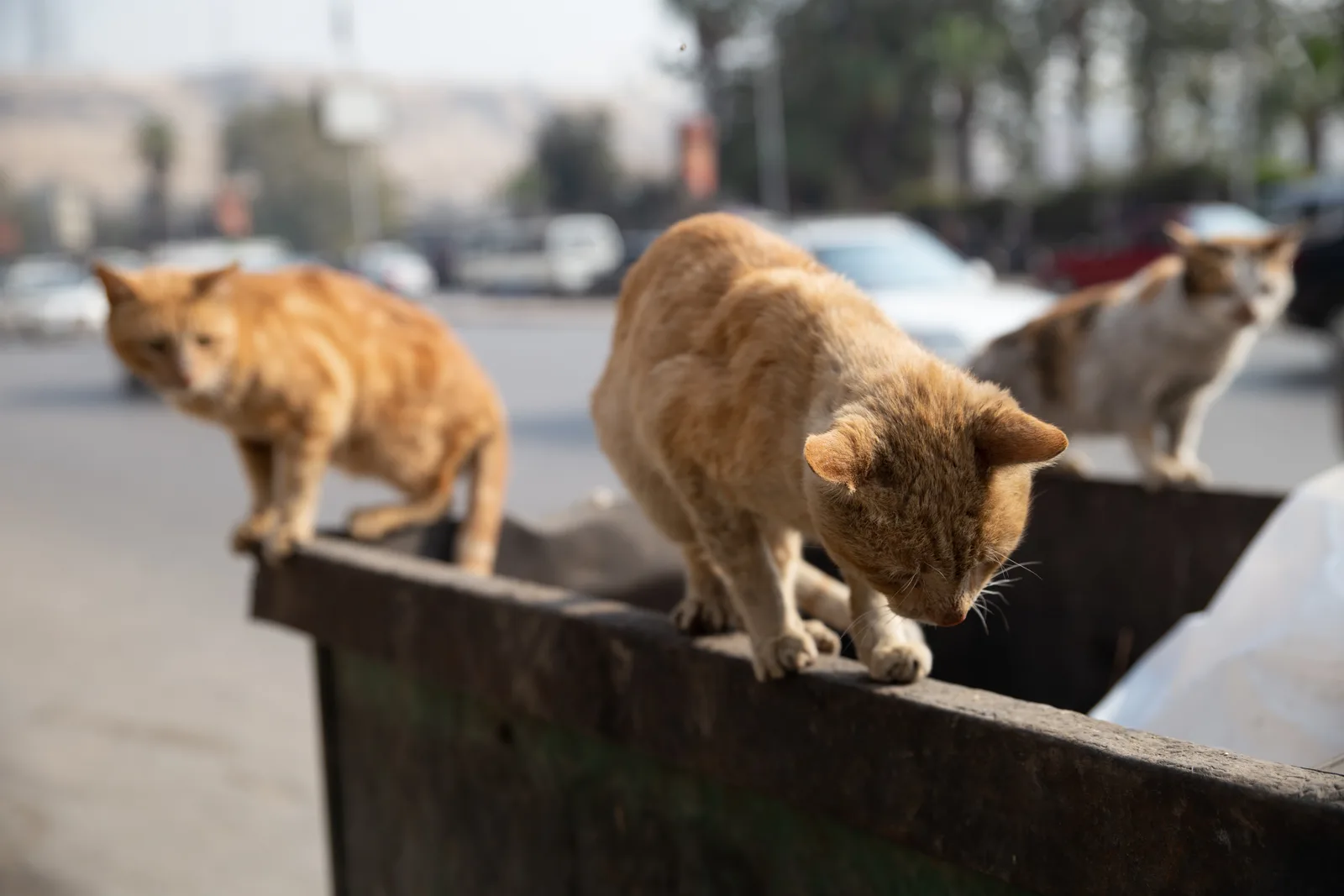
« Keda ghalat » (« Ça, c'est mal ») : maltraiter un animal est un crime au regard du Code pénal égyptien depuis 1937
Un voisin dépose des gamelles empoisonnées près du mur de l'école ; un charretier frappe son âne au visage sous une charge trop lourde. Beaucoup croient qu'« un animal » n'est protégé par aucune loi. En réalité, les articles 355, 356 et 357 du Code pénal sanctionnent tuer, empoisonner et maltraiter un animal, jusqu'à l'emprisonnement. À la veille de la Journée mondiale des animaux, voici ce que dit la loi.
3 octobre 2026 · 6 min de lecture