Le métro du Caire : comment des millions de passagers circulent sous une ville qui ne s'arrête jamais
Depuis l'ouverture de sa première ligne en 1987 — le premier métro d'Afrique et du Moyen-Orient —, le métro du Caire est devenu la colonne vertébrale du quotidien de millions d'Égyptiens. Récit de la naissance du réseau, du fonctionnement de ses trois lignes et des ambitieux projets d'extension qui se dessinent.
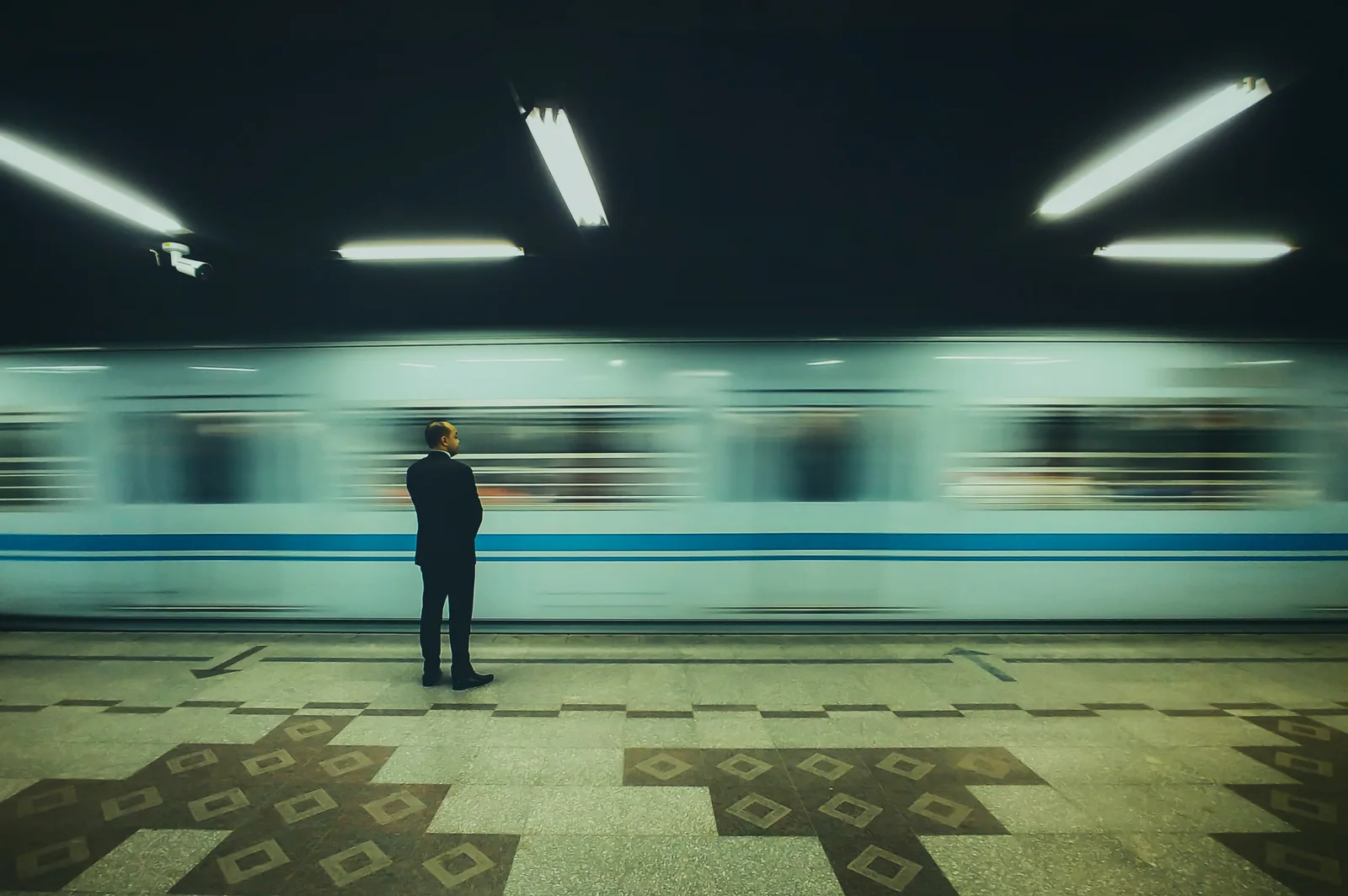
Sous les rues embouteillées du Caire, à quelques mètres seulement sous le vacarme de l’une des capitales les plus densément peuplées du monde, circule un réseau qui a discrètement transformé la vie de deux générations. Lorsque la première ligne du métro a été inaugurée en 1987, elle était la première du genre en Afrique et au Proche-Orient. Près de quatre décennies plus tard, le métro est devenu la colonne vertébrale des transports publics du Grand Caire, une agglomération de plus de vingt millions d’habitants, et l’un des réseaux urbains les plus fréquentés du continent.
L’idée est née de la nécessité. Au début des années 1980, les rues de la capitale avaient atteint le point de saturation, et les planificateurs ont opté pour une solution tirant parti de l’existant : relier deux lignes de chemin de fer de banlieue, l’une vers le sud jusqu’à Helwan, l’autre vers le nord jusqu’à El-Marg, par un tunnel passant sous le cœur de la ville. Menée en coopération avec la France, l’opération a donné naissance à une ligne d’environ quarante-quatre kilomètres qui traverse le centre-ville sans rencontrer un seul feu de circulation.
La deuxième ligne est arrivée dans les années 1990, accompagnée d’une nouvelle prouesse technique : la première traversée ferroviaire sous le lit du Nil. Elle relie Choubra El-Kheima, au nord, à El-Mounib, à Guizeh, en passant par le centre-ville et par l’université du Caire, l’un des pôles qui attirent le plus de voyageurs dans la capitale. Sa construction a reposé sur des tunneliers travaillant en profondeur sous l’un des tissus urbains les plus denses de la région.
La troisième ligne, ouverte par étapes depuis 2012, est l’artère la plus récente et la plus longue du réseau. Elle part d’Adly Mansour, à l’est, où elle rejoint le train électrique léger qui dessert les villes nouvelles, traverse le centre du Caire jusqu’à Kit Kat, où elle se divise en deux branches : l’une vers l’université du Caire, l’autre vers Rod El-Farag. Le métro atteint ainsi des quartiers comme Héliopolis, Abbassia, Zamalek et Imbaba.
Les trois lignes se croisent dans des stations de correspondance que tout usager régulier connaît par cœur : Sadate, sous la place Tahrir, et Al-Chohadaa, à Ramsès, relient les lignes 1 et 2 ; Attaba relie la 2 à la 3 ; Gamal Abdel Nasser relie la 1 à la 3 ; et l’université du Caire relie la 2 à la branche sud de la 3. Aux heures de pointe, ces stations absorbent des flux considérables de voyageurs circulant entre le nord, le sud, l’est et l’ouest de la capitale.
Les chiffres de fréquentation varient selon les sources et les saisons, mais les estimations situent depuis des années le nombre de trajets quotidiens à plusieurs millions, ce qui fait du métro du Caire l’un des réseaux les plus utilisés d’Afrique et du monde arabe. Pour des centaines de milliers d’ouvriers et d’étudiants, il n’est pas une option parmi d’autres : c’est le seul moyen réaliste de traverser la ville à l’heure et à un coût supportable.
Les titres de transport sont tarifés par tranches, selon le nombre de stations parcourues, et des cartes rechargeables sont proposées aux usagers réguliers. Les rames comportent par ailleurs des voitures réservées aux femmes, afin de rendre le trajet plus confortable aux heures de forte affluence, celles qui le souhaitent restant libres de monter dans n’importe quelle autre voiture.
Les projets d’extension se sont accélérés ces dernières années. La quatrième ligne est en construction, avec un financement japonais, en direction de Guizeh et du plateau des pyramides, et d’autres lignes figurent au schéma directeur des transports du Grand Caire à long terme. Au-delà du métro lui-même, le train électrique léger reliant Adly Mansour aux nouvelles agglomérations urbaines à l’est du Caire est entré en service ces dernières années, tandis qu’un projet de monorail doit raccorder la nouvelle capitale administrative et la ville du 6-Octobre au réseau existant.
L’argument économique est limpide. Les études consacrées aux embouteillages du Caire en chiffrent depuis des années le coût à plusieurs milliards de dollars par an en carburant gaspillé et en temps perdu, et chaque voyageur qui passe sous terre représente une voiture ou un microbus de moins sur la chaussée. Le métro a également une portée sociale : son billet reste modique face aux transports privés et aux applications de réservation de courses, ce qui maintient la mobilité urbaine à la portée des ménages modestes.
Le système n’en affronte pas moins de vraies difficultés : les rames des lignes les plus anciennes sont bondées aux heures de pointe, l’entretien d’un matériel roulant vieillissant, l’amélioration de l’accessibilité pour les personnes handicapées et le financement des extensions constituent autant de dossiers pressants, sans compter la difficile équation entre des tarifs socialement acceptables et des coûts d’exploitation, une équation qui revient au premier plan à chaque révision de la grille tarifaire.
Malgré toutes ces tensions, le métro demeure l’une des réussites les plus visibles de l’infrastructure égyptienne dans la vie quotidienne. Ce qui n’était qu’une seule ligne en 1987 est devenu une habitude quotidienne pour des millions de personnes, et son plan, redessiné tous les quelques années avec de nouvelles stations, constitue la chronique discrète de la croissance ininterrompue de la capitale elle-même.
À lire aussi
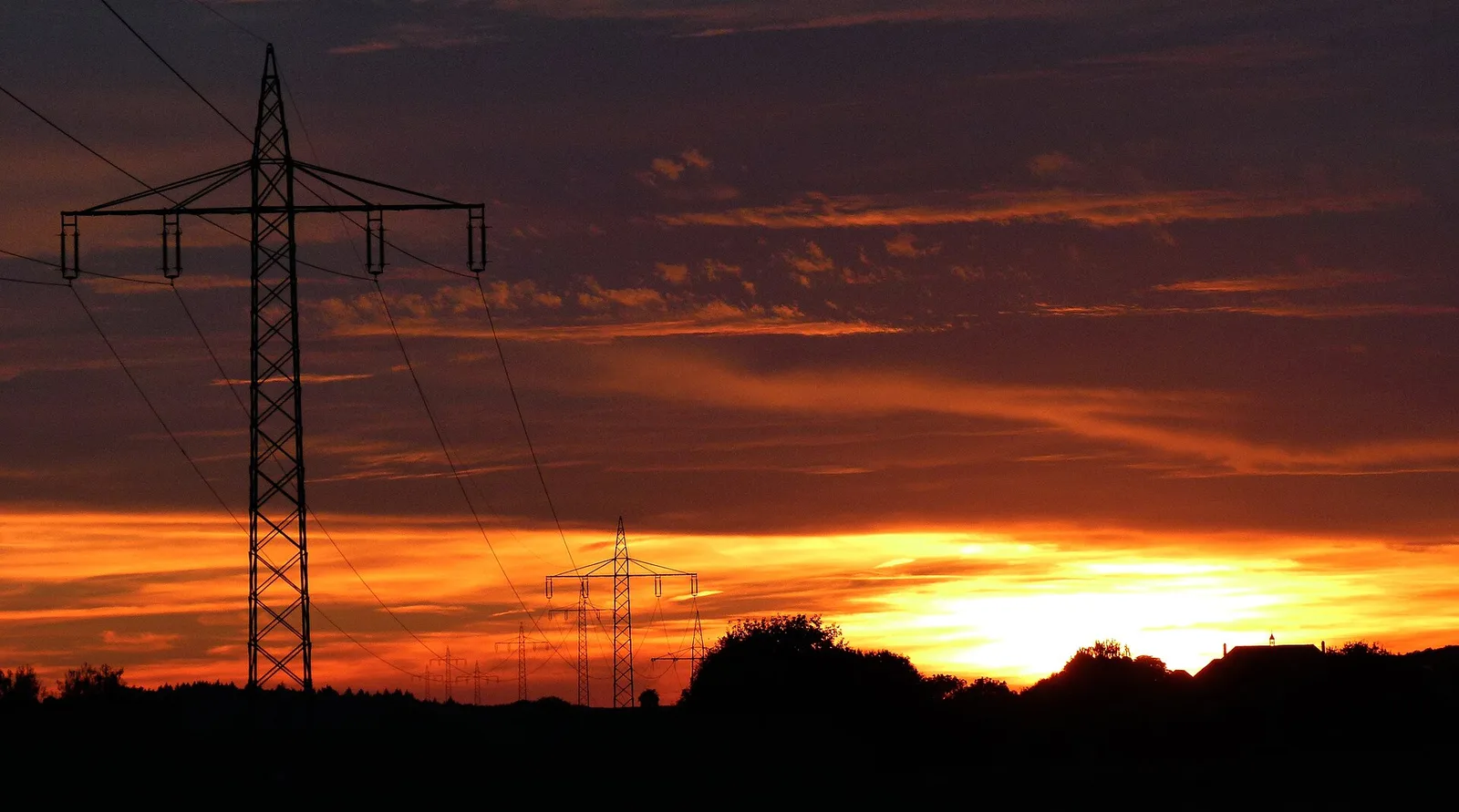
Pic d'août : le réseau électrique égyptien franchit pour la première fois les 40 000 MW, sans délestage
Le réseau national égyptien a dépassé pour la première fois de son histoire les 40 000 MW lors de la vague de chaleur de la semaine dernière, sans retour aux coupures tournantes. Comment l'approvisionnement en combustible a tenu après l'attaque de drone sur Damiette, et ce que les nouveaux tarifs signifient pour votre facture.
19 août 2026 · 7 min de lecture
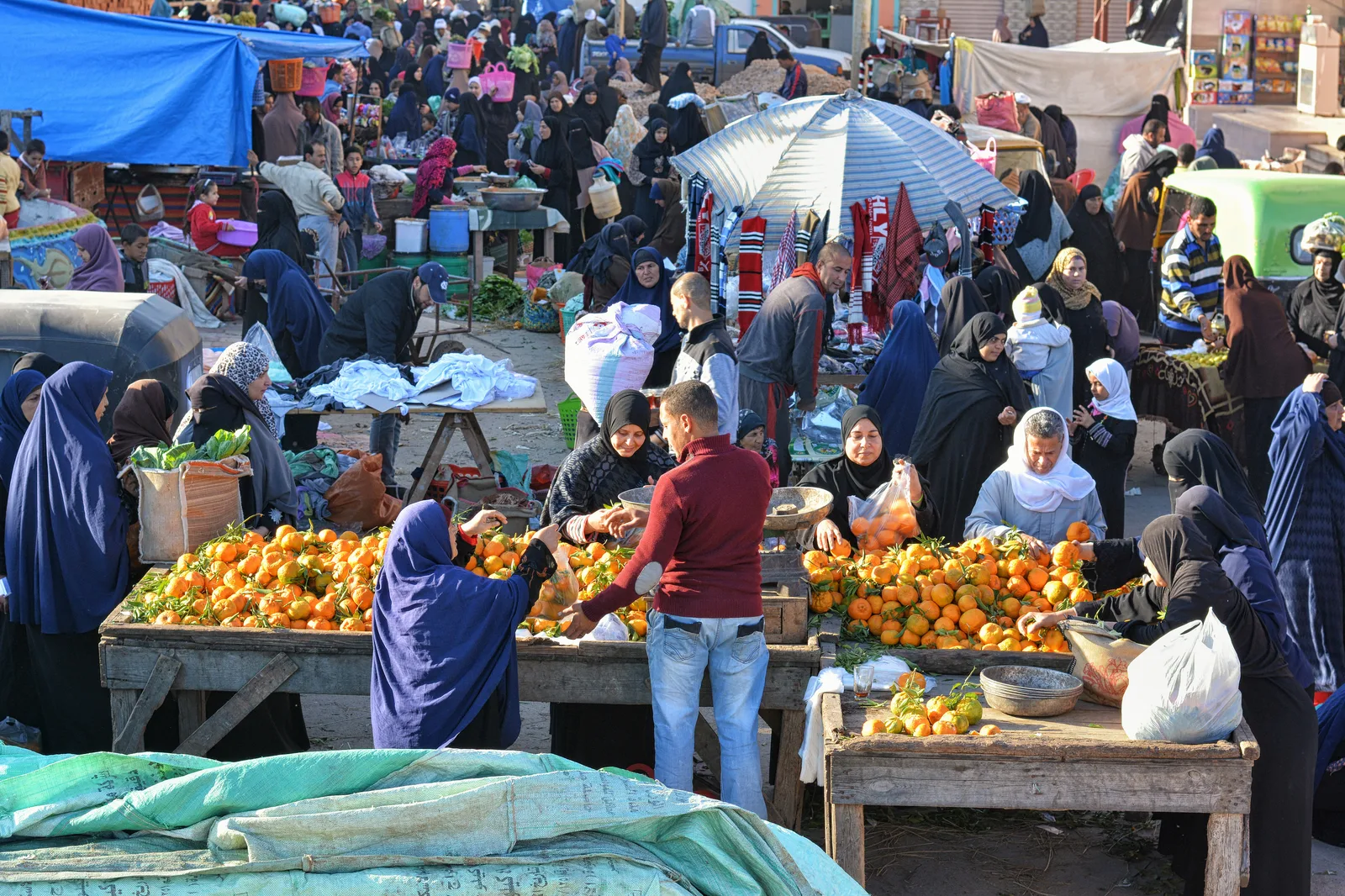
L'économie égyptienne en deux chiffres : 5,2 % de croissance et une région sous tension
Le gouvernement annonce 5,2 % de croissance sur neuf mois, tout en réexaminant ses scénarios d'urgence face à l'escalade régionale. Avec une inflation à 14,9 % et un dollar stabilisé autour de 50 livres, que signifient ces deux chiffres pour le portefeuille des ménages ?
18 août 2026 · 7 min de lecture
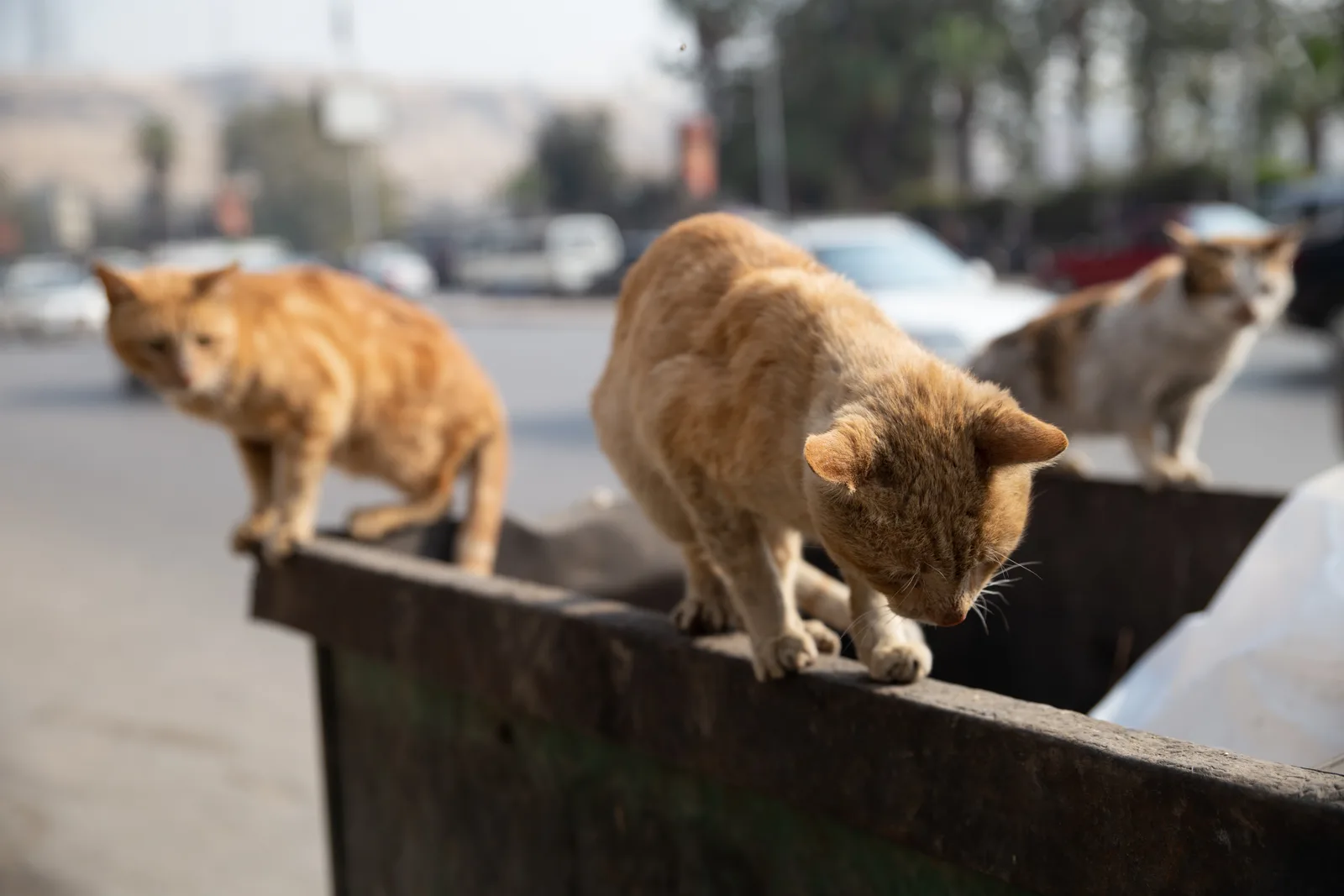
« Keda ghalat » (« Ça, c'est mal ») : maltraiter un animal est un crime au regard du Code pénal égyptien depuis 1937
Un voisin dépose des gamelles empoisonnées près du mur de l'école ; un charretier frappe son âne au visage sous une charge trop lourde. Beaucoup croient qu'« un animal » n'est protégé par aucune loi. En réalité, les articles 355, 356 et 357 du Code pénal sanctionnent tuer, empoisonner et maltraiter un animal, jusqu'à l'emprisonnement. À la veille de la Journée mondiale des animaux, voici ce que dit la loi.
3 octobre 2026 · 6 min de lecture