Le pain subventionné : comment fonctionne le plus ancien programme d'aide d'Égypte ?
Les Égyptiens l'appellent « aish », c'est-à-dire la vie même. Des cartes de rationnement aux silos à blé et aux fours de quartier, voici comment fonctionne le système de subvention du pain dont bénéficient plus de soixante millions d'Égyptiens — et pourquoi cette humble galette demeure, depuis des décennies, le dossier le plus sensible du budget comme de la politique.
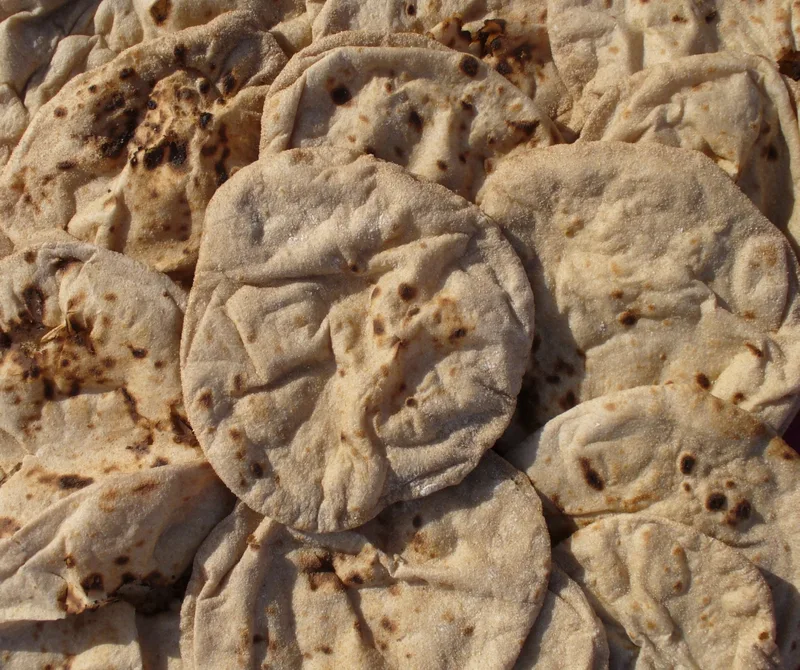
Dans l’arabe égyptien, le pain ne s’appelle pas « khoubz », comme dans la plupart des pays arabes, mais « aïch », c’est-à-dire la vie elle-même. Le mot résume à lui seul la place qu’occupe la galette ronde baladi dans l’existence des Égyptiens : pour des millions de familles, le pain subventionné, acheté pour une somme symbolique, constitue le socle du repas quotidien et l’un des postes les plus sensibles du budget de l’État.
Les subventions alimentaires en Égypte remontent à la Seconde Guerre mondiale, lorsque l’État a commencé à contrôler l’approvisionnement en produits de première nécessité ; le système s’est ensuite considérablement élargi au fil des décennies, jusqu’à couvrir, dans les années 1970, un vaste panier de denrées. En janvier 1977, une tentative gouvernementale de réduire les subventions sur le pain et d’autres produits a déclenché de larges émeutes, qui ne se sont apaisées qu’après le retrait de la décision — un épisode qui a enseigné à tous les gouvernements suivants le poids politique de la galette.
Le dispositif repose aujourd’hui sur les cartes de rationnement, dites cartes tamwine, délivrées aux ménages enregistrés : chaque personne inscrite a droit à un quota quotidien de galettes baladi subventionnées — cinq par jour et par personne, selon l’allocation en vigueur depuis de longues années — qu’elle achète dans les boulangeries agréées à une fraction du coût de production, l’État remboursant la différence aux boulangers.
L’ampleur du programme est considérable : les chiffres officiels situent depuis des années le nombre de bénéficiaires au-dessus de soixante millions de personnes, soit environ six Égyptiens sur dix, et des dizaines de milliers de boulangeries y participent à travers le pays, ce qui en fait l’une des plus vastes opérations de subvention alimentaire au monde.
Le prix de la galette subventionnée est resté figé à cinq piastres depuis la fin des années 1980, malgré tout ce qu’ont connu la valeur de la livre et les coûts de production, jusqu’à ce que le gouvernement le porte à vingt piastres en 2024, première hausse depuis environ trente-cinq ans, tout en soulignant que le pain demeurait très en deçà de son coût réel. C’est le Trésor public qui supporte cet écart, de l’ordre de dizaines de milliards de livres par an.
Derrière chaque galette se déploie une chaîne d’approvisionnement qui commence loin de l’Égypte : le pays figure parmi les plus grands importateurs de blé au monde, la récolte locale ne couvrant qu’une partie des besoins nationaux. L’État achète le blé par appels d’offres internationaux et auprès des agriculteurs égyptiens à des prix de livraison annoncés chaque saison, le stocke dans un réseau de silos fortement étendu ces dernières années, puis le fait moudre en farine à taux d’extraction élevé, celle du pain baladi.
Le milieu de la décennie écoulée a été marqué par une réforme décisive : les cartes à puce ont remplacé les documents en papier et les boulangeries ont commencé à être payées par voie électronique pour les galettes effectivement distribuées, et non plus pour la farine reçue, ce qui a sensiblement réduit les fuites et le gaspillage. Un système de points permet en outre aux familles d’échanger la part de pain qu’elles ne consomment pas contre d’autres denrées dans les points de vente subventionnés.
L’exposition du système aux marchés mondiaux reste toutefois une faiblesse permanente : les flambées des cours internationaux du blé — les plus fortes ayant suivi la guerre en Ukraine et la perturbation des exportations de la mer Noire — alourdissent la facture des importations, et les mouvements du taux de change amplifient la pression. C’est pourquoi les capacités de stockage, la diversification des fournisseurs et l’augmentation des achats locaux sont traitées comme des questions de sécurité nationale au sens plein du terme.
Les économistes débattent depuis longtemps de l’avenir de la subvention : un camp plaide pour un ciblage plus fin, qui garantirait que l’aide parvienne aux plus démunis et allégerait la charge budgétaire ; un autre met en garde contre la difficulté administrative du tri et voit dans l’accès universel au pain une soupape de sécurité sociale inestimable. Des propositions de remplacement de l’aide en nature par des transferts monétaires refont surface de temps à autre, sans que le débat soit tranché jusqu’ici.
Le pain possède par ailleurs en Égypte un poids civilisationnel antérieur à tout ministère : les Égyptiens cuisent des galettes rondes depuis des milliers d’années, les scènes des tombes antiques représentent les fours et leurs ouvriers, et la galette baladi consommée aujourd’hui descend en droite ligne de cette tradition, des temps pharaoniques aux tables contemporaines.
Quelle que soit la forme que prendra la prochaine réforme, les données de fond ne changeront pas de sitôt : une population qui augmente, une galette sur laquelle repose l’alimentation de la majorité, et un engagement de l’État que l’histoire a solidement ancré. Comprendre le fonctionnement du système du pain, c’est comprendre une grande part du fonctionnement de l’économie égyptienne elle-même.
À lire aussi

Pic d'août : le réseau électrique égyptien franchit pour la première fois les 40 000 MW, sans délestage
Le réseau national égyptien a dépassé pour la première fois de son histoire les 40 000 MW lors de la vague de chaleur de la semaine dernière, sans retour aux coupures tournantes. Comment l'approvisionnement en combustible a tenu après l'attaque de drone sur Damiette, et ce que les nouveaux tarifs signifient pour votre facture.
19 août 2026 · 7 min de lecture
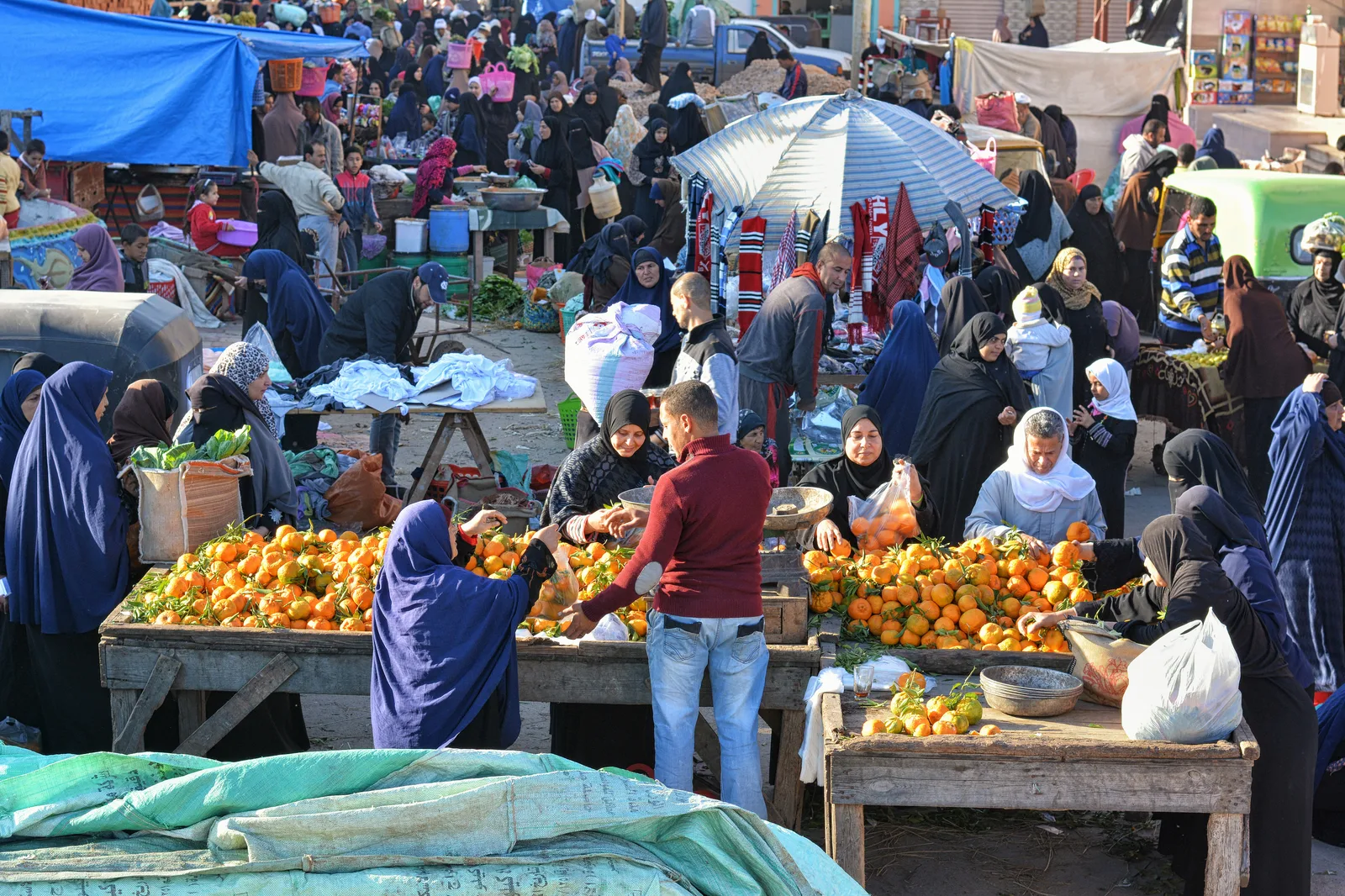
L'économie égyptienne en deux chiffres : 5,2 % de croissance et une région sous tension
Le gouvernement annonce 5,2 % de croissance sur neuf mois, tout en réexaminant ses scénarios d'urgence face à l'escalade régionale. Avec une inflation à 14,9 % et un dollar stabilisé autour de 50 livres, que signifient ces deux chiffres pour le portefeuille des ménages ?
18 août 2026 · 7 min de lecture
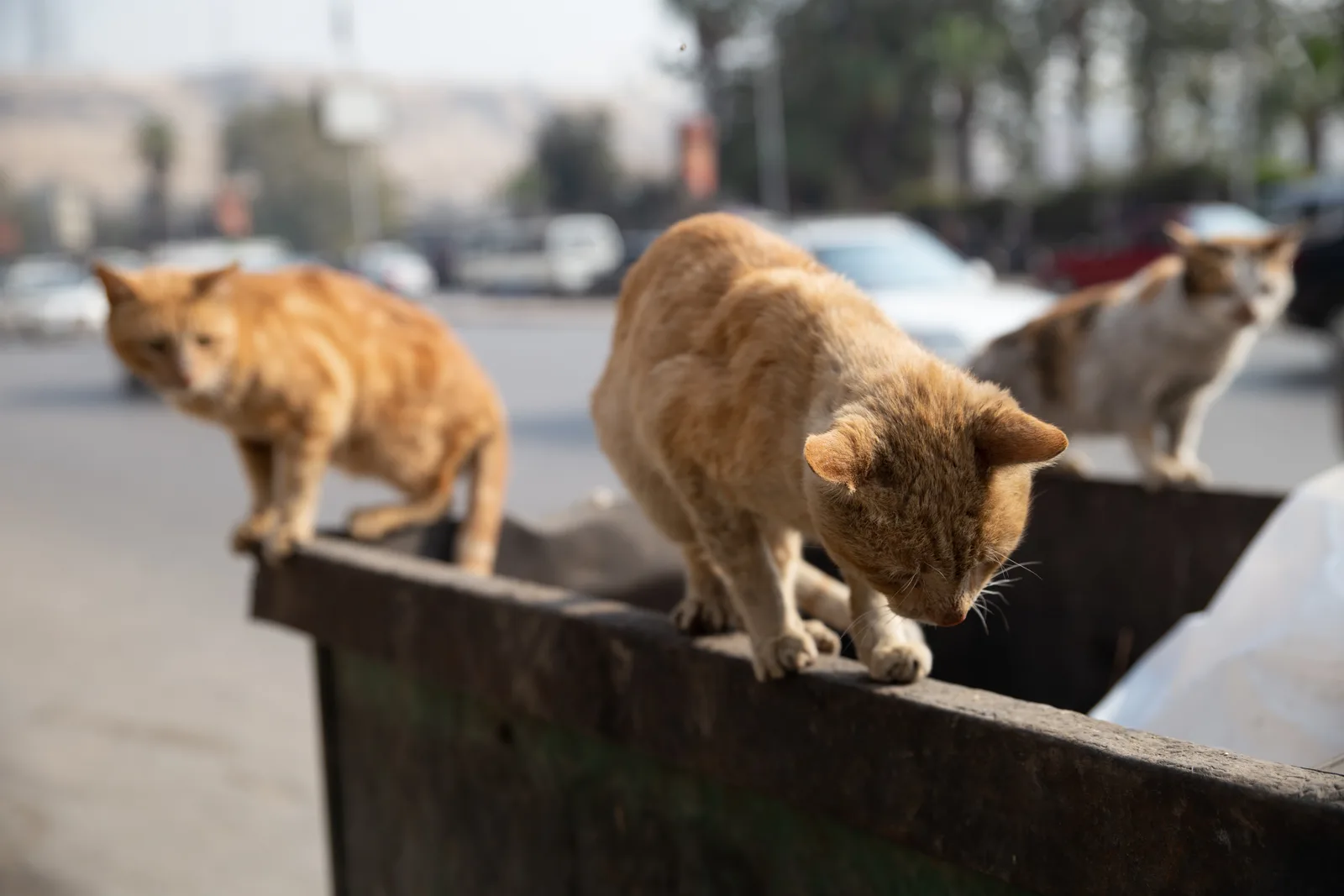
« Keda ghalat » (« Ça, c'est mal ») : maltraiter un animal est un crime au regard du Code pénal égyptien depuis 1937
Un voisin dépose des gamelles empoisonnées près du mur de l'école ; un charretier frappe son âne au visage sous une charge trop lourde. Beaucoup croient qu'« un animal » n'est protégé par aucune loi. En réalité, les articles 355, 356 et 357 du Code pénal sanctionnent tuer, empoisonner et maltraiter un animal, jusqu'à l'emprisonnement. À la veille de la Journée mondiale des animaux, voici ce que dit la loi.
3 octobre 2026 · 6 min de lecture