L'économie égyptienne en deux chiffres : 5,2 % de croissance et une région sous tension
Le gouvernement annonce 5,2 % de croissance sur neuf mois, tout en réexaminant ses scénarios d'urgence face à l'escalade régionale. Avec une inflation à 14,9 % et un dollar stabilisé autour de 50 livres, que signifient ces deux chiffres pour le portefeuille des ménages ?
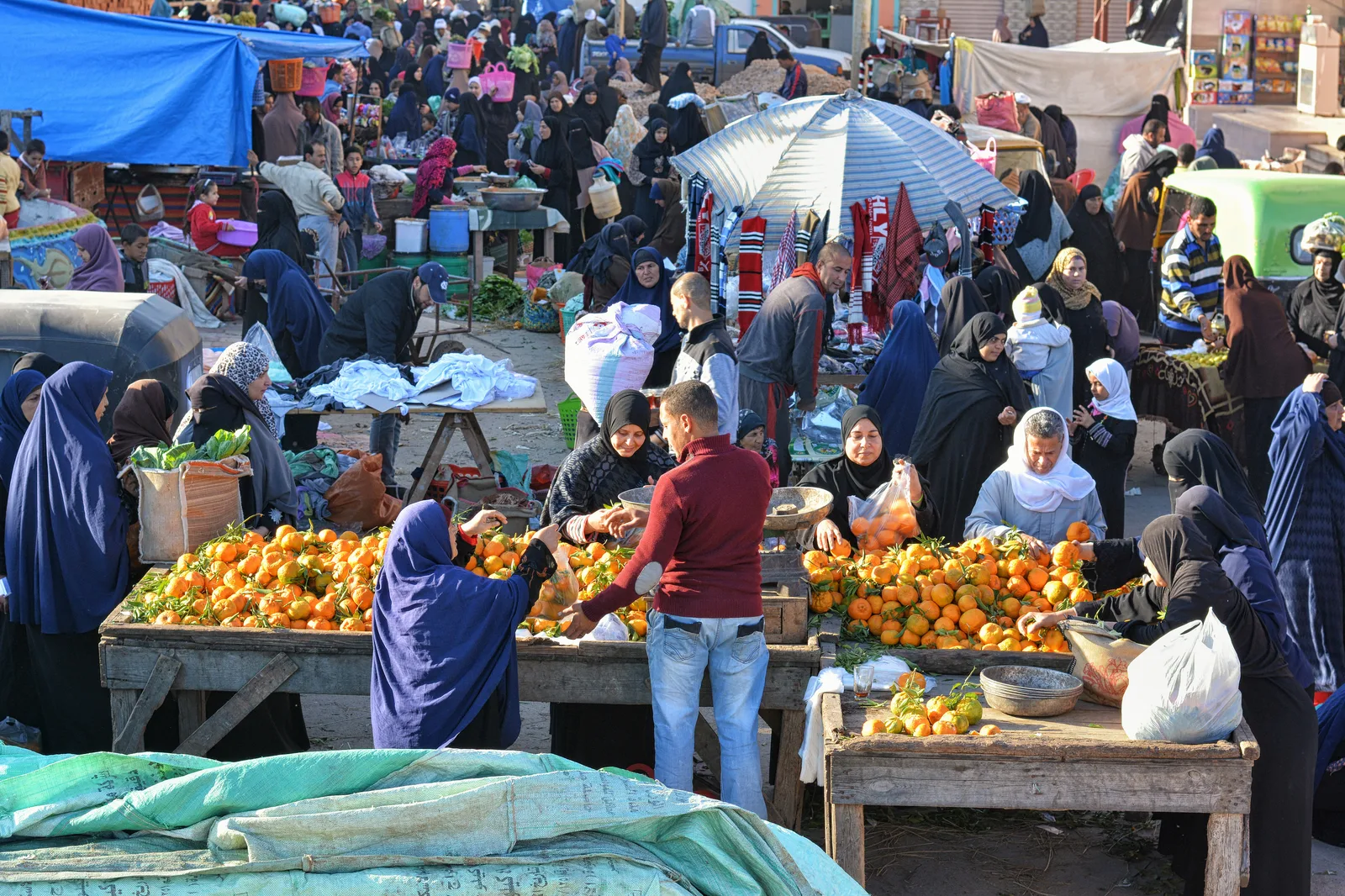
L'économie égyptienne vit cet été au rythme de deux chiffres qui se retrouvent rarement dans le même bulletin : une croissance de 5,2 % sur les neuf premiers mois de l'exercice budgétaire 2025/2026, selon le ministère de la Planification et du Développement économique, et des scénarios d'urgence « actualisés » que le gouvernement passe en revue en prévision des retombées de l'escalade régionale. Entre ces deux chiffres se tient le citoyen, qui s'interroge sur ce que tout cela signifie pour ses prix et pour son emploi.
Le premier chiffre a été annoncé par le ministère de la Planification début juin : le produit intérieur brut a progressé de 5,2 % entre juillet 2025 et mars 2026, avec 5,3 % au premier comme au deuxième trimestre, puis 5 % au troisième (janvier-mars), celui-là même qui a coïncidé avec le déclenchement du dernier cycle d'escalade régionale. Le ministère attribue cette performance à la reprise de l'activité du secteur privé.
Le second chiffre ne s'affiche sur aucun écran, mais il est présent à chaque réunion gouvernementale. Le Conseil des ministres a consacré une partie de sa réunion hebdomadaire, tenue mi-août dans la nouvelle ville d'El-Alamein, à l'examen des « scénarios actualisés » préparés par les ministères pour faire face aux répercussions possibles des tensions, de Gaza et du Liban jusqu'à l'escalade entre Washington et Téhéran, selon le communiqué de la primature. Dès le début du mois de mars, le Premier ministre Moustafa Madbouli avait ordonné la mise à jour des « scénarios intégrés » et l'élaboration, en coordination avec la Banque centrale, d'un plan destiné à garantir les devises nécessaires aux produits alimentaires, aux produits pétroliers et aux intrants de production.
Les lignes de défense évoluent pour l'instant dans le bon sens. Selon ce qu'a annoncé Moustafa Madbouli lors de cette même réunion, les réserves de change ont atteint 56,3 milliards de dollars fin juillet, en hausse d'environ 1,2 milliard par rapport à juin, tandis que le gouvernement affirme que les stocks de certains produits de base — dont le sucre — couvrent près d'une année entière. Depuis juillet, l'État accélère par ailleurs la constitution de ses réserves de carburant, par précaution face à toute perturbation de la navigation aux abords du détroit d'Ormuz, rapporte le média économique « AGBI ».
Sur le front des prix, là où le citoyen ressent la tension en premier, l'inflation a mis fin à une courte accalmie et est repartie à la hausse : 14,9 % dans les villes en juillet, contre 14,3 % en juin, sous l'effet principal des prix alimentaires, selon l'Agence centrale de la mobilisation publique et des statistiques (CAPMAS). Le taux s'établissait à 11,9 % en janvier, avant l'intensification de l'escalade : la vie chère s'est donc accélérée de trois points de pourcentage en six mois.
Le taux de change, lui, raconte les deux moitiés de l'histoire. Au plus fort de l'escalade, fin avril, le dollar valait officiellement près de 53 livres et s'est approché de 54 dans certaines banques au début du mois de mai, d'après la couverture de la chaîne « Al Arabiya », avant de revenir cette semaine autour de 50,2 livres selon les cours de la Banque centrale. Le redressement relatif de la livre allège le coût des importations, mais il reste suspendu à la poursuite des entrées de dollars du tourisme, du canal et des transferts des Égyptiens de l'étranger.
Le canal de Suez, la ressource de l'État la plus sensible à l'humeur de la région, se rétablit sans être rétabli. Ses recettes ont atteint 4,67 milliards de dollars sur l'exercice 2025/2026, en hausse de 23 %, avec une moyenne mensuelle d'environ 390 millions de dollars selon le Fonds monétaire international, soit moins de la moitié de son sommet historique, de l'ordre de 10 milliards de dollars par an avant la crise de la mer Rouge. Chaque mois passé sous ce sommet représente des devises qui n'entrent pas dans les caisses de l'État et ne soutiennent pas la livre.
Le tourisme constitue jusqu'ici l'exception régionale. Le nombre d'arrivées a augmenté de 16 % au premier trimestre 2026, alors que le tourisme reculait de 14 % dans l'ensemble du Moyen-Orient, selon les données d'ONU Tourisme reprises par « Al-Ahram », et le pays a accueilli 6,1 millions de visiteurs sur les quatre premiers mois, en hausse de 7 %. Les recettes du secteur ont pour leur part grimpé à 10,2 milliards de dollars sur le premier semestre de l'exercice, soit une progression de 17,3 %, selon des données officielles rapportées par « Egypt Independent ». Mais le ralentissement de la croissance cumulée, de 16 % à 7 % dès l'entrée dans le mois d'avril, montre à quelle vitesse toute escalade atteint un secteur dont vivent des millions de familles.
Sur le front de l'emploi, le ministère de la Planification impute la croissance au dynamisme retrouvé du secteur privé, premier employeur de l'économie. Le Fonds monétaire international a toutefois abaissé sa prévision de croissance pour l'exercice 2026/2027 à environ 4,4 %, invoquant le recul de l'investissement, le renchérissement du financement et l'incertitude liée au conflit : autant de facteurs qui freinent d'ordinaire la création d'emplois avant d'apparaître dans le moindre autre indicateur.
La préparation a, elle aussi, un coût. En avril, la cellule de gestion de crise présidée par Moustafa Madbouli a adopté un train de mesures visant à rationaliser la dépense publique et la consommation, tandis que la constitution des stocks alimentaires et pétroliers absorbe une part de devises déjà rares. L'équation affichée par le gouvernement : rassurer les marchés sans épuiser ces réserves qu'il présente comme la preuve de sa solidité.
Dans les semaines à venir, trois indicateurs dessineront l'état du « porte-monnaie du citoyen » : les chiffres de l'inflation d'août et la persistance ou non de la flambée alimentaire, le rythme du retour des compagnies maritimes dans le canal, et la trajectoire des cours du pétrole, otage de l'attentisme régional. Autant d'éléments qui pèseront sur les décisions de taux de la Banque centrale.
Au bout du compte, les deux chiffres sont vrais en même temps : une économie qui croît à l'un de ses rythmes les plus rapides depuis des années, au sein d'une région capable de grignoter cette croissance par les bords à tout moment. La remontée des réserves et des entrepôts pleins ne laissent aucune place à la panique ; une inflation proche de 15 % et un canal fonctionnant à moins de la moitié de sa capacité de recettes n'en laissent pas davantage au relâchement.
À lire aussi
Pic d'août : le réseau électrique égyptien franchit pour la première fois les 40 000 MW, sans délestage
Le réseau national égyptien a dépassé pour la première fois de son histoire les 40 000 MW lors de la vague de chaleur de la semaine dernière, sans retour aux coupures tournantes. Comment l'approvisionnement en combustible a tenu après l'attaque de drone sur Damiette, et ce que les nouveaux tarifs signifient pour votre facture.
19 août 2026 · 7 min de lecture
« Keda ghalat » (« Ça, c'est mal ») : maltraiter un animal est un crime au regard du Code pénal égyptien depuis 1937
Un voisin dépose des gamelles empoisonnées près du mur de l'école ; un charretier frappe son âne au visage sous une charge trop lourde. Beaucoup croient qu'« un animal » n'est protégé par aucune loi. En réalité, les articles 355, 356 et 357 du Code pénal sanctionnent tuer, empoisonner et maltraiter un animal, jusqu'à l'emprisonnement. À la veille de la Journée mondiale des animaux, voici ce que dit la loi.
3 octobre 2026 · 6 min de lecture

Octobre rose : dépistage gratuit à l'unité de santé, pourquoi la détection précoce change le destin des Égyptiennes
« Je n'ai mal nulle part » n'est pas une raison de remettre à plus tard. Depuis juillet 2019, les unités de santé égyptiennes ouvrent gratuitement leurs portes à toute femme dès 18 ans, et en juin 2026 la part des cas découverts à un stade avancé était tombée de 60 % à 19,5 %. Nous expliquons ce qui se passe à l'unité, quels signes doivent conduire à la consultation, et pourquoi la peur retarde ce dépistage essentiel.
2 octobre 2026 · 7 min de lecture