Comment l'Égypte a vaincu l'hépatite C : la plus grande campagne de dépistage et de traitement au monde
L'Égypte détenait le taux d'infection par le virus de l'hépatite C le plus élevé du monde ; en quelques années, elle est devenue un exemple mondial de réussite en santé publique. Voici l'histoire de la campagne « 100 millions de santé » : comment le dépistage et le traitement gratuits ont atteint des millions d'Égyptiens, au point que l'Organisation mondiale de la santé a salué le pays en pionnier.
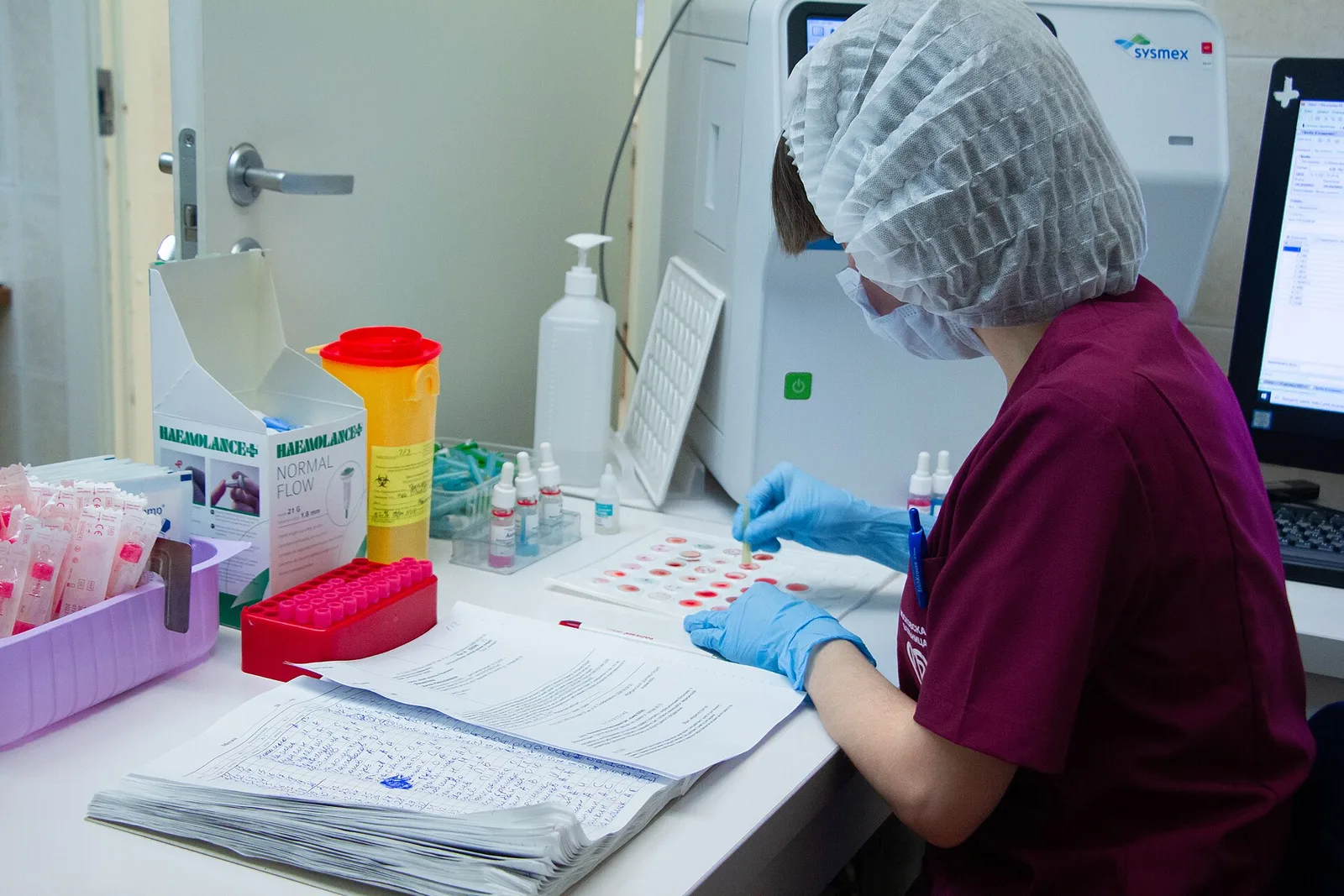
Il n’y a pas si longtemps, l’Égypte portait un titre peu enviable : le taux de prévalence de l’hépatite C le plus élevé au monde. Aujourd’hui, l’expérience égyptienne est enseignée dans les cercles internationaux de la santé publique comme un modèle de ce que la volonté politique peut accomplir lorsqu’elle rencontre la science moderne et une bonne organisation. C’est une rare histoire de métamorphose : d’un lourd fardeau national à une réussite attestée par l’Organisation mondiale de la santé.
Les racines du drame remontent au milieu du XXe siècle, lorsque l’État a lancé de vastes campagnes contre la bilharziose, la maladie parasitaire qui épuisait les paysans égyptiens depuis des siècles. Les injections étaient alors administrées avec des seringues en verre que l’on remplissait et réutilisait de nombreuses fois sans stérilisation suffisante, à une époque où le virus de l’hépatite C n’avait même pas encore été découvert. Ainsi, en voulant soigner une maladie, un autre virus, silencieux, est passé d’un corps à l’autre par centaines de milliers, et s’est transmis pendant des décennies par les transfusions sanguines et les instruments médicaux non stérilisés.
Lorsque des moyens de mesure précis sont devenus disponibles, l’ampleur de la catastrophe est apparue : les enquêtes nationales de santé menées il y a une dizaine d’années indiquaient que près d’un adulte égyptien sur dix portait des anticorps contre le virus, autrement dit qu’il avait été exposé à l’infection à un moment ou à un autre. L’infection chronique fibrosait lentement le foie, jusqu’à ce que les maladies hépatiques et leurs complications — cirrhose et cancer du foie — deviennent une cause majeure de décès et de souffrance dans le pays.
Pendant de longues années, le seul traitement disponible, les injections d’interféron, tenait du calvaire : des mois d’injections hebdomadaires aux effets secondaires brutaux, comparables à une grippe sans fin, pour des taux de guérison modestes qui dépassaient à peine la moitié des patients dans le meilleur des cas. Beaucoup ont préféré vivre avec la maladie plutôt que d’affronter cette épreuve, et le virus a continué de se propager et de faucher.
Puis vint le tournant scientifique : l’arrivée des antiviraux à action directe, au premier rang desquels le sofosbuvir, mis sur le marché mondial au milieu de la décennie précédente. Des comprimés pris par voie orale pendant quelques semaines seulement, avec des taux de guérison supérieurs à quatre-vingt-quinze pour cent et des effets indésirables limités. Seul obstacle : un prix international exorbitant. L’Égypte a négocié une remise sans précédent, puis ouvert la voie aux laboratoires locaux pour produire des génériques équivalents, ramenant le coût d’une cure complète à une fraction infime du prix mondial.
Un médicament bon marché ne suffit pas si le malade ignore qu’il est malade. C’est là qu’est intervenue l’étape la plus audacieuse : la campagne « 100 millions de santé », lancée à l’automne 2018 avec un objectif sans équivalent dans le monde, dépister tous les adultes du pays. Le test était gratuit, dans les unités sanitaires, les hôpitaux et des points mobiles installés jusque dans les villages, les hameaux et les gares. En reliant les résultats au numéro d’identité nationale, chaque cas positif pouvait être suivi et orienté vers un parcours de soins clairement balisé.
En quelques mois, des dizaines de millions de personnes ont été dépistées — environ soixante millions d’adultes — dans ce qui constitue la plus vaste campagne de dépistage jamais menée pour une seule maladie dans l’histoire de la santé publique. La campagne ne s’est pas limitée à l’hépatite C : elle a également mesuré la tension artérielle, la glycémie et l’obésité, se transformant en un dépistage complet des maladies non transmissibles.
Toute personne dont l’infection était confirmée entrait dans un parcours de soins gratuit et complet : analyses de confirmation, évaluation de l’état du foie, puis délivrance du traitement par antiviraux à action directe. Par cette voie, plus de quatre millions d’Égyptiens ont été soignés au fil des années du programme, et la prévalence de l’infection active a chuté brutalement, un recul sans précédent dans un pays de cette taille démographique.
La reconnaissance internationale est venue couronner ce parcours : en 2023, l’Organisation mondiale de la santé a décerné à l’Égypte la certification « niveau or » sur la voie de l’élimination de l’hépatite C, faisant d’elle le premier pays au monde à l’obtenir. Cela signifie que l’Égypte a satisfait à des critères stricts en matière de diagnostic, de traitement, de sécurité transfusionnelle et de lutte contre les infections, et qu’il lui reste à préserver ces acquis jusqu’à la déclaration pleine et entière de l’élimination de la maladie en tant que menace pour la santé publique.
La bataille n’est pas tout à fait terminée : préserver l’acquis exige une vigilance constante — dépistage des futurs époux, des femmes enceintes et des donneurs de sang, stérilisation rigoureuse des instruments médicaux comme du matériel de coiffure et de tatouage utilisé hors des structures de santé, et traitement immédiat de tout nouveau cas avant qu’il ne transmette l’infection. Quant à ceux qui présentaient une fibrose avancée avant le traitement, ils doivent continuer à faire surveiller régulièrement leur foie, même une fois guéris du virus lui-même.
L’expérience égyptienne se résume à trois leçons devenues une référence mondiale : une décision politique qui a érigé le dossier en priorité nationale absolue, un médicament local bon marché qui a brisé le monopole du prix mondial, et un parcours simple pour le patient, du dépistage au traitement, sans complications ni frais. Autant de leçons que de nombreux pays encore touchés par le virus aspirent aujourd’hui à reproduire, avec l’appui de l’Organisation mondiale de la santé.
À l’échelle individuelle, le message est simple : si vous ne vous êtes jamais fait dépister, le test est disponible gratuitement dans les établissements de santé publics, et le traitement, si une infection est décelée, tient en quelques semaines de comprimés, avec des taux de guérison proches de cent pour cent. Un virus qui a décimé les Égyptiens pendant près d’un siècle peut désormais être vaincu par une goutte de sang et un cachet.
À lire aussi
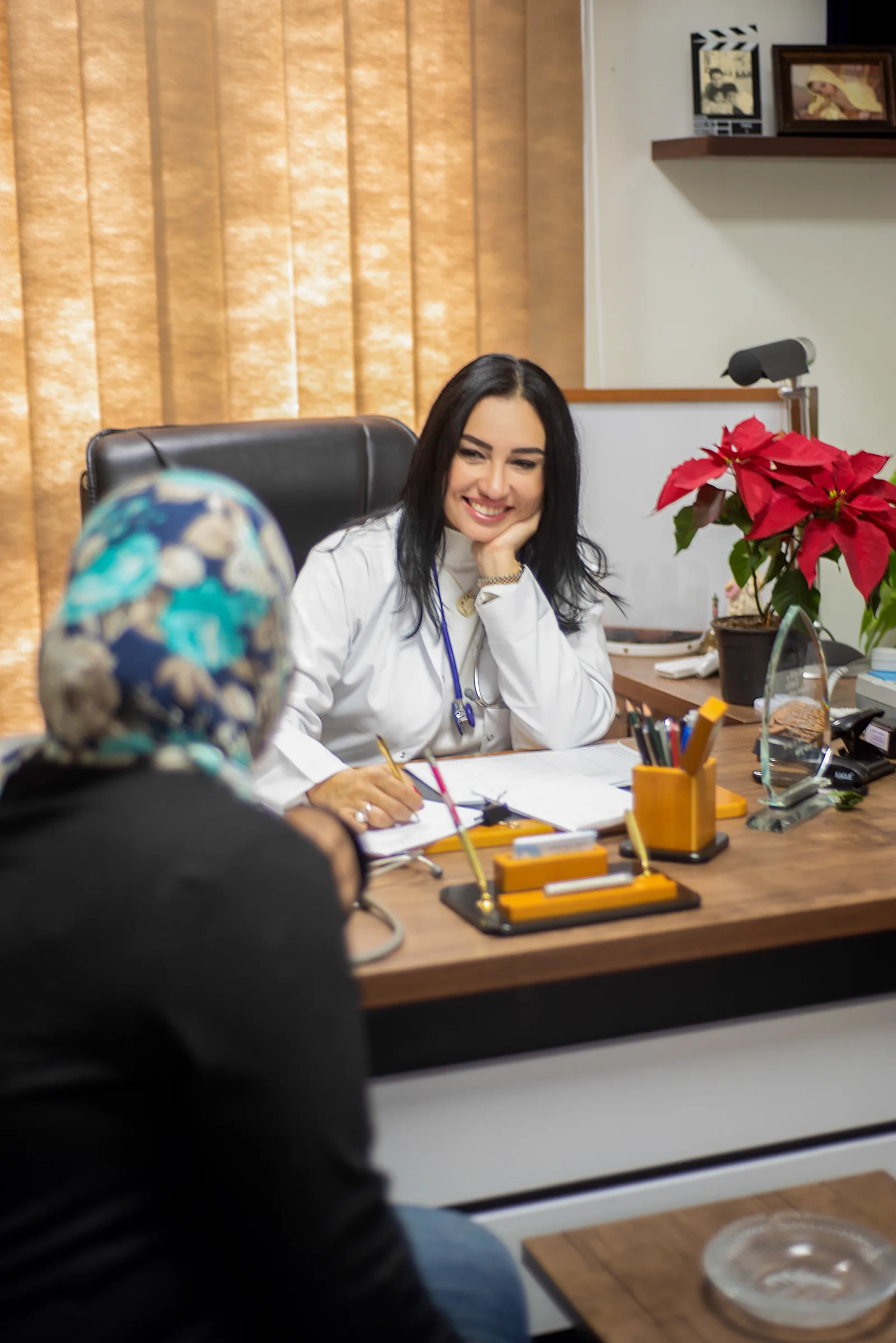
Octobre rose : dépistage gratuit à l'unité de santé, pourquoi la détection précoce change le destin des Égyptiennes
« Je n'ai mal nulle part » n'est pas une raison de remettre à plus tard. Depuis juillet 2019, les unités de santé égyptiennes ouvrent gratuitement leurs portes à toute femme dès 18 ans, et en juin 2026 la part des cas découverts à un stade avancé était tombée de 60 % à 19,5 %. Nous expliquons ce qui se passe à l'unité, quels signes doivent conduire à la consultation, et pourquoi la peur retarde ce dépistage essentiel.
2 octobre 2026 · 7 min de lecture
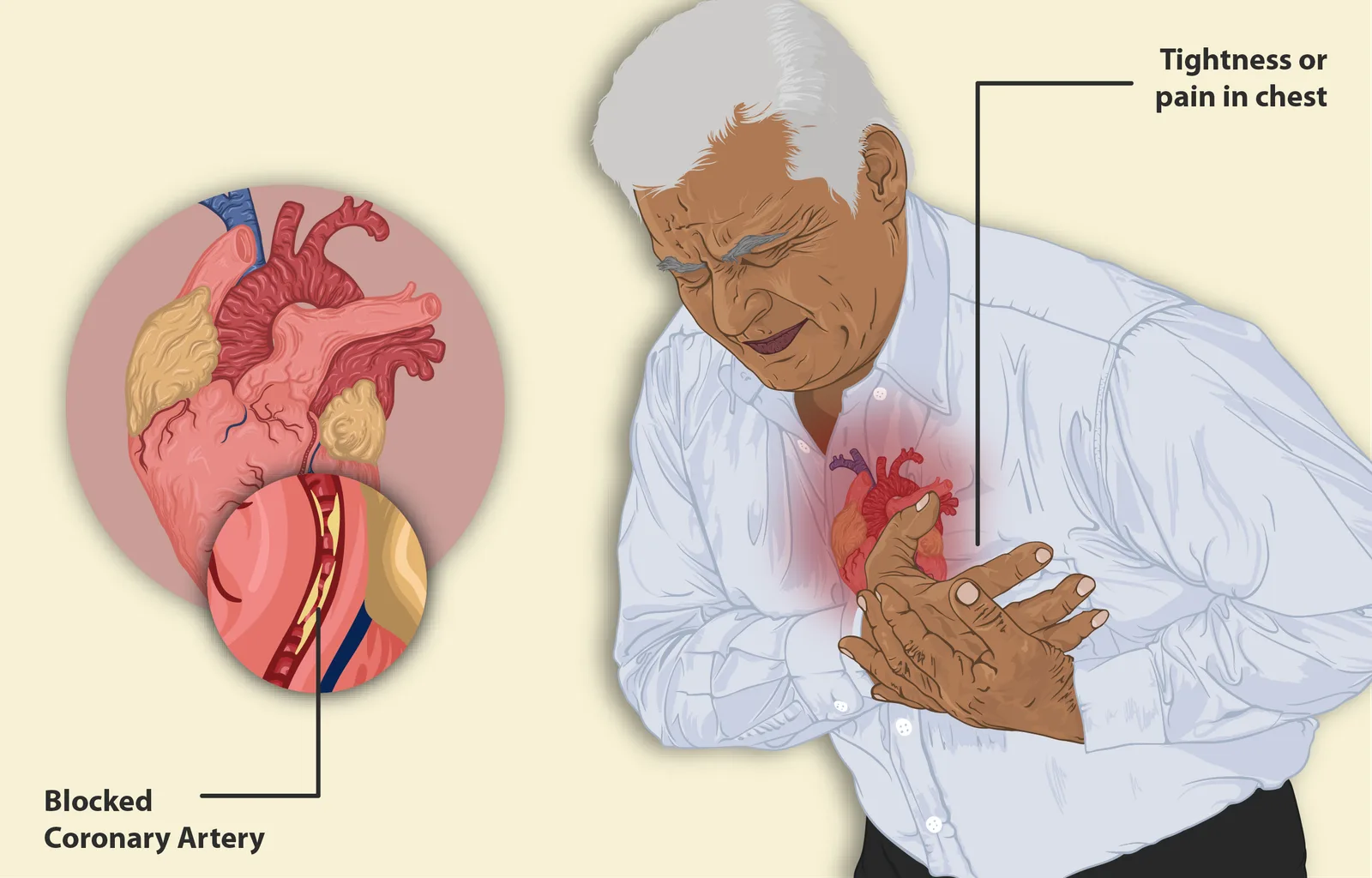
Journée mondiale du cœur : reconnaître à temps l'angine et l'infarctus, et les premiers gestes
Un homme d'une cinquantaine d'années met la lourdeur dans sa poitrine sur le compte d'une « acidité » due à un dîner copieux et remet l'hôpital au lendemain. Pour la Journée mondiale du cœur, nous expliquons la différence entre angine, infarctus, arrêt cardiaque et AVC, les signes recensés par l'OMS, y compris chez les femmes, et que faire dans les premières minutes : appeler le 123, gratuit, s'asseoir et ne pas conduire.
29 septembre 2026 · 7 min de lecture
La santé mentale n'est pas un luxe : quand la tristesse devient-elle une maladie, et où trouver de l'aide sans stigmatisation ?
Entre « sois fort » et « tu manques de foi », les personnes qui souffrent de dépression et d'anxiété s'étiolent en silence. Un guide pratique qui distingue le chagrin passager de la maladie qui exige un traitement, explique la différence entre le psychiatre et le psychologue, et trace le chemin de l'aide en Égypte, avec des mots qui ouvrent la porte au lieu de la refermer.
31 août 2026 · 7 min de lecture