La livre et le panier de courses : comment l'inflation agit au marché et comment les familles égyptiennes s'adaptent
Pourquoi le même panier de riz, d'huile et de légumes coûte-t-il plus cher à chaque saison, même pour des produits cultivés en Égypte ? Une explication simple du chemin que parcourent l'inflation et la valeur de la livre, des ports jusqu'aux étals des marchés, du rôle des subventions pour amortir le choc, et des stratégies éprouvées grâce auxquelles les familles font face.
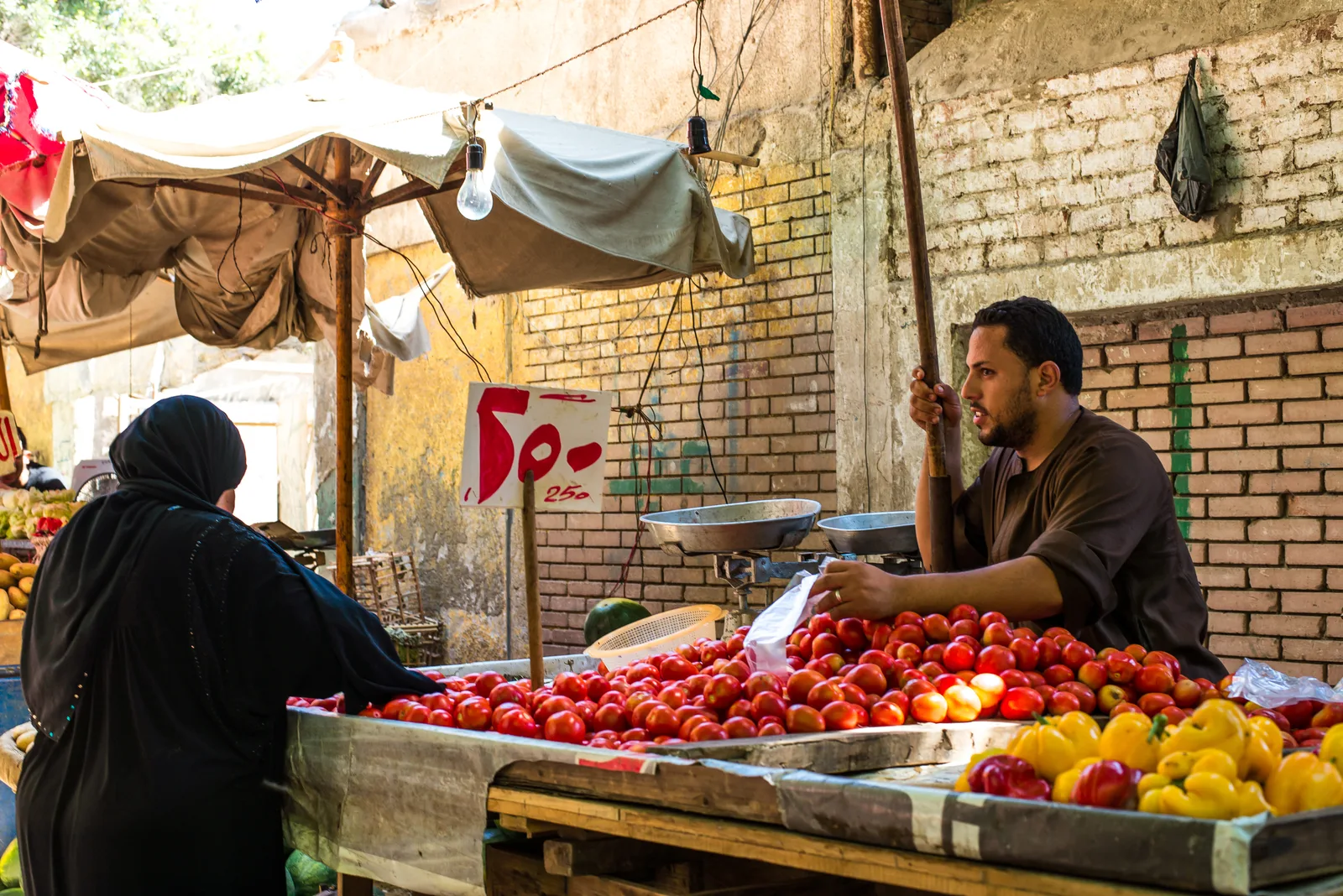
Quiconque fait les courses pour un foyer en Égypte connaît ce sentiment : le même panier de riz, d’huile, de légumes et de pain semble coûter plus cher à chaque saison qui passe. Ce dossier ne cite ni les prix du jour ni les taux de change, qui varient sans cesse ; il explique plutôt les rouages qui se cachent derrière les chiffres : qu’est-ce que l’inflation, au juste ? Pourquoi la valeur de la livre égyptienne finit-elle par atteindre l’étal du marchand de légumes ? Comment les subventions amortissent-elles le choc ? Et quelles stratégies les familles égyptiennes emploient-elles depuis longtemps pour étirer un revenu fixe sur une facture qui grimpe ?
L’inflation est simplement une hausse durable du niveau général des prix, autre manière de dire que le pouvoir d’achat de la monnaie recule : le même billet achète moins qu’auparavant. L’agence égyptienne de statistiques, le CAPMAS, la mesure en suivant le coût d’un panier fixe de biens et de services. Comme l’alimentation et les boissons représentent une part importante des dépenses du ménage égyptien moyen, l’inflation alimentaire se ressent ici plus durement que dans les pays où les courses ne pèsent qu’une petite fraction du budget.
Le taux de change compte parce que l’Égypte importe une large part de ce qu’elle mange et utilise : elle figure parmi les premiers importateurs mondiaux de blé et achète à l’étranger les huiles alimentaires, le maïs et le soja destinés à l’alimentation animale, les principes actifs pharmaceutiques et le carburant. Les importations sont libellées en dollars : si la livre s’affaiblit face au dollar, la même cargaison de blé ou d’huile coûte davantage de livres au port, et cette hausse chemine à travers les minoteries, les boulangeries et les grossistes jusqu’au rayon du magasin.
Les produits fabriqués sur place ne sont pas épargnés, et c’est ce qui déroute bien des acheteurs : pourquoi le fromage ou le poulet égyptiens renchérissent-ils à cause du dollar ? Parce que la production locale repose sur des intrants importés. Les élevages de volaille achètent des aliments importés ; l’agriculteur achète des engrais et des semences soumis aux cours mondiaux ; les usines achètent des emballages et des pièces détachées ; et tout circule sur des camions qui brûlent du carburant. Chaque maillon répercute une part de ses coûts accrus sur le suivant, si bien que la dépréciation de la monnaie s’infiltre jusque dans des produits qui n’ont jamais franchi de frontière.
Les anticipations ajoutent leur propre élan. Le commerçant qui craint que réapprovisionner son stock lui coûte plus cher demain augmente ses prix dès aujourd’hui pour couvrir le coût de remplacement ; les familles qui redoutent la pénurie achètent en surplus, vident brièvement les rayons et poussent les prix plus haut encore. C’est pourquoi les gouvernements mènent des campagnes contre l’accaparement et le stockage et publient les chiffres de l’offre dans les périodes agitées. Rien de tout cela n’est propre à l’Égypte, c’est de l’économie élémentaire, mais cela explique pourquoi les prix bondissent parfois plus vite qu’aucun poste de coût pris isolément ne le justifierait.
Face à ces pressions se dresse le système de subventions. Les cartes de rationnement du programme dit « tamwin » ouvrent aux membres inscrits du foyer un droit à des quotas mensuels de produits de base subventionnés, tandis qu’un programme distinct maintient le prix du pain baladi très en deçà de son coût pour des dizaines de millions de bénéficiaires. Les complexes de consommation publics et les points de vente saisonniers écoulent des marchandises à marges réduites. Les subventions n’arrêtent pas l’inflation, mais elles ancrent le prix des biens vitaux, d’où l’âpreté des débats chaque fois qu’une réforme du dispositif est mise sur la table.
Les ménages ripostent par la substitution, art discret de la cuisine égyptienne. Quand la viande rouge s’éloigne, les tables se tournent vers la volaille, les œufs et la grande tradition des légumineuses, le foul, les lentilles et le koshari, qui apportent des protéines pour une fraction du prix. Les acheteurs passent des marques au vrac, de l’importé au local, des grosses pièces aux plus petites. Et acheter les légumes en pleine saison, quand l’offre culmine et que les prix fléchissent, reste l’une des défenses les plus anciennes et les plus efficaces.
Surveillez l’emballage, pas seulement l’étiquette de prix. Une riposte courante des industriels à la hausse des coûts est la « réduflation » : le prix reste familier tandis que le paquet perd discrètement des grammes. Comparer le prix unitaire, c’est-à-dire le coût au kilo ou au litre, révèle ce que dissimule l’étiquette de rayon. Les familles amortissent aussi collectivement les grosses dépenses : la « gamiyya », tontine tournante entre parents, voisins ou collègues, demeure un moyen très répandu de financer des frais de scolarité, un appareil ménager ou le remboursement d’une dette sans passer par un emprunt bancaire.
L’inflation sanctionne aussi l’argent qui dort, et c’est pourquoi les comportements d’épargne évoluent avec les prix. Les Égyptiens voient depuis longtemps dans l’or une réserve de valeur pour les mariages et les coups durs, et les banques proposent périodiquement des certificats d’épargne à haut rendement conçus pour que conserver ses livres reste attrayant. Chaque option comporte ses risques et ses arbitrages, et cet article décrit des comportements sans les recommander ; mais la logique de fond est la même : l’argent immobile au fond d’un tiroir perd du pouvoir d’achat à chaque mois de hausse des prix.
Aucun de ces mécanismes ne rend un mois serré facile. Mais les comprendre change la façon dont un acheteur lit le marché : une hausse de prix cesse d’être le caprice d’un commerçant pour devenir une chaîne qui commence aux ports et aux taux de change et s’achève à la caisse. Connaître vos droits sur la carte de rationnement, comparer les prix unitaires, cuisiner au rythme des saisons et planifier les achats à plusieurs ne sont pas des astuces : c’est la sagesse accumulée de foyers qui ont traversé bien des cycles économiques avant celui-ci.
À lire aussi

Pic d'août : le réseau électrique égyptien franchit pour la première fois les 40 000 MW, sans délestage
Le réseau national égyptien a dépassé pour la première fois de son histoire les 40 000 MW lors de la vague de chaleur de la semaine dernière, sans retour aux coupures tournantes. Comment l'approvisionnement en combustible a tenu après l'attaque de drone sur Damiette, et ce que les nouveaux tarifs signifient pour votre facture.
19 août 2026 · 7 min de lecture
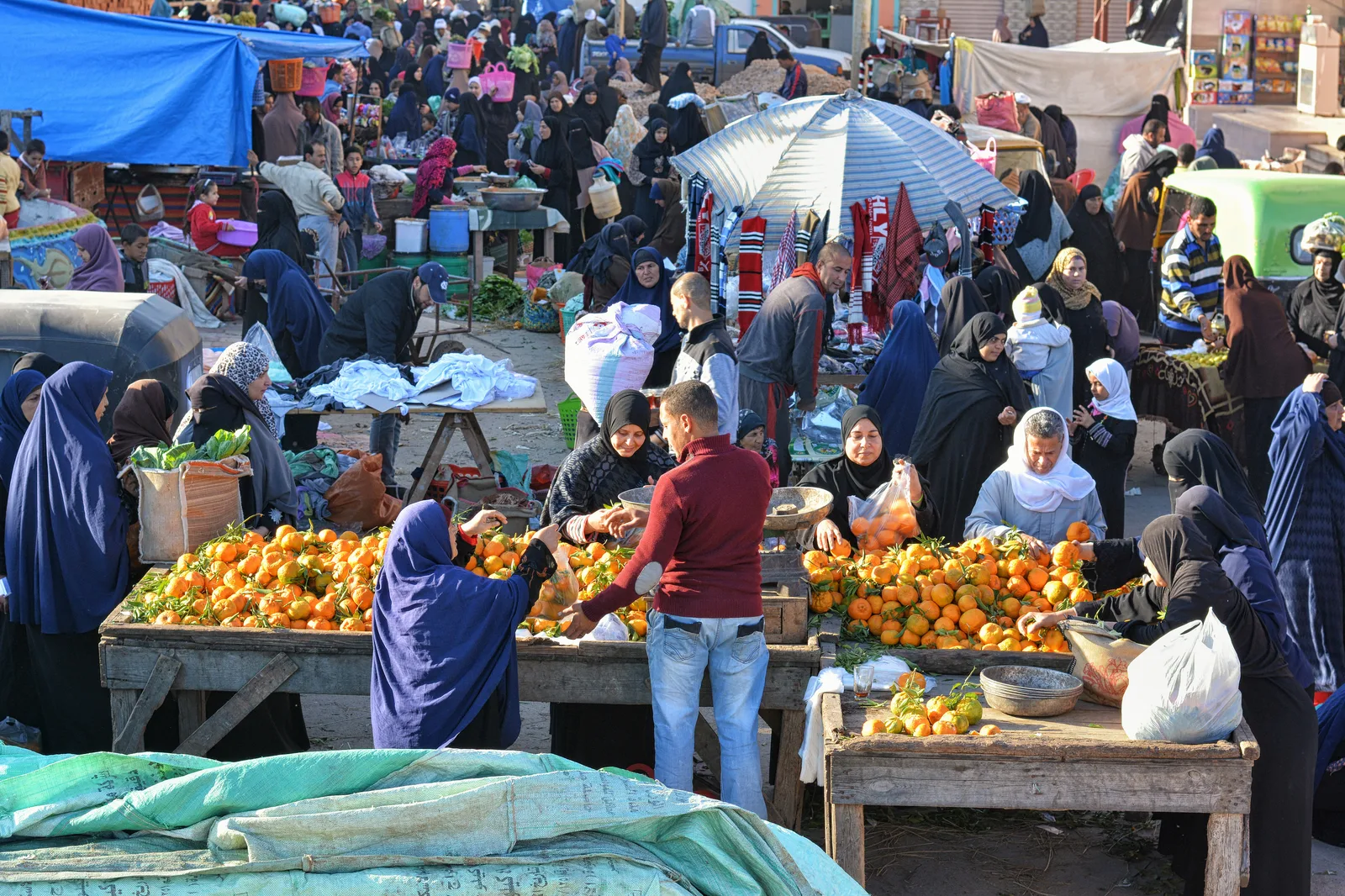
L'économie égyptienne en deux chiffres : 5,2 % de croissance et une région sous tension
Le gouvernement annonce 5,2 % de croissance sur neuf mois, tout en réexaminant ses scénarios d'urgence face à l'escalade régionale. Avec une inflation à 14,9 % et un dollar stabilisé autour de 50 livres, que signifient ces deux chiffres pour le portefeuille des ménages ?
18 août 2026 · 7 min de lecture
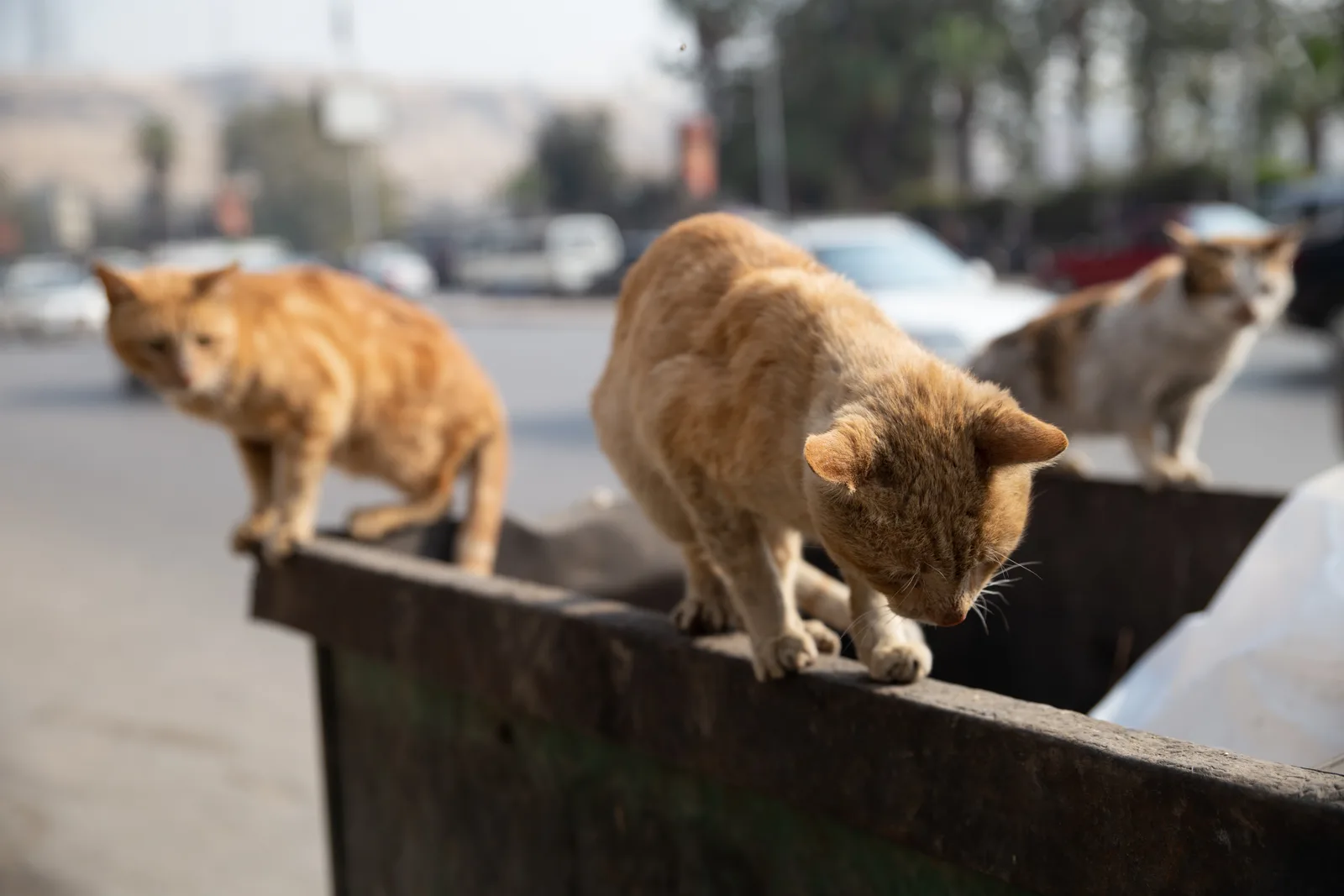
« Keda ghalat » (« Ça, c'est mal ») : maltraiter un animal est un crime au regard du Code pénal égyptien depuis 1937
Un voisin dépose des gamelles empoisonnées près du mur de l'école ; un charretier frappe son âne au visage sous une charge trop lourde. Beaucoup croient qu'« un animal » n'est protégé par aucune loi. En réalité, les articles 355, 356 et 357 du Code pénal sanctionnent tuer, empoisonner et maltraiter un animal, jusqu'à l'emprisonnement. À la veille de la Journée mondiale des animaux, voici ce que dit la loi.
3 octobre 2026 · 6 min de lecture