Le Nil étouffe sous le plastique : la bataille quotidienne pour sauver l'artère vitale de l'Égypte
Des barques de pêcheurs qui remontent désormais plus de bouteilles que de poissons aux initiatives de nettoyage devenues une petite économie sur les rives du fleuve : l'histoire du plastique qui gagne du terrain sur l'artère vitale de l'Égypte — et pourquoi cette bataille concerne chaque foyer égyptien.
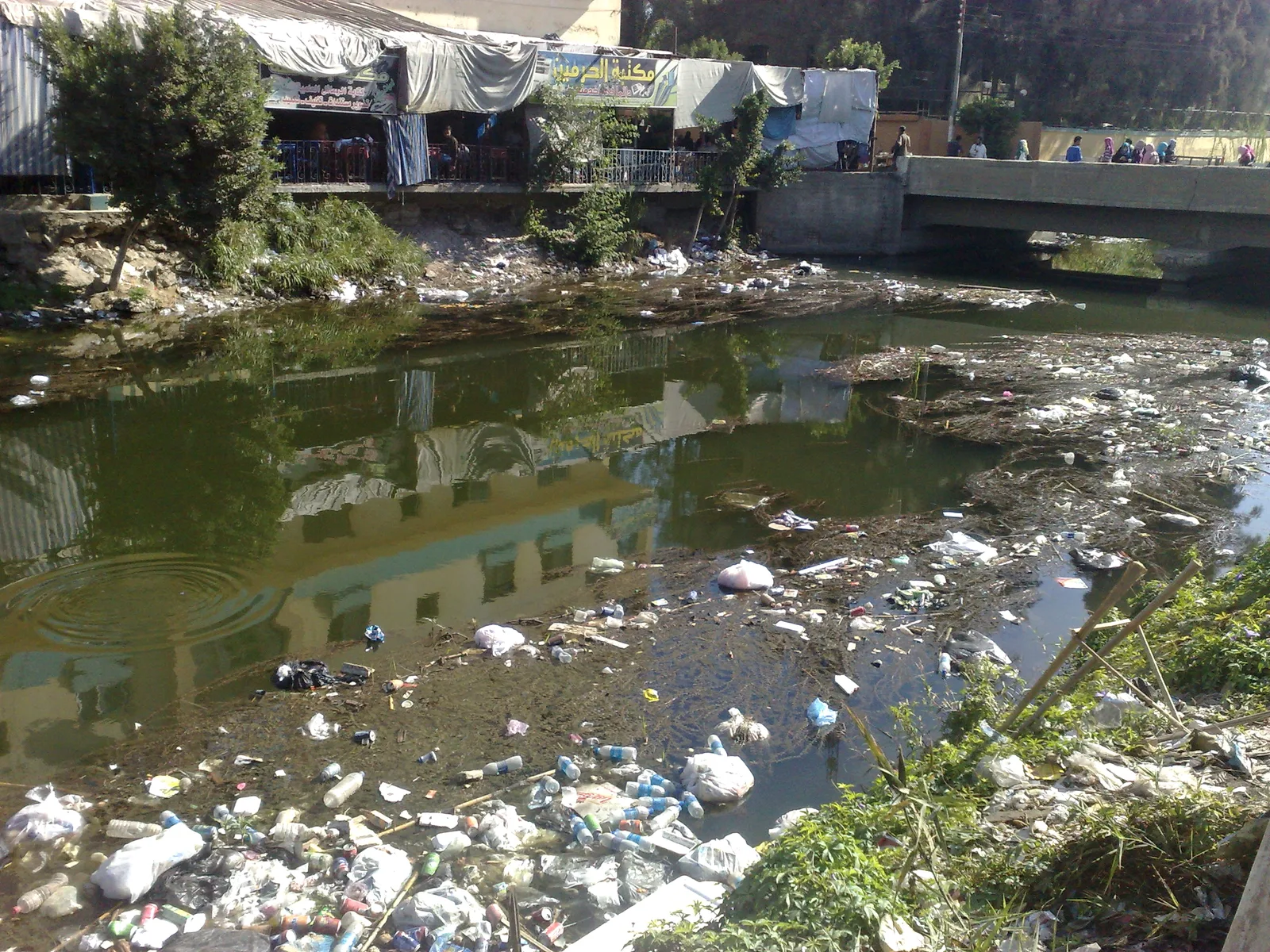
Sur les rives du Nil, au Caire, les pêcheurs se sont habitués depuis des années à un spectacle que leurs pères n’ont jamais connu : le filet sort de l’eau chargé, parfois, de plus de sacs et de bouteilles en plastique que de poissons. Le fleuve dont l’Égypte tire près de quatre-vingt-dix-sept pour cent de ses ressources en eau douce, celui sur les rives duquel s’est élevée une civilisation de sept mille ans, affronte aujourd’hui un adversaire façonné de nos propres mains : le plastique à usage unique.
L’ampleur du problème ne fait plus débat sur le plan scientifique. Les études internationales qui ont suivi les fleuves acheminant les déchets plastiques vers les mers placent le Nil parmi les grands fleuves les plus chargés en plastique au monde, tandis que des rapports régionaux successifs classent l’Égypte parmi les principales sources de fuite de plastique vers la Méditerranée, laquelle est déjà, rapportée à sa taille, l’une des mers les plus polluées par les matières plastiques. Le sac jeté dans un canal au fond du Delta ne disparaît pas : il entame un long voyage vers le fleuve, puis vers la mer.
Plus grave encore que ce que l’œil perçoit est ce qu’il ne voit pas. Le plastique ne se dissout pas dans l’eau : il se fragmente en particules minuscules, les microplastiques. Des études scientifiques publiées ont documenté la présence de ces particules dans les poissons du Nil, au premier rang desquels le tilapia, le poisson le plus courant sur les tables égyptiennes. Ce que nous avons jeté dans le fleuve nous revient ainsi dans nos assiettes, au terme d’un cycle silencieux auquel nul n’échappe.
Comment en sommes-nous arrivés là ? Les causes s’entremêlent : des sacs distribués gratuitement et sans compter dans chaque boutique et chaque café ; une culture du jetable qui fait qu’une bouteille, un gobelet ou une fourchette servent quelques minutes et subsistent des siècles ; et les failles du système de collecte des déchets, qui poussent certaines zones à traiter canaux et drains comme des décharges à ciel ouvert. Le problème ne tient pas au plastique lui-même, mais à un mode de consommation qui traite ce qui demeure des siècles dans l’environnement comme s’il était sans valeur et sans conséquence.
C’est pourtant sur les rives de ce même fleuve qu’est née l’une des ripostes les plus inspirantes. En 2018, deux jeunes structures égyptiennes du monde associatif et environnemental ont lancé l’initiative « VeryNile », présentée comme la première entièrement consacrée au nettoyage du Nil de ses déchets. Elle a commencé par des campagnes de bénévoles en kayak, ramassant ce qui flottait à la surface, avant d’évoluer vers un modèle plus profond et plus durable.
Le cœur de ce modèle, ce sont les pêcheurs eux-mêmes, et au premier rang d’entre eux les habitants de l’île de Qursaya, au milieu du Nil, au Caire. Au lieu de rester un ennemi qui déchire les filets et chasse le gagne-pain, le plastique est devenu une ressource : les pêcheurs collectent les déchets du fleuve et sont payés au kilogramme ; les matières sont ensuite triées, traitées et recyclées, certaines transformées en produits dont la vente alimente à son tour le dispositif. Le nettoyage est ainsi passé de l’œuvre caritative saisonnière à une petite économie durable au bord du fleuve.
Cette histoire ne se détache pas non plus d’une tradition égyptienne du recyclage bien plus ancienne. Les récupérateurs traditionnels du Caire, connus sous le nom de Zabbaleen, ont bâti au fil des décennies l’un des systèmes de récupération informels les plus efficaces au monde : les études attestent qu’ils recyclent une part exceptionnellement élevée de ce qu’ils collectent. Toute réponse sérieuse à la crise du plastique en Égypte passe par la reconnaissance et l’intégration de ce savoir-faire accumulé, non par son contournement.
Sur le plan des politiques publiques, l’État a avancé par étapes documentées : le gouvernorat de la mer Rouge interdit depuis 2019 le plastique à usage unique afin de protéger son milieu marin et les récifs sur lesquels reposent la plongée et le tourisme ; le ministère de l’Environnement a lancé des campagnes nationales pour réduire la consommation de sacs plastiques et encourager les solutions de remplacement. Les expériences internationales documentées, de la taxe sur les sacs à l’interdiction totale dans certains pays, montrent que des politiques fermes font chuter la consommation dès lors qu’elles s’accompagnent d’alternatives accessibles.
Mais les politiques ne suffisent pas à nettoyer un fleuve utilisé chaque jour par des millions de personnes : le citoyen a ici un rôle direct que personne ne peut jouer à sa place. La règle d’or tient en trois mots : réduire, réutiliser, recycler. Emportez un sac en tissu au marché plutôt que dix sacs jetés au bout d’une heure, utilisez une bouteille que vous remplissez plutôt que des bouteilles à jeter, refusez la paille et le sachet dont vous n’avez pas besoin, ne faites jamais du canal ou du drain une décharge, quoi que fassent les autres, et rejoignez si vous le pouvez les campagnes de nettoyage qui se multiplient sur les berges.
Les entreprises ont, elles aussi, une part d’obligation que le temps n’efface pas : qui met un produit dans un emballage assume une partie de la responsabilité de son devenir, c’est le principe mondialement connu sous le nom de responsabilité élargie du producteur. Réduire les emballages, proposer des contenants rechargeables, soutenir les filières de reprise : autant de démarches devenues, dans de nombreux pays, des obligations et non des gestes de bonne volonté, et la tendance mondiale va résolument vers leur généralisation.
On objectera qu’un fleuve aussi long ne se sauve pas à coups de sacs en tissu et de kayaks. L’objection serait fondée si la bataille se livrait avec un seul outil. Or ce que démontrent les expériences égyptienne et internationale, c’est que les solutions s’additionnent : une politique qui limite les sacs ici, une initiative qui crée une économie de la collecte là, une prise de conscience qui change les habitudes de millions de foyers, une industrie qui repense ses emballages. Chacune de ces strates allège la charge du fleuve, et c’est leur somme qui fait la différence.
Le Nil a tout donné à l’Égypte : son eau, sa nourriture, son limon, sa civilisation même. Pour la première fois de sa longue histoire, le fleuve a besoin que ses enfants lui rendent la pareille, non par des slogans ni par des chansons, mais par quelque chose de plus simple et de plus difficile : un sac que l’on ne jette pas, une bouteille que l’on réutilise, une habitude qui change. La lutte contre le plastique n’est pas la seule affaire des militants écologistes : c’est celle de tous ceux qui boivent de ce fleuve, c’est-à-dire de tous les Égyptiens.
À lire aussi
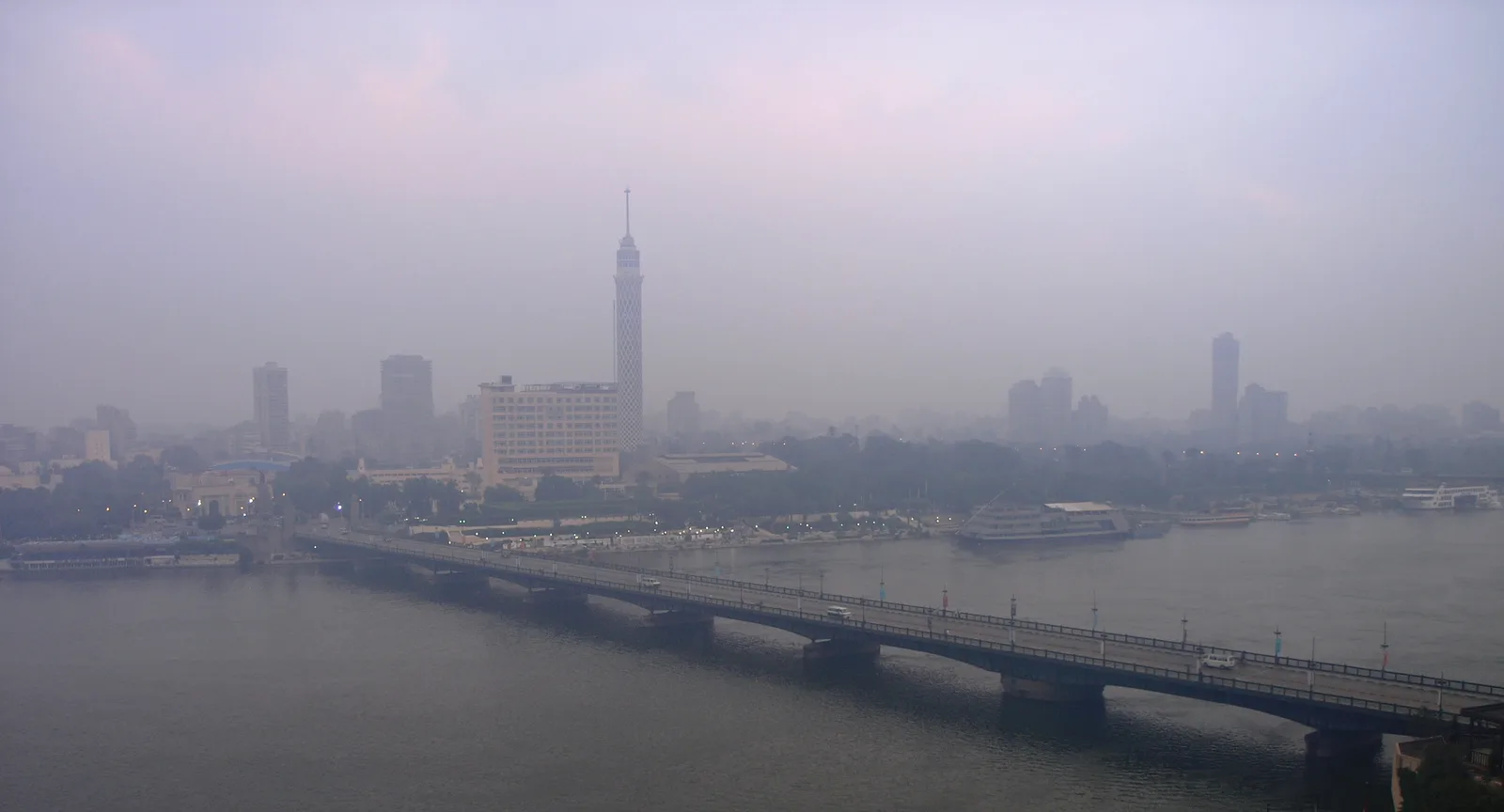
L'air du Caire, une cause nationale : du « nuage noir » au bus électrique, la bataille de chaque souffle
Chaque automne, le « nuage noir » revient étouffer le Grand Caire, mais ce qui tue vraiment, c'est ce que l'on ne voit pas : des particules plus fines qu'un cheveu qui se glissent jusque dans les poumons et le sang. À la veille de la Journée mondiale sans voiture, nous ouvrons le dossier d'un des problèmes de santé environnementale les plus graves de la capitale : que disent les chiffres, que fait-on, et que pouvez-vous faire au quotidien.
21 septembre 2026 · 7 min de lecture

La mer grignote le Delta : comment l'Égypte défend ses terres fertiles avec des barrières de sable et de roseaux
Sur la route côtière de Burullus, des dunes de sable fixées par des roseaux montent la garde ; derrière elles, un paysan goûte l'eau de son puits et la trouve salée. Une crise silencieuse menace un quart des Égyptiens : une mer qui monte, une terre qui s'enfonce. L'article expose le danger en chiffres et présente un projet de 105 millions de dollars ayant bâti 69 kilomètres de barrières souples, en s'interrogeant sur le rôle du citoyen.
13 septembre 2026 · 8 min de lecture
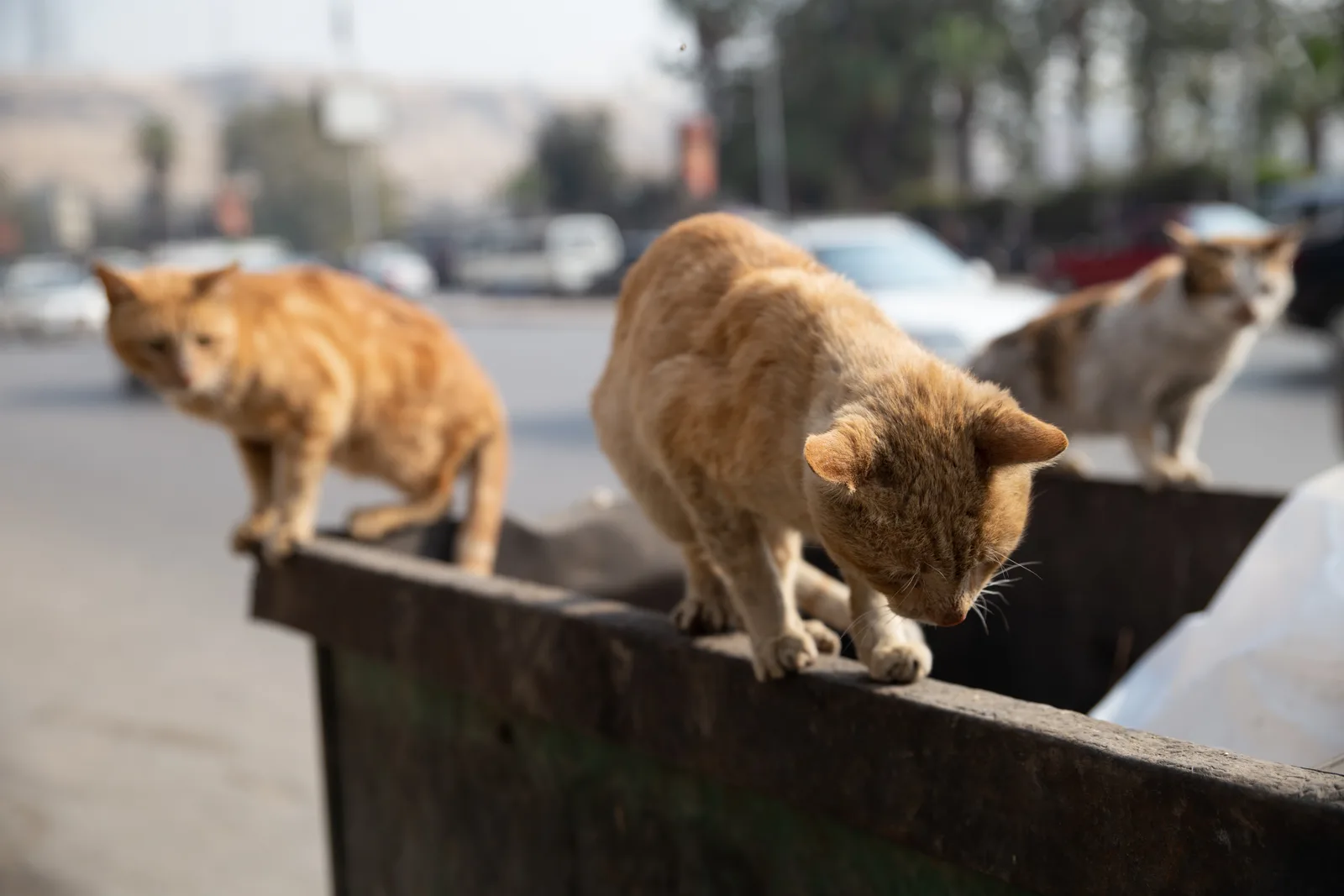
« Keda ghalat » (« Ça, c'est mal ») : maltraiter un animal est un crime au regard du Code pénal égyptien depuis 1937
Un voisin dépose des gamelles empoisonnées près du mur de l'école ; un charretier frappe son âne au visage sous une charge trop lourde. Beaucoup croient qu'« un animal » n'est protégé par aucune loi. En réalité, les articles 355, 356 et 357 du Code pénal sanctionnent tuer, empoisonner et maltraiter un animal, jusqu'à l'emprisonnement. À la veille de la Journée mondiale des animaux, voici ce que dit la loi.
3 octobre 2026 · 6 min de lecture