La croissance démographique : comment la transformer d'un fardeau qui dévore le développement en richesse humaine ?
L'Égypte a dépassé les cent millions d'habitants, et la croissance démographique engloutit une large part de chaque acquis du développement. Les expériences de l'Iran, du Bangladesh, de l'Indonésie, de la Tunisie et de la Corée du Sud prouvent pourtant que la transformation est possible : d'un fardeau qui épuise l'économie à une richesse humaine qui bâtit la renaissance. Voici la carte des solutions concrètes : ce que fait la famille, ce que fait l'État, ce que font les médias.
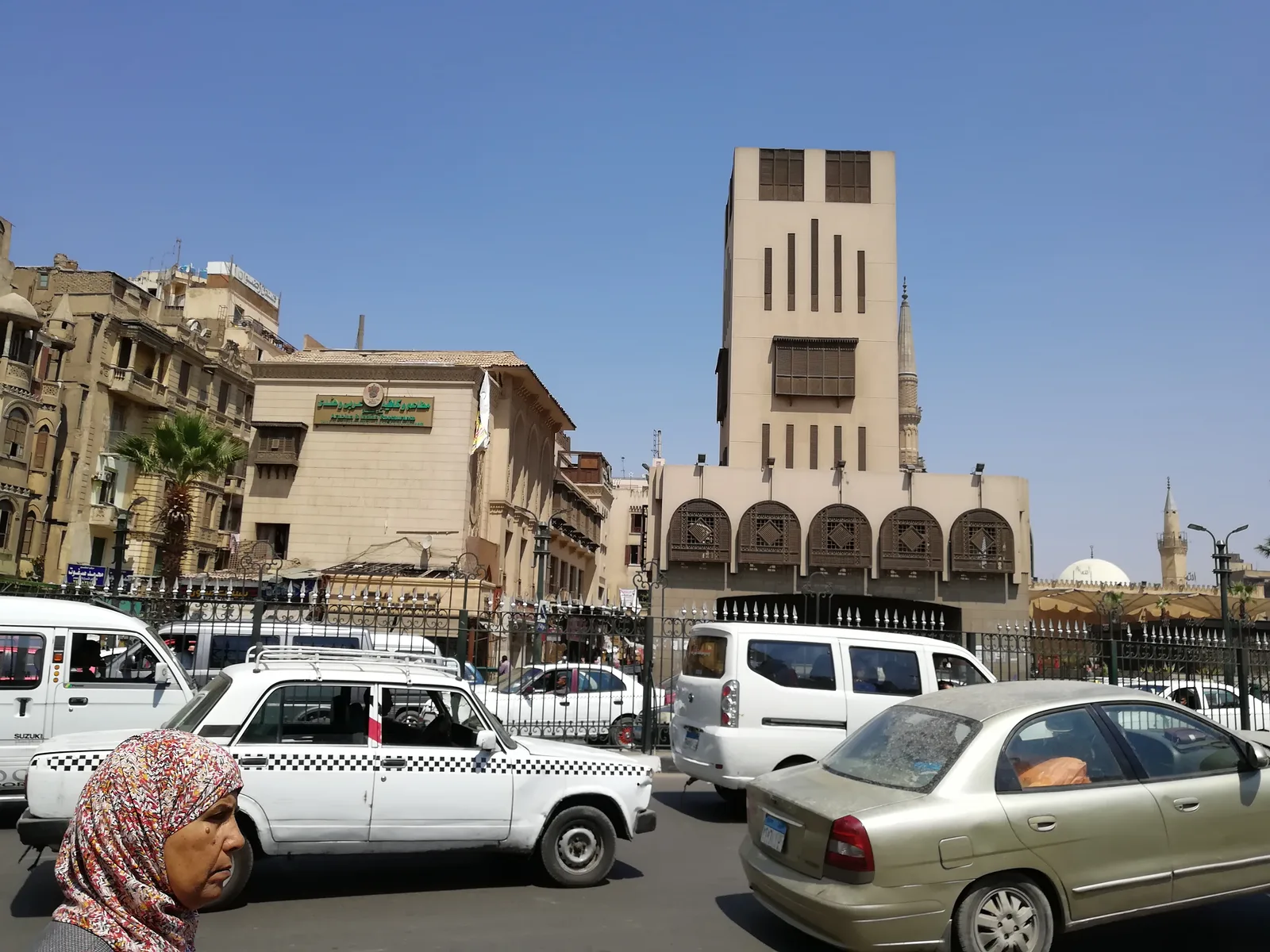
En février 2020, l’Égypte a officiellement franchi le seuil des cent millions d’habitants ; aujourd’hui, elle en compte plus de cent six millions. Chaque année, l’État construit des écoles et des hôpitaux, crée des emplois et livre des logements ; et chaque année, la croissance démographique engloutit une large part de ces gains avant même que le citoyen ne les ressente. Ce ne sont pas des slogans : c’est un calcul que chaque foyer éprouve au quotidien, dans les classes surchargées, les files d’attente des hôpitaux et la course aux emplois.
Le calcul du fardeau est simple : la croissance économique se divise par le nombre d’habitants. Quoi que l’économie ajoute, une croissance démographique plus rapide en ronge la part de chacun : celle de l’eau, dont la dotation par habitant recule d’année en année, celle de l’école, celle du logement, et celle des centaines de milliers d’emplois qu’il faut créer chaque année rien que pour absorber les nouveaux venus sur le marché du travail — avant même de parler d’améliorer le sort de ceux qui s’y trouvent déjà.
Soyons précis sur ce que nous disons et sur ce que nous ne disons pas : il ne s’agit pas d’une campagne contre la natalité, mais contre la natalité non planifiée. L’être humain est la plus grande richesse des nations lorsqu’il est instruit, en bonne santé et pourvu d’un emploi ; le fardeau, lui, réside dans l’écart entre le rythme auquel les hommes se multiplient et celui auquel progressent les ressources, les écoles et les emplois. Combler cet écart, c’est toute la question.
L’Égypte n’est pas restée les bras croisés. La campagne « Deux, ça suffit », lancée par le ministère de la Solidarité sociale en 2018, a porté la sensibilisation à la planification familiale jusque dans les foyers ruraux ; les unités sanitaires proposent des services de planification familiale ; et les stratégies nationales de population fixent des objectifs successifs. Les enquêtes officielles font état d’un recul de la fécondité ces dernières années — un progrès réel, mais le taux demeure supérieur au seuil de renouvellement des générations et l’accroissement annuel reste considérable. La leçon des expériences réussies dans le monde est que de tels efforts doivent se poursuivre pendant des décennies, et non le temps d’une saison.
Regardez l’Iran des années 1990 — l’une des baisses de fécondité les plus rapides jamais documentées. L’autorité religieuse a publiquement approuvé la planification familiale, un réseau rural de « maisons de santé » a porté des services gratuits jusque dans les villages, et les futurs époux ont suivi des sessions de formation avant le mariage. En une quinzaine d’années, la moyenne est tombée d’environ six enfants par femme au milieu des années 1980 à près de deux au tournant du millénaire.
Regardez le Bangladesh, plus pauvre que l’Égypte au moment où il s’est lancé. Des agentes de santé ont frappé aux portes, apportant conseils et contraceptifs aux femmes qui n’atteignaient pas les dispensaires ; la scolarisation des filles s’est étendue ; le microcrédit et l’emploi dans l’industrie textile ont donné à des millions de femmes un revenu et un statut. La fécondité est passée de plus de six enfants par femme dans les années 1970 à environ deux aujourd’hui.
Regardez l’Indonésie, le pays à majorité musulmane le plus peuplé du monde. Dès 1970, son agence nationale de planification familiale a bâti un programme qui a touché chaque village, en associant les notables et les hommes de religion au lieu de les heurter — preuve que cette cause peut se défendre de l’intérieur de la foi et des valeurs d’une société, et non contre elles.
Regardez la Tunisie, pionnière du monde arabe. Dès la fin des années 1950 et durant les années 1960, elle a relevé l’âge du mariage, investi dans l’éducation des filles, élargi les droits des femmes et rendu accessibles les moyens de planification familiale ; elle a ainsi maintenu pendant des décennies l’un des taux de fécondité les plus bas du monde arabe.
Vient ensuite l’autre moitié de l’histoire : transformer l’explosion de la jeunesse en dividende démographique. Vers 1960, la Corée du Sud affichait un taux de fécondité proche de six enfants et un revenu modeste. Elle a fait baisser la natalité tout en investissant massivement dans une éducation de qualité et dans des industries d’exportation, si bien que sa vaste génération de jeunes est entrée sur le marché du travail comme main-d’œuvre qualifiée, et non comme cohorte de chômeurs. Les économistes attribuent à ce dividende une bonne part du « miracle asiatique » : moins de personnes à charge, plus d’actifs, une épargne plus élevée — à condition que les actifs soient instruits et que les emplois existent.
Dans tous ces modèles, les mêmes fils reviennent. L’éducation des filles et l’emploi des femmes sont les deux leviers les plus puissants jamais éprouvés : une femme instruite qui travaille choisit un mariage plus tardif et des enfants moins nombreux et en meilleure santé. Les services doivent aller vers les gens plutôt que de les attendre. Les responsables religieux et communautaires doivent être des partenaires. Et l’engagement de l’État doit traverser les décennies et les gouvernements, à l’abri des humeurs changeantes.
Que peut faire la famille ? Planifier et espacer les naissances, et se poser la question honnête : puis-je instruire cet enfant, le nourrir et le soigner comme il le faut ? Deux enfants bien éduqués et bien entourés élèvent une famille plus haut que beaucoup d’enfants laissés au hasard. Il revient aussi à la famille de refuser le mariage des mineures et les mutilations génitales féminines — un crime puni par la loi égyptienne —, car l’un et l’autre sont les maillons d’une même chaîne de pauvreté transmise de génération en génération.
Et que doit faire l’État ? Faire durer et élargir les campagnes au lieu de les laisser s’enflammer puis s’éteindre ; équiper les unités sanitaires rurales pour qu’aucune femme ne soit à plus d’un court trajet de services gratuits de planification familiale ; poursuivre l’extension de la scolarisation des filles et de l’alphabétisation ; ouvrir aux femmes de véritables voies d’emploi ; et lier, là où c’est possible, les programmes d’aide à la santé de l’enfant et à sa fréquentation régulière de l’école. Par-dessus tout : la continuité, afin que chaque gouvernement bâtisse sur ce qu’a édifié le précédent.
Et les médias, dont nous sommes ? Notre engagement est de maintenir cette cause au premier plan et non d’en faire un sujet de saison ; de présenter honnêtement les modèles qui ont réussi ailleurs ; de réfuter les rumeurs et les mythes qui entourent la planification familiale ; et de nous adresser au citoyen dans une langue qui le respecte, sans lui faire la leçon ni le blâmer, car les gens répondent au respect, non aux réprimandes.
La différence entre un fardeau et une richesse n’a jamais tenu au nombre d’êtres humains, mais à ce qu’une nation investit en eux. L’Égypte dispose aujourd’hui d’une immense génération de jeunes qui peut devenir le carburant d’un véritable décollage économique — mais la fenêtre démographique ne reste pas ouverte indéfiniment. Les pays qui ont planifié ont fait de leurs peuples leur plus grand actif. Ce choix est le nôtre, et son heure est venue.
À lire aussi

L'air du Caire, une cause nationale : du « nuage noir » au bus électrique, la bataille de chaque souffle
Chaque automne, le « nuage noir » revient étouffer le Grand Caire, mais ce qui tue vraiment, c'est ce que l'on ne voit pas : des particules plus fines qu'un cheveu qui se glissent jusque dans les poumons et le sang. À la veille de la Journée mondiale sans voiture, nous ouvrons le dossier d'un des problèmes de santé environnementale les plus graves de la capitale : que disent les chiffres, que fait-on, et que pouvez-vous faire au quotidien.
21 septembre 2026 · 7 min de lecture

La mer grignote le Delta : comment l'Égypte défend ses terres fertiles avec des barrières de sable et de roseaux
Sur la route côtière de Burullus, des dunes de sable fixées par des roseaux montent la garde ; derrière elles, un paysan goûte l'eau de son puits et la trouve salée. Une crise silencieuse menace un quart des Égyptiens : une mer qui monte, une terre qui s'enfonce. L'article expose le danger en chiffres et présente un projet de 105 millions de dollars ayant bâti 69 kilomètres de barrières souples, en s'interrogeant sur le rôle du citoyen.
13 septembre 2026 · 8 min de lecture
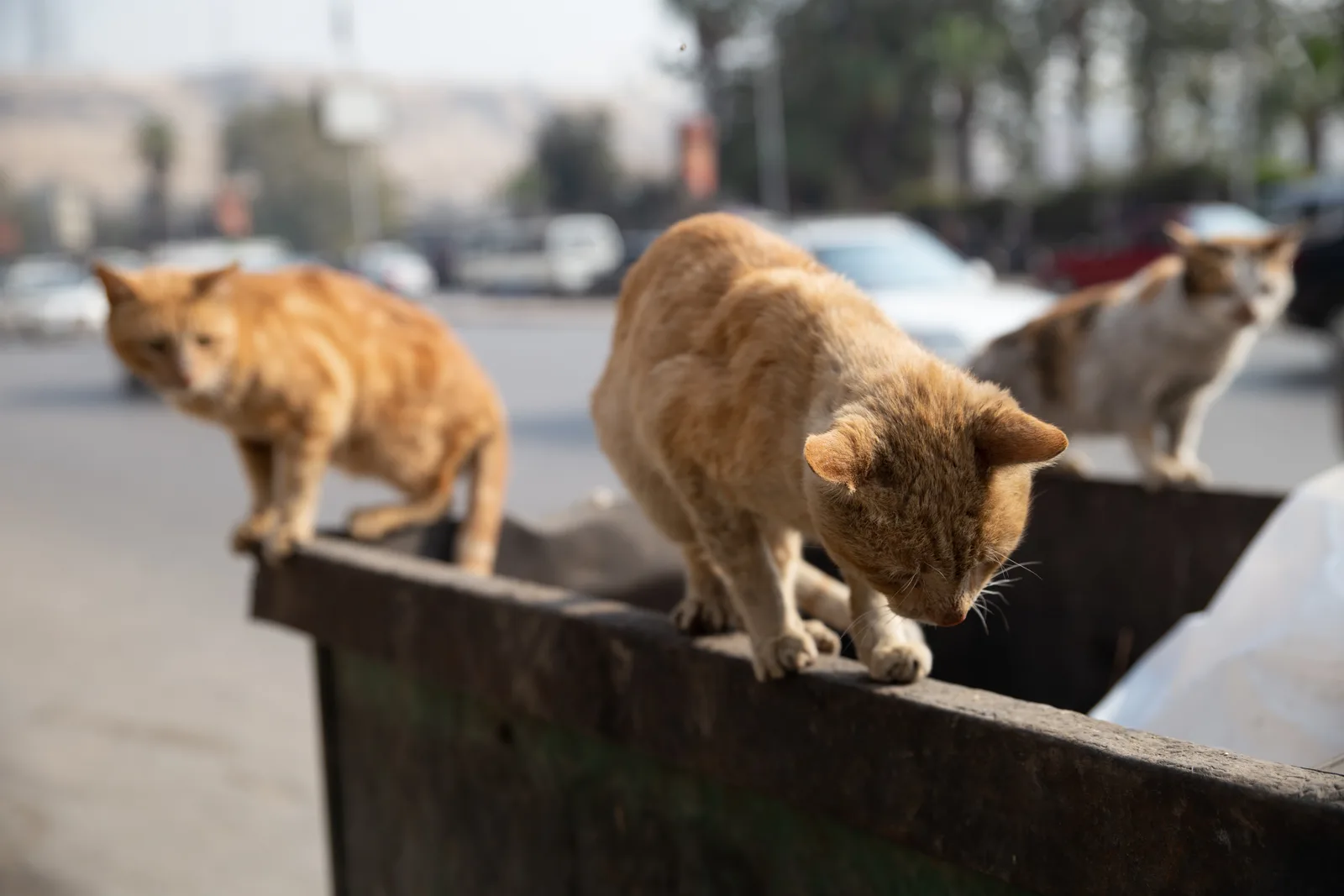
« Keda ghalat » (« Ça, c'est mal ») : maltraiter un animal est un crime au regard du Code pénal égyptien depuis 1937
Un voisin dépose des gamelles empoisonnées près du mur de l'école ; un charretier frappe son âne au visage sous une charge trop lourde. Beaucoup croient qu'« un animal » n'est protégé par aucune loi. En réalité, les articles 355, 356 et 357 du Code pénal sanctionnent tuer, empoisonner et maltraiter un animal, jusqu'à l'emprisonnement. À la veille de la Journée mondiale des animaux, voici ce que dit la loi.
3 octobre 2026 · 6 min de lecture