Faire face à la chaleur : reconnaître le coup de chaleur et protéger travailleurs et personnes âgées dans l'été égyptien
Le coup de chaleur est une urgence médicale qui tue vite mais qui peut presque toujours être évitée. Un guide pratique pour reconnaître les signes d'alerte et protéger les travailleurs en plein air et les personnes âgées durant le long été brûlant de l'Égypte.
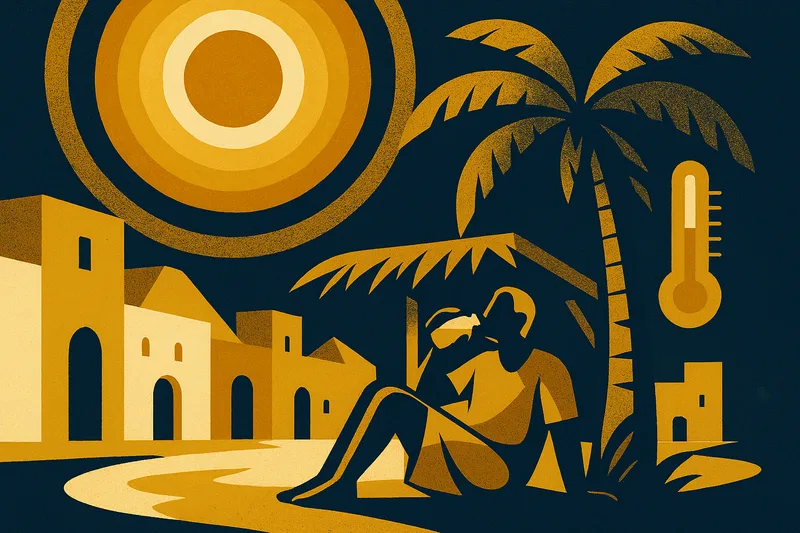
L’été égyptien est long et sans pitié : de mai à septembre, les températures dépassent régulièrement 35 degrés Celsius dans la plus grande partie du pays, et elles peuvent franchir 45 degrés en Haute-Égypte. Sur les côtes, l’humidité rend plus pesante une chaleur pourtant modérée. Pour la plupart des gens, ce n’est qu’une gêne ; pour ceux qui travaillent en plein air, pour les personnes âgées et pour les malades chroniques, c’est un véritable danger sanitaire. Chaque été, partout dans le monde, la chaleur tue en silence, et la plupart de ces décès pourraient être évités grâce à quelques connaissances simples et à quelques habitudes simples.
Le corps humain se refroidit surtout en transpirant et en poussant le sang vers la peau. Par forte chaleur, en particulier lors d’un effort physique intense ou en cas de déshydratation, ces mécanismes peuvent être débordés. Il en résulte une gradation de troubles liés à la chaleur : elle commence par les crampes de chaleur, évolue vers l’épuisement dû à la chaleur et peut se terminer par le coup de chaleur, lorsque la température interne du corps atteint des niveaux dangereux et que les organes vitaux — dont le cerveau — commencent à défaillir. Comprendre cette progression est la clé d’une réaction précoce, tant que le problème reste facile à traiter.
L’épuisement dû à la chaleur est le signal d’alarme retentissant de l’organisme. Ses signes : transpiration abondante, faiblesse et fatigue, vertiges, maux de tête, nausées, crampes musculaires, peau froide, pâle et moite, et pouls rapide mais faible. Toute personne parvenue à ce stade doit cesser immédiatement son activité, gagner l’ombre ou une pièce fraîche, desserrer ses vêtements, boire de l’eau à petites gorgées et refroidir sa peau avec un linge humide. La plupart des gens récupèrent en une heure ; si les symptômes s’aggravent ou se prolongent, ou si les vomissements empêchent de boire, il faut demander une aide médicale sans attendre.
Le coup de chaleur, lui, est tout autre chose : c’est une urgence médicale où chaque minute compte. Parmi ses signes figurent une température corporelle d’environ 40 degrés Celsius ou plus, une peau brûlante et congestionnée, parfois sèche parce que la transpiration s’est arrêtée, un pouls rapide et fort, des céphalées pulsatiles, une confusion mentale, des troubles de l’élocution, une agitation, une perte de connaissance ou des convulsions. Toute personne âgée qui devient soudain confuse pendant une vague de chaleur doit être considérée comme atteinte d’un trouble lié à la chaleur jusqu’à preuve du contraire. En Égypte, les secours s’appellent au 123 : téléphonez d’abord, puis commencez à refroidir.
En attendant les secours, refroidir la victime est le traitement lui-même. Installez-la à l’ombre ou dans un endroit climatisé, retirez-lui les vêtements superflus et rafraîchissez son corps par tous les moyens disponibles : aspergez-lui la peau d’eau ou épongez-la, ventilez-la énergiquement, posez des compresses froides ou des poches de glace sur le cou, les aisselles et l’aine, là où les gros vaisseaux sanguins passent près de la peau. Si la personne est pleinement consciente, donnez-lui de petites gorgées d’eau ; ne faites jamais boire quelqu’un de confus ou d’inconscient, et ne le laissez jamais seul.
Les travailleurs en plein air paient le tribut le plus lourd : ouvriers du bâtiment, agriculteurs, livreurs, vendeurs ambulants et agents de la circulation passent des heures en plein soleil, souvent à des tâches pénibles. Les recommandations internationales en santé au travail sont constantes : programmer les travaux les plus durs tôt le matin et en fin de journée, prévoir des aires de repos ombragées et encourager à boire de l’eau toutes les quinze à vingt minutes plutôt que d’attendre la soif. Un nouvel employé a besoin de plusieurs jours d’acclimatation avant d’assumer une charge complète à la chaleur, et le « système du binôme » est indispensable, car celui qui fait un coup de chaleur est souvent incapable de percevoir lui-même sa propre confusion.
Les personnes âgées sont l’autre victime silencieuse de l’été : les corps vieillissants transpirent moins, ressentent la soif plus faiblement et s’adaptent plus lentement aux variations de température. Les maladies chroniques — cardiaques, rénales ou le diabète — réduisent encore la tolérance à la chaleur, et des médicaments courants, dont les diurétiques, certains traitements de l’hypertension et certains psychotropes, diminuent la capacité de l’organisme à faire face. Pendant les périodes de forte chaleur, il faut prendre chaque jour des nouvelles des proches et des voisins âgés qui vivent seuls, et s’enquérir des signes d’alerte : diminution des urines, vertiges au lever, fatigue inhabituelle et toute confusion nouvelle.
Garder un logement vivable par forte chaleur exige une stratégie, et pas seulement de la patience. Fermez le jour les rideaux et les volets des fenêtres exposées au soleil, et ouvrez les fenêtres la nuit, quand l’air extérieur se rafraîchit. Le ventilateur favorise l’évaporation de la sueur, mais, par températures très élevées, il ne fait parfois que brasser de l’air chaud ; l’associer à un linge humide sur la peau ou à une douche tiède donne de bien meilleurs résultats. Passez les heures les plus chaudes dans la pièce la plus fraîche du logement, évitez de cuisiner sur le feu en pleine mi-journée et gardez de l’eau potable à portée de main.
L’hydratation et les vêtements sont l’armure du quotidien : buvez de l’eau à intervalles réguliers sans attendre la soif, et modérez le café et le thé forts, qui accentuent la perte de liquides. Portez des vêtements de coton amples et de couleur claire, couvrez-vous la tête à l’extérieur et restez à l’ombre dès que possible ; les heures comprises entre midi et seize heures sont les plus dangereuses. Ceux qui jeûnent pendant les mois chauds doivent boire abondamment entre le coucher du soleil et l’aube, et les juristes musulmans admettent depuis longtemps qu’un danger réel pour la santé constitue un motif légitime de dispense.
Enfin, la protection contre la chaleur est une responsabilité partagée, et pas seulement individuelle. Les employeurs qui adaptent les horaires de travail en été protègent à la fois leurs salariés et leur productivité, et les familles qui organisent visites et appels téléphoniques en fonction des vagues de chaleur protègent leurs aînés. Quiconque sait distinguer l’épuisement dû à la chaleur du coup de chaleur — et sait qu’il faut appeler le 123 et commencer immédiatement à refroidir — pourra un jour sauver une vie. L’été égyptien ne deviendra pas plus clément, mais nos habitudes, elles, peuvent devenir plus avisées.
À lire aussi
Octobre rose : dépistage gratuit à l'unité de santé, pourquoi la détection précoce change le destin des Égyptiennes
« Je n'ai mal nulle part » n'est pas une raison de remettre à plus tard. Depuis juillet 2019, les unités de santé égyptiennes ouvrent gratuitement leurs portes à toute femme dès 18 ans, et en juin 2026 la part des cas découverts à un stade avancé était tombée de 60 % à 19,5 %. Nous expliquons ce qui se passe à l'unité, quels signes doivent conduire à la consultation, et pourquoi la peur retarde ce dépistage essentiel.
2 octobre 2026 · 7 min de lecture
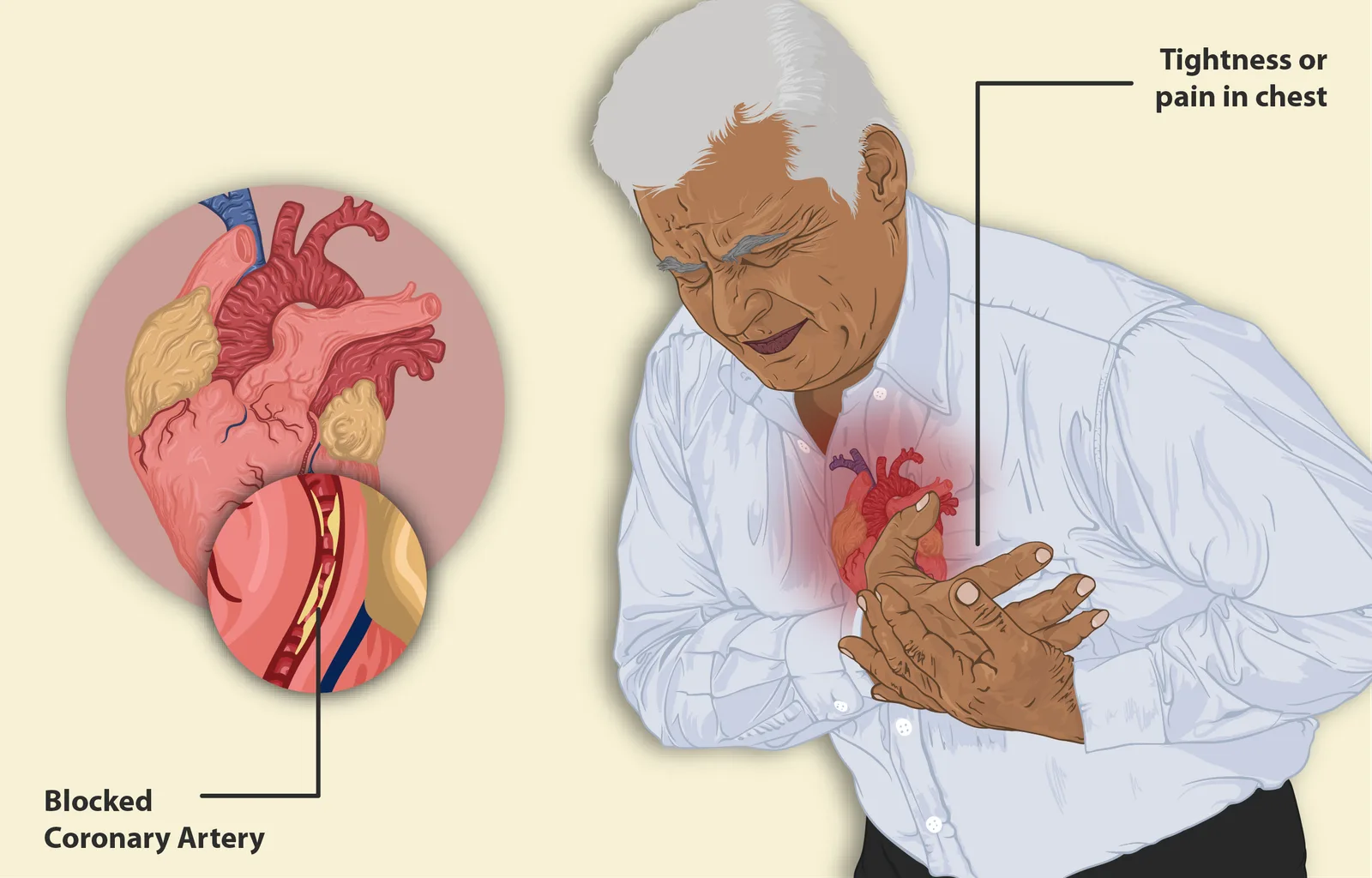
Journée mondiale du cœur : reconnaître à temps l'angine et l'infarctus, et les premiers gestes
Un homme d'une cinquantaine d'années met la lourdeur dans sa poitrine sur le compte d'une « acidité » due à un dîner copieux et remet l'hôpital au lendemain. Pour la Journée mondiale du cœur, nous expliquons la différence entre angine, infarctus, arrêt cardiaque et AVC, les signes recensés par l'OMS, y compris chez les femmes, et que faire dans les premières minutes : appeler le 123, gratuit, s'asseoir et ne pas conduire.
29 septembre 2026 · 7 min de lecture
La santé mentale n'est pas un luxe : quand la tristesse devient-elle une maladie, et où trouver de l'aide sans stigmatisation ?
Entre « sois fort » et « tu manques de foi », les personnes qui souffrent de dépression et d'anxiété s'étiolent en silence. Un guide pratique qui distingue le chagrin passager de la maladie qui exige un traitement, explique la différence entre le psychiatre et le psychologue, et trace le chemin de l'aide en Égypte, avec des mots qui ouvrent la porte au lieu de la refermer.
31 août 2026 · 7 min de lecture