Le gisement de Zohr : la découverte qui a redessiné la carte énergétique de la Méditerranée orientale
À l'été 2015, la compagnie Eni annonçait la découverte du gisement de Zohr, au large de Port-Saïd, décrit alors comme le plus grand gisement gazier jamais découvert en Méditerranée. Voici l'histoire de cette découverte, de la façon dont le gaz est extrait des profondeurs de la mer, et des raisons pour lesquelles elle a changé la place de l'Égypte sur la carte énergétique régionale.
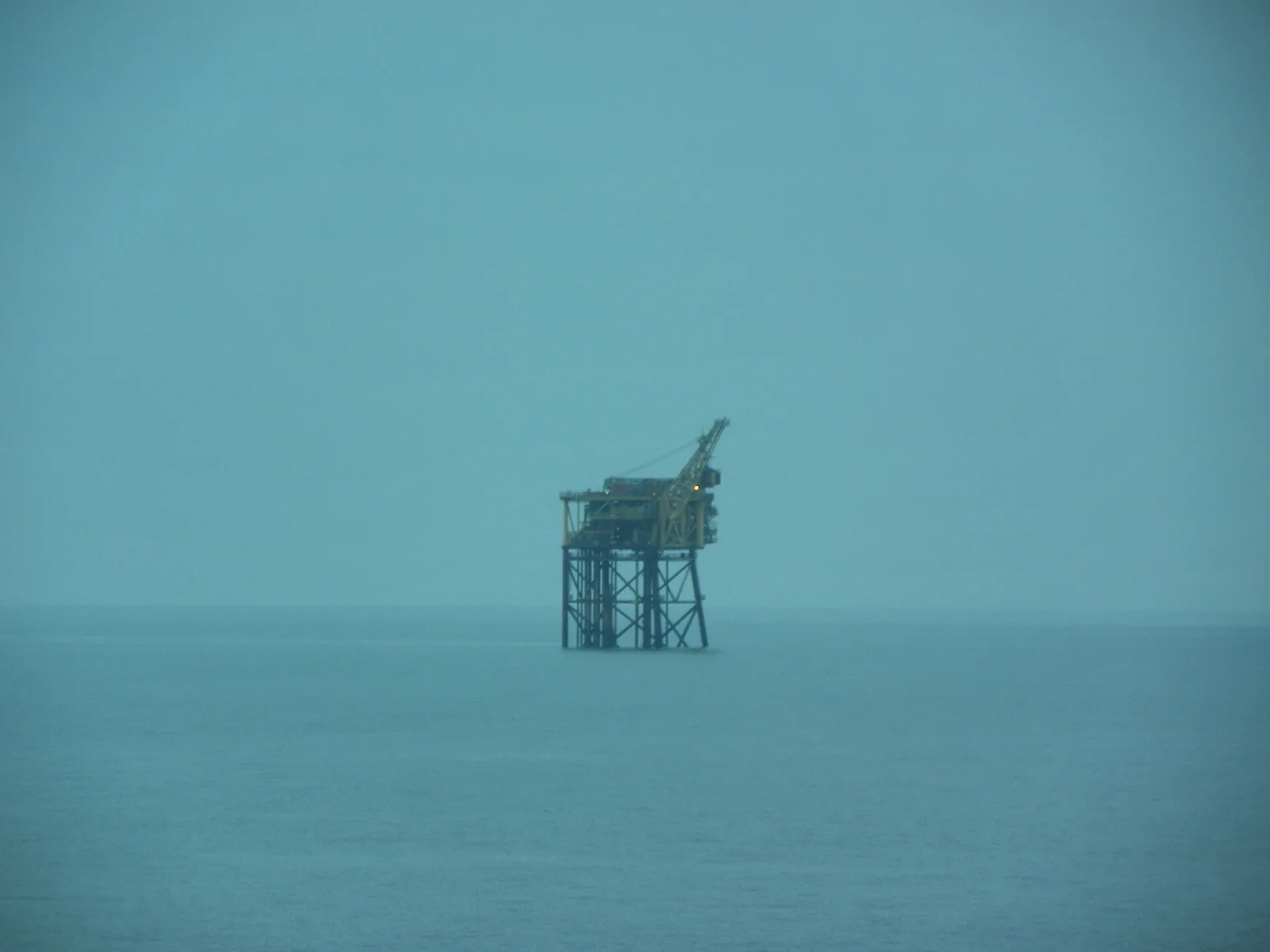
En août 2015, le groupe énergétique italien Eni a annoncé la découverte d’un gisement géant de gaz naturel dans les eaux profondes de la Méditerranée, à l’intérieur de la concession égyptienne de Shorouk, à quelque 190 kilomètres au nord de Port-Saïd. Le gisement a été baptisé Zohr et présenté alors comme la plus importante découverte gazière jamais enregistrée en Méditerranée. La nouvelle ne s’ajoutait pas simplement à une liste de découvertes : elle a changé le regard que l’industrie de l’énergie portait sur l’ensemble de la Méditerranée orientale et replacé l’Égypte au cœur de la carte gazière régionale.
Les chiffres suffisaient à expliquer l’effervescence. Les premières évaluations estimaient le gaz en place à environ 30 000 milliards de pieds cubes, piégé dans des roches situées sous près de 1 450 mètres d’eau et des milliers de mètres de couches sédimentaires. Dans le langage du secteur, Zohr a été classé parmi les gisements « supergéants », une catégorie qui ne compte qu’une poignée de champs dans le monde. De telles découvertes sont rares partout ; en faire une dans une mer explorée depuis des décennies, à portée des gazoducs et des installations de traitement de la côte égyptienne, l’était plus encore.
Zohr a également surpris les géologues. Pendant un demi-siècle, l’exploration au large des côtes égyptiennes s’était concentrée sur les couches gréseuses du delta du Nil, où les sédiments fluviaux avaient piégé le gaz selon des schémas familiers. Le gaz de Zohr, lui, repose dans une formation carbonatée, vestige d’une ancienne plateforme récifale : un type de réservoir que les explorateurs de la région avaient largement négligé. La découverte a prouvé l’existence, en Méditerranée orientale, d’un modèle géologique entièrement différent, et les compagnies se sont empressées de relire d’un œil neuf leurs données sismiques dans les eaux égyptiennes et voisines.
Le calendrier comptait autant que la géologie. Au milieu de cette décennie, l’Égypte, exportatrice de gaz de longue date, était passée au déficit : la consommation intérieure des centrales électriques, des usines et des foyers dépassait la production de gisements vieillissants, et le pays importait du gaz naturel liquéfié à un coût bien réel. Une découverte géante dans les eaux nationales offrait le moyen d’inverser cette équation. En Égypte, le gaz concerne tout le monde, car le réseau électrique repose largement sur des centrales au gaz : ce qui se passe au large finit par se faire sentir dans chaque foyer.
Le projet est ensuite devenu un cas d’école de développement accéléré. La production a démarré en décembre 2017, soit environ deux ans et quatre mois après la découverte, un délai exceptionnellement court pour un projet en eaux profondes de cette ampleur, où cinq à sept ans constituent la norme. Il a fallu pour cela mener l’ingénierie en parallèle, commander les équipements très tôt et investir massivement. Des partenaires internationaux ont rejoint plus tard le projet aux côtés d’Eni pour partager les coûts et les risques, tandis que les institutions égyptiennes délivraient les autorisations dans des délais comprimés. La rapidité elle-même est devenue un argument de l’Égypte auprès des investisseurs de l’énergie.
Comment découvre-t-on un tel gisement ? L’exploration en mer commence par des campagnes sismiques : des navires remorquent des flûtes qui envoient des ondes sonores à travers l’eau et la roche, puis les échos renvoyés sont traités pour produire des images en trois dimensions de structures situées à des kilomètres sous le fond marin. Les structures prometteuses sont ensuite testées par un puits d’exploration foré depuis une plateforme flottante, un pari coûteux, car beaucoup de ces puits ne trouvent rien. Lorsqu’un puits rencontre du gaz, des puits d’évaluation suivent pour mesurer avec précision la taille du réservoir et sa capacité de production.
La production, elle, repose sur une architecture dite « du fond de la mer vers la côte ». Au lieu d’une plateforme massive dressée au-dessus du gisement, les puits sont forés dans le fond marin et coiffés de lourds équipements en acier posés sur le fond. Des conduites collectent le gaz de ces puits sous-marins et l’acheminent vers la côte, tandis que des câbles installés le long du tracé apportent depuis la terre l’électricité, les signaux de commande et les produits chimiques. Les opérateurs peuvent ouvrir et fermer les vannes au fond de la mer depuis une salle de contrôle à terre, une approche adaptée aux grandes profondeurs, où les plateformes fixes deviennent impraticables.
Le gaz qui arrive à terre n’est pas encore prêt à être brûlé. Dans une usine de traitement proche de Port-Saïd, il est séparé de l’eau et des hydrocarbures liquides, séché et débarrassé de ses impuretés avant d’être injecté dans le réseau national. Les condensats, ces hydrocarbures liquides légers qui remontent avec le gaz, sont récupérés et vendus séparément. De l’usine, le gaz rejoint le réseau qui alimente les centrales électriques, les cimenteries, les usines d’engrais et les branchements domestiques : c’est ainsi qu’un réservoir situé bien au-delà de l’horizon peut soutenir en silence la vie quotidienne sur la terre ferme.
Zohr s’inscrit aussi dans une histoire régionale. Les gisements de Tamar et de Léviathan au large d’Israël et celui d’Aphrodite au large de Chypre avaient déjà montré que la Méditerranée orientale recelait du gaz en quantité sérieuse ; Zohr l’a confirmé à plus grande échelle. En 2020, le Forum du gaz de la Méditerranée orientale, dont le siège est au Caire, a réuni autour d’une même table pays producteurs et pays consommateurs. L’Égypte détient un atout singulier : les usines de liquéfaction d’Idkou et de Damiette, construites des années plus tôt, peuvent transformer le gaz en liquide exportable par navire, une infrastructure qui manque à ses voisins et sur laquelle repose son ambition de devenir un carrefour énergétique régional.
La leçon la plus profonde de Zohr porte sur la manière dont se construit réellement la sécurité énergétique. Les gisements déclinent à mesure qu’on les exploite ; aucune découverte ne règle la question pour toujours, et l’exploration doit se poursuivre pour que de nouveaux chapitres s’écrivent. Ce que Zohr a démontré, c’est la combinaison qui rend ces chapitres possibles : une géologie qui récompense les idées neuves, des technologies capables de travailler sous un kilomètre et demi d’eau, et des cadres d’investissement qui permettent aux capitaux de se déplacer vite. C’est cette combinaison, et non un gisement en particulier, qui a redessiné la carte.
À lire aussi
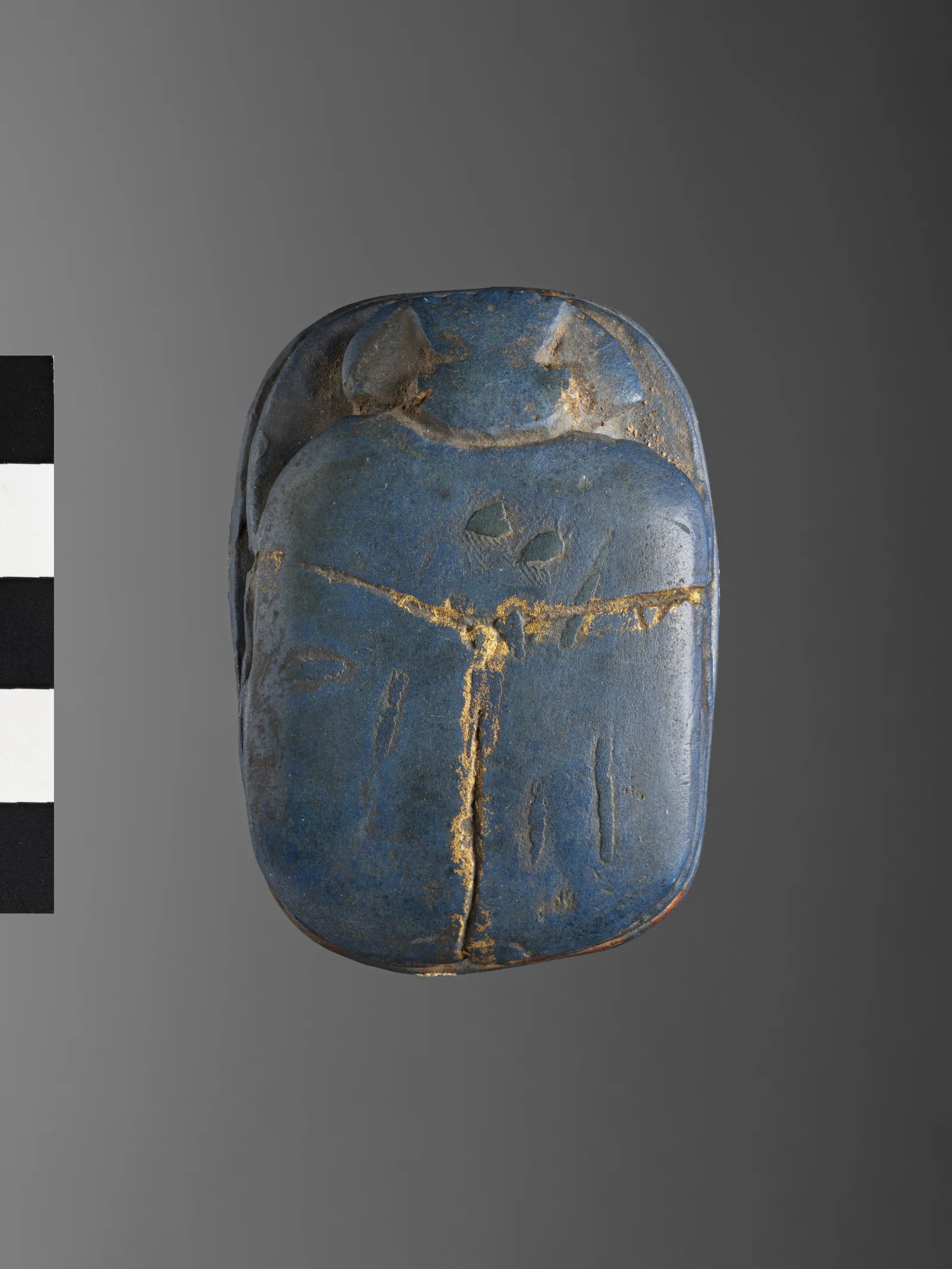
« Bleu égyptien » : le premier pigment synthétique de l'histoire revient révéler les empreintes et éclairer les cellules
Un bleu que des chimistes égyptiens tiraient du sable, du cuivre et de la chaux il y a des millénaires se délite, a-t-on découvert en 2013, en feuillets nanométriques émettant dans l'infrarouge. Il révèle depuis les empreintes digitales en Australie et éclaire embryons de mouche et feuilles de plantes en Allemagne. L'histoire d'un matériau antique doté d'une propriété très moderne, et une question sur nos laboratoires d'aujourd'hui.
17 septembre 2026 · 7 min de lecture
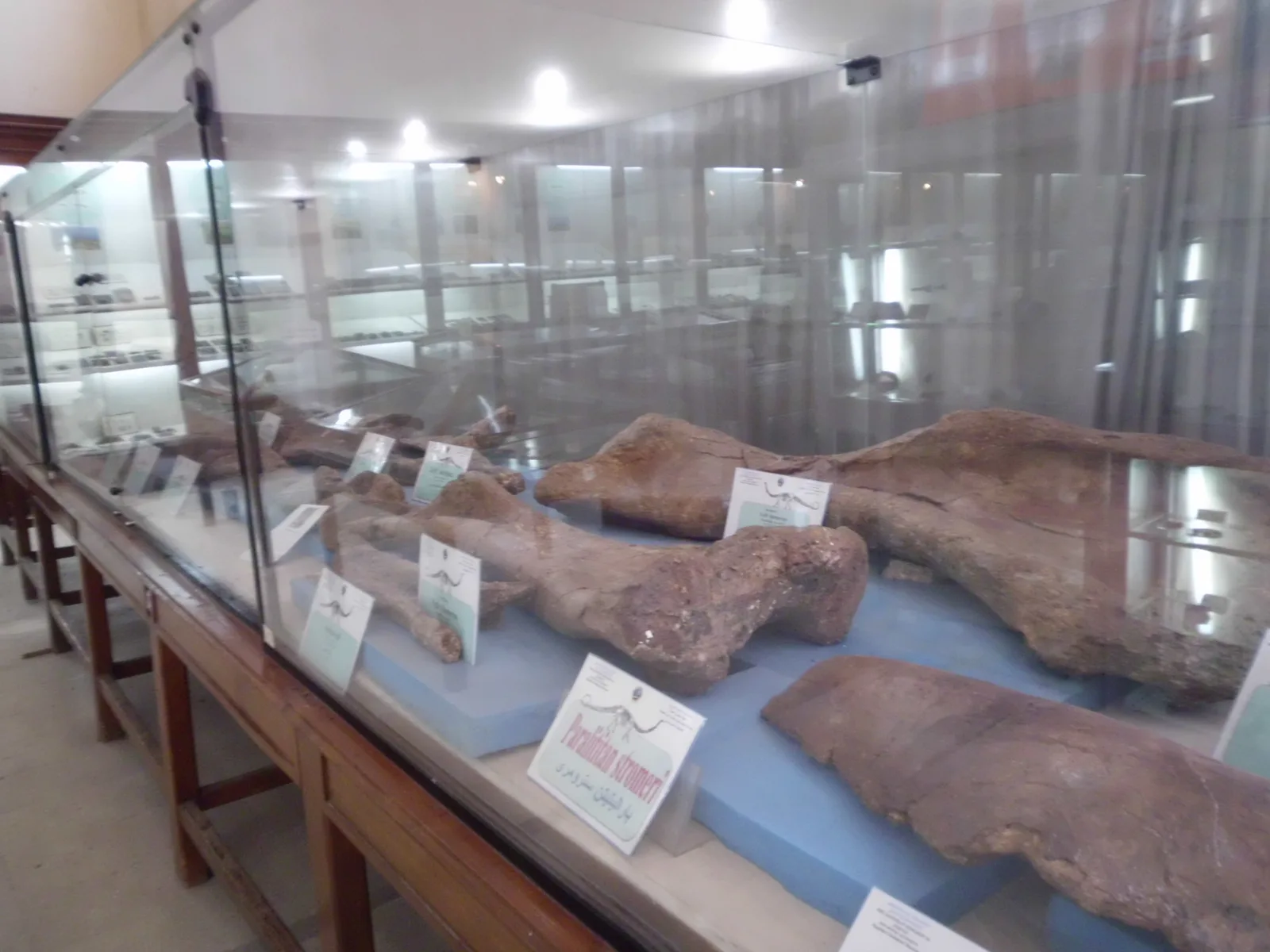
Quatre-vingts millions d'années avant les pharaons : le dinosaure de Mansoura et les fossiles que la guerre a brûlés
Des étudiants égyptiens de l'université de Mansoura ont extrait des roches de l'oasis de Dakhla les ossements de Mansourasaurus, le squelette de dinosaure du Crétacé supérieur le plus complet jamais trouvé en Afrique. Un siècle plus tôt, un savant allemand avait déposé à Munich les dinosaures de Bahariya, que la guerre a brûlés. L'histoire des archives de la Terre dans le désert d'Égypte, et d'une science que votre enfant peut étudier ici.
8 septembre 2026 · 7 min de lecture
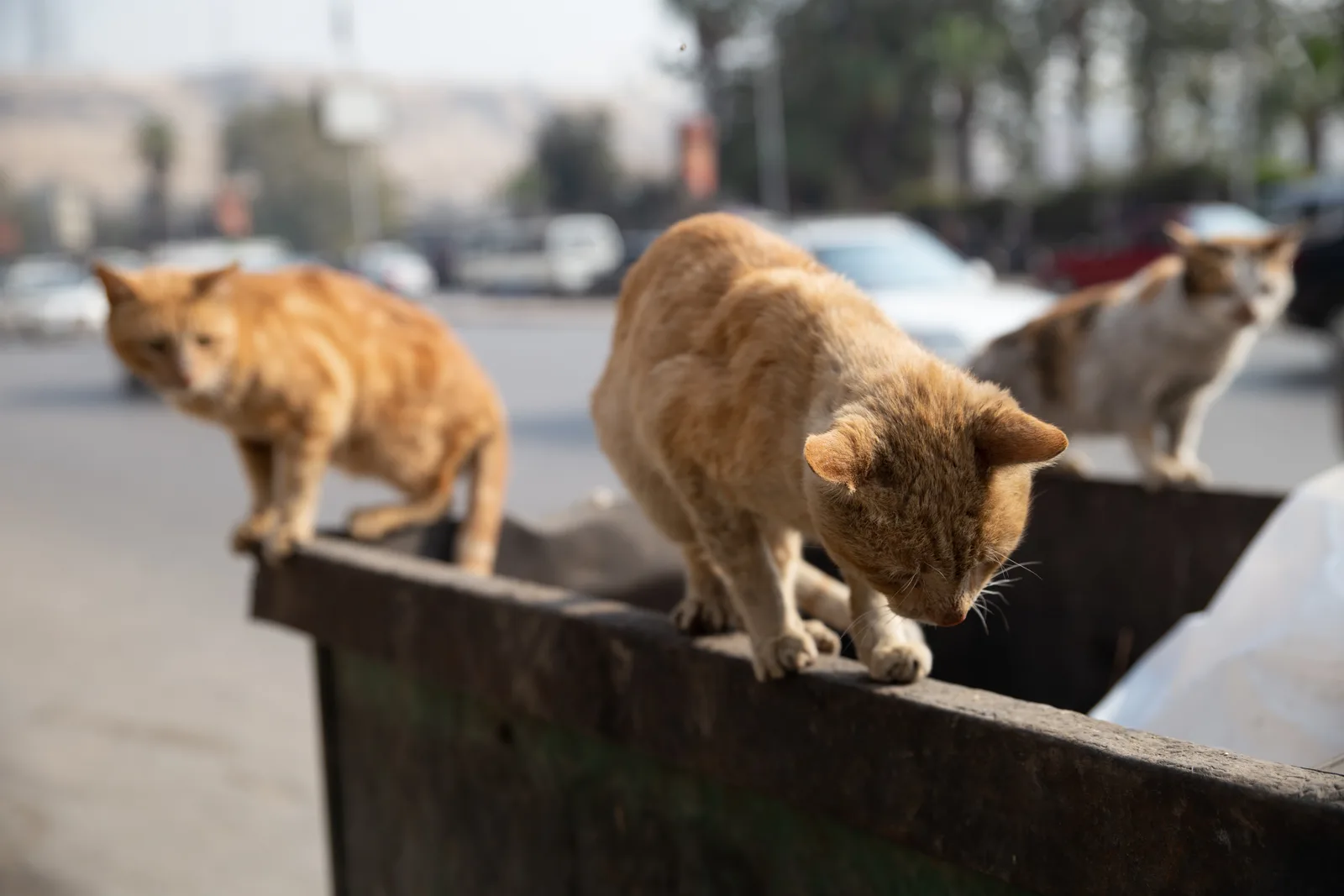
« Keda ghalat » (« Ça, c'est mal ») : maltraiter un animal est un crime au regard du Code pénal égyptien depuis 1937
Un voisin dépose des gamelles empoisonnées près du mur de l'école ; un charretier frappe son âne au visage sous une charge trop lourde. Beaucoup croient qu'« un animal » n'est protégé par aucune loi. En réalité, les articles 355, 356 et 357 du Code pénal sanctionnent tuer, empoisonner et maltraiter un animal, jusqu'à l'emprisonnement. À la veille de la Journée mondiale des animaux, voici ce que dit la loi.
3 octobre 2026 · 6 min de lecture