从排队到屏幕:公民、政府办事窗口与数字埃及
从黎明前的长队到“明天再来”的窗口,跑政府部门办事一直是埃及人共同的国民经历。如今,一场有据可查的数字化转型——“数字埃及”门户、证件送货上门、电子支付——正悄然改写公民与办事窗口之间的关系。
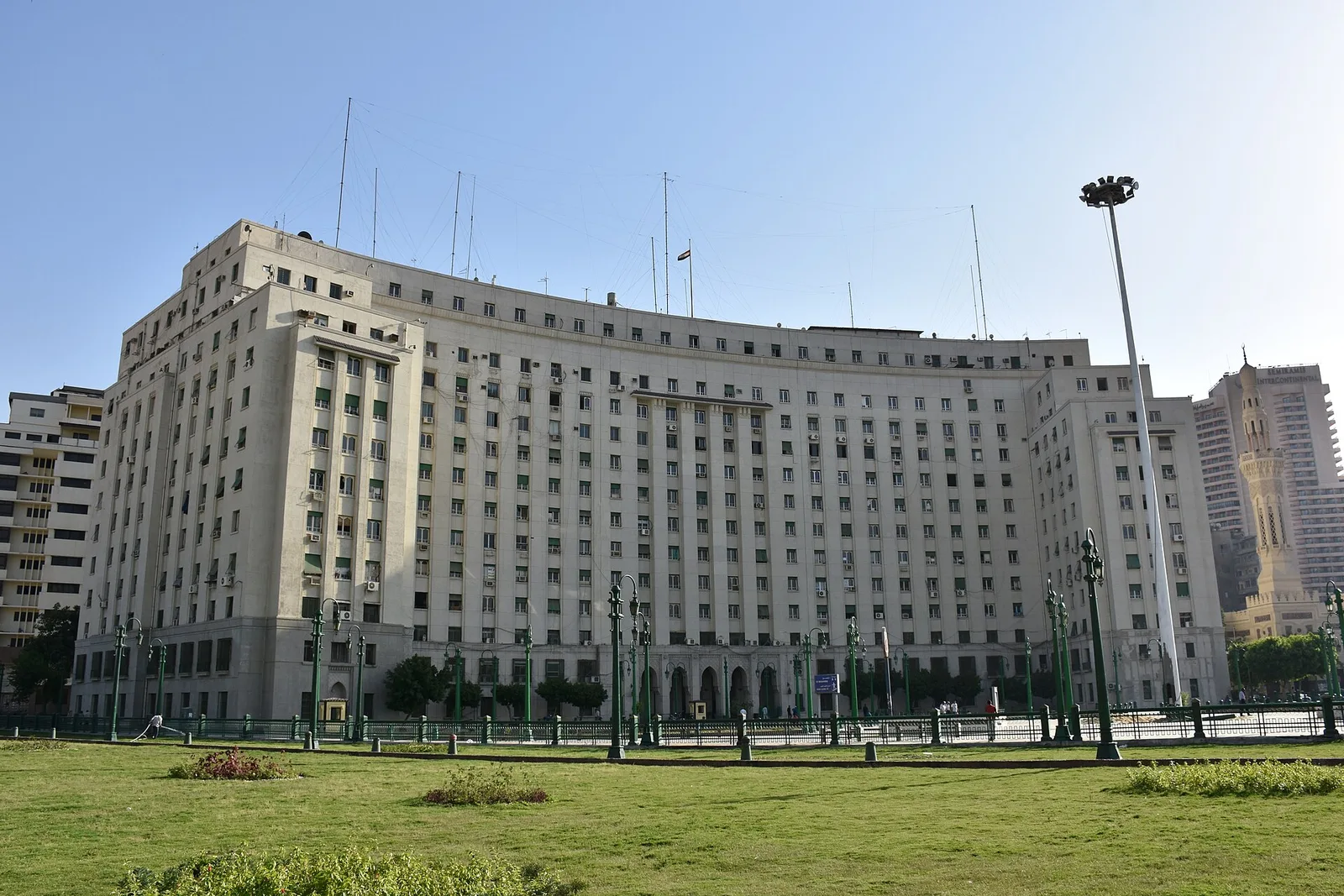
The scene is familiar in almost every Egyptian household. You wake before sunrise, gather a folder of photocopies, and head to the government office hoping to beat the crowd. There is a birth certificate to extract, a national identity card to renew, a signature to notarise, a pension paper to stamp. For generations this journey — the queue, the window, the stamp, and the instruction to come back tomorrow — has been among the most universal experiences of Egyptian public life, shared by rich and poor, by city dwellers and villagers alike.
The traditional route follows a script citizens know by heart. It begins at the photocopy shop that always operates beside the office, because no file is ever complete. It passes through the revenue-stamp window, then the clerk who inspects each paper, and it can end abruptly with a single missing document that restarts the whole journey on another day. The paperwork itself has its own vocabulary: the folder, the seal, the signature of the head of department, and the phrase that everything now awaits — pending approval.
This system did not appear by accident. Egypt has one of the oldest continuous bureaucracies on earth, and its modern form took shape in the nineteenth and twentieth centuries around paper records held in separate offices. The civil registry keeps births and deaths, the notary offices record contracts and powers of attorney, traffic departments hold licences, and supply offices manage ration cards. Because each authority historically kept its own ledgers, the citizen became the messenger, physically carrying stamped papers from one building to another to prove facts the state itself had recorded.
The cost of this journey has always been measured in more than patience. A worker loses a day's wages to renew a card. A villager travels to the district capital, sometimes more than once, for a paper that takes minutes to print. Elderly citizens and people with disabilities face buildings not designed for them. And wherever queues grow long and procedures grow opaque, a market appears for intermediaries who 'know someone inside' — a burden that falls hardest on those least able to pay.
This is the landscape that Egypt's digitisation drive is trying to change. The state's official online gateway, the Digital Egypt portal run under the Ministry of Communications and Information Technology, brings a growing bundle of everyday services onto a single website and application. Civil registry documents such as birth certificates can be requested online and delivered to the home. Notarisation services, supply-card procedures, some court-related requests and traffic services have all been brought, in whole or in part, into the electronic channel.
Using the portal follows a simple logic. The citizen creates an account with the national ID number and a mobile phone, chooses the service, fills in the details, pays electronically by card or mobile wallet, and receives the document by post or collects it from a designated outlet. For those without internet access or confidence online, the same services are offered through post offices and government service centres, where an employee completes the electronic request on the citizen's behalf — the counter remains, but the paperwork behind it has changed.
None of this would be possible without an older foundation: the national ID number. Since Egypt modernised its civil registry and issued computerised identity cards, every citizen has carried a single number that links records across authorities. That number is the thread on which digital services hang. When databases can speak to each other, the state no longer needs the citizen to carry proof of facts it already holds — and that, more than any website, is the real revolution under way.
The difference shows in small, concrete ways. A birth certificate once required a journey to the registry office of the place of birth — a serious trip for someone born in Aswan and living in Alexandria. Today it can be ordered from a phone and arrive by mail. A power of attorney can be booked by appointment instead of costing a full morning's wait. Each service moved online is measured not in technology but in recovered hours of people's lives.
The honest picture also includes the limits. Not every Egyptian has a smartphone, reliable internet, or the digital confidence to complete a form online, and older citizens in particular can find the new channel harder than the old queue. Some procedures still legitimately require presence — fingerprints, photographs, original signatures. And any electronic system is only as good as the data behind it; a mistake in a record still needs a human being to correct it. Digitisation shortens the journey; it has not yet abolished it.
For the citizen, a few habits make the new system work better. Official fees for each service are published on the portal itself, which is the surest defence against being overcharged. Every electronic request produces a reference number that should be kept until the document arrives. The post office, present in nearly every village, is the fallback counter for anyone who prefers a human face. And when a service exists online, asking for it there first often saves the trip entirely.
The queue in front of the government office will not vanish overnight; habits and systems built over a century do not dissolve in a decade. But the direction of travel is clear and documented: more services online, more delivery to the door, fewer journeys with a folder under the arm. The deeper change is in the relationship itself — from a citizen who petitions a window to a citizen who orders a service and expects it to arrive. That expectation, once planted, does not easily go away.
相关报道

排队买大饼:耐心与面饼一同揉制的埃及每日仪式
天不亮,在埃及每一家面包坊门前,都有一个自治的小小“议会”开会:那就是买巴拉迪大饼的长队。这是一幅街头视角的日常仪式画像——不成文的规矩、智能补贴卡、粗粝的平等,以及面包坊门前的队伍为何始终是国家境况的晴雨表。
2026年8月18日 · 5 分钟阅读
走在破损的人行道上:埃及城市的行人寻找自己的路权
在埃及城市横穿主干道,是数百万人被迫练就的本领:迈一步,停下,飞快揣度司机的意图,再来一次算准了的冲刺。这是行人的故事——他们占道路使用者的大多数,分到的路权却最少。
2026年8月18日 · 7 分钟阅读

数百万人的每日旅程:埃及人亲历的公共交通
在拥挤的地铁、乱象丛生的小巴和漫长的等待之间,数百万埃及人每天要在通勤路上耗去生命中的数小时。这是一个人人熟知的故事,而无论走到哪里,乘客的诉求都同样朴素:准点、尊严、公道的票价。
2026年8月18日 · 7 分钟阅读