走在破损的人行道上:埃及城市的行人寻找自己的路权
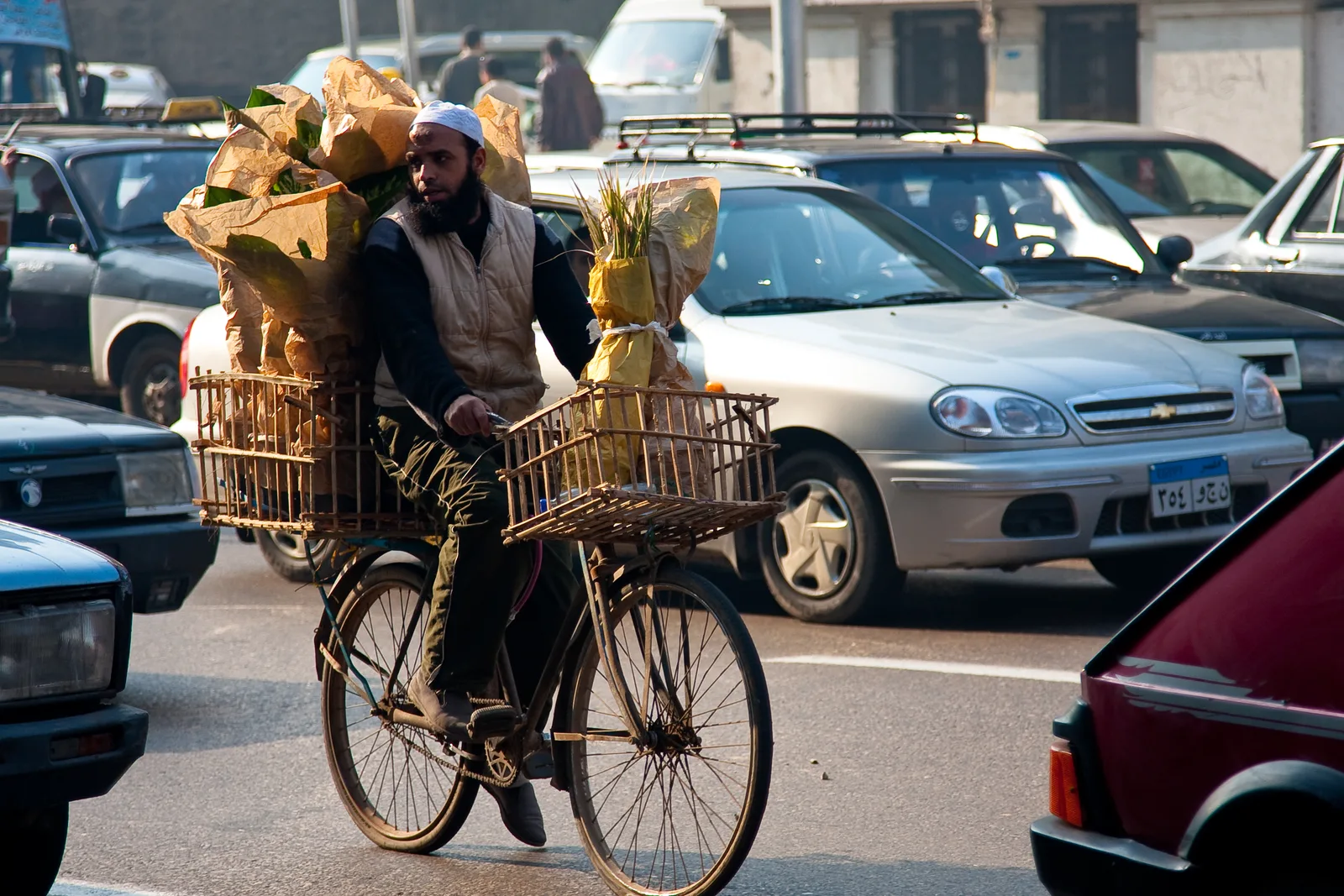
在埃及城市横穿主干道,是数百万人被迫练就的本领:迈一步,停下,飞快揣度司机的意图,再来一次算准了的冲刺。这是行人的故事——他们占道路使用者的大多数,分到的路权却最少。
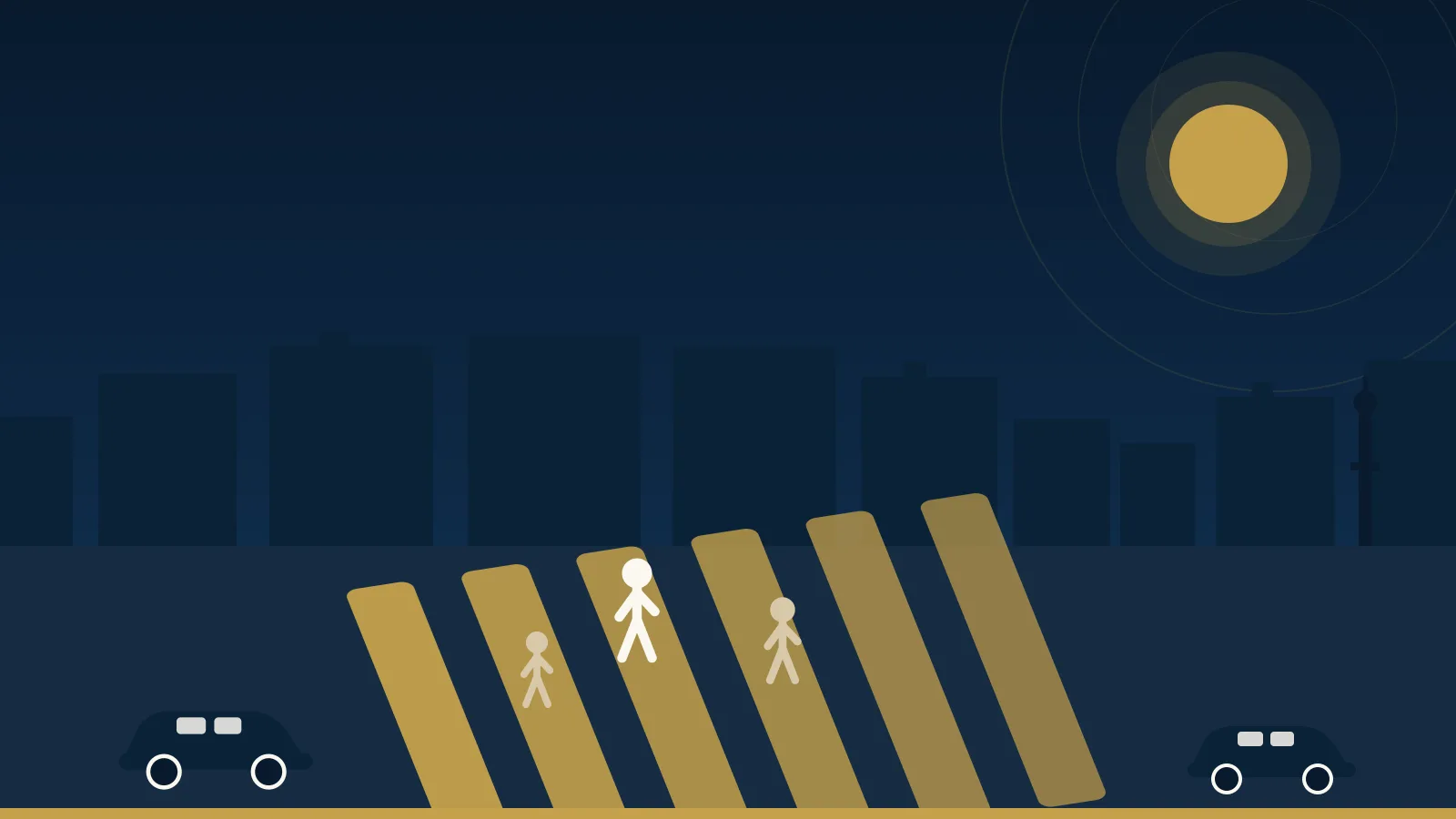
In every Egyptian city a scene repeats itself thousands of times a day: a man, a woman or a schoolchild stands at the edge of a wide multi-lane road, watching the onrushing cars, waiting for a gap in the metal stream, then crossing along a zigzag path plotted with the precision of someone trained by forced practice. Crossing the street in Egypt is not a casual act but a full life skill, learned young and exercised daily at one's own risk, in the near-total absence of safe crossing infrastructure.
The broad numbers of the problem have been known and documented for years: road crashes claim thousands of lives in Egypt annually and injure tens of thousands, and successive World Health Organization reports note that pedestrians account for a large share of road deaths in developing countries generally, where unprotected people share the road with speeding vehicles and nothing in between. Behind every figure in those statistics is a family that lost a breadwinner or a child on the way to work or school.
The story begins with the pavement — the space that is supposed to belong to pedestrians alone. But a short walk through any neighbourhood reveals a different reality: kerbs too high for the elderly to mount, surfaces broken and lying in wait for ankles, whole stretches occupied by parked cars, shop displays, kiosks and street cafes, or pavements that simply end without an alternative. The result everyone knows: the walker steps down into the river of asphalt and shares a lane with cars and motorbikes in the most dangerous arrangement possible.
Crossing is a longer story still. Marked zebra crossings are rare; where they exist, vehicles rarely honour them; pedestrian traffic signals are rarer yet. Footbridges remain the most common official solution, but they are often built far apart and demand climbing dozens of steps — a real barrier for the old, the ill, or a mother carrying a child. Many people choose the risk of crossing at street level over the exhausting detour, and are then blamed for it, with little thought for how reasonable the alternative on offer actually was.
Children pay a painful share of the price. The walk to school — in other countries a cherished healthy habit — becomes, near many schools, a source of daily parental anxiety, as school gates open directly onto fast traffic without adequate speed humps, crossings or crossing guards. Many parents escort their children well into their teens, not for fear of them getting lost but for fear of the street itself — a daily cost in time and effort that families pay for the absence of safe design.
The elderly and people with disabilities are the most excluded of all. An unpaved, obstructed sidewalk is impossible for a wheelchair; a crossing that requires a quick sprint rules out anyone who cannot manage one; and a city in which a person cannot move about independently on foot confiscates part of their daily life and dignity. Modern building codes and regulations now include accessibility requirements, but applying them to the existing street remains the exception, not the rule.
The root of the problem, urban planners broadly agree, is a design philosophy that for decades favoured the car over the human being. A street's success is measured by how smoothly vehicles flow, not how safely people use it; road widenings devour pavements for extra lanes; bridges and tunnels are built to carry cars across, while the walker is left to manage. It is a philosophy many cities around the world have begun radically to reverse, after evidence showed that streets safer for pedestrians are safer for everyone — drivers included.
The solutions are neither secret nor luxurious. Global experience documented by the World Health Organization and road-safety bodies comes down to familiar measures: lower speed limits in residential areas and around schools; well-designed humps and raised crossings; clear marked crossings with signals that give walkers enough time; continuous, level pavements with wheelchair ramps; good lighting; and genuine enforcement of pedestrian priority. Experience proves that reducing speed alone saves lives, because a difference of a few kilometres per hour at impact separates injury from survival.
Egypt is not outside this current. The traffic law already establishes pedestrian rights and drivers' duties toward them, and the newest urban projects — from Nile-front promenades to redesigned squares and the streets of the new cities — show growing awareness of the value of walking in the city. Advocates ask that this care extend beyond showcase projects to the ordinary street in the ordinary neighbourhood, where most Egyptians actually live and walk. A city's quality is measured by its everyday pavements, not its facades.
Walking pays dividends far beyond safety. A walkable city is economically livelier, because passers-by are the customers of its shops; its air is cleaner, because every walking trip is one engine trip fewer; its people are healthier, because walking is the cheapest and most democratic physical activity; and its social fabric is stronger, because a safe street is a meeting place. That is why pedestrian issues are no longer a minor traffic topic in planning literature but a principal gateway to quality of life, public health and the local economy at once.
The heart of the matter is simple: pedestrians are not a marginal group — they are everyone, for every driver becomes a pedestrian the moment the car door closes. The millions who pick their way daily over broken pavements and between speeding cars are not asking for a privilege but for an original right: a city whose streets can be crossed without a gamble. When pavements regain their purpose and crossings their safety, the gain will not belong to walkers alone — it will be the sign of a city grown kinder and wiser toward all its people.
相关报道
从排队到屏幕:公民、政府办事窗口与数字埃及
从黎明前的长队到“明天再来”的窗口,跑政府部门办事一直是埃及人共同的国民经历。如今,一场有据可查的数字化转型——“数字埃及”门户、证件送货上门、电子支付——正悄然改写公民与办事窗口之间的关系。
2026年8月18日 · 6 分钟阅读

排队买大饼:耐心与面饼一同揉制的埃及每日仪式
天不亮,在埃及每一家面包坊门前,都有一个自治的小小“议会”开会:那就是买巴拉迪大饼的长队。这是一幅街头视角的日常仪式画像——不成文的规矩、智能补贴卡、粗粝的平等,以及面包坊门前的队伍为何始终是国家境况的晴雨表。
2026年8月18日 · 5 分钟阅读

数百万人的每日旅程:埃及人亲历的公共交通
在拥挤的地铁、乱象丛生的小巴和漫长的等待之间,数百万埃及人每天要在通勤路上耗去生命中的数小时。这是一个人人熟知的故事,而无论走到哪里,乘客的诉求都同样朴素:准点、尊严、公道的票价。
2026年8月18日 · 7 分钟阅读