« 100 millions de vies en bonne santé » : comment l'Égypte a dépisté toute une nation, et pourquoi le dépistage de masse compte
En 2018, l'Égypte a lancé la campagne « 100 millions de vies en bonne santé » pour dépister gratuitement chez chaque adulte l'hépatite C, l'hypertension, le diabète et l'obésité. Comment a fonctionné l'une des plus grandes campagnes de dépistage de l'histoire, qu'a-t-elle révélé, et pourquoi le dépistage de masse change-t-il le visage de la santé publique ?
À l’automne 2018, l’Égypte a lancé l’une des plus vastes campagnes de dépistage sanitaire de l’histoire : la campagne « 100 millions de vies en bonne santé ». L’objectif était audacieux : offrir à chaque adulte du pays un test gratuit de l’hépatite C, assorti d’un contrôle des principaux facteurs de risque des maladies chroniques — hypertension artérielle, glycémie élevée et obésité. En quelques mois, des dizaines de millions de personnes étaient passées par les points de dépistage. La campagne a modifié la carte sanitaire de l’Égypte et est devenue un cas d’école commenté dans le monde entier.
Pour comprendre pourquoi l’hépatite C occupait le cœur de la campagne, il faut remonter de plusieurs décennies : pendant des années, l’Égypte a enregistré le taux de prévalence de l’hépatite C le plus élevé au monde. Une grande part de cette épidémie remonte aux campagnes de masse du milieu du XXe siècle qui traitaient par injections la bilharziose — cette maladie parasitaire liée à la vallée du Nil —, à une époque où les aiguilles étaient réutilisées et la stérilisation insuffisante. Le virus s’est propagé en silence dans toute une génération et, comme l’hépatite C peut endommager le foie pendant vingt ans sans le moindre symptôme, la plupart des porteurs ignoraient qu’ils étaient infectés.
Ce qui a rendu la campagne nationale possible, c’est une révolution thérapeutique : les antiviraux à action directe apparus dans les années 2010 guérissent plus de quatre-vingt-dix pour cent des cas d’hépatite C avec une courte cure de comprimés — un basculement radical par rapport aux anciennes injections d’interféron, longues, éprouvantes et rarement efficaces. L’Égypte a négocié des prix fortement réduits et autorisé la production locale de génériques abordables, faisant tomber le coût d’une guérison à une infime fraction des prix mondiaux. Un traitement bon marché a créé une logique nouvelle : dès lors que le remède existe, la priorité devient de retrouver les porteurs silencieux.
Le dépistage lui-même a été conçu pour la rapidité et la couverture : les équipes ont installé des points dans les unités sanitaires et les hôpitaux, mais aussi dans les maisons de jeunes, les gares, les mosquées, les églises et les lieux de travail. La visite prenait quelques minutes : un test rapide de recherche d’anticorps de l’hépatite C par piqûre au doigt, une mesure de la tension artérielle, un contrôle de la glycémie, ainsi que la taille et le poids pour calculer l’indice de masse corporelle. Les résultats étaient enregistrés par voie électronique sous le numéro national d’identité, et tout était gratuit. Lever chaque obstacle — le coût, la distance, la paperasse — était l’idée maîtresse : un dépistage de masse ne réussit que lorsque se faire tester devient plus simple que de l’éviter.
Le dépistage seul ne guérit personne, et la vraie force de la campagne résidait dans ce qui venait après. Toute personne dont le test rapide évoquait l’hépatite C était orientée vers un test PCR de confirmation, puis vers une évaluation médicale, puis — si l’infection était active — vers une cure gratuite d’antiviraux. Celles chez qui l’on décelait une tension ou une glycémie élevée étaient dirigées vers un suivi des maladies chroniques. Cette chaîne qui va du test au traitement est ce que les spécialistes de santé publique appellent « le lien vers les soins » : c’est elle qui distingue un exercice statistique d’une véritable intervention sanitaire.
Les résultats ont été considérables : des dizaines de millions d’adultes ont été dépistés lors des principales phases de la campagne, des centaines de milliers d’infections ont été confirmées et traitées, et la prévalence mesurée de l’hépatite C en Égypte a chuté brutalement par rapport aux niveaux de la décennie précédente. En octobre 2023, l’Organisation mondiale de la santé a annoncé que l’Égypte devenait le premier pays à atteindre le « niveau or » sur la voie de l’élimination de l’hépatite C — une reconnaissance officielle du fait qu’elle satisfaisait à des critères exigeants de couverture diagnostique et thérapeutique.
Pourquoi le dépistage de masse compte-t-il à ce point ? Parce que les maladies chroniques les plus meurtrières sont silencieuses dans leurs premières années. L’hépatite C détruit le foie sans bruit, l’hypertension artérielle abîme les artères, le cœur et les reins une décennie entière avant la première crise, et le diabète de type 2 peut évoluer inaperçu tout en attaquant les yeux et les nerfs. Quand les symptômes finissent par conduire le patient chez le médecin, les dégâts sont souvent avancés et le traitement bien plus coûteux. Le dépistage renverse ce calendrier : il détecte la maladie au moment où la soigner coûte le moins et demande le moins.
La campagne a aussi laissé derrière elle une infrastructure durable : des initiatives sanitaires présidentielles ultérieures ont repris le même modèle pour d’autres pathologies — dépistage du cancer du sein et des risques liés à la santé reproductive chez les femmes, examen des élèves pour l’anémie, l’obésité et le retard de croissance, suivi de la santé des mères et des nouveau-nés, détection des maladies rénales et d’autres affections chroniques. Chaque initiative réemploie la même logique : portez le dépistage gratuit et rapide là où les gens se trouvent déjà, enregistrez les résultats sous forme numérique et reliez chaque cas positif aux soins.
Pour les responsables des politiques de santé, l’expérience égyptienne livre des enseignements clairs. Le premier : une campagne ambitieuse repose sur trois piliers — un engagement politique au plus haut niveau, des outils de diagnostic rapides et peu coûteux, et un traitement abordable garanti à quiconque est déclaré positif ; retirez l’un d’eux et le modèle s’effondre. Le deuxième : aller vers les gens là où ils vivent vaut mieux que de les attendre dans les cabinets. Le troisième : les données produites par un dépistage de masse constituent en elles-mêmes un bien public, car elles donnent aux planificateurs une carte réelle du fardeau de la maladie au lieu de simples estimations.
Pour le citoyen, la leçon est plus simple et plus intime : mesurer sa tension prend une minute, doser sa glycémie quelques minutes de plus, et l’un comme l’autre peuvent révéler une menace des années avant qu’elle ne devienne une crise. Le legs le plus profond de la campagne serait qu’une culture s’installe, où les Égyptiens vérifient régulièrement ces chiffres — dans une pharmacie, une unité sanitaire ou lors d’une visite chez le médecin — sans attendre qu’une campagne nationale vienne frapper à leur porte. Se faire dépister une fois a fait l’histoire ; se faire dépister régulièrement fait la santé.
À lire aussi
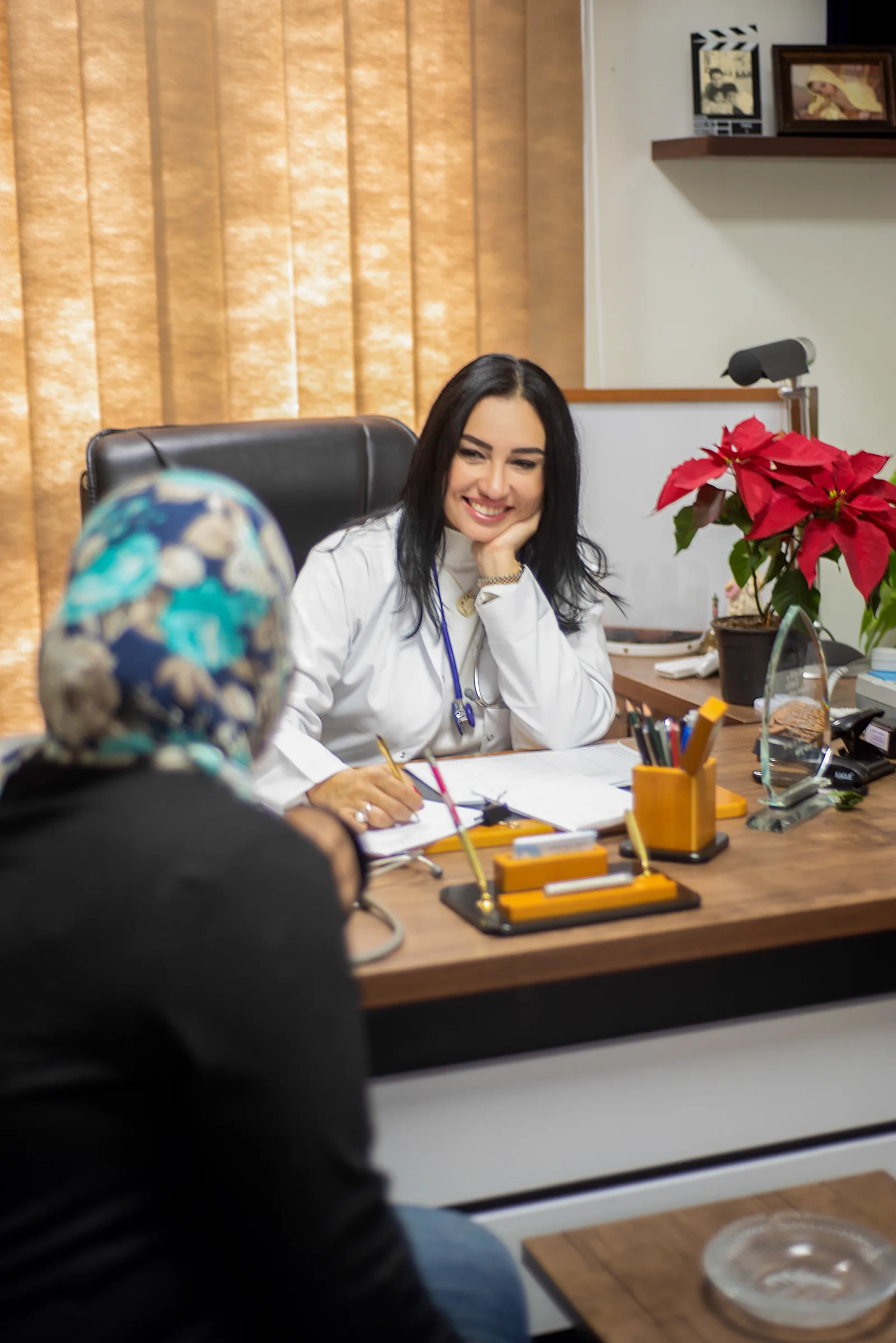
Octobre rose : dépistage gratuit à l'unité de santé, pourquoi la détection précoce change le destin des Égyptiennes
« Je n'ai mal nulle part » n'est pas une raison de remettre à plus tard. Depuis juillet 2019, les unités de santé égyptiennes ouvrent gratuitement leurs portes à toute femme dès 18 ans, et en juin 2026 la part des cas découverts à un stade avancé était tombée de 60 % à 19,5 %. Nous expliquons ce qui se passe à l'unité, quels signes doivent conduire à la consultation, et pourquoi la peur retarde ce dépistage essentiel.
2 octobre 2026 · 7 min de lecture
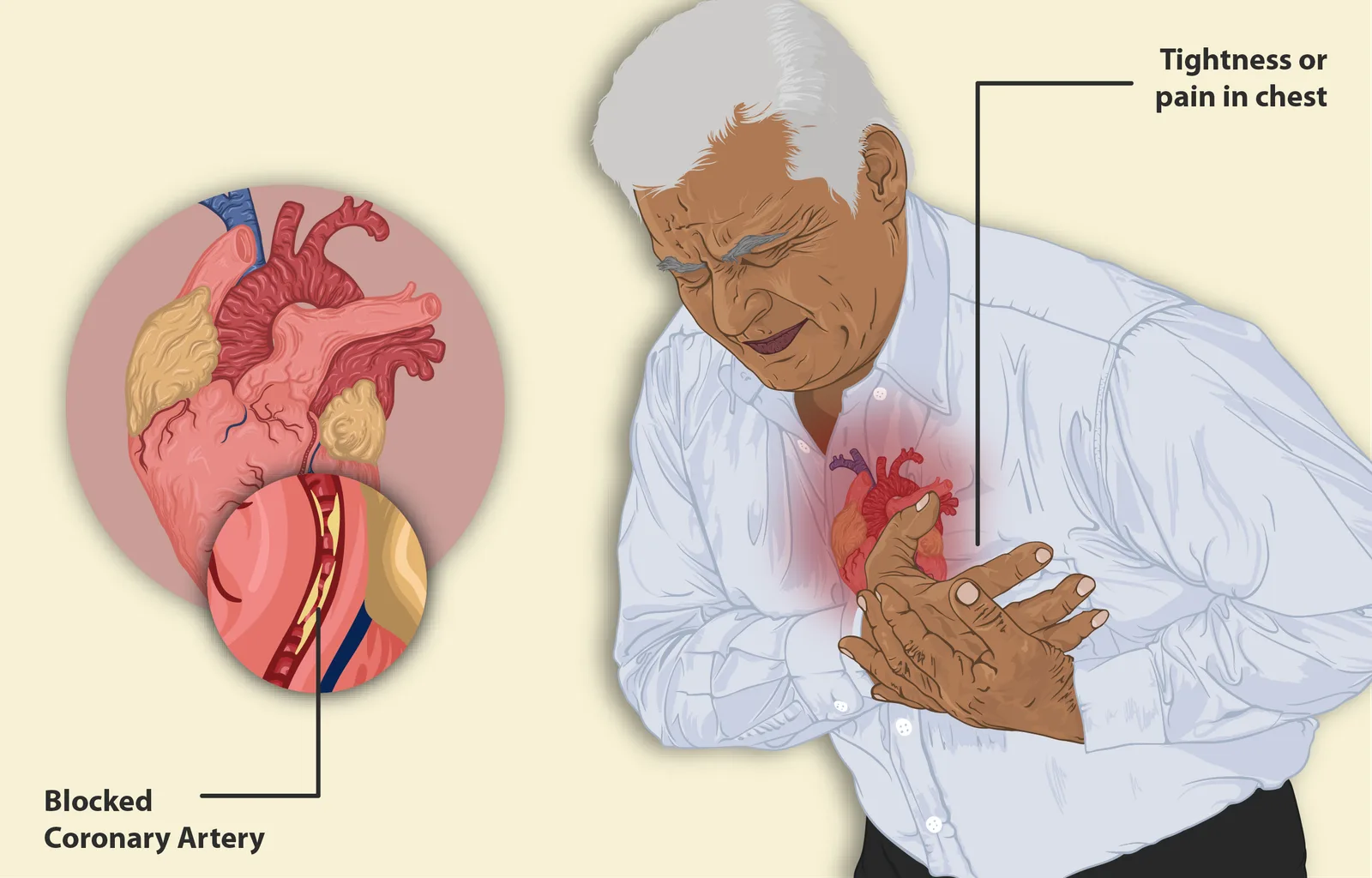
Journée mondiale du cœur : reconnaître à temps l'angine et l'infarctus, et les premiers gestes
Un homme d'une cinquantaine d'années met la lourdeur dans sa poitrine sur le compte d'une « acidité » due à un dîner copieux et remet l'hôpital au lendemain. Pour la Journée mondiale du cœur, nous expliquons la différence entre angine, infarctus, arrêt cardiaque et AVC, les signes recensés par l'OMS, y compris chez les femmes, et que faire dans les premières minutes : appeler le 123, gratuit, s'asseoir et ne pas conduire.
29 septembre 2026 · 7 min de lecture
La santé mentale n'est pas un luxe : quand la tristesse devient-elle une maladie, et où trouver de l'aide sans stigmatisation ?
Entre « sois fort » et « tu manques de foi », les personnes qui souffrent de dépression et d'anxiété s'étiolent en silence. Un guide pratique qui distingue le chagrin passager de la maladie qui exige un traitement, explique la différence entre le psychiatre et le psychologue, et trace le chemin de l'aide en Égypte, avec des mots qui ouvrent la porte au lieu de la refermer.
31 août 2026 · 7 min de lecture