Face aux guerres de quatrième génération : notre méthode scientifique contre les rumeurs
Nous ne sommes pas un simple relais d'informations : nous sommes la première plateforme d'information à revendiquer ouvertement le combat contre les guerres de quatrième génération. Dans cet article, nous expliquons au lecteur ce que sont ces guerres et comment les rumeurs sont fabriquées pour frapper l'économie et la paix sociale de l'Égypte ; nous dévoilons, pas à pas, notre méthode scientifique de vérification auprès d'experts et de spécialistes, et comment chaque citoyen peut s'immuniser avant d'appuyer sur le bouton de partage.

Dès le premier jour, cette plateforme s'est imposé un engagement qu'aucun autre site d'information n'avait pris avant elle : affronter ouvertement et méthodiquement les guerres de quatrième génération, ces guerres qui ne se mènent ni avec des chars ni avec des avions, mais avec la rumeur, le mensonge et l'image truquée. Aujourd'hui, nous plaçons cette méthode entre les mains du lecteur en toute transparence, car le lecteur est notre premier partenaire dans cette bataille.
L'expression « guerres de quatrième génération » n'est pas une invention de journalistes : elle est apparue dans la littérature militaire américaine à la fin des années 1980, dans un article resté célèbre, publié en 1989 par la revue « Marine Corps Gazette » sous la plume de William Lind et de ses coauteurs. L'idée, en somme : les guerres modernes ne se jouent plus seulement sur les fronts. Elles se sont déplacées dans les esprits, là où s'effacent les frontières entre la guerre et la politique, entre le combattant et le civil, et où la manipulation de l'information devient une arme dont les effets rivalisent avec ceux des canons et des missiles.
Dans ces guerres, la rumeur n'est pas un mensonge passager lancé par un individu pour se distraire : c'est un produit fabriqué avec soin. Elle part en général d'un petit grain de vérité, puis on l'enrobe d'exagération et de déformation, on l'injecte de peur ou de colère, et on la lâche à un moment calculé — juste avant une décision économique, au cœur d'une crise, à la veille d'une fête nationale — afin d'obtenir le maximum de diffusion et le maximum de dégâts.
Ses procédés sont connus et documentés par la littérature universitaire et journalistique du monde entier : une vieille photo prise dans un autre pays, présentée comme un événement survenu hier en Égypte ; une déclaration fabriquée attribuée à un responsable qui ne l'a jamais prononcée ; la capture d'écran retouchée d'un communiqué officiel ; l'annonce d'une pénurie imminente qui pousse les gens à acheter dans la panique et crée ainsi la crise même qu'elle prétendait annoncer ; des chiffres économiques coupés de leur contexte pour laisser croire à un effondrement qui n'existe pas.
Pourquoi l'Égypte en particulier ? Parce qu'une rumeur économique, dès lors qu'elle est crue, se transforme en actes : stockage de denrées, panique sur les marchés, pression sur la monnaie, investisseurs qui reculent. Et parce qu'une rumeur de discorde, une fois répandue, déchire le tissu qui unit les enfants d'un même pays. Le but ultime de ces campagnes n'est pas d'abuser un individu, mais d'épuiser une société entière et d'ébranler la confiance qu'elle a en elle-même et en ses institutions.
Comment y faire face ? Notre première étape est la traçabilité de la source. Pour chaque affirmation qui nous parvient, nous demandons : où est-elle apparue pour la première fois ? Sur un compte certifié ou sur une page anonyme créée il y a quelques jours ? Qui l'a relayée, et pourquoi ? À qui profite sa diffusion ? Une rumeur fabriquée laisse toujours des empreintes qui trahissent son auteur.
La deuxième étape est la collecte des preuves : nous revenons au document original et au communiqué officiel dans son intégralité, et non à l'extrait qui circule ; nous utilisons la recherche d'images inversée pour démasquer les séquences recyclées ; nous vérifions les dates, les lieux et les petits détails qui trahissent la falsification ; et nous comparons les chiffres qui circulent aux données publiées par leurs sources d'origine.
La troisième étape — le cœur de notre méthode — consiste à faire appel aux experts et aux spécialistes. Nous ne nous contentons pas de l'avis du rédacteur : nous soumettons l'affirmation économique à des professeurs d'économie, l'affirmation médicale à des médecins, l'affirmation juridique à des juristes, et l'expert apparaît avec son nom et sa qualité, afin d'assumer la responsabilité de son avis devant le lecteur. C'est ainsi que la vérification cesse d'être une impression de journaliste pour devenir un témoignage scientifique.
Quatrième étape : classer les preuves et rendre un verdict public. Chaque enquête aboutit à un jugement clair, selon une échelle publiée : vrai, partiellement vrai, trompeur, faux ou satirique. Avec le verdict, nous exposons pas à pas les preuves sur lesquelles nous l'avons fondé, pour que le lecteur puisse juger notre méthode elle-même. Et si nous nous trompons, nous corrigeons publiquement notre erreur : la crédibilité ne se construit que dans la transparence.
Mais la plus solide ligne de défense, ce n'est pas nous : c'est vous. La vaccination contre la rumeur commence par un instant d'arrêt avant d'appuyer sur « partager ». Demandez-vous : quelle est la source de cette information ? Porte-t-elle une date claire ? A-t-elle été publiée par un organisme connu, qui répond de ce qu'il diffuse ? Et pourquoi cette publication cherche-t-elle à me mettre en colère ou à me faire peur ? Un contenu qui heurte violemment vos émotions est le plus souvent conçu exactement pour cela.
Des outils simples sont à la portée de chaque citoyen : rechercher l'origine d'une image avant d'y croire, consulter les comptes et les sites officiels de l'organisme concerné, et se méfier des messages qui commencent par « transmis tel que reçu » — cette formule est l'aveu explicite que celui qui les relaie n'en a pas vérifié un seul mot. Et une règle d'or : si vous ne pouvez pas vous en assurer, ne partagez pas. Se taire sur une rumeur vaut mille fois mieux que de la propager.
C'est une longue bataille, qui ne s'achèvera ni avec une enquête ni avec cent. Nous nous engageons devant vous à respecter la méthode scientifique, à citer le spécialiste dont le nom et la qualité sont connus, à motiver nos verdicts et à corriger publiquement nos erreurs. Et nous ne vous demandons qu'une chose : faire de la vérification une habitude quotidienne, comme se laver les mains. Car lorsque chaque citoyen s'arrête une seconde avant de partager, les guerres de quatrième génération perdent leur arme la plus tranchante : nos propres doigts.
À lire aussi
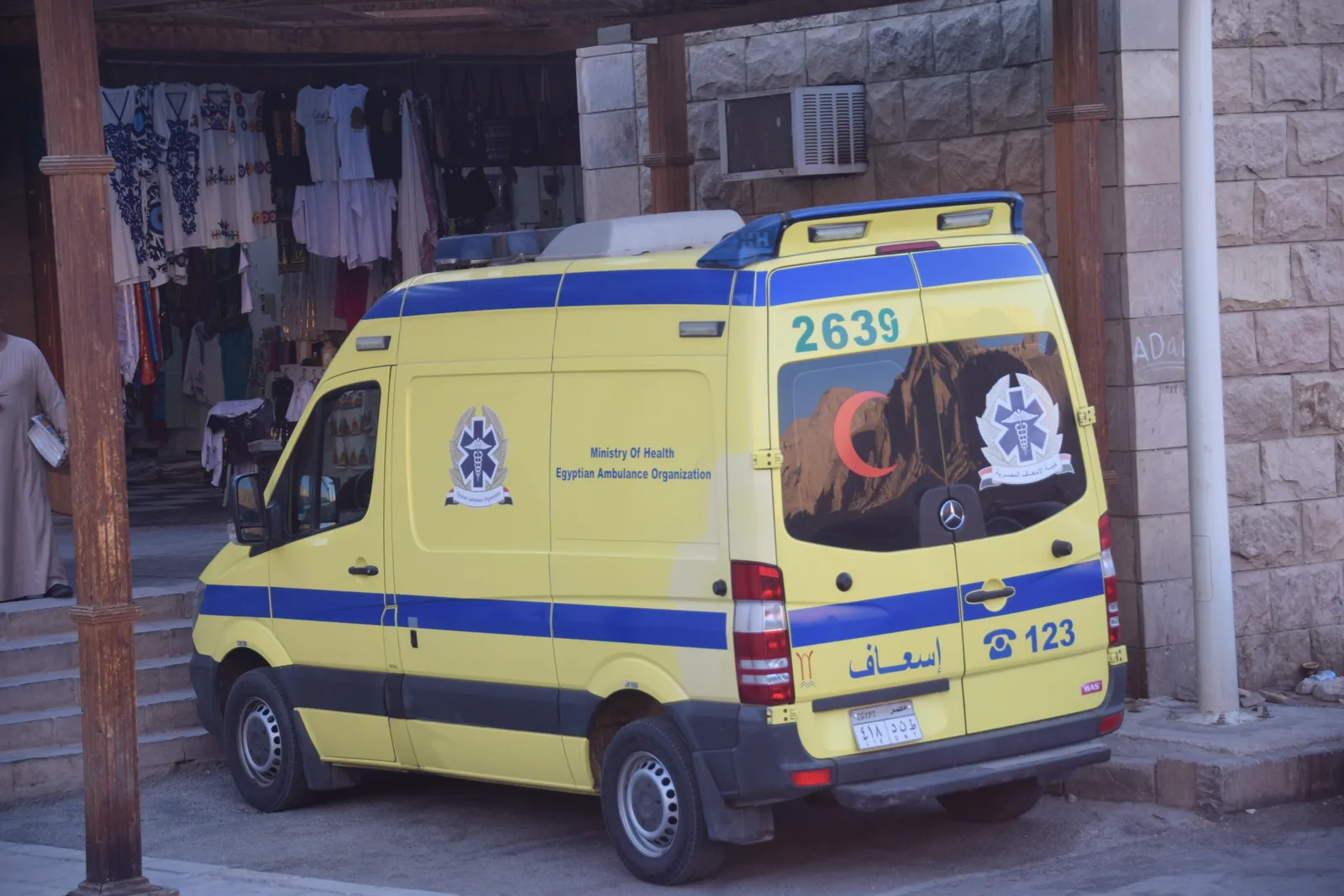
« Toussez fort pour survivre seul à une crise cardiaque » : le message WhatsApp que la médecine contredit
Un message en chaîne atteint presque chaque téléphone en Égypte : en cas de crise cardiaque quand on est seul, toussez fort et en rythme jusqu'à ce que le cœur se régularise. L'American Heart Association rejette explicitement la « RCP par la toux », le message confond crise cardiaque et arrêt cardiaque, et chaque minute perdue à tousser au lieu d'appeler le 123, l'ambulance gratuite, est ôtée à la vie du patient. Voici ce que dit la médecine.
28 septembre 2026 · 7 min de lecture
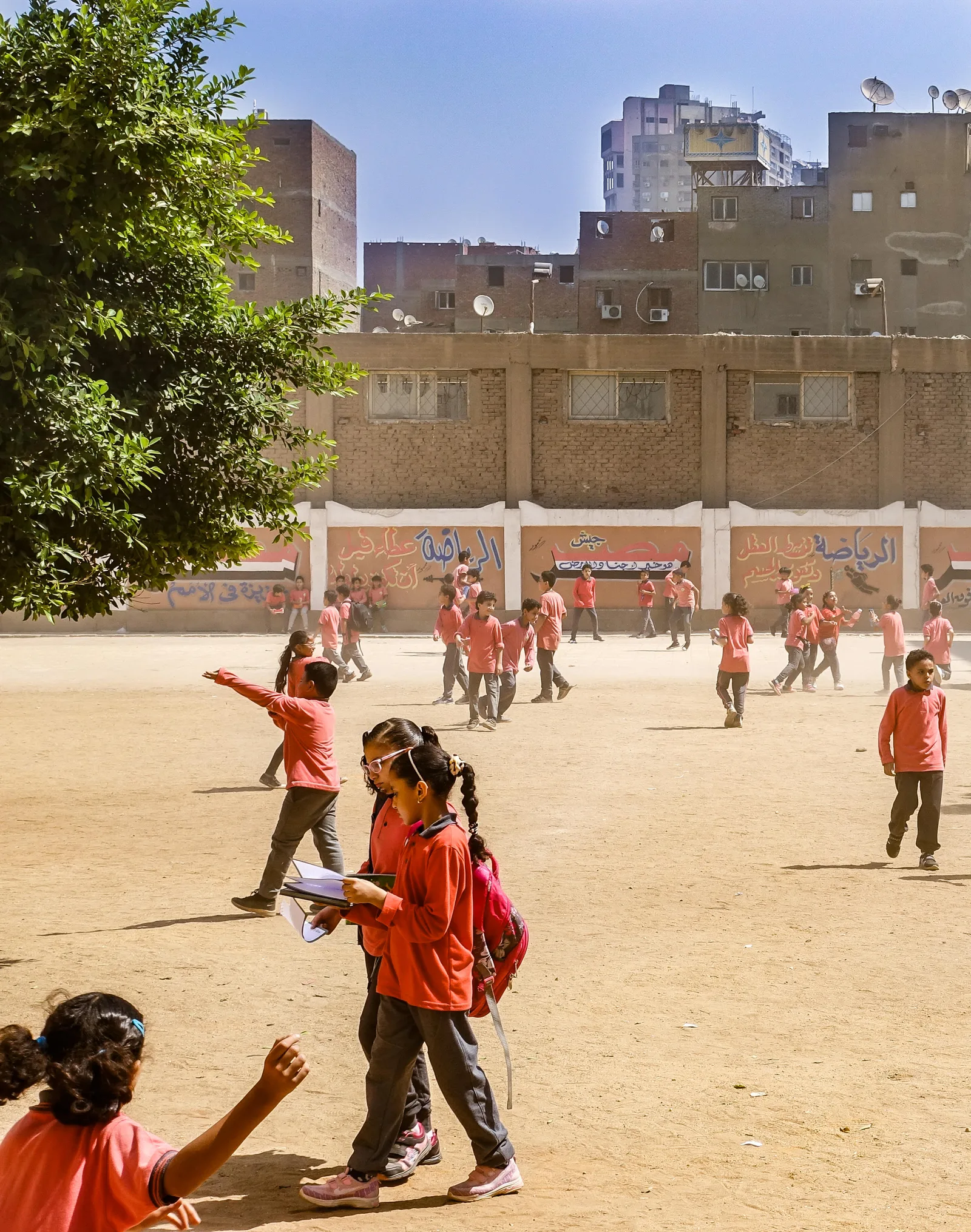
« Lire dans la pénombre abîme les yeux » : ce que confirment les ophtalmologistes et le danger que les parents négligent
Avec le retour des devoirs du soir sous une ampoule unique revient le vieil avertissement : « Tu vas devenir aveugle ». Nous avons vérifié l'affirmation mot à mot : les ophtalmologistes sont unanimes, la lumière faible et la proximité de l'écran fatiguent les yeux sans les abîmer. Mais derrière ce constat rassurant se cache un danger réel que la plupart des foyers ignorent, et les estimations régionales placent les enfants d'Égypte en tête.
19 septembre 2026 · 7 min de lecture
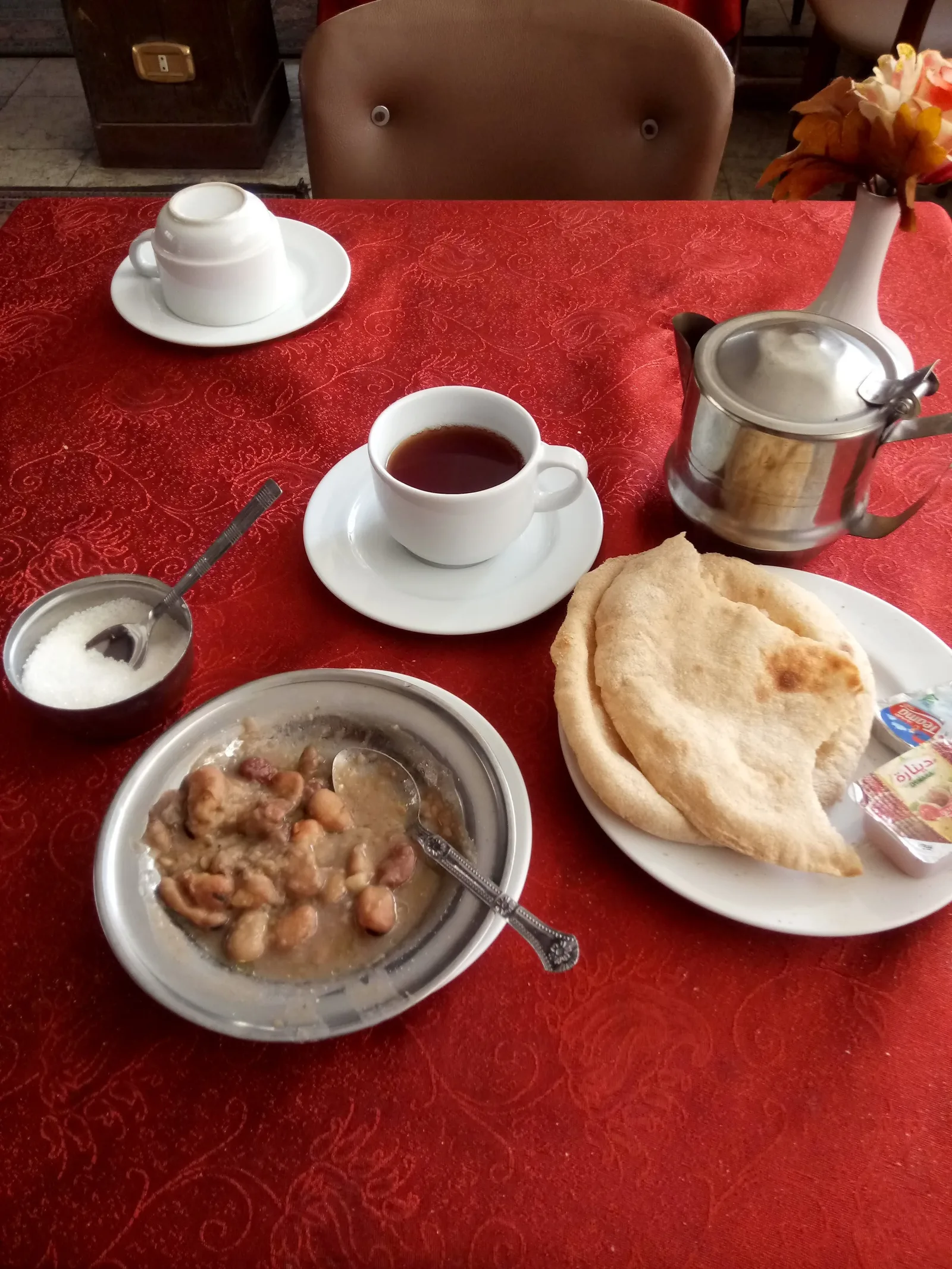
« Le thé après le repas bloque le fer » : l’avertissement des mères confirmé par la science
Il est rare qu’un avertissement venu de la cuisine égyptienne soit confirmé avec autant de netteté par le laboratoire. Le thé noir pris avec le repas réduit fortement l’absorption du fer du pain, des lentilles et des légumes, et le lait n’y change rien. La solution n’est pas de bannir le thé, mais de le retarder d’une heure et d’ajouter un quartier de citron. Nous exposons les preuves, et pourquoi l’Égypte est particulièrement concernée.
10 septembre 2026 · 7 min de lecture