Comment l'Égypte a bâti l'empire du squash qui règne sur le monde
Des années durant, Égyptiens et Égyptiennes ont trusté le sommet du classement mondial de squash, au point que les grandes finales sont souvent devenues des affaires exclusivement égyptiennes. Voici l'histoire de tout un système — clubs, entraîneurs, familles et un court de verre au pied des pyramides — à l'origine de l'une des dominations les plus rares du sport moderne.
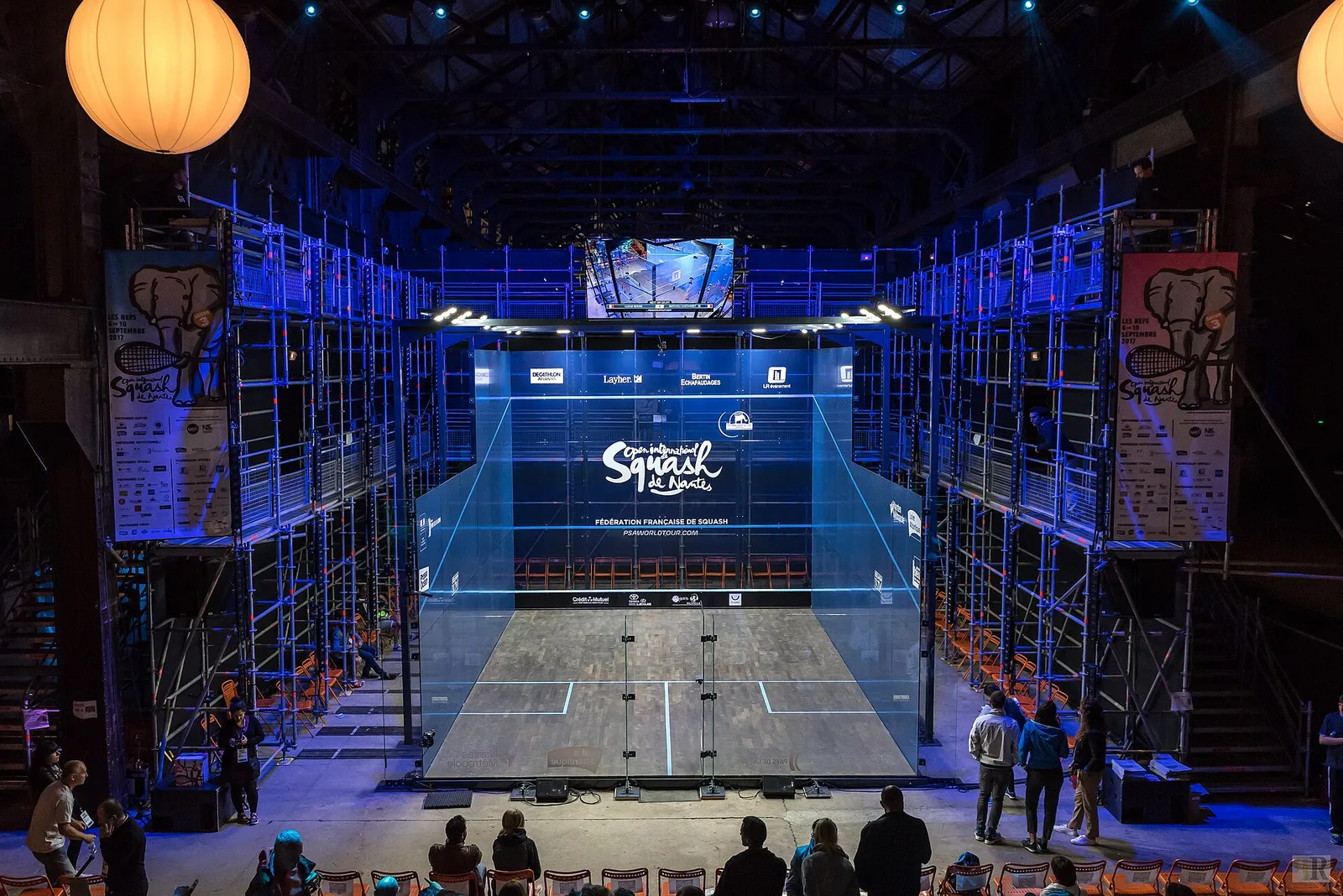
Dans la plupart des sports, les nations se disputent les titres. Au squash, la question est différente depuis de longues années : quel Égyptien, quelle Égyptienne soulèvera le trophée cette fois-ci ? Depuis près d'une quinzaine d'années, les joueurs et les joueuses d'Égypte occupent la majorité des dix premières places du classement mondial, chez les hommes comme chez les femmes, et les finales cent pour cent égyptiennes sont devenues la norme dans les plus grands tournois, au point que le spectacle nourrit un étonnement permanent dans la presse sportive internationale.
Cette domination n'est pas née de rien. Les racines du jeu en Égypte remontent à la première moitié du XXe siècle, lorsque les courts de squash se sont multipliés dans les grands clubs sportifs du Caire et d'Alexandrie. Des champions égyptiens se sont imposés très tôt sur la scène internationale, à l'époque qui a précédé le circuit professionnel moderne, avant que les projecteurs ne s'éteignent pendant des décennies, pour revenir plus puissants encore.
Beaucoup datent l'étincelle contemporaine du milieu des années 1990, quand le tournoi international Al-Ahram fut disputé sur un court de verre illuminé, dressé au pied des pyramides de Gizeh, et que le jeune Ahmed Barada atteignit la finale du championnat du monde et la deuxième place mondiale. Ces images télévisées — une petite balle qui vole devant la plus ancienne des merveilles du monde — ont enflammé l'imagination de toute une génération d'enfants des clubs égyptiens et convaincu leurs parents que ce sport pouvait mener à la gloire.
Puis vint l'explosion des années 2000. Amr Shabana remporta quatre titres mondiaux au cours de la première décennie du millénaire, suivi de Ramy Ashour, un talent que bien des observateurs ont décrit comme « le plus créatif de l'histoire du jeu », auteur de trois titres mondiaux malgré des blessures à répétition. Les champions se sont ensuite succédé : Mohamed ElShorbagy, Karim Abdel Gawad, Ali Farag et Tarek Momen sont tous montés sur le podium du championnat du monde ou en tête du classement.
Les femmes n'ont jamais été l'ombre des hommes : elles sont des associées à part entière de cet empire. Raneem El Welily est devenue la première Égyptienne et la première Arabe à prendre la tête du classement mondial féminin ; Nour El Sherbini a conquis le titre de championne du monde à de nombreuses reprises, après l'avoir décroché à un âge record ; puis Nouran Gohar, Hania El Hammamy et leur génération ont perpétué ce monopole, si bien que les grandes affiches du circuit féminin sont le plus souvent des duels entre Égyptiennes.
Derrière les noms qui brillent se tient tout un système. Les grands clubs du Caire et de Gizeh — d'Héliopolis à la Gezira, en passant par Wadi Degla et bien d'autres — font tourner des programmes de jeunes qui accueillent les enfants dès six ou sept ans, avec des courts en abondance et des entraîneurs à plein temps, souvent d'anciens champions. Les familles égyptiennes de la classe moyenne investissent sérieusement dans ce sport : entraînement quotidien après l'école, déplacements précoces en tournoi, et des fratries qui se transmettent la raquette de génération en génération.
Les fruits de ce système apparaissent très tôt. Les jeunes Égyptiens raflent depuis longtemps les tournois internationaux de leur catégorie d'âge, à commencer par le British Junior Open, référence historique du squash des jeunes ; si bien qu'en arrivant chez les professionnels, le joueur égyptien a pris l'habitude, depuis l'enfance, de battre ses pairs venus du monde entier.
La signature technique de l'école égyptienne saute aux yeux de tout observateur : un jeu d'attaque audacieux, fondé sur la souplesse du poignet, des amortis soudains et une conclusion rapide des échanges, à l'opposé des écoles européennes et asiatiques, plus portées sur la patience et l'usure physique. Ce mélange de technique et d'audace a fait des matchs égyptiens un spectacle populaire, qui a contribué à son tour à faire connaître le squash dans le monde entier.
L'Égypte continue par ailleurs d'exploiter ses atouts visuels uniques : ces dernières années, les courts de verre sont revenus au pied des pyramides pour accueillir de grands tournois retransmis à la planète entière, rejoints par des courts dominant la mer Rouge à El Gouna, ancrant durablement dans les esprits l'association du jeu et des plus belles images de l'Égypte.
Reste un défi historique dont le dénouement s'est longtemps fait attendre : l'absence du squash du programme olympique a privé les champions égyptiens, des décennies durant, du podium le plus célèbre du sport, avant que la discipline ne soit enfin inscrite au programme des Jeux de Los Angeles 2028. Le jour où le rideau olympique se lèvera pour la première fois sur le squash, les Égyptiens et les Égyptiennes entreront en scène en tant que première puissance de son histoire moderne — et leur génération suivante s'entraîne déjà sur les courts des mêmes clubs où tout a commencé.
À lire aussi
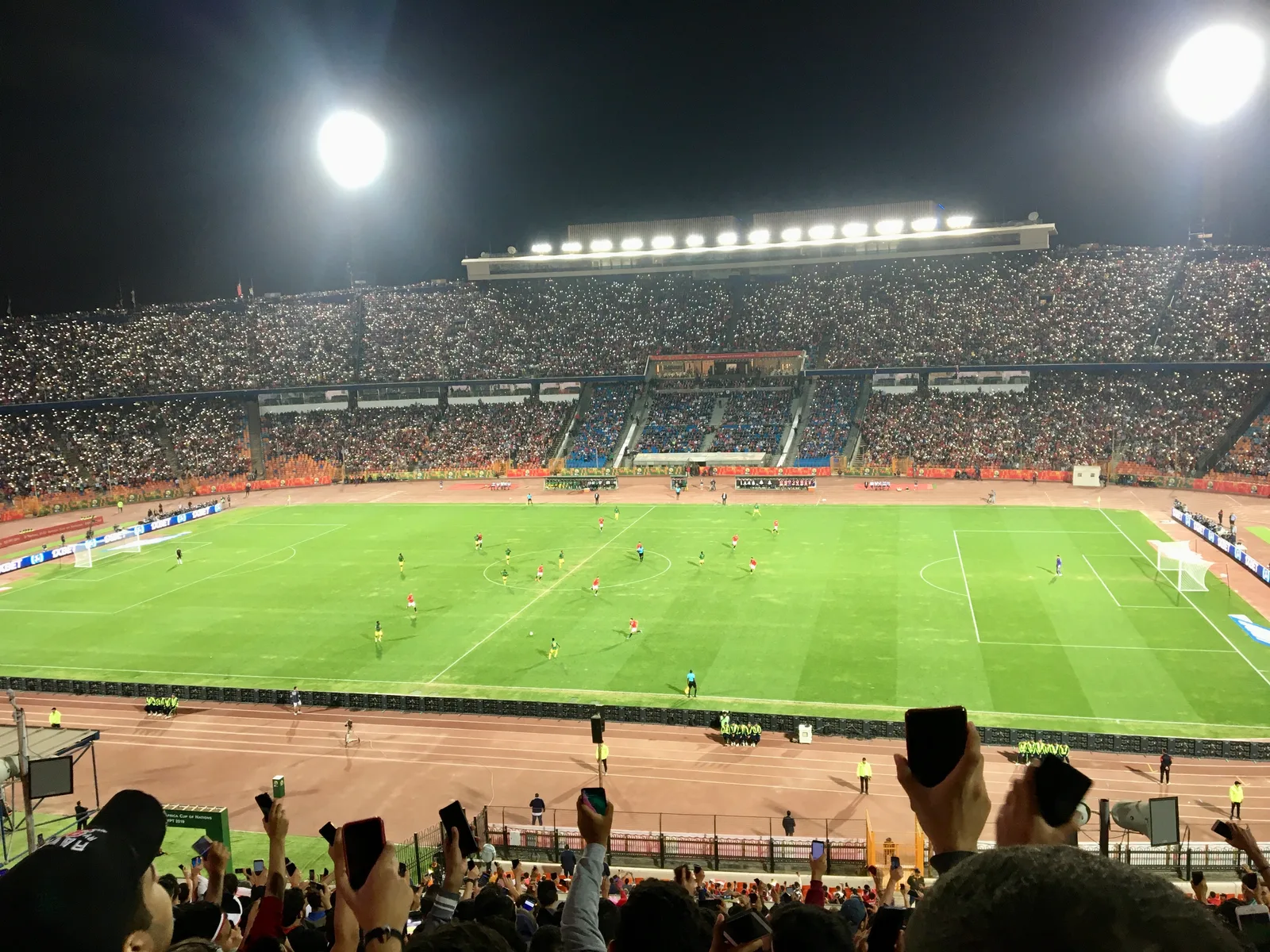
Plus qu'un match : un siècle de « Sommet » entre Al Ahly et Zamalek, vécu dans les foyers égyptiens
Depuis leur première rencontre en 1917 jusqu'à la finale africaine de 2020, Al Ahly face à Zamalek n'a jamais été de simples quatre-vingt-dix minutes. C'est un rendez-vous qui divise un même salon en rouge et blanc avant de le réunir. Un regard apaisé sur la naissance des deux clubs, leurs records, et les rituels du jour de derby dans les foyers égyptiens.
25 septembre 2026 · 6 min de lecture

« Le crocodile du Nil » : Abdel Latif Abou Heif, l'Alexandrin devenu nageur du siècle
À l'été 1963, un colosse originaire d'Alexandrie a nagé soixante milles dans les eaux glacées du lac Michigan pendant près de trente-cinq heures, sous les yeux des Américains qui le suivaient depuis leurs embarcations. Voici l'histoire d'Abdel Latif Abou Heif, trois fois champion du monde et « nageur de marathon du siècle » selon le Temple de la renommée de la natation, un homme dont beaucoup connaissent le nom de rue sans connaître le parcours.
18 septembre 2026 · 8 min de lecture
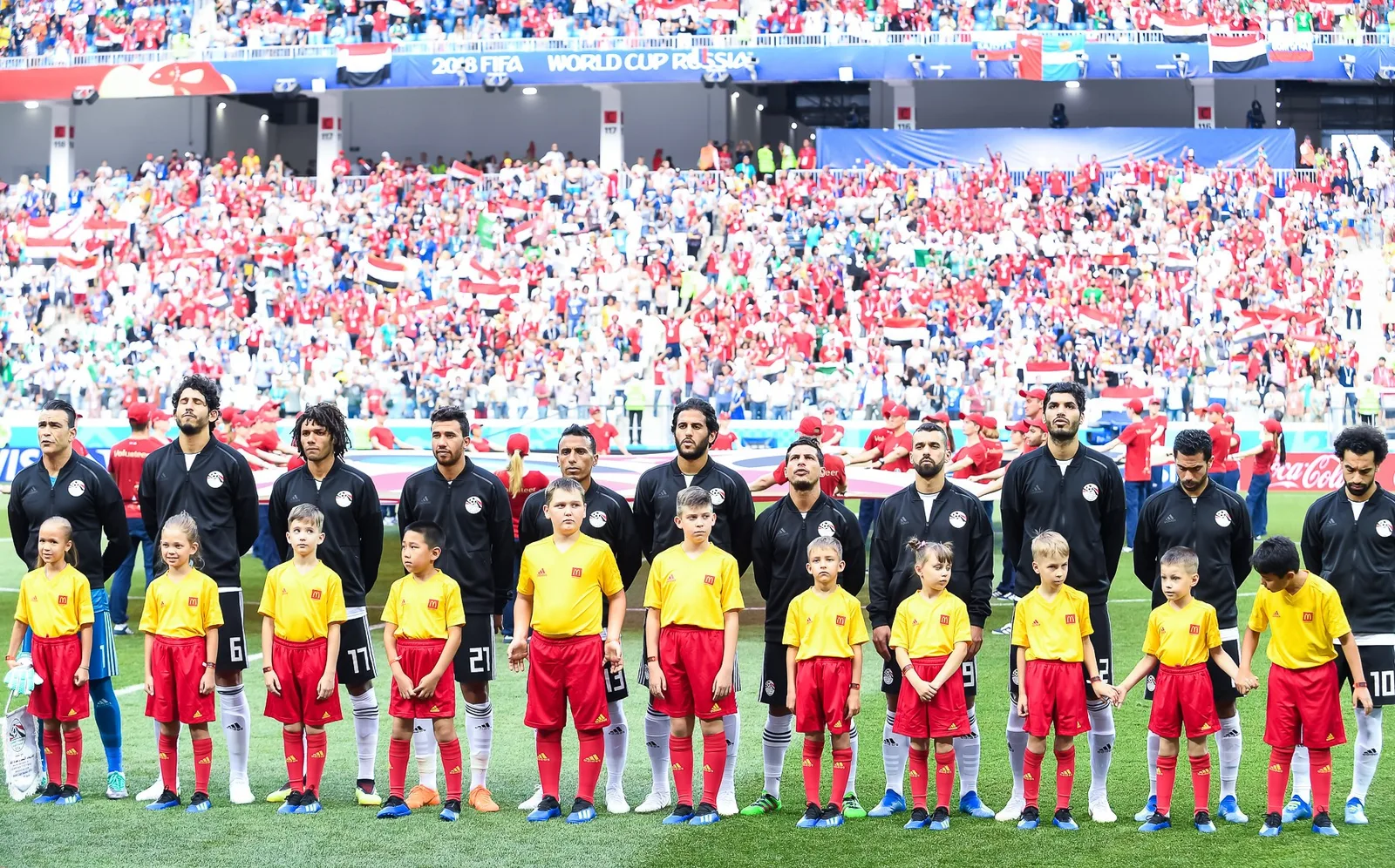
Du paquebot Helwan aux huitièmes de finale : quatre-vingt-dix ans de parcours égyptien en Coupe du monde
Quatre participations seulement en neuf décennies : une traversée en mer jusqu'à Naples en 1934, l'été italien de 1990, la déception de la Russie en 2018, puis l'été 2026, où l'Égypte a franchi la phase de groupes pour la première fois de son histoire. Une lecture posée de ce qui a changé à chaque fois, loin de l'émotion du moment, avec au passage la correction du score de 1934, sur lequel des sources étrangères se trompent encore aujourd'hui.
9 septembre 2026 · 7 min de lecture