Les Égyptiens de l'étranger : une diaspora de plusieurs millions, un flux vital de transferts de fonds et des liens culturels jamais rompus
Des hôpitaux du Golfe aux pharmacies de Toronto, des millions d'Égyptiens vivent et travaillent hors de leur pays. Quelle est l'ampleur de la diaspora ? Pourquoi ses transferts de fonds comptent-ils parmi les premières sources de devises de l'Égypte ? Et comment le football, la cuisine et la foi gardent-ils vivants, de génération en génération, les liens avec le pays ?
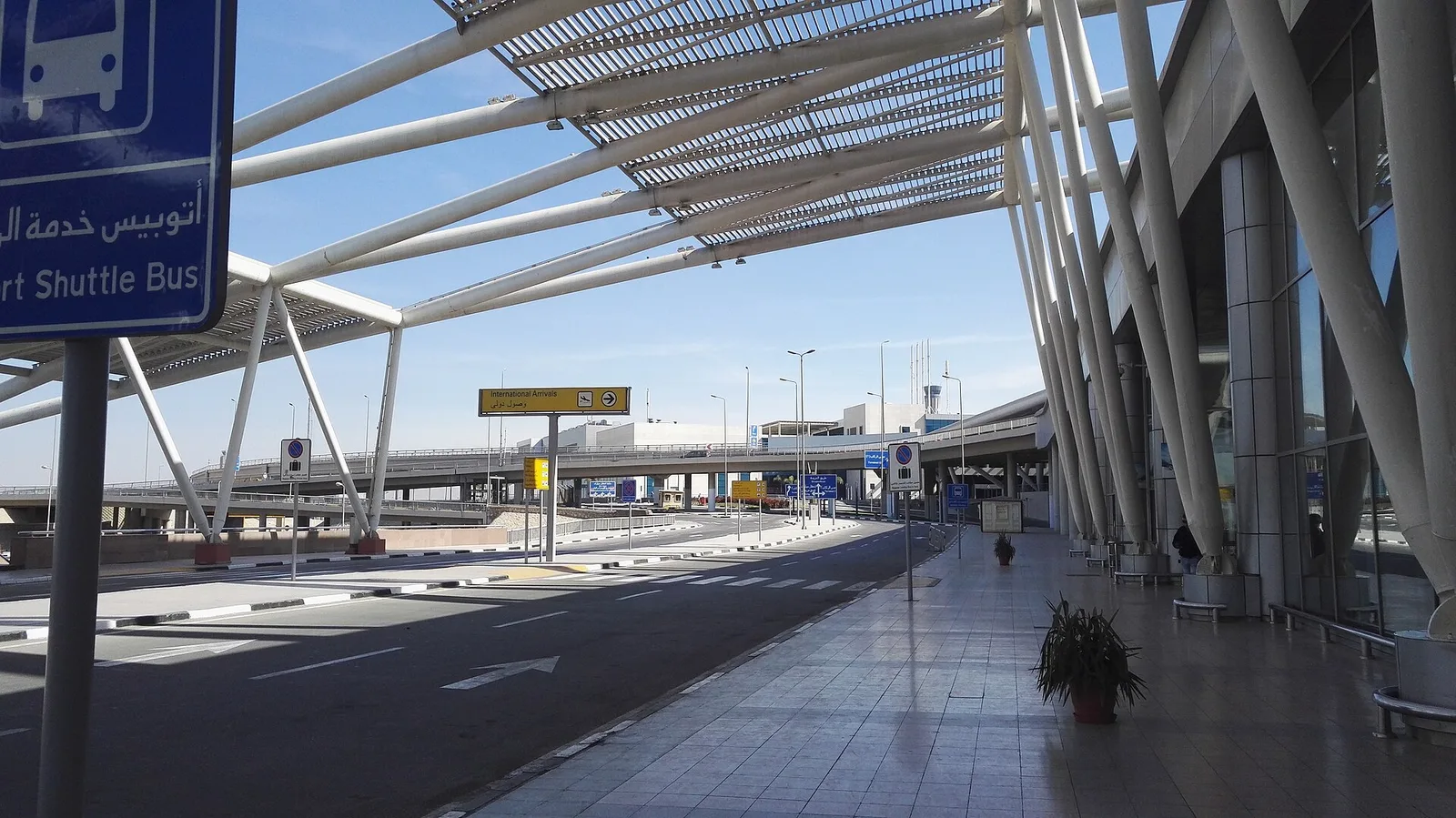
Dans les services hospitaliers de Riyad et du Koweït, les bureaux d'ingénierie de Dubaï, les cuisines des restaurants de Milan, les pharmacies de Toronto et les amphithéâtres des États-Unis, des Égyptiens travaillent loin du Nil. L'Égypte compte l'une des plus vastes diasporas du monde arabe, et ses expatriés façonnent l'économie et la culture du pays d'origine autant que les sociétés d'accueil les façonnent eux-mêmes. Cet article s'intéresse à leur nombre, aux pays où ils vivent, à ce que signifient leurs transferts d'argent et à la manière dont les liens perdurent.
Les dénombrer avec précision est impossible, et un journalisme honnête le dit clairement. Les estimations officielles égyptiennes ont oscillé au fil des ans entre quelques millions et plus de dix millions de personnes, selon les définitions retenues : travailleurs temporaires ou émigrés permanents ? ressortissants inscrits ou toute personne d'origine égyptienne ? première génération seulement ou ses enfants également ? Les statistiques des pays d'accueil recourent, elles aussi, à d'autres catégories. Ce sur quoi tous les chiffres s'accordent, c'est l'ampleur : une diaspora qui se compte en millions et représente une part appréciable de la population égyptienne.
La géographie divise la diaspora en deux grands mondes. La part la plus importante, selon la plupart des estimations, réside dans les pays arabes — l'Arabie saoudite en est historiquement le premier pays d'accueil, aux côtés des Émirats arabes unis, du Koweït, du Qatar et de la Jordanie, la Libye ayant été une destination majeure au cours des décennies précédentes — et cette migration est le plus souvent envisagée comme un travail temporaire. Le second monde est celui de l'installation définitive en Occident : les États-Unis, le Canada, l'Italie, la France, le Royaume-Uni, l'Australie et la Grèce abritent des communautés égyptiennes solidement enracinées, avec des deuxièmes et des troisièmes générations.
Ce grand flux a une histoire. Avant les années 1970, l'émigration restait limitée et souvent encadrée par l'État, avec des enseignants et des experts détachés auprès de pays arabes et africains fraîchement indépendants. Puis le boom pétrolier consécutif à 1973, conjugué à la politique égyptienne d'ouverture économique, a transformé le filet d'eau en vague : médecins, ingénieurs, enseignants, comptables et artisans ont pris la route du Golfe et de la Libye, envoyant des salaires qui ont bâti des maisons et payé les études de frères et sœurs. L'émigration vers l'Occident s'est développée en parallèle, le plus souvent par les voies des études et de l'emploi qualifié.
Les transferts d'argent constituent l'apport le plus mesurable de la diaspora. L'Égypte figure régulièrement parmi les premiers bénéficiaires mondiaux des envois de fonds des migrants, avec des flux atteignant, certaines années, plusieurs dizaines de milliards de dollars. Pour l'économie nationale, ils représentent une source majeure de devises — dépassant, bien des années, les recettes du canal de Suez ou du tourisme — et, contrairement aux prêts, ils ne créent aucune dette. Leur niveau exact varie au gré des économies du Golfe et des cycles pétroliers et, surtout, de la confiance placée dans le régime de change égyptien lui-même.
À l'échelle des familles, ces transferts s'inscrivent dans le quotidien. Ils règlent les frais de scolarité et les factures médicales, élèvent les maisons étage par étage dans les villages du Delta et de Haute-Égypte, financent les mariages et les petites entreprises, et font vivre parents, frères et sœurs. Les économistes relèvent la sensibilité de ce schéma aux politiques publiques : lorsque le taux de change officiel s'écarte du taux parallèle, les envois basculent vers les circuits informels ou prennent la forme de marchandises ; lorsque l'écart se resserre, l'argent revient dans les banques. L'argent circule toujours ; la question est de savoir par quelle route.
La culture voyage dans les deux sens sur les mêmes routes. Les films et les feuilletons égyptiens ainsi que le football — la sélection nationale et ses vedettes au premier chef — rattachent les expatriés au pays, tandis que les veillées du ramadan, les restaurants et les épiceries égyptiens en recomposent les saveurs à l'étranger. Les communautés s'ancrent dans leurs institutions religieuses : les églises coptes orthodoxes s'étendent aujourd'hui sur plusieurs continents, avec de grandes paroisses en Amérique du Nord et en Australie, tandis que les mosquées et les associations culturelles servent les communautés musulmanes. Les écoles communautaires, elles, enseignent l'arabe à des enfants nés à l'étranger.
L'État égyptien s'adresse à sa diaspora par l'intermédiaire d'institutions dédiées. Un portefeuille ministériel est consacré à l'émigration et aux affaires des Égyptiens de l'étranger, aux côtés des ambassades et des consulats qui prennent en charge les documents, les situations de crise et les conférences de rencontre. Depuis les changements constitutionnels du début des années 2010, les Égyptiens de l'étranger votent aux élections présidentielles et aux référendums dans les consulats, et leurs taux de participation sont largement commentés par les médias. L'État cherche par ailleurs à attirer l'épargne des expatriés au moyen de placements spécifiques — des initiatives dont l'accueil a varié parmi les intéressés et qui restent débattues.
Des noms illustrent l'étendue de cette diaspora. Le chirurgien cardiaque Sir Magdi Yacoub a bâti une carrière prestigieuse en Grande-Bretagne avant de fonder en Égypte des centres caritatifs de cardiologie ; le regretté Ahmed Zewail a reçu le prix Nobel de chimie en 1999 alors qu'il était en poste à l'Institut de technologie de Californie, tout en demeurant une grande figure publique égyptienne. Des comédiens, des universitaires, des entrepreneurs et des footballeurs évoluant dans les championnats européens portent l'identité égyptienne sur les scènes mondiales — et leurs succès sont suivis au pays avec une fierté si vive qu'elle paraît personnelle dans chaque foyer.
L'histoire de la diaspora n'est pas exempte d'épreuves : conflits du travail et contraintes des systèmes de parrainage dans certains pays d'accueil, douleur des familles séparées pendant des décennies, et long débat national sur la question de savoir si le départ des médecins et des universitaires constitue une fuite des cerveaux ou un gain différé, par les transferts d'argent, les réseaux et les compétences qui reviennent. Ce qui, en revanche, ne se discute pas, c'est le lien lui-même : par les salaires qu'ils envoient, les causes qu'ils défendent et l'arabe qu'ils enseignent à leurs enfants, les Égyptiens de l'étranger demeurent un prolongement de l'Égypte au-delà de ses frontières.
À lire aussi
Un trou dans le ciel, refermé par un traité : le protocole de Montréal et le rôle de l'Égypte pour l'ozone
Le 16 septembre, le monde célèbre la Journée internationale de la préservation de la couche d'ozone : un traité ratifié par tous les pays du monde qui a réellement fonctionné. D'un article scientifique de 1974 à la signature de Montréal en 1987, la ratification de l'Égypte en 1988 et l'amendement de Kigali en 2023 : l'histoire de la bonbonne de réfrigérant dans la main d'un technicien, et pourquoi le ciel devrait guérir vers 2040.
16 septembre 2026 · 7 min de lecture
La Ligue arabe : la maison des Arabes, dont les fenêtres donnent sur la place Tahrir
À quelques pas de la place Tahrir se dresse « la maison des Arabes » : l'une des plus anciennes organisations régionales du monde, née au Caire avant la Charte des Nations unies elle-même. Comment fonctionnent ses sommets et son secrétariat ? Pourquoi ses résolutions n'engagent-elles que ceux qui les acceptent ? Et que raconte le départ à Tunis, puis le retour ? Visite chez un vieux voisin que nous croisons chaque jour sans presque le connaître.
2 septembre 2026 · 7 min de lecture
Sous le plafond bleu : comment fonctionne l'ONU et qui détient le « veto » au Conseil de sécurité ?
Dès qu'une crise éclate, on apprend que le Conseil de sécurité s'est réuni et qu'un État a brandi son « veto ». Mais que se passe-t-il vraiment sous le plafond bleu ? Voyage de la salle de l'Assemblée générale à la table en fer à cheval : comment naît une résolution onusienne, quand devient-elle contraignante, comment un seul mot la fait tomber, et quelle est la place de l'Égypte dans ce décor ?
26 août 2026 · 8 min de lecture