Hollywood sur le Nil : l'âge d'or du cinéma égyptien
Trois décennies durant, les studios du Caire ont fait de l'Égypte la capitale du cinéma dans le monde arabe. De la fondation des Studios Misr en 1935 à Faten Hamama, Omar Sharif et « Gare centrale », voici comment s'est bâti l'âge d'or — et pourquoi ses classiques en noir et blanc sont encore projetés aujourd'hui.
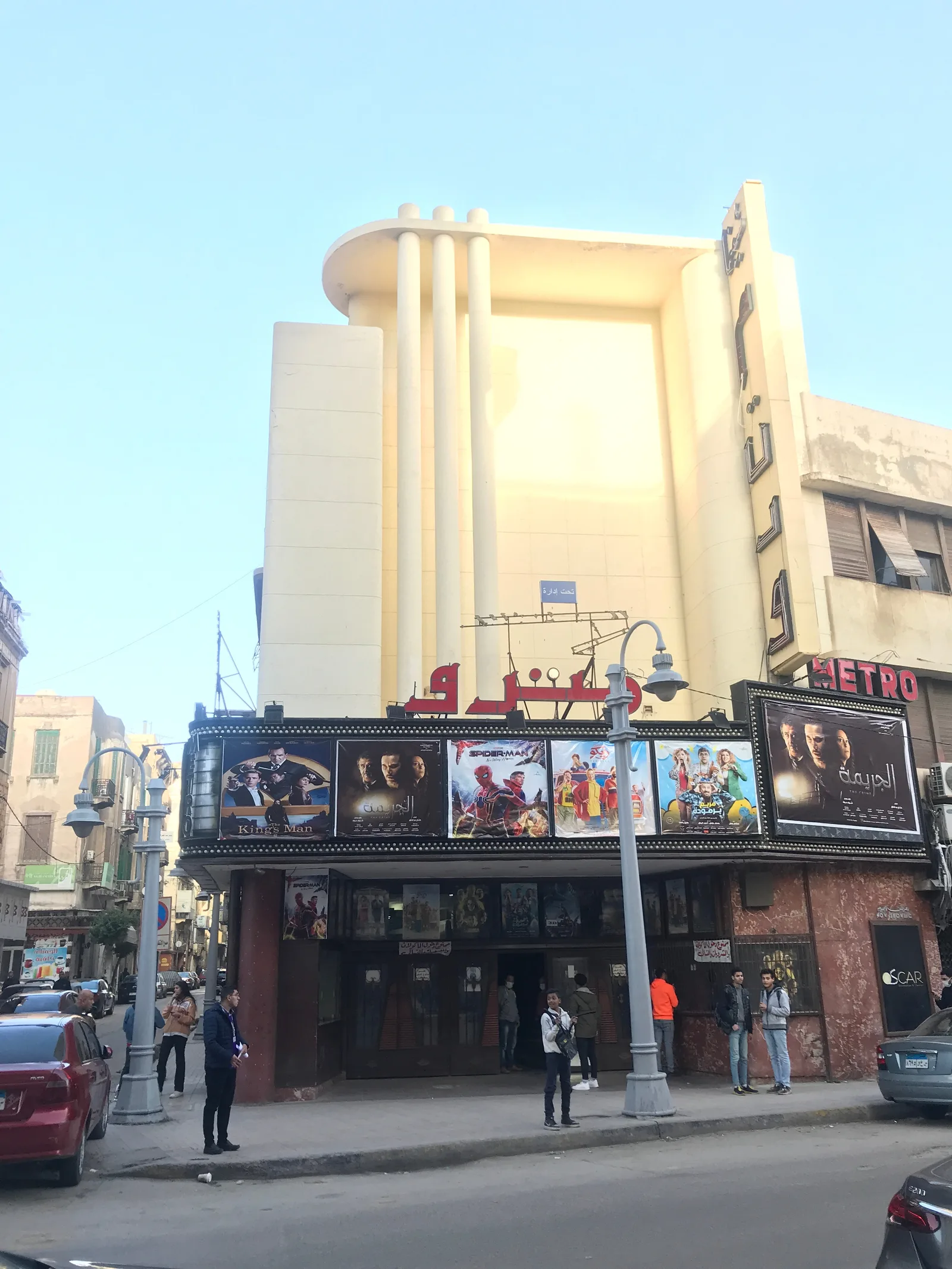
Pendant près de trois décennies, de la fin des années 1930 à la fin des années 1960, Le Caire fut la capitale incontestée du septième art dans le monde arabe. Ses studios produisaient mélodrames, comédies musicales et comédies à une cadence qu’aucun pays voisin n’égalait, et ses vedettes étaient connues de Casablanca à Bagdad. Les critiques et les historiens appellent cette période « l’âge d’or du cinéma égyptien », et la ville elle-même a reçu un surnom qui ne l’a plus quittée : « le Hollywood de l’Orient », ou « Hollywood sur le Nil ». Voici l’histoire de la construction de cette industrie, des visages qui ont fait son éclat et des raisons pour lesquelles ses films tiennent encore l’écran aujourd’hui.
Le cinéma est arrivé en Égypte étonnamment tôt : des images animées furent projetées à Alexandrie dès 1896, quelques mois après les premières séances des frères Lumière à Paris, et des salles permanentes ouvrirent bientôt à Alexandrie et au Caire. Pendant des décennies, les écrans montrèrent surtout des films importés, mais les Égyptiens passèrent peu à peu derrière la caméra. Le film muet « Leïla » (1927), produit et interprété par la pionnière Aziza Amir, est célébré comme le premier long métrage égyptien et comme la preuve — à une époque où bien peu y croyaient — qu’un cinéma national était possible.
Puis le son est arrivé et tout a changé. En 1932, l’Égypte produisit ses premiers films parlants, parmi lesquels « Awlad al-Zawat » (Les Fils de la haute société) et le film chanté « Unshudat al-Fouad » (Le Chant du cœur), et le public découvrit que l’écran pouvait porter des voix égyptiennes et des chansons égyptiennes. Trois ans plus tard vint l’étape décisive : l’ouverture du Studio Misr en 1935, à l’initiative de l’économiste Talaat Harb, au sein du groupe industriel de la Banque Misr. Avec ses plateaux modernes, ses laboratoires et ses techniciens formés en Europe, ce fut le premier studio entièrement équipé de la région, et il donna au cinéma égyptien sa colonne vertébrale industrielle.
La machine des studios tournait à la chanson. Les films musicaux bâtis autour du compositeur et chanteur Mohamed Abdel Wahab et de l’adorée Leïla Mourad remplissaient les salles, et « Wedad » (1936), l’une des premières productions du Studio Misr, porta à l’écran la grande Oum Kalthoum. Farid al-Atrache y ajouta sa série de romances chantées, souvent aux côtés de la danseuse Samia Gamal, tandis que Tahia Carioca faisait de la danse orientale un art cinématographique à part entière. Les films voyageaient avec leurs chansons : un succès né dans une production cairote était fredonné dans tout le monde arabe quelques mois à peine après sa sortie.
La comédie et le mélodrame formaient les deux autres piliers de l’industrie. Naguib al-Rihani, géant de la scène, porta à l’écran son humour humain et mordant dans des films comme « Ghazal al-Banat » (1949) ; plus tard, Ismaïl Yassine devint le visage de la comédie populaire en tenant la vedette de toute une série de films qui portaient son nom. À l’autre bout du registre se tenait Youssef Wahbi, aristocrate du mélodrame théâtral, dont les leçons de morale tonitruantes apprirent à une génération d’acteurs comment habiter le gros plan. Entre le rire et les larmes, les studios apprirent à servir tous les goûts dans un même programme.
À côté de la machine à divertir se forma un cinéma plus grave. « Al-Azima » (La Volonté, 1939), de Kamal Selim, suivait des gens ordinaires dans une ruelle populaire du Caire et passe pour l’œuvre fondatrice du réalisme égyptien. Salah Abou Seif approfondit cette école après la guerre, et Youssef Chahine lui offrit un chef-d’œuvre impérissable avec « Gare centrale » (1958), où il interprétait lui-même un vendeur de journaux boiteux dévoré par l’obsession. L’écran se nourrit aussi du roman : « L’Appel du courlis » (1959), de Henry Barakat, adapté du roman de Taha Hussein, montra qu’une adaptation littéraire pouvait toucher à la fois la critique et le grand public.
L’âge d’or a frappé des vedettes dont les noms ouvrent encore les conversations. Faten Hamama, « la dame de l’écran arabe », alliait la délicatesse et la fermeté au fil de quatre décennies de rôles. Omar Sharif, son partenaire à l’écran et dans la vie, passa du Caire à la célébrité mondiale avec « Lawrence d’Arabie » (1962) et « Docteur Jivago ». Hind Rostom répandait éclat et incandescence, Chadia passait avec légèreté de la chanson au drame, et dans les années 1960 la jeune Souad Hosni — « la Cendrillon de l’écran égyptien » — vint séduire toute la région. Le star-système vendait des billets, mais il posa aussi des exigences de métier qui ont duré.
Les films égyptiens ne restèrent pas confinés au pays : les distributeurs les portèrent dans chaque capitale arabe, où le public retrouvait semaine après semaine les rues, les plaisanteries et les chansons de l’Égypte. Cette exportation continue explique en partie que le dialecte égyptien soit devenu la forme d’arabe parlé la plus largement comprise, des générations entières ayant grandi en l’entendant dans les salles. À l’intérieur du pays, les palais du cinéma du centre du Caire et d’Alexandrie ancrèrent toute une culture urbaine faite d’avant-premières, de magazines de cinéma et de potins de vedettes, et aller au cinéma devint un rituel hebdomadaire pour les familles de toutes les classes.
Les années 1960 marquèrent un tournant : l’État nationalisa une grande partie de l’industrie et intégra studios et salles à un secteur public qui produisit des films ambitieux — dont de grandes adaptations littéraires — mais aussi de la bureaucratie et des dettes. Beaucoup d’historiens datent la fin de l’âge d’or de la fin des années 1960, quand le système des studios s’affaiblit et que vedettes et cinéastes se dispersèrent. La production reprit entre des mains privées dans les années 1970, mais l’ancienne machine intégrée — un studio, une vedette, un compositeur et un réseau de salles agissant comme une seule main — ne revint jamais sous sa forme classique.
Le patrimoine, lui, a été mis à l’abri. Lorsque le cinéma égyptien fêta son centenaire en 1996, les critiques choisirent les cent films égyptiens les plus importants, et « Al-Azima » arriva en tête de la liste — un palmarès qui guide encore les spectateurs aujourd’hui. Le Festival international du film du Caire, fondé en 1976 et l’un des plus anciens de la région, maintient la ville sur la carte du cinéma mondial, et les chantiers de restauration continuent de sauver les copies des classiques pour que de nouvelles générations les découvrent comme les premiers spectateurs les avaient vues.
Si vous demandez pourquoi ces films résistent au temps, la réponse est simple : parce qu’on les regarde toujours. Les chaînes satellitaires et les plateformes de diffusion passent chaque jour les classiques en noir et blanc, leurs chansons vivent à la radio et sur les téléphones, et leurs répliques se citent comme des proverbes. Pour les cinéastes, l’âge d’or reste une leçon supérieure de métier : l’histoire, la vedette et la chanson tenues en équilibre rigoureux. Pour tous les autres, c’est un album de famille : l’image d’un Caire élégant et espiègle dont le monde arabe entier est tombé amoureux, à raison de vingt-quatre images par seconde.
À lire aussi

Journée internationale de la traduction : de l'École des langues (1835) au Centre national
Le 30 septembre, le monde célèbre la traduction. Derrière le livre traduit rapporté de la Foire du livre se cache une histoire égyptienne de deux siècles : un cheikh d'Al-Azhar revenu de Paris fonda en 1835 la première école moderne de traducteurs d'Égypte, puis des comités et projets, tantôt échoués, tantôt aboutis, jusqu'au Centre national de traduction, créé en 2006. Voici l'histoire complète, et ce qu'elle signifie pour vous.
30 septembre 2026 · 7 min de lecture
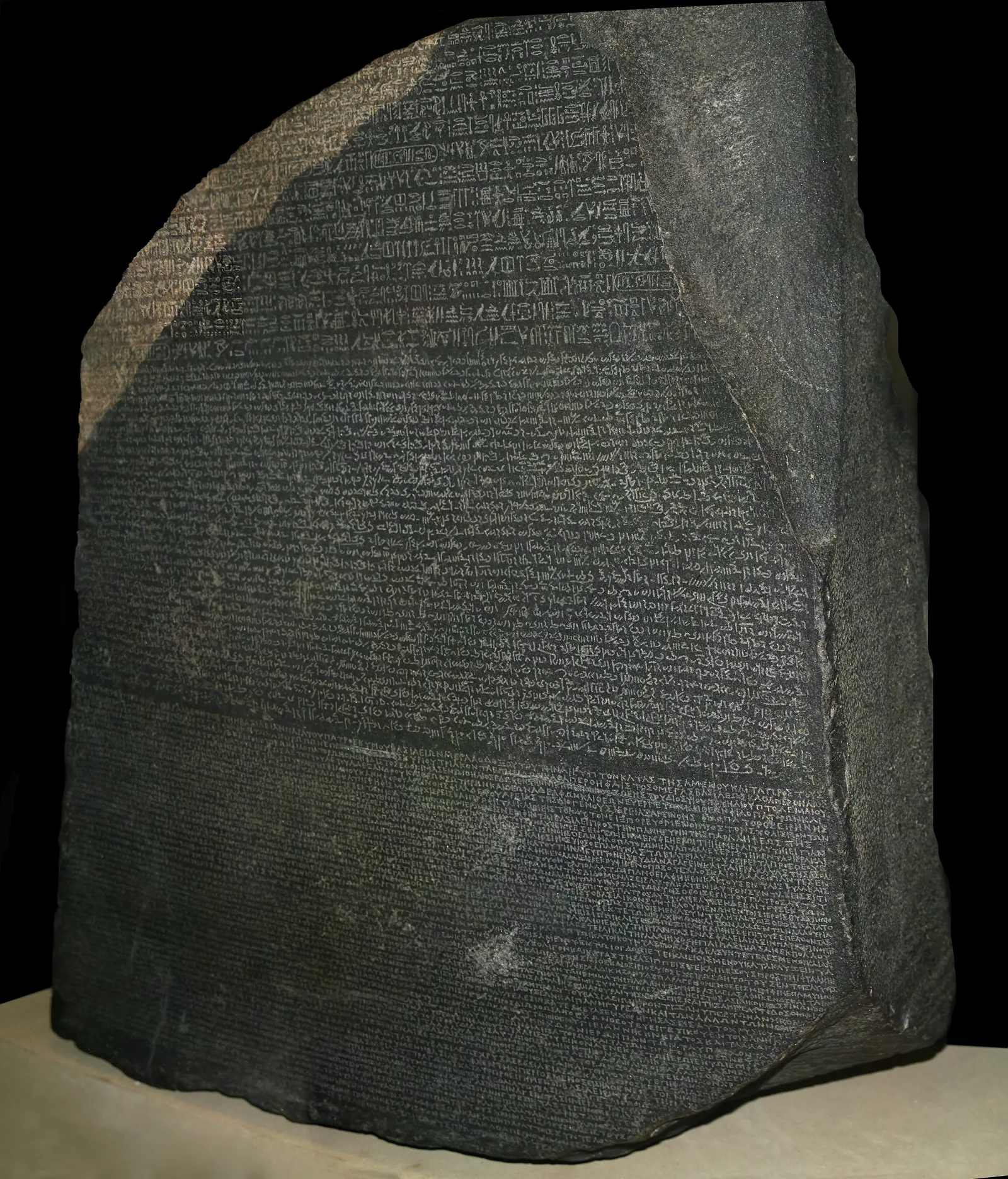
27 septembre 1822 : le jour où les Égyptiens de l'Antiquité ont retrouvé la parole — la pierre de Rosette et sa clé
Dans une salle parisienne, un jeune homme de trente et un ans a lu une lettre qui a rendu aux murs de l'Égypte le pouvoir de la parole après un long silence. De Rachid en 1799 à Londres en 1802, puis à la salle de l'Académie en 1822, jusqu'à Ahmed Kamal Pacha et son dictionnaire jamais imprimé de son vivant, et enfin à la question d'aujourd'hui : la pierre reviendra-t-elle ? L'histoire d'une clé perdue, puis retrouvée.
26 septembre 2026 · 8 min de lecture
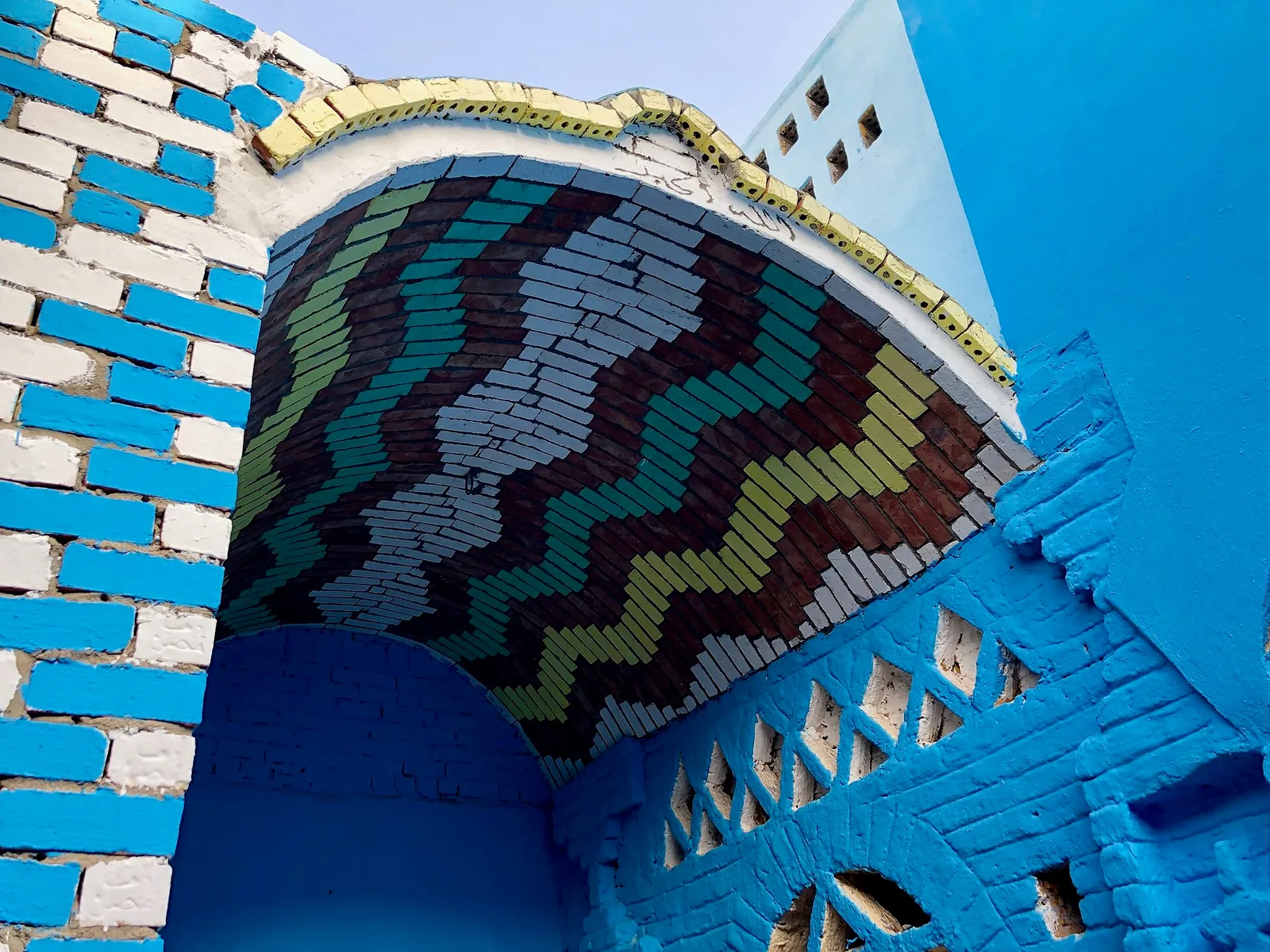
Hassan Fathy : « l'architecte des pauvres » qui a bâti avec la terre d'Égypte une architecture qui a stupéfié le monde
À l'heure où la climatisation dévore le budget des ménages, le parcours de Hassan Fathy remet sur la table une vieille question : pourquoi avons-nous abandonné une architecture qui rafraîchissait nos maisons sans électricité ? Histoire de « l'architecte des pauvres », qui a bâti un village entier avec la terre d'Égypte, signé un livre traduit dans le monde entier et devancé de plusieurs décennies la vague de la construction écologique.
4 septembre 2026 · 8 min de lecture