Le Caire islamique et copte : un musée à ciel ouvert, de Bab al-Foutouh à l'Église suspendue
Peu de villes peuvent faire traverser à leurs visiteurs mille ans d'architecture en une seule promenade. Le Caire historique, inscrit au patrimoine mondial depuis 1979, y parvient : de la rue al-Muizz et de ses mosquées aux églises du Vieux Caire et à la synagogue Ben Ezra — sans oublier l'histoire d'une restauration qui a rendu vie à la pierre.
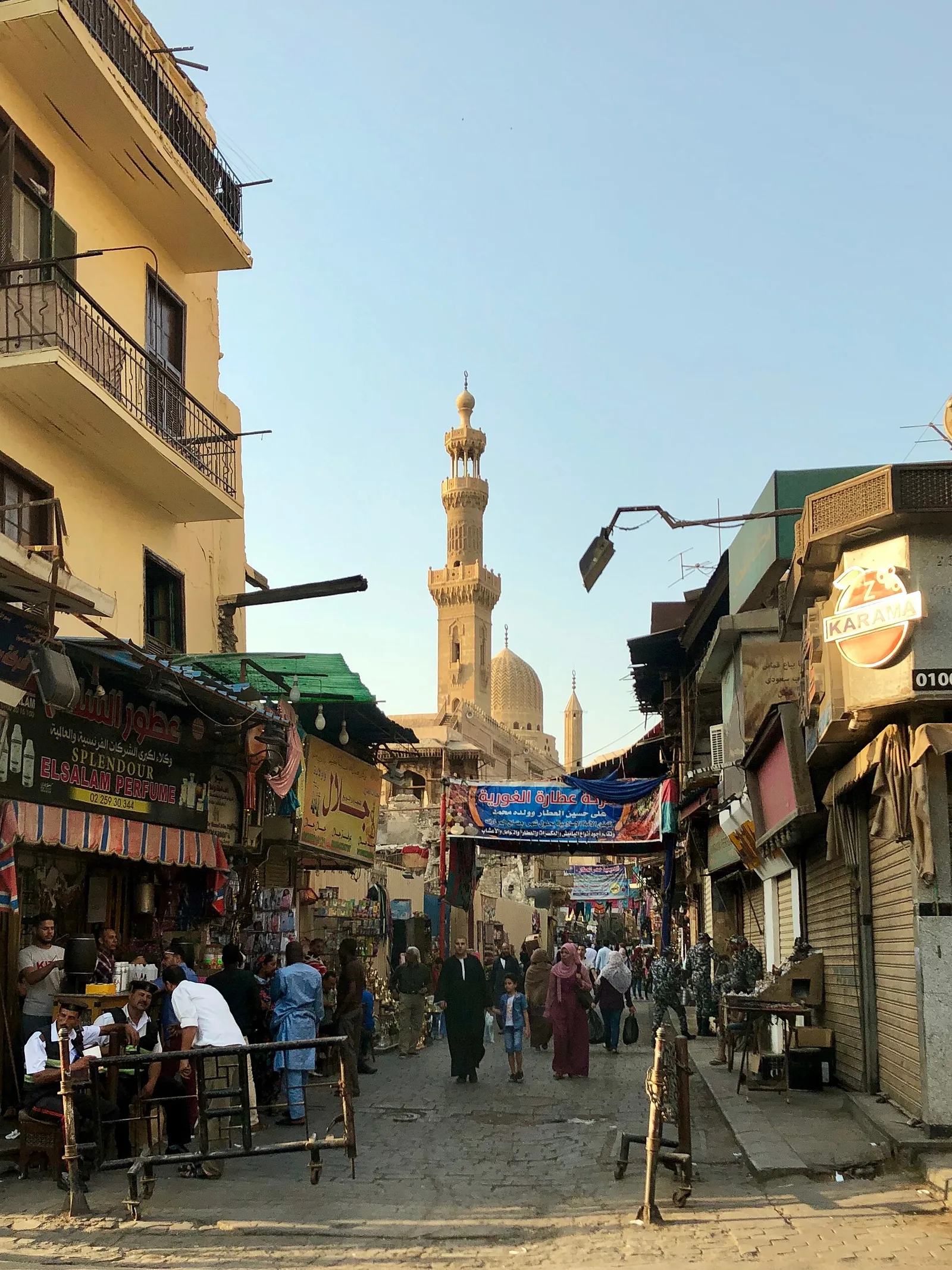
Peu de villes peuvent faire traverser à leur visiteur mille ans d’architecture en une seule après-midi. Le Caire historique, lui, le peut. Inscrit sur la Liste du patrimoine mondial de l’Unesco en 1979, il abrite l’une des concentrations de monuments médiévaux les plus denses au monde : mosquées, madrasas, églises, une synagogue, portes de ville, maisons de marchands et fontaines publiques, toujours debout au cœur de quartiers bien vivants. Les Égyptiens parlent souvent de deux quartiers, Le Caire islamique et Le Caire copte, mais il vaut mieux les comprendre comme un seul musée à ciel ouvert d’un seul tenant, dont les couches sont séparées par les siècles et non par des murailles.
Le moment fondateur de la ville islamique remonte à 969, lorsque le général fatimide Gawhar traça pour le calife al-Muizz li-Din Allah une nouvelle capitale fortifiée qu’il nomma « al-Qahira », le nom que la ville porte encore aujourd’hui. En quelques années, la cité neuve eut sa grande mosquée, al-Azhar, devenue l’un des plus anciens centres d’enseignement au monde à fonctionner sans interruption. Le Caire ne fut pas la première capitale islamique de l’Égypte, mais il devint celle qui absorba toutes les précédentes.
L’épine dorsale de cette cité fatimide subsiste dans la rue al-Muizz, qui court de Bab al-Futuh, au nord, jusqu’à Bab Zuweila, au sud. Sur près d’un kilomètre, la rue longe des édifices des époques fatimide, ayyoubide, mamelouke et ottomane, dressés côte à côte ; c’est pourquoi on la décrit souvent comme l’un des plus grands ensembles à ciel ouvert d’architecture islamique médiévale au monde. La parcourir, c’est feuilleter l’histoire du Caire au niveau de la rue.
Les monuments récompensent l’attention lente. L’ensemble du sultan Qalawun, de la fin du XIIIe siècle, réunissait dans une même façade un mausolée à coupole, une madrasa et un hôpital : l’assistance publique médiévale sculptée dans la pierre. La petite mosquée fatimide d’al-Aqmar présente quelques-unes des plus anciennes façades de pierre ornées donnant sur la rue dans toute la ville. Quant au sabil-kuttab d’Abd al-Rahman Katkhuda, c’est une invention purement cairote : en bas, une fontaine qui distribue l’eau gratuitement ; en haut, une école coranique qui distribue gratuitement l’instruction. Tout près, la demeure de Bayt al-Suhaymi conserve l’image vivante de la manière dont vivaient réellement les familles aisées.
Au sud de tout cela, et plus ancien que la ville fatimide elle-même, se trouve le Vieux Caire. Son noyau est la forteresse de Babylone, bâtie par les Romains en un point stratégique du Nil, des siècles avant la conquête arabe. À l’intérieur de ses tours encore debout et tout autour a grandi le quartier que les Égyptiens appellent Le Caire copte : des églises, un monastère, une synagogue et, aujourd’hui, le Musée copte. Se tenir sur des pierres romaines sous des églises médiévales, c’est éprouver la véritable stratigraphie de la ville : Le Caire n’a pas effacé ce qui l’a précédé, il s’y est posé.
Les églises portent la mémoire du quartier. L’église suspendue, al-Muallaqa, doit son nom au fait d’avoir été bâtie en surplomb d’une porte de la forteresse romaine. L’église des saints Serge et Bacchus, connue sous le nom d’Abou Serga, abrite une crypte que la tradition copte relie au séjour de la Sainte Famille en Égypte. L’église Sainte-Barbe conserve de fines boiseries médiévales. Quant à la synagogue Ben Ezra, elle doit sa renommée mondiale à la « Geniza », cette chambre de documents mis au rebut dont l’étude a ouvert une fenêtre sans équivalent sur la vie méditerranéenne du Moyen Âge.
À quelques minutes de marche s’élève la mosquée d’Amr ibn al-As, fondée au VIIe siècle à Fostat et retenue comme la première mosquée d’Égypte et d’Afrique ; reconstruite bien des fois, son emplacement n’a jamais cessé d’être un lieu de prière. La proximité est ici l’essentiel : en quelques centaines de mètres, le visiteur peut se tenir dans une mosquée des premiers temps de l’islam, dans des églises des siècles chrétiens de l’Égypte et dans une synagogue de sa communauté juive. Les Cairotes appellent cet endroit « le complexe des religions » ; c’est l’identité de la ville en miniature.
Le musée à ciel ouvert déborde les deux quartiers. La mosquée d’Ibn Touloun, du IXe siècle, avec son minaret hélicoïdal et sa cour immense, compte parmi les plus anciennes mosquées de la ville restées proches de leur forme d’origine. La madrasa du sultan Hassan, du XIVe siècle, est l’architecture mamelouke monumentale dans ce qu’elle a de plus audacieux. Au-dessus d’elles se dresse la citadelle de Saladin, que couronna bien plus tard la mosquée de Mohamed Ali, de style ottoman, dont les coupoles et les minarets élancés dessinent l’horizon du Caire. Chaque époque a ajouté une couche, aucune n’a effacé la précédente.
Cette survie n’allait pas de soi : elle est le fruit d’une longue histoire de restauration. Dans la première décennie des années 2000, un vaste projet public a réhabilité la rue al-Muizz : les réseaux enfouis sous la chaussée ont été renouvelés, les façades et les monuments nettoyés et restaurés, la circulation automobile limitée au profit des piétons, et un éclairage nocturne conçu pour révéler les monuments après le coucher du soleil. La rue a rouvert en musée à ciel ouvert géré comme tel, et le projet est devenu un modèle : préserver le patrimoine au Caire, c’est réparer les égouts et les câbles autant que restaurer la pierre.
Un autre chapitre est venu du Trust Aga Khan pour la culture, qui a transformé une colline de gravats accumulés pendant des siècles à la lisière de la ville en parc al-Azhar, ouvert en 2005. Les travaux ont mis au jour un long tronçon enfoui de la muraille ayyoubide du Caire, dégagé puis restauré, et le projet s’est étendu au quartier voisin de Darb al-Ahmar, associant la conservation des monuments à la remise en état des logements et à la formation artisanale. Au Vieux Caire, dans le même temps, le Musée copte, fondé en 1908 pour préserver l’héritage de l’Égypte chrétienne, a fait l’objet d’une rénovation complète et a rouvert en 2006.
Ce qui rend Le Caire historique unique, c’est qu’il n’est jamais devenu un musée au sens figé du terme. Les gens y vivent, y commercent, y prient et y boivent le thé au milieu des monuments, et les artisans martèlent encore le cuivre dans des ruelles que leurs métiers occupent depuis des générations. C’est sa grandeur et c’est son dilemme, car dans une ville habitée la conservation doit servir les habitants et non les chasser. Pour le visiteur, les règles sont simples : habillez-vous avec pudeur, demandez la permission avant de photographier les gens et souvenez-vous que ce quartier est le foyer de ceux qui y vivent. La récompense, c’est une ville où vous pouvez toucher mille ans de la main.
À lire aussi
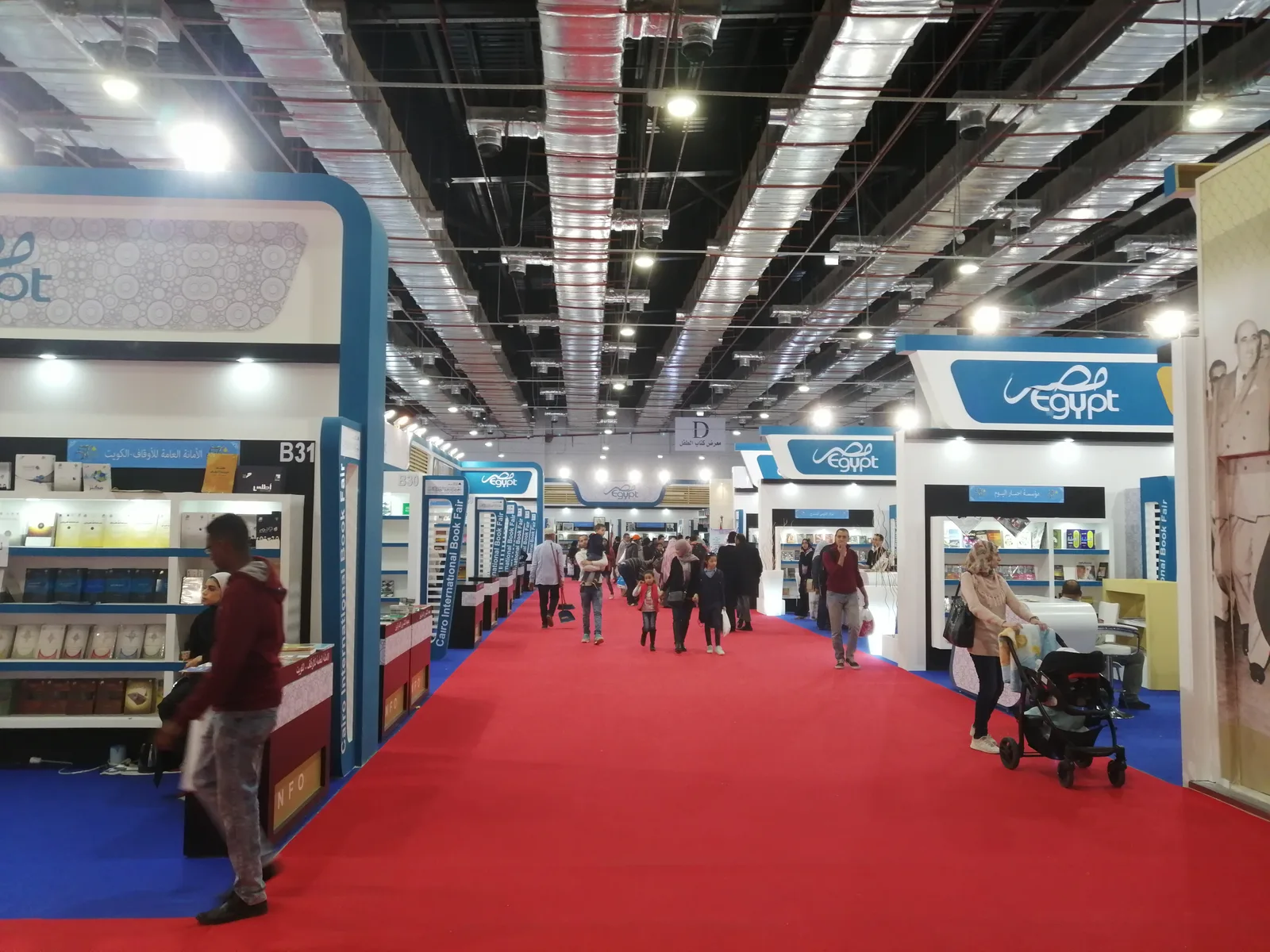
Journée internationale de la traduction : de l'École des langues (1835) au Centre national
Le 30 septembre, le monde célèbre la traduction. Derrière le livre traduit rapporté de la Foire du livre se cache une histoire égyptienne de deux siècles : un cheikh d'Al-Azhar revenu de Paris fonda en 1835 la première école moderne de traducteurs d'Égypte, puis des comités et projets, tantôt échoués, tantôt aboutis, jusqu'au Centre national de traduction, créé en 2006. Voici l'histoire complète, et ce qu'elle signifie pour vous.
30 septembre 2026 · 7 min de lecture
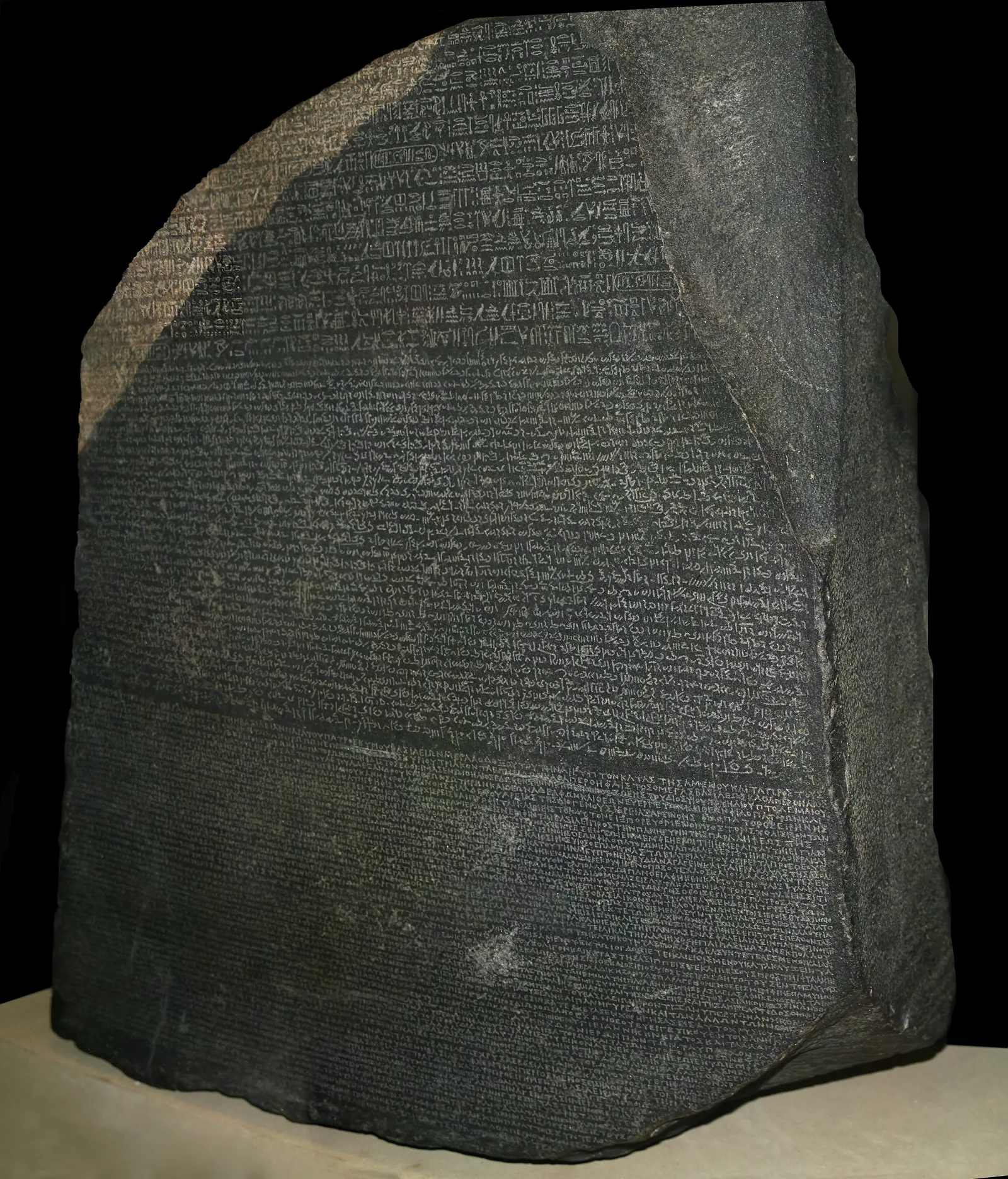
27 septembre 1822 : le jour où les Égyptiens de l'Antiquité ont retrouvé la parole — la pierre de Rosette et sa clé
Dans une salle parisienne, un jeune homme de trente et un ans a lu une lettre qui a rendu aux murs de l'Égypte le pouvoir de la parole après un long silence. De Rachid en 1799 à Londres en 1802, puis à la salle de l'Académie en 1822, jusqu'à Ahmed Kamal Pacha et son dictionnaire jamais imprimé de son vivant, et enfin à la question d'aujourd'hui : la pierre reviendra-t-elle ? L'histoire d'une clé perdue, puis retrouvée.
26 septembre 2026 · 8 min de lecture
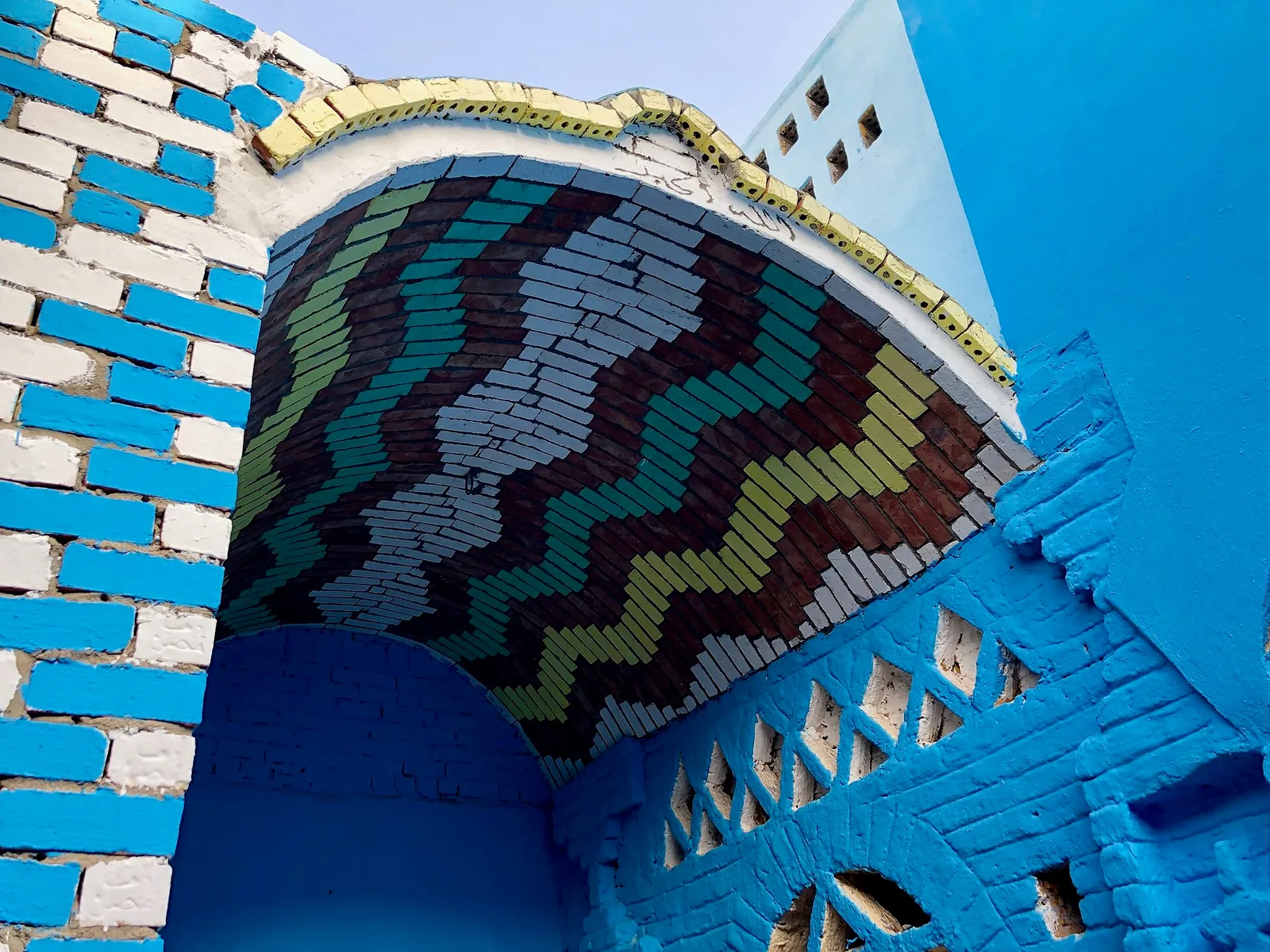
Hassan Fathy : « l'architecte des pauvres » qui a bâti avec la terre d'Égypte une architecture qui a stupéfié le monde
À l'heure où la climatisation dévore le budget des ménages, le parcours de Hassan Fathy remet sur la table une vieille question : pourquoi avons-nous abandonné une architecture qui rafraîchissait nos maisons sans électricité ? Histoire de « l'architecte des pauvres », qui a bâti un village entier avec la terre d'Égypte, signé un livre traduit dans le monde entier et devancé de plusieurs décennies la vague de la construction écologique.
4 septembre 2026 · 8 min de lecture