Naguib Mahfouz : le conteur qui a inscrit les ruelles du Caire sur la carte de la littérature mondiale
Des venelles de Gamaliya au podium du Nobel, Naguib Mahfouz a fait du Caire un univers romanesque à part entière. Voici l'histoire d'un discret fonctionnaire qui écrivit en silence pendant des décennies, avant de devenir le premier écrivain arabe à recevoir la plus haute distinction littéraire du monde — laissant un héritage qui ne cesse de se renouveler.
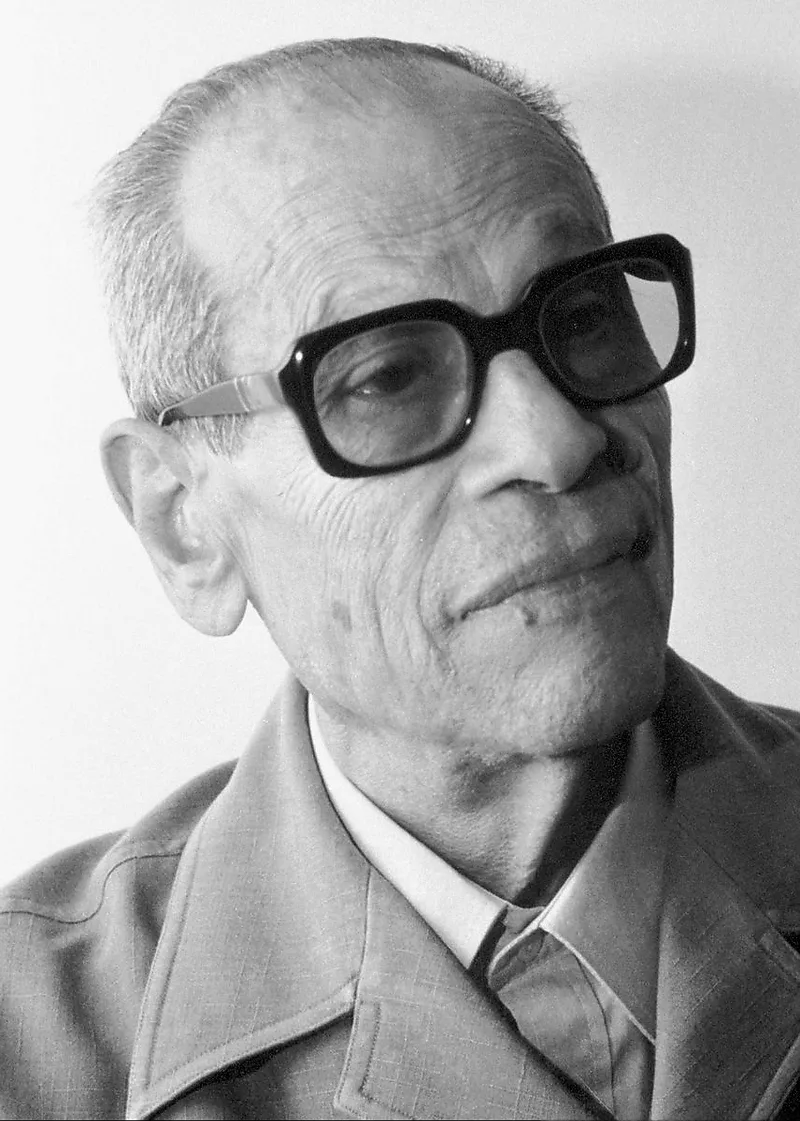
À l’automne 1988, l’Académie suédoise annonça que le prix Nobel de littérature était décerné à un romancier égyptien de soixante-seize ans nommé Naguib Mahfouz. Il était le premier écrivain de langue arabe à recevoir cette distinction depuis sa création. Il ne se rendit pas à Stockholm pour la recevoir : c’était un homme profondément attaché à ses habitudes quotidiennes du Caire. Ses deux filles le représentèrent tandis qu’on lisait son discours, où il saluait les deux civilisations, pharaonique et islamique, dont il se déclarait le fils.
Mahfouz naquit en décembre 1911 dans le quartier de Gamaliya, au cœur du Caire fatimide, parmi les ruelles, les fontaines publiques et les minarets qui allaient devenir le théâtre de ses plus grandes œuvres. Sa famille s’installa à Abbassiya alors qu’il était enfant, mais son cœur resta accroché à la vieille ruelle, jusqu’à ce que celle-ci devienne pour lui un univers entier, où s’éprouvent les questions de la justice, du pouvoir et de la foi.
Il étudia la philosophie à l’Université égyptienne et hésita, dans sa jeunesse, entre la pensée et la littérature avant de trancher en faveur du roman. Pendant des décennies, il fut fonctionnaire dans les administrations de la culture, des biens religieux et du cinéma, écrivant à des heures rigoureusement fixées : il tenait l’inspiration pour incapable de remplacer la discipline, et jusqu’à un âge avancé il resta fidèle à ses rendez-vous d’écriture, de marche et de café.
Il commença par des romans historiques situés dans l’Égypte pharaonique — « La Malédiction de Râ », « Rhadopis » et « Le Combat de Thèbes » —, porté par un rêve national qui voyait dans le passé lointain un miroir du présent. Mais il découvrit vite que sa véritable matière habitait le présent et bifurqua vers le réalisme avec des livres comme « La Belle du Caire », « Khan al-Khalili » et « Passage des Miracles », qui dressèrent la carte sociale, vibrante, du Caire des années 1940.
Vint ensuite le sommet où s’est fixé le jugement de la critique : la Trilogie. Dans « Impasse des deux palais », « Le Palais du désir » et « Le Jardin du passé », parus dans les années 1950, Mahfouz suivit trois générations de la famille de Sayyid Ahmad Abd al-Gawad, de la révolution de 1919 à la Seconde Guerre mondiale. À travers une seule maison, il écrivit l’histoire de toute une nation en pleine mutation et donna des personnages — du père imposant à la patiente Amina — qui entrèrent dans la conscience égyptienne comme s’ils étaient de chair et de sang.
Sa route ne fut pas sans tempêtes. « Les Fils de la médina », publié en feuilleton dans Al-Ahram en 1959, souleva une vaste polémique religieuse en raison de sa construction allégorique : le roman ne parut pas en volume en Égypte pendant des décennies et fut imprimé à Beyrouth. La controverse le poursuivit jusqu’à son point culminant tragique, en 1994, lorsqu’un jeune extrémiste poignarda Mahfouz au cou devant son domicile. L’écrivain octogénaire survécut par miracle, mais la blessure affaiblit la main dont il écrivait, et il dicta désormais ses derniers textes brefs.
Entre ces étapes, Mahfouz renouvela ses outils encore et encore. Dans les années 1960, il écrivit des romans d’angoisse existentielle et de critique voilée, comme « Le Voleur et les Chiens », « Dérives sur le Nil » et « Miramar ». Dans ses œuvres tardives, telles que « Récits de notre quartier » et « Échos d’une autobiographie », sa prose atteignit la limpidité de la sagesse soufie, preuve qu’un grand conteur ne vieillit pas : il se distille.
Son nom fut étroitement lié au cinéma égyptien de son âge d’or : il travailla comme scénariste et comme responsable au sein des organismes publics du cinéma, et des dizaines de ses romans et nouvelles furent portés à l’écran, devenant des classiques, de « Passage des Miracles » à « Début et fin » et « Le Caire 30 ». Grâce à l’écran, ses personnages atteignirent des millions de gens qui n’avaient jamais lu ses livres.
Ses rituels quotidiens finirent par appartenir à sa légende : la longue marche du matin, les stations de café, du Fishawi à Khan al-Khalili aux terrasses du centre-ville, et la réunion hebdomadaire d’amis connue sous le nom de cercle des Harafish. Lors de ces séances, il écoutait plus qu’il ne parlait, recueillant de la bouche des gens ce qu’il transformerait plus tard en littérature.
Naguib Mahfouz mourut en août 2006, à quatre-vingt-quatorze ans, et fut accompagné par des funérailles à la fois militaires et populaires. Aujourd’hui, son œuvre est traduite en des dizaines de langues, les visiteurs se pressent à son musée installé dans la tekkia d’Abou al-Dahab, près d’al-Azhar, et sa grande question reste suspendue dans chacune des ruelles qu’il a écrites : comment un être humain peut-il vivre juste et libre dans un monde qui ne cesse de changer ? Parce que la réponse n’est pas achevée, on continuera de lire Mahfouz.
À lire aussi

Journée internationale de la traduction : de l'École des langues (1835) au Centre national
Le 30 septembre, le monde célèbre la traduction. Derrière le livre traduit rapporté de la Foire du livre se cache une histoire égyptienne de deux siècles : un cheikh d'Al-Azhar revenu de Paris fonda en 1835 la première école moderne de traducteurs d'Égypte, puis des comités et projets, tantôt échoués, tantôt aboutis, jusqu'au Centre national de traduction, créé en 2006. Voici l'histoire complète, et ce qu'elle signifie pour vous.
30 septembre 2026 · 7 min de lecture
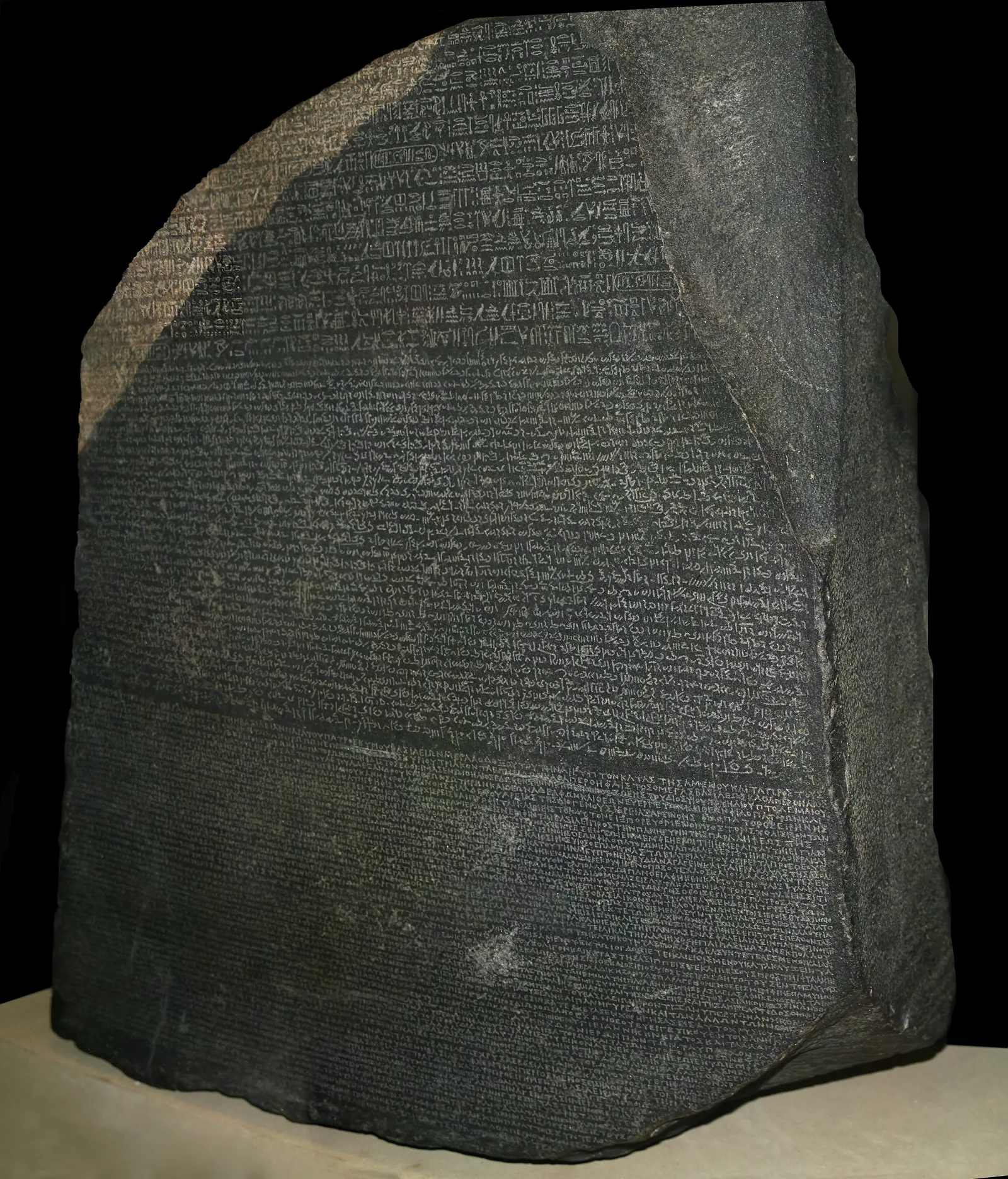
27 septembre 1822 : le jour où les Égyptiens de l'Antiquité ont retrouvé la parole — la pierre de Rosette et sa clé
Dans une salle parisienne, un jeune homme de trente et un ans a lu une lettre qui a rendu aux murs de l'Égypte le pouvoir de la parole après un long silence. De Rachid en 1799 à Londres en 1802, puis à la salle de l'Académie en 1822, jusqu'à Ahmed Kamal Pacha et son dictionnaire jamais imprimé de son vivant, et enfin à la question d'aujourd'hui : la pierre reviendra-t-elle ? L'histoire d'une clé perdue, puis retrouvée.
26 septembre 2026 · 8 min de lecture
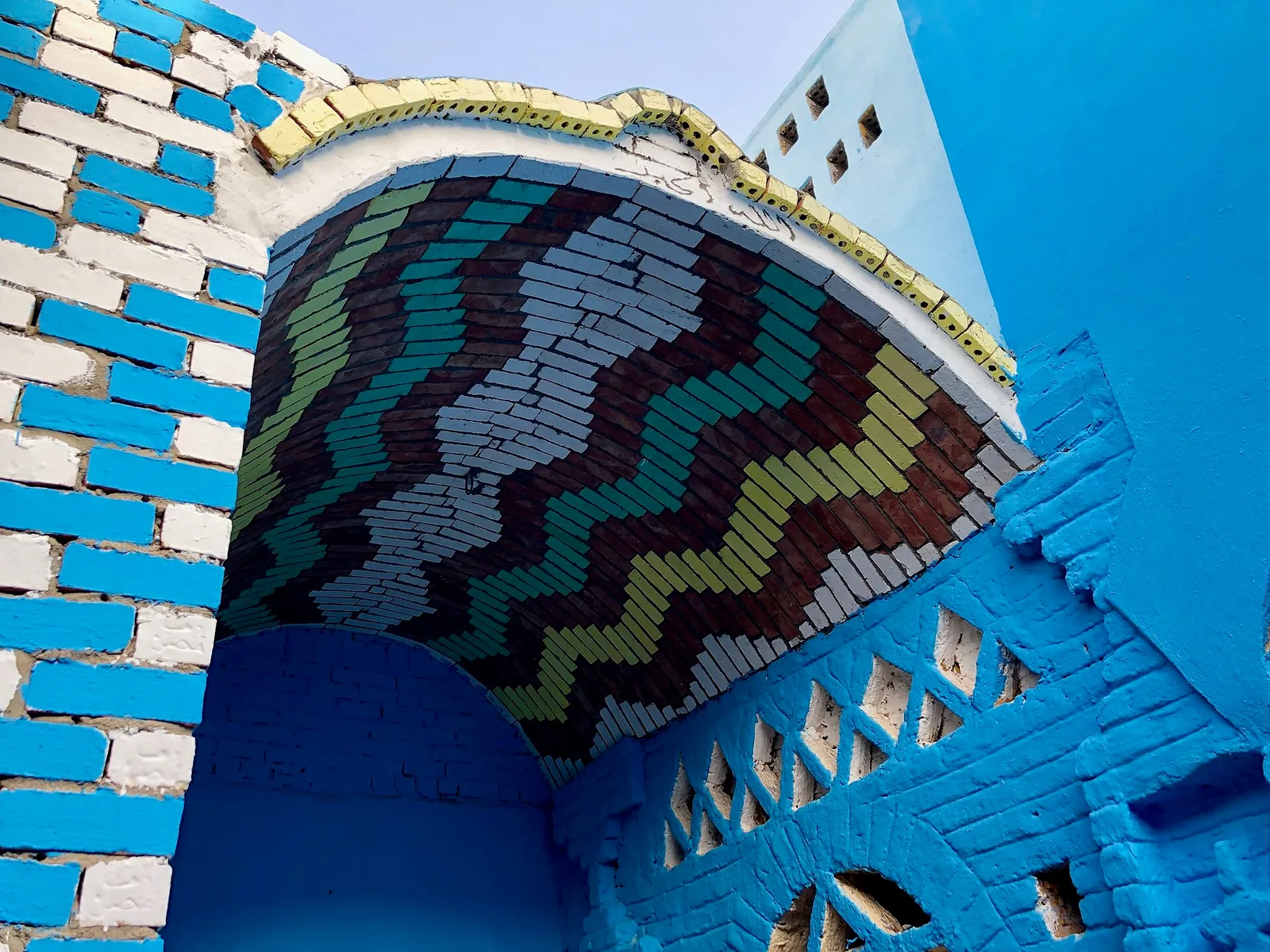
Hassan Fathy : « l'architecte des pauvres » qui a bâti avec la terre d'Égypte une architecture qui a stupéfié le monde
À l'heure où la climatisation dévore le budget des ménages, le parcours de Hassan Fathy remet sur la table une vieille question : pourquoi avons-nous abandonné une architecture qui rafraîchissait nos maisons sans électricité ? Histoire de « l'architecte des pauvres », qui a bâti un village entier avec la terre d'Égypte, signé un livre traduit dans le monde entier et devancé de plusieurs décennies la vague de la construction écologique.
4 septembre 2026 · 8 min de lecture