Un fleuve, onze États : la diplomatie du bassin du Nil expliquée simplement
L'Égypte tire plus des neuf dixièmes de son eau douce d'un fleuve partagé par onze pays — et se trouve tout en aval. Des accords de 1929 et 1959 à l'Initiative du bassin du Nil et au barrage de la Renaissance, voici la carte des intérêts, du droit et des négociations derrière l'un des dossiers majeurs de la sécurité nationale égyptienne et arabe.
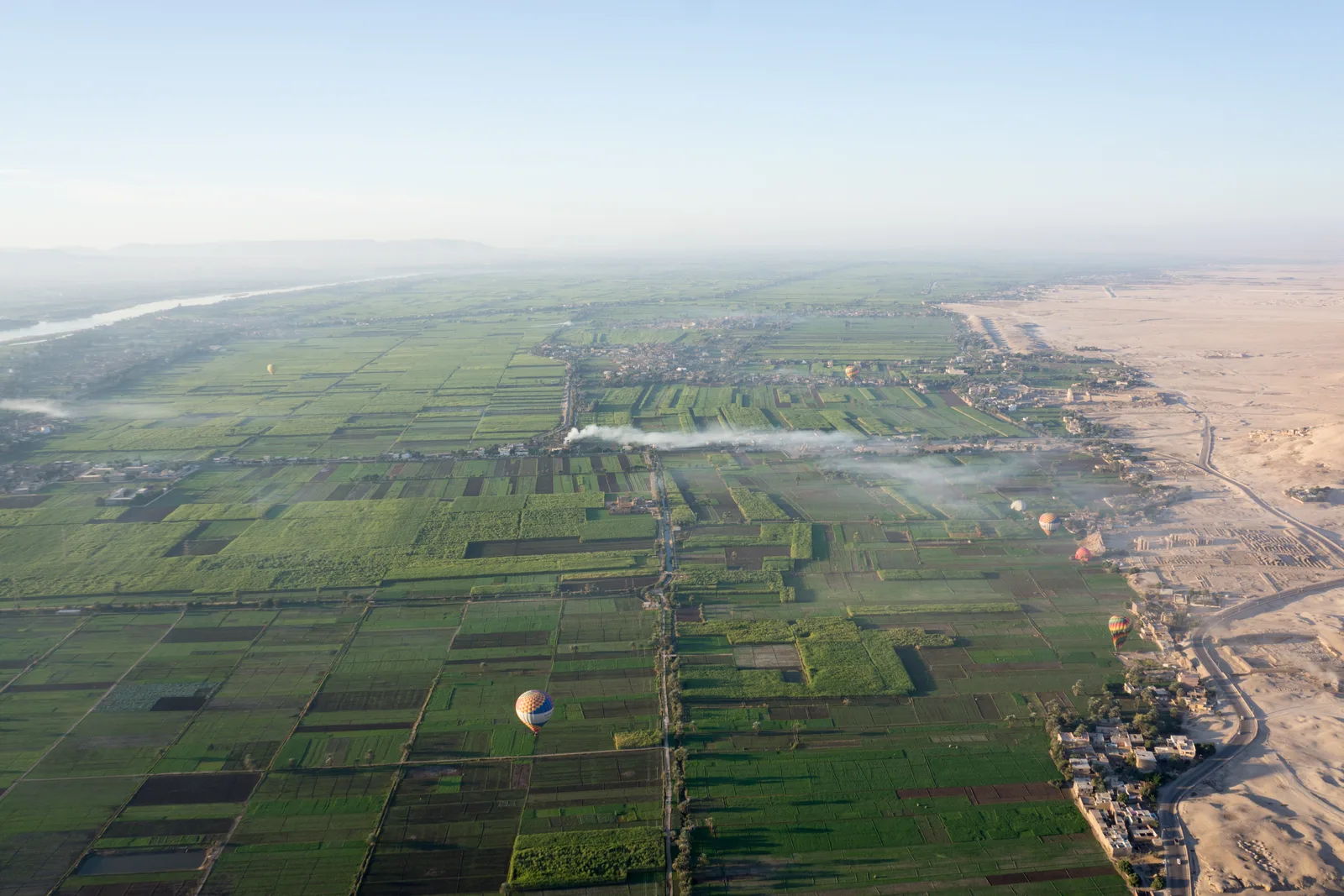
Le Nil n’est pas un simple fleuve qui traverse l’Égypte : il est la raison même de son existence, comme l’observait l’historien grec Hérodote lorsqu’il décrivait le pays comme « un don du Nil ». Aujourd’hui, onze pays se partagent le bassin du fleuve, des lacs équatoriaux d’Afrique jusqu’à la Méditerranée, et l’Égypte se tient tout au bout du cours d’eau, tributaire du fleuve pour plus de neuf dixièmes de ses ressources en eau douce renouvelable : c’est ce qui fait de la diplomatie du bassin un dossier existentiel au sens plein du terme.
Le fleuve s’étire sur quelque 6 650 kilomètres, ce qui en fait le plus long du monde ou l’un des plus longs, et il est alimenté par deux branches principales : le Nil Blanc, qui descend des lacs du plateau équatorial, et le Nil Bleu, qui dévale des hauts plateaux éthiopiens et qui, avec l’Atbara, fournit la part du lion — environ 85 % — des eaux parvenant en Égypte, surtout à la saison de la crue.
La dépendance de l’Égypte à l’égard du fleuve est quasi absolue : les pluies y sont rares, le désert couvre la majeure partie du territoire et, la population ayant dépassé les cent millions d’habitants, la part d’eau renouvelable par habitant est tombée bien au-dessous du seuil de pauvreté hydrique reconnu au niveau international, fixé à mille mètres cubes par an ; ces dernières années, elle a même approché la moitié de ce seuil.
La position juridique égyptienne s’appuie sur des accords historiques, au premier rang desquels la convention de 1929 conclue avec la Grande-Bretagne au nom de ses colonies d’Afrique de l’Est, et l’accord de 1959 avec le Soudan, qui a réparti le débit du fleuve mesuré à Assouan : environ 55,5 milliards de mètres cubes pour l’Égypte et 18,5 milliards pour le Soudan. Les pays d’amont, cependant, n’ont jamais été parties à ces textes et affichent leur refus, y voyant un héritage colonial qui ne les engage pas.
Les pays du bassin ont tenté de bâtir un cadre commun, d’abord avec l’« Initiative du bassin du Nil », lancée en 1999 comme une enceinte de coopération technique et de renforcement de la confiance, puis avec l’accord-cadre de coopération signé à Entebbe en 2010, auquel plusieurs États d’amont ont adhéré tandis que l’Égypte et le Soudan émettaient des réserves sur les dispositions relatives à la sécurité hydrique et aux droits historiques. À ce jour, le bassin demeure sans cadre juridique réunissant l’ensemble de ses États.
Le Grand Barrage de la Renaissance éthiopienne a placé le différend au cœur de la politique internationale. Depuis le lancement de sa construction en 2011 sur le Nil Bleu, près de la frontière soudanaise, il est devenu l’un des plus grands ouvrages hydroélectriques d’Afrique, doté d’une retenue dont la capacité approche 74 milliards de mètres cubes. L’Éthiopie y voit une locomotive du développement, capable d’électrifier des dizaines de millions de foyers ; Le Caire et Khartoum y voient un projet qui touche à leur artère vitale tant que des règles contraignantes ne l’encadrent pas.
Les revendications égyptiennes et soudanaises se concentrent sur un accord juridiquement contraignant qui organiserait le remplissage de la retenue et les règles d’exploitation du barrage, assorti de protocoles clairs pour les années de sécheresse prolongée, de mécanismes réguliers d’échange de données et de garanties de sûreté structurelle, afin que la gestion du fleuve ne se réduise pas à des décisions unilatérales prises en amont dont les pays d’aval supportent les conséquences.
Le processus de négociation a connu plusieurs étapes, à commencer par la déclaration de principes signée par les dirigeants des trois pays à Khartoum en 2015, puis des cycles parrainés par les États-Unis et la Banque mondiale, avant ceux de l’Union africaine, sans qu’un accord contraignant ait été atteint. L’Éthiopie a, pendant ce temps, poursuivi les phases de remplissage au fil des saisons des pluies successives, et les turbines du barrage ont commencé à produire effectivement de l’électricité.
Sur le plan intérieur, l’Égypte n’attend pas les résultats des négociations les bras croisés : elle a développé le traitement et la réutilisation des eaux de drainage agricole dans des stations géantes, au premier rang desquelles celle de Bahr El-Baqar, classée parmi les plus grandes du monde, ainsi que le dessalement de l’eau de mer sur les côtes, la réhabilitation et le revêtement des canaux, la rationalisation de l’irrigation dans les champs et la limitation des superficies plantées en cultures gourmandes en eau, comme le riz.
Nombre d’experts rappellent que le fleuve peut être un pont de coopération plutôt qu’un terrain d’affrontement : l’interconnexion électrique, le commerce de l’énergie et les investissements conjoints dans le stockage, l’agriculture et la navigation pourraient procurer à l’ensemble du bassin des bénéfices supérieurs à tout gain unilatéral, alors même que la population des pays riverains ne cesse de croître et que le changement climatique pèse sur tous, sans exception.
Pour le lecteur égyptien et arabe, ce dossier reste une affaire de sécurité nationale par excellence : l’eau n’est pas ici une simple ressource économique, mais la condition même de la vie. C’est pourquoi la diplomatie du bassin du Nil — ses négociations, ses sommets et ses cadres juridiques — demeurera pour des décennies l’un des principaux fronts de la politique étrangère égyptienne.
À lire aussi
Un trou dans le ciel, refermé par un traité : le protocole de Montréal et le rôle de l'Égypte pour l'ozone
Le 16 septembre, le monde célèbre la Journée internationale de la préservation de la couche d'ozone : un traité ratifié par tous les pays du monde qui a réellement fonctionné. D'un article scientifique de 1974 à la signature de Montréal en 1987, la ratification de l'Égypte en 1988 et l'amendement de Kigali en 2023 : l'histoire de la bonbonne de réfrigérant dans la main d'un technicien, et pourquoi le ciel devrait guérir vers 2040.
16 septembre 2026 · 7 min de lecture
La Ligue arabe : la maison des Arabes, dont les fenêtres donnent sur la place Tahrir
À quelques pas de la place Tahrir se dresse « la maison des Arabes » : l'une des plus anciennes organisations régionales du monde, née au Caire avant la Charte des Nations unies elle-même. Comment fonctionnent ses sommets et son secrétariat ? Pourquoi ses résolutions n'engagent-elles que ceux qui les acceptent ? Et que raconte le départ à Tunis, puis le retour ? Visite chez un vieux voisin que nous croisons chaque jour sans presque le connaître.
2 septembre 2026 · 7 min de lecture
Sous le plafond bleu : comment fonctionne l'ONU et qui détient le « veto » au Conseil de sécurité ?
Dès qu'une crise éclate, on apprend que le Conseil de sécurité s'est réuni et qu'un État a brandi son « veto ». Mais que se passe-t-il vraiment sous le plafond bleu ? Voyage de la salle de l'Assemblée générale à la table en fer à cheval : comment naît une résolution onusienne, quand devient-elle contraignante, comment un seul mot la fait tomber, et quelle est la place de l'Égypte dans ce décor ?
26 août 2026 · 8 min de lecture