La vitamine C protège-t-elle des rhumes ? Ce que montrent vraiment des décennies d'essais
Des millions de personnes ne jurent que par la vitamine C au premier éternuement. Mais des décennies d'essais contrôlés racontent une histoire plus nuancée : chez la plupart des gens, elle ne prévient pas le rhume, même si, prise régulièrement en amont, elle peut légèrement l'écourter — et une vraie prévention n'apparaît que chez les marathoniens, les skieurs et les soldats soumis à un effort extrême. Verdict : partiellement vrai.

C’est l’un des conseils de santé les plus répétés au monde, et les foyers égyptiens ne font pas exception. Au premier éternuement de l’hiver, quelqu’un vous tend un verre de jus d’orange ou un comprimé effervescent : prenez de la vitamine C, elle protège du rhume. Le conseil vient aussi bien des grands-mères que des pharmaciens, et chaque saison froide voit dépenser beaucoup d’argent en compléments sur la foi de cette phrase. Mais que dit réellement la preuve scientifique — des décennies d’essais contrôlés menés sur des dizaines de milliers de personnes ? La réponse est plus intéressante qu’un simple oui ou non.
La version moderne de cette affirmation a un lieu de naissance précis. En 1970, le chimiste américain Linus Pauling — lauréat de deux prix Nobel — publiait un livre à très large diffusion, « La vitamine C et le rhume », dans lequel il soutenait que de fortes doses quotidiennes pouvaient écarter la maladie. L’immense prestige scientifique de Pauling a porté l’idée autour du monde, et toute une industrie s’est bâtie derrière elle. Le problème est que ses conclusions devançaient de loin ses preuves, et les chercheurs ont passé le demi-siècle suivant à tester l’affirmation dans les règles.
L’outil dont la science se sert pour trancher ce genre de questions est l’essai randomisé contrôlé : un groupe prend de la vitamine C, un autre un placebo d’apparence identique, sans que les participants sachent ce qu’ils ont reçu, puis les chercheurs comptent les rhumes. Des dizaines d’essais de ce type ont été menés au fil des décennies, auprès de dizaines de milliers de participants, et les revues systématiques de « Cochrane » — une référence en or de la médecine fondée sur les preuves — en rassemblent et en analysent périodiquement les résultats. Le tableau qui s’en dégage est constant — et il découpe l’affirmation populaire en trois parties distinctes.
Première partie : la prévention dans la vie ordinaire. Pour la population générale — employés, étudiants, parents —, prendre de la vitamine C chaque jour ne réduit pas de manière significative le nombre de rhumes attrapés. Ceux qui ont suivi une supplémentation quotidienne ont contracté à peu près autant de rhumes que ceux qui prenaient un placebo, année après année, essai après essai. Sur l’affirmation telle que la plupart des gens l’entendent — qu’un comprimé quotidien vous empêchera d’attraper un rhume —, la preuve dit non. Quoi que fasse le comprimé de votre grand-mère, il ne dresse pas de muraille face au virus.
La deuxième partie est celle qui vaut à l’affirmation son « en partie ». Chez les personnes qui prenaient de la vitamine C régulièrement, avant l’infection et tout au long de la saison, les rhumes ont été un peu plus courts et un peu moins sévères. Les analyses groupées estiment la réduction de la durée à environ huit pour cent chez l’adulte et quatorze pour cent chez l’enfant. Concrètement, cela revient à retrancher une demi-journée à une journée d’un rhume qui en dure sept. L’effet est réel et mesurable — mais il est sans conteste modeste.
La troisième partie est la vraie surprise. Une poignée d’essais ont porté sur des personnes soumises à un stress physique extrême : coureurs de marathon, skieurs de compétition, soldats en manœuvres par un froid subarctique. Dans ces groupes, une prise régulière de vitamine C a réduit de près de moitié le risque d’attraper un rhume — un effet important et constant, qu’on ne retrouve chez personne d’autre. Les scientifiques avancent que l’effort intense éprouve temporairement le système immunitaire d’une manière que la vitamine aide à amortir. Si vous courez un marathon dans la neige, le complément peut réellement vous protéger. La plupart d’entre nous ne le font pas.
Et l’habitude la plus répandue dans la vie réelle — saisir le comprimé effervescent au premier picotement dans la gorge ? Ici, les essais sont on ne peut plus clairs : commencer la vitamine C après l’apparition des symptômes n’a montré aucun effet constant sur la durée ni sur la sévérité du rhume. Le seul scénario dans lequel presque tout le monde y a recours est précisément celui que la preuve ne soutient pas. Les bénéfices modestes qui existent reviennent à ceux qui en prenaient déjà avant l’arrivée du virus.
Pourquoi, alors, cette croyance résiste-t-elle avec autant de vigueur ? Parce que le rhume est une maladie spontanément résolutive : il guérit de lui-même en une semaine à dix jours environ, quoi que vous fassiez. Et ce que vous avez pris vers la fin — vitamine C, tisane ou bouillon de poule — récolte le mérite d’une guérison qui allait de toute façon arriver. Ajoutez-y le biais de confirmation, une industrie qui a intérêt à ce récit, et le mot « vitamine » auréolé de santé : vous obtenez un mythe doté d’excellentes capacités de survie.
Rien de tout cela ne rend la vitamine C inutile : c’est un nutriment essentiel que le corps ne sait pas fabriquer, nécessaire à la santé des tissus et à la cicatrisation. Elle est hydrosoluble, si bien qu’un excès modéré est simplement éliminé dans les urines, même si de très fortes doses peuvent provoquer des troubles digestifs et augmenter le risque de calculs rénaux chez les personnes prédisposées. Et aucun complément n’est nécessaire pour couvrir les besoins quotidiens : la goyave — l’une des sources courantes les plus riches, abondante sur les marchés égyptiens — avec les oranges, les citrons, les fraises et les poivrons, y suffit largement.
Le verdict sur la phrase « la vitamine C protège du rhume » est donc : en partie vrai. Faux dans l’usage qu’en fait la plupart des gens — un comprimé au premier éternuement ne produit rien de mesurable, et la prise quotidienne n’empêche pas le tout-venant d’attraper un rhume. Vrai dans un sens étroit mais bien réel — la prise régulière raccourcit un peu les rhumes et prévient effectivement ceux des personnes soumises à un effort physique extrême. L’affirmation n’est ni une pure illusion populaire ni un bouclier démontré ; c’est une petite vérité gonflée jusqu’à paraître grande.
À qui veut attraper moins de rhumes, la preuve, peu spectaculaire, indique une autre direction : lavez-vous souvent les mains, surtout en saison d’affluence ; évitez de vous toucher le visage ; dormez suffisamment, car le manque chronique de sommeil affaiblit de façon mesurable les défenses immunitaires ; et aérez bien les pièces. Une alimentation équilibrée, riche en fruits et légumes frais, fournit toute la vitamine C dont le système immunitaire a besoin. L’orange reste une excellente chose à manger — mangez-la simplement parce qu’elle est délicieuse et nourrissante, non parce qu’elle monterait la garde face à l’hiver.
À lire aussi

« Toussez fort pour survivre seul à une crise cardiaque » : le message WhatsApp que la médecine contredit
Un message en chaîne atteint presque chaque téléphone en Égypte : en cas de crise cardiaque quand on est seul, toussez fort et en rythme jusqu'à ce que le cœur se régularise. L'American Heart Association rejette explicitement la « RCP par la toux », le message confond crise cardiaque et arrêt cardiaque, et chaque minute perdue à tousser au lieu d'appeler le 123, l'ambulance gratuite, est ôtée à la vie du patient. Voici ce que dit la médecine.
28 septembre 2026 · 7 min de lecture

« Lire dans la pénombre abîme les yeux » : ce que confirment les ophtalmologistes et le danger que les parents négligent
Avec le retour des devoirs du soir sous une ampoule unique revient le vieil avertissement : « Tu vas devenir aveugle ». Nous avons vérifié l'affirmation mot à mot : les ophtalmologistes sont unanimes, la lumière faible et la proximité de l'écran fatiguent les yeux sans les abîmer. Mais derrière ce constat rassurant se cache un danger réel que la plupart des foyers ignorent, et les estimations régionales placent les enfants d'Égypte en tête.
19 septembre 2026 · 7 min de lecture
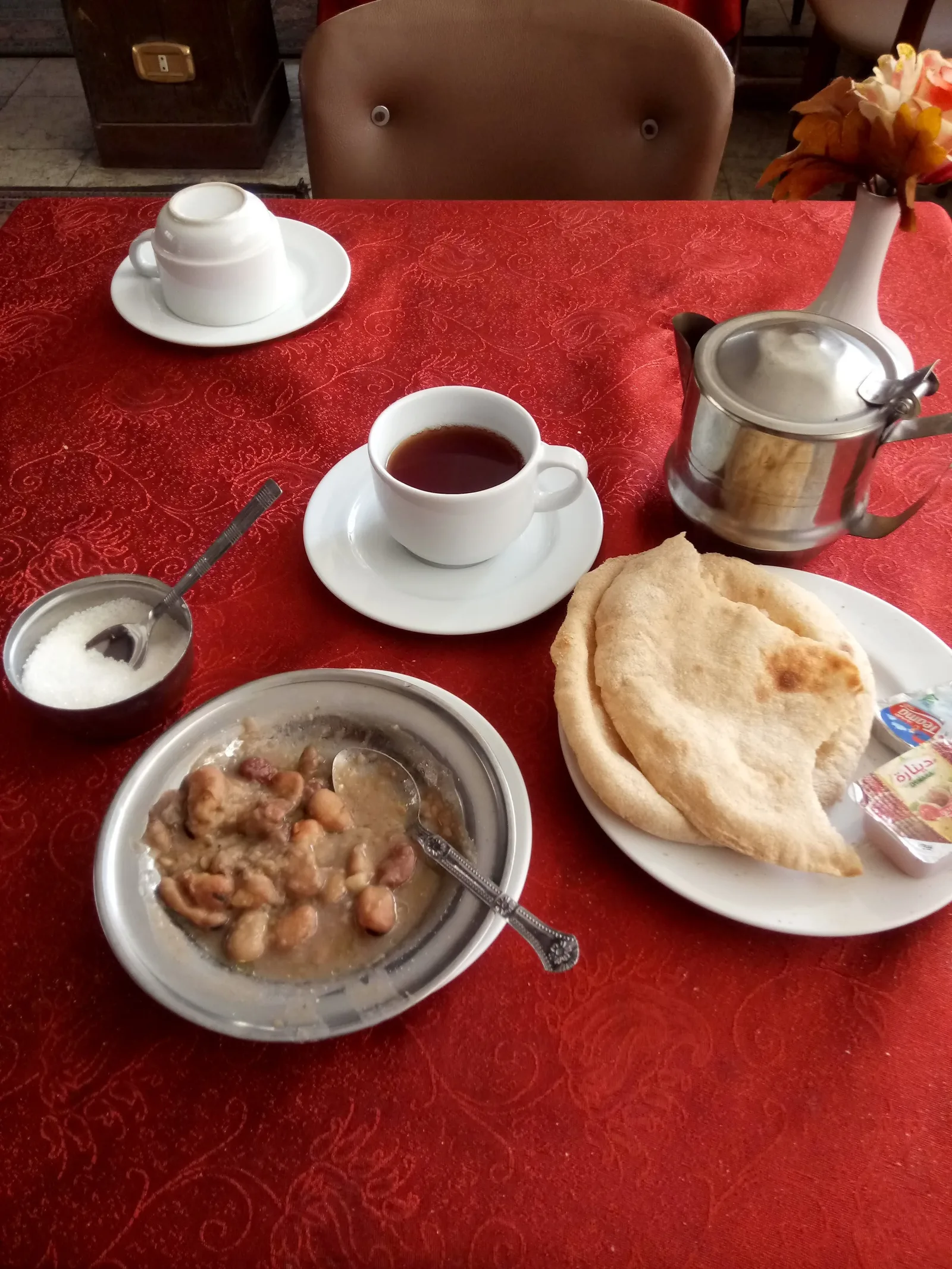
« Le thé après le repas bloque le fer » : l’avertissement des mères confirmé par la science
Il est rare qu’un avertissement venu de la cuisine égyptienne soit confirmé avec autant de netteté par le laboratoire. Le thé noir pris avec le repas réduit fortement l’absorption du fer du pain, des lentilles et des légumes, et le lait n’y change rien. La solution n’est pas de bannir le thé, mais de le retarder d’une heure et d’ajouter un quartier de citron. Nous exposons les preuves, et pourquoi l’Égypte est particulièrement concernée.
10 septembre 2026 · 7 min de lecture