Les femmes au Parlement égyptien : le quota, histoire d'un essor, d'un recul et d'un retour
Du siège historique de Rawya Ateya en 1957 à la garantie constitutionnelle d'un quart des sièges de la Chambre des représentants : l'essor, le recul et le retour, documentés, du quota féminin qui façonne depuis sept décennies la représentation des femmes au Parlement égyptien.
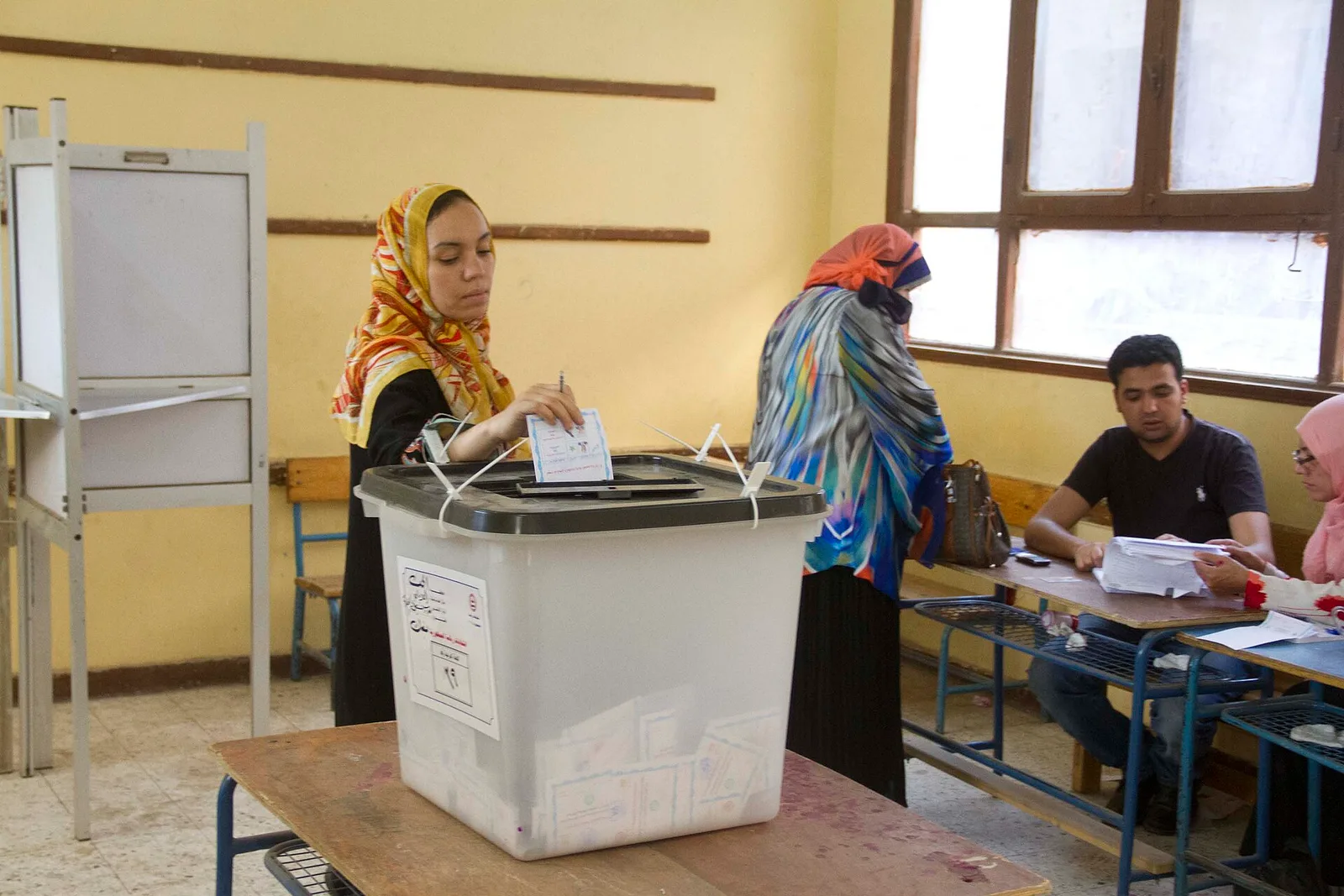
En 1957, une seule femme prit place sur les bancs du Parlement égyptien et entra dans l'histoire du monde arabe. Aujourd'hui, la Constitution elle-même garantit aux femmes au moins un quart des sièges de la Chambre des représentants. Entre ces deux moments s'étendent près de sept décennies d'expérience documentée : des quotas instaurés, puis abolis, puis rétablis, puis enfin inscrits dans la Constitution. L'histoire de la représentation des femmes au Parlement égyptien est, dans une mesure remarquable, celle de son dispositif de quotas — et elle mérite d'être racontée comme une série d'étapes vérifiables, non comme un slogan.
Le point de départ est la Constitution de 1956, qui accorda pour la première fois aux Égyptiennes le droit de voter et de se présenter aux élections. Lors du scrutin de 1957, Rawya Ateya remporta un siège et devint la première femme membre d'un parlement égyptien — largement présentée comme la première parlementaire du monde arabe. Amina Shukri fit son entrée à la Chambre durant la même période. La barrière était tombée, mais les chiffres qui suivirent montrèrent la distance qui peut séparer un droit inscrit dans la loi d'une réalité sociale.
Tout au long des années 1960 et pendant la majeure partie des années 1970, la présence des femmes au Parlement demeura marginale — une poignée d'élues dans une assemblée de plusieurs centaines de membres. Les obstacles étaient ceux que l'on documente en Égypte comme ailleurs : des partis réticents à investir des femmes dans des circonscriptions gagnables, le coût des campagnes et les représentations sociales des rôles publics. Faute de toute garantie institutionnelle, chaque cycle électoral reproduisait à peu près le même résultat. C'est dans ce contexte que l'Égypte tenta son premier remède structurel.
En 1979, sous la présidence d'Anouar el-Sadate, un amendement à la loi électorale réserva aux femmes un bloc d'au moins trente sièges à l'Assemblée du peuple. L'effet fut immédiat et mesurable : le nombre de femmes atteignit son plus haut niveau jusqu'alors, et l'Égypte devint un exemple régional précoce de quota féminin inscrit dans la loi. La mesure fut associée dans l'opinion aux réformes plus larges de l'époque en matière de droit de la famille et de statut personnel, et elle établit un schéma appelé à se répéter : là où la garantie existe, les chiffres montent.
L'inverse fut démontré peu après. Au milieu des années 1980, la réservation de sièges fut abolie sur fond de recours constitutionnels successifs contre le système électoral, et la représentation des femmes s'effondra vers ses niveaux d'avant le quota lors des scrutins suivants. Pendant près de deux décennies, l'Égypte mena l'expérience inverse : pas de quota, et une présence féminine constamment infime — souvent inférieure à trois pour cent de l'assemblée. Le dossier égyptien documenté offre ainsi une comparaison avant-après d'une netteté rare sur les effets de l'abrogation d'un quota.
La tentative suivante vint en 2009, lorsqu'une loi ajouta soixante-quatre sièges réservés aux femmes, prévus pour deux législatures. Les élections de 2010 se tinrent selon ce système et produisirent une forte hausse du nombre d'élues. Ce parlement fut toutefois dissous après la révolution de janvier 2011, interrompant l'expérience avant son terme. Lors des élections de transition de 2011-2012, la règle exigeait seulement que chaque liste de parti comporte au moins une femme, sans aucune garantie de rang — et la part des femmes retomba aussitôt à quelques pour cent des sièges.
La Constitution de 2014 marqua un changement de philosophie. Son article 11 engageait l'État à garantir une représentation appropriée des femmes dans les assemblées élues et inscrivait — fait notable — une garantie chiffrée dans le texte constitutionnel pour les conseils locaux : le quart de leurs sièges. Pour la Chambre élue en 2015, le dispositif des listes de parti comportant des places réservées aux femmes, conjugué aux nominations présidentielles, porta la part des femmes à environ quinze pour cent de l'assemblée — la proportion la plus élevée de l'histoire parlementaire égyptienne jusqu'alors, mais encore en deçà de l'ambition constitutionnelle.
L'étape décisive vint avec les amendements constitutionnels approuvés en 2019. L'article 102 modifié dispose que la représentation des femmes ne peut être inférieure au quart des sièges de la Chambre des représentants. Pour la première fois, le quota n'était plus une disposition d'une loi électorale qu'une future majorité pouvait abroger sans bruit ; il était ancré dans le texte constitutionnel lui-même. La distinction compte précisément à cause de l'histoire antérieure : l'Égypte avait déjà vécu l'abrogation d'un quota légal et en connaissait les conséquences.
Les élections de 2020, les premières organisées sous l'empire de l'article modifié, donnèrent le plus important contingent de femmes jamais assis dans un parlement égyptien : par la combinaison des sièges de liste, des victoires individuelles et des nominations, les femmes occupèrent plus du quart de la Chambre. Le Sénat, rétabli la même année, était assorti de sa propre garantie — sa loi fondatrice imposait que les femmes détiennent au moins dix pour cent de ses sièges. Des femmes furent également nommées à des postes de direction dans les deux chambres, notamment à des vice-présidences et à la tête de commissions.
Le débat sur les quotas mérite lui aussi d'être rapporté honnêtement. Leurs partisans soutiennent qu'ils corrigent des barrières structurelles que des décennies d'égalité formelle n'ont jamais dissoutes, et relèvent qu'une large part des parlements du monde recourent aujourd'hui à un mécanisme de quota. Leurs détracteurs craignent que les sièges réservés ne soient traités comme un plafond plutôt que comme un plancher, ou qu'ils dispensent les partis de former de véritables dirigeantes. Ce que le dossier égyptien apporte à ce débat est d'ordre empirique : dans chaque cycle documenté, la présence ou l'absence d'une garantie a été le meilleur prédicteur du nombre de femmes élues.
Les chiffres ne disent pas tout non plus. La représentation soulève d'autres questions que les chercheurs suivent séparément : quelles commissions les femmes président, à quelle fréquence elles obtiennent des portefeuilles ministériels, et si le quart constitutionnel se traduit par une influence sur la législation. Au-delà du Parlement, des jalons comme l'accès des femmes à la magistrature et l'action du Conseil national de la femme relèvent du même dossier. Et une garantie constitutionnelle reste inéprouvée dans les faits : le quart des sièges des conseils locaux réservé aux femmes attend la tenue d'élections locales, qui n'ont plus eu lieu depuis 2008.
Sept décennies après que Rawya Ateya est entrée seule dans l'hémicycle, le cadre qu'elle a inauguré par l'exemple est devenu texte constitutionnel. L'évolution documentée — droits de 1956, premier siège en 1957, quota de 1979, abolition au milieu des années 1980, rétablissement en 2009, principes de 2014, ancrage en 2019, chiffres record en 2020 — offre aux Égyptiens une chose rare dans le débat public : une question de politique publique sur laquelle l'histoire de leur propre pays fournit la preuve. Quelle que soit la position que l'on adopte sur les quotas par principe, la trajectoire de la présence des femmes au Parlement égyptien n'est plus affaire de conjecture. Elle est consignée.
À lire aussi
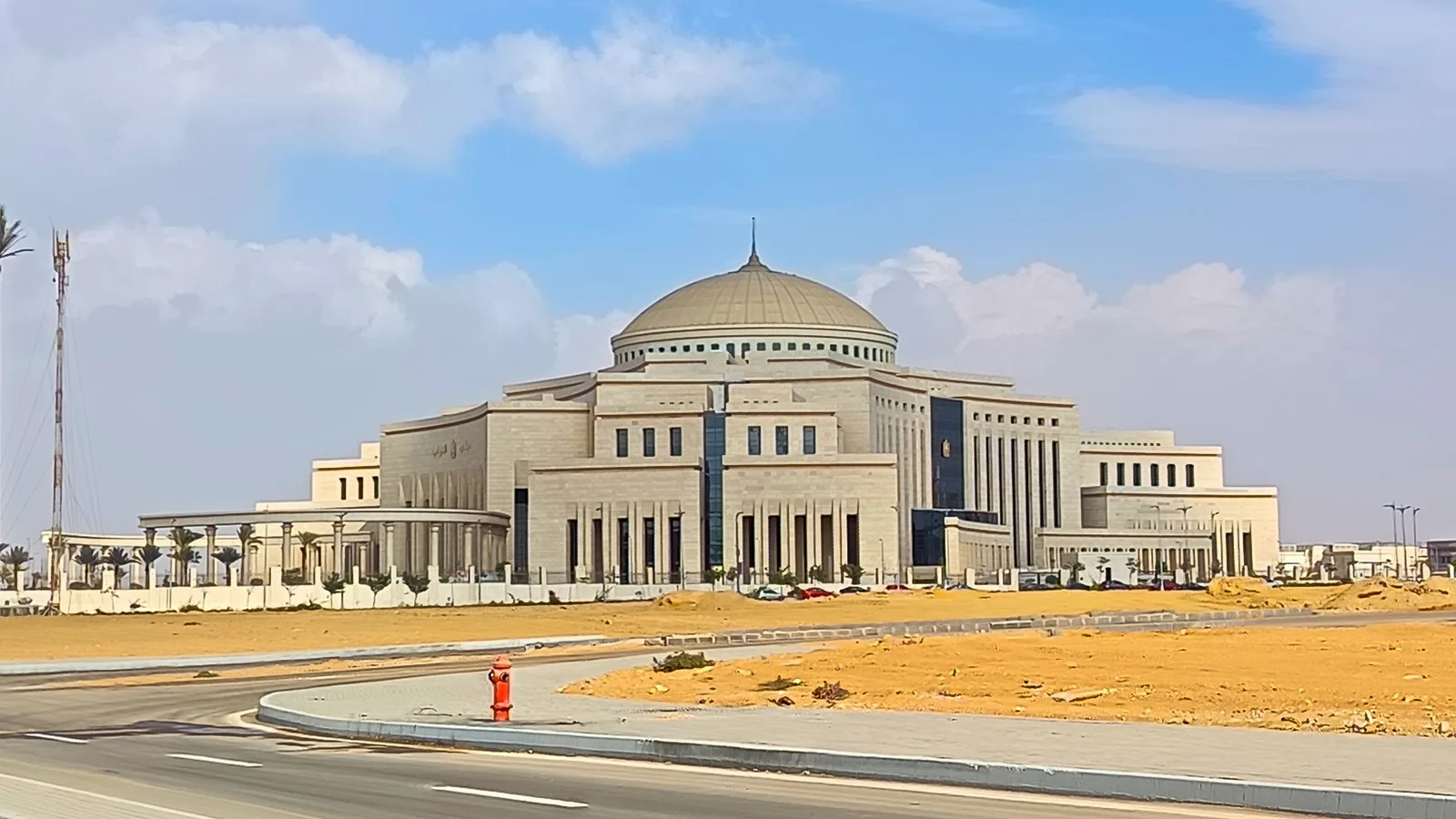
L'œil du Parlement sur le gouvernement : de la demande d'information au retrait de confiance — les outils de contrôle tels que la Constitution les a dessinés
D'une question adressée à un ministre à une interpellation capable de faire tomber un gouvernement : visite guidée de la boîte à outils du contrôle parlementaire telle que l'ont dessinée la Constitution de 2014 et les amendements de 2019 — ce que peuvent les députés, ce que ne peuvent pas les sénateurs, et comment suivre vous-même ce qui se joue sous la coupole.
6 septembre 2026 · 7 min de lecture
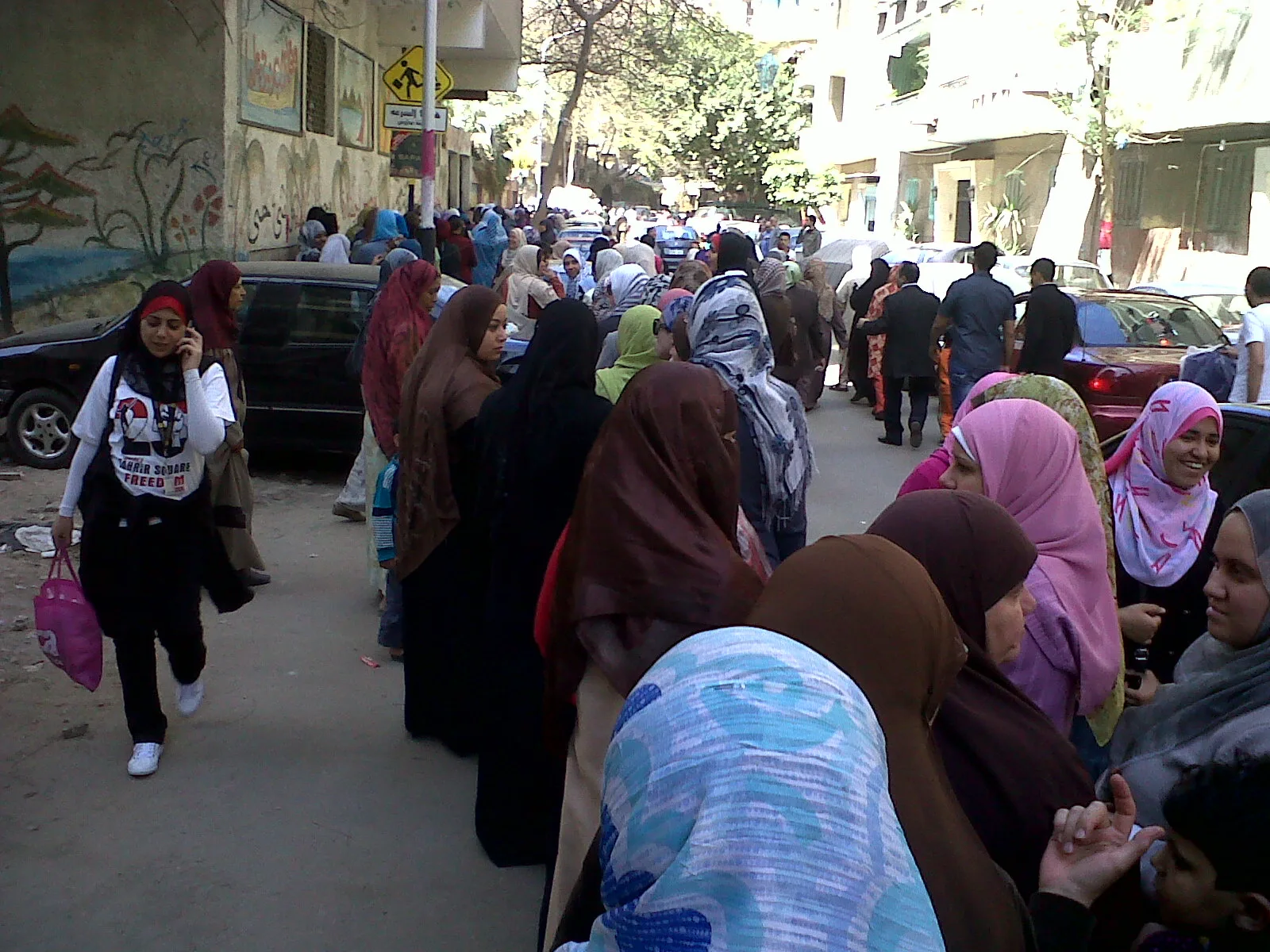
Sénat égyptien : pas d'élections en 2026 — ce que les électeurs doivent savoir
Aucun scrutin sénatorial n'est prévu en Égypte en 2026 : la chambre actuelle a été élue en août 2025 pour un mandat de cinq ans, le prochain rendez-vous électoral étant fixé à 2030. Un guide neutre sur la répartition des sièges, les conditions de vote, les bureaux de scrutin et la proclamation des résultats.
20 août 2026 · 7 min de lecture

« Keda ghalat » (« Ça, c'est mal ») : maltraiter un animal est un crime au regard du Code pénal égyptien depuis 1937
Un voisin dépose des gamelles empoisonnées près du mur de l'école ; un charretier frappe son âne au visage sous une charge trop lourde. Beaucoup croient qu'« un animal » n'est protégé par aucune loi. En réalité, les articles 355, 356 et 357 du Code pénal sanctionnent tuer, empoisonner et maltraiter un animal, jusqu'à l'emprisonnement. À la veille de la Journée mondiale des animaux, voici ce que dit la loi.
3 octobre 2026 · 6 min de lecture