Alphabetisierung in Ägypten: Das Ausmaß der Aufgabe und die Kurse, die das Leben Erwachsener verändern
Jüngste Volkszählungen beziffern den Anteil der Analphabeten unter den Ägyptern über zehn Jahren auf rund ein Viertel – Millionen Erwachsene, die nie lesen gelernt haben. Von der Allgemeinen Behörde für Alphabetisierung und Erwachsenenbildung über die Kurse zivilgesellschaftlicher Vereine bis zu freiwilligen Studierenden: ein Rundgang durch die Programme, die sie unterrichten – und was wirklich funktioniert.
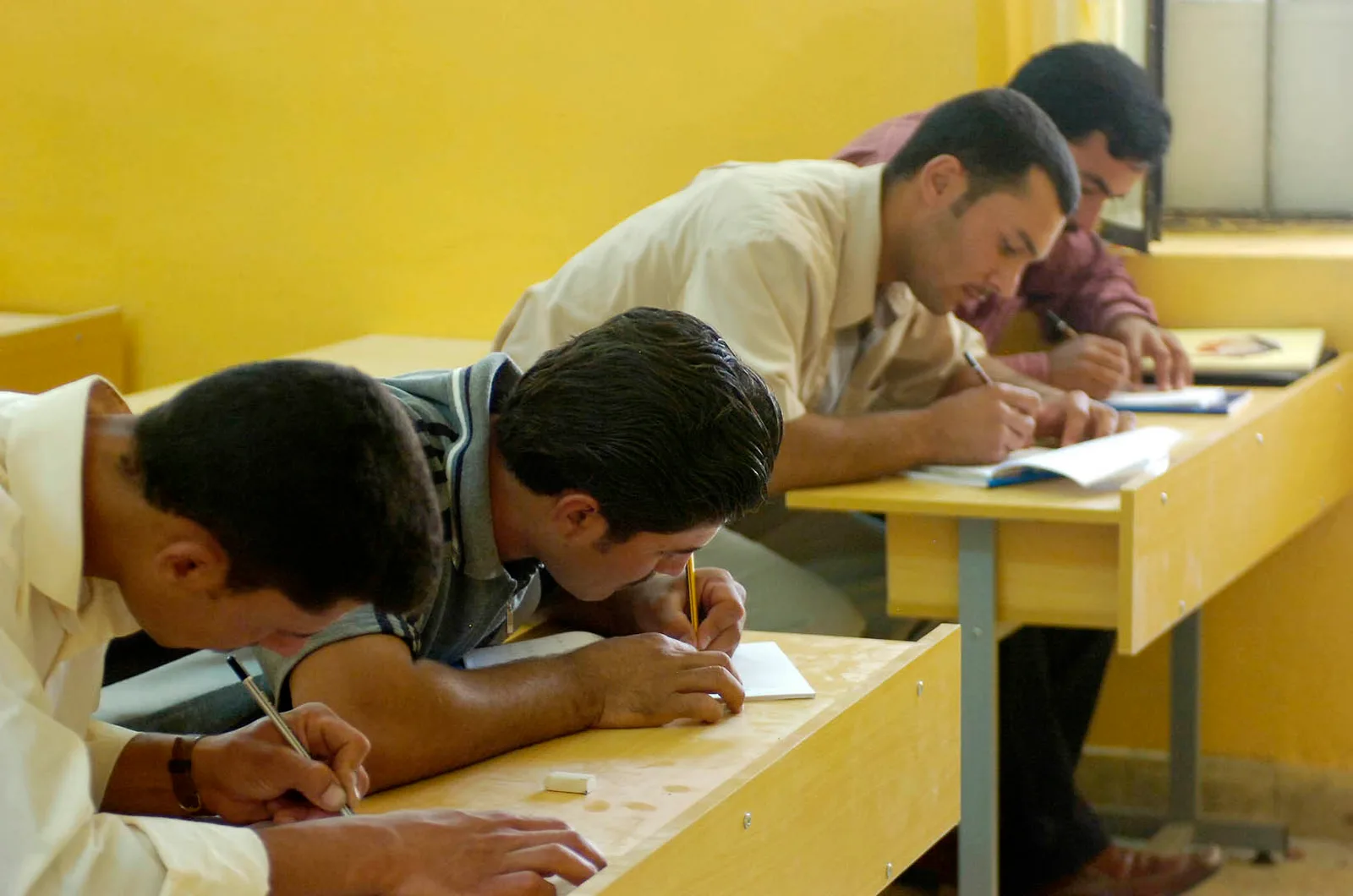
In einem kleinen Zimmer, nach dem Abendgebet, zeichnet eine Frau in den Fünfzigern zum ersten Mal in ihrem Leben den Buchstaben Alif. Szenen wie diese wiederholen sich jede Woche überall in Ägypten – in Moscheen, Kirchen, Jugendzentren und den Kursräumen von Nichtregierungsorganisationen –, denn eine der ältesten Entwicklungsaufgaben des Landes ist noch immer nicht gelöst: Millionen erwachsener Ägypterinnen und Ägypter können weder lesen noch schreiben, und ein stilles Netz von Programmen arbeitet daran, das zu ändern, einen Lernenden nach dem anderen.
Das Ausmaß ist belegt und beruht nicht auf Anekdoten. Die ägyptische Volkszählung von 2017 bezifferte den Analphabetismus auf etwa ein Viertel der Bevölkerung ab zehn Jahren – Millionen Menschen, die sich mit Verträgen, Beipackzetteln, Bankformularen und den Zeugnissen ihrer Kinder auseinandersetzen müssen, ohne sie lesen zu können. Die Quote ist über die Jahrzehnte stetig gesunken, weil sich die Schulbildung ausweitete, doch die absoluten Zahlen blieben hoch, denn Ägyptens Bevölkerung wuchs schnell genug, um den Bestand immer wieder aufzufüllen.
Die Last verteilt sich ungleich. Der Analphabetismus liegt bei Frauen deutlich höher als bei Männern, auf dem Land höher als in den Städten, und er erreicht seinen Höchststand bei älteren Frauen auf dem Land in Oberägypten – jener Gruppe, die vor ein oder zwei Generationen am ehesten gar nicht erst zur Schule gehen durfte. Das Problem hat zudem einen Zufluss: Kinder, die früh die Schule abbrechen oder sie durchlaufen, ohne wirklich etwas zu lernen, werden zur nächsten Generation von Erwachsenen, die kaum lesen können.
Worum es geht, reicht weit über das Lesen zum Vergnügen hinaus. Studie um Studie zeigt weltweit, dass Lesefähigkeit mit Gesundheit, Einkommen und dem Schicksal der nächsten Generation zusammenhängt: Eine Mutter, die lesen kann, hält Medikamentendosierungen genau ein, erledigt die Papiere ihrer Kinder und hilft ihnen bei den Hausaufgaben. Ein Erwachsener, der lesen kann, prüft einen Vertrag vor der Unterschrift, vergleicht Preise und nutzt sein Smartphone für mehr als Telefonate. Analphabetismus ist eine stille Steuer, die bei jedem Kontakt mit einem modernen Staat und einem modernen Markt fällig wird.
Ägypten führt diesen Kampf seit Langem. Alphabetisierungskampagnen reichen bis in die Mitte des 20. Jahrhunderts zurück, und 1991 schuf das Gesetz Nr. 8 die Allgemeine Behörde für Alphabetisierung und Erwachsenenbildung, jene staatliche Stelle, die Kurse organisiert, Lehrpläne festlegt und Prüfungen abnimmt. Ihr Zeugnis ist ein echter Schlüssel: Es bescheinigt, dass ein Erwachsener lesen und schreiben kann, und es öffnet denen, die weitergehen wollen, den Weg in die weiterführende Bildung.
Die Behörde arbeitet ebenso sehr über Partnerschaften wie über eigene Kurse – mit den Gouvernements, mit Moscheen und Kirchen und mit den Universitäten. Zu den eigenwilligsten ägyptischen Mechanismen gehört es, Studierende für den Unterricht in Alphabetisierungskursen zu gewinnen, mit Anreizen, die an ihre Mitarbeit geknüpft sind; das Modell verwandelt die riesige Studentenschaft des Landes in eine Lehrkraft und schlägt im besten Fall eine Brücke zwischen den Generationen: ein Zwanzigjähriger, der einem Sechzigjährigen die Buchstaben beibringt.
Die Zivilgesellschaft trägt einen großen Teil der Last. Der Verein Life Makers organisiert seit zwei Jahrzehnten ehrenamtliche Alphabetisierungskampagnen; die Misr-El-Kheir-Stiftung macht Alphabetisierung zu einer Säule ihrer Entwicklungsarbeit; und die Koptisch-Evangelische Organisation für Soziale Dienste sowie die Caritas Ägypten führen seit Generationen Programme der Erwachsenenbildung durch, lange bevor das Thema in Mode kam. Zusammen erreichen die Kursräume der Organisationen Dörfer und Viertel, die kein staatlicher Plan abdeckt.
Jahrzehnte an Erfahrung – in Ägypten wie weltweit – haben gezeigt, was wirkt. Erwachsene sind keine großen Kinder: Sie lernen schneller, wenn der Stoff ihr Leben berührt, ein Ansatz, der als funktionale Alphabetisierung bekannt ist. Ein Lehrplan, der sich um das Lesen eines Rezepts, einer Stromrechnung, von Marktpreisen und Handynachrichten dreht, hält die Lernenden auf ihren Plätzen; abstrakte Fibeln vertreiben sie. Die UNESCO, die jedes Jahr am 8. September den Weltalphabetisierungstag begeht, hat dieselbe Lehre auf jedem Kontinent dokumentiert.
Und für Frauen – sie stellen die Mehrheit der Lernenden – entscheiden die Details alles: Kurse, die sich nach Hausarbeit und Erntezeiten richten, an einem Ort stattfinden, dem eine konservative Familie vertraut, und von jemandem gehalten werden, der eine Großmutter nicht beschämt, wenn sie ins Stocken gerät. Die erfolgreichsten Programme verbinden das Lesen mit etwas, das die Teilnehmerinnen sofort wollen – Nähen, Kenntnisse für ein Kleingewerbe, Zugang zu Mikrokrediten, ein Kurs im Umgang mit dem Handy –, sodass das Lesen als Werkzeug ankommt und nicht als Prüfung.
Zum ehrlichen Bild gehören auch die Hindernisse. Der Abbruch in Erwachsenenkursen ist überall hoch; eine Ernte, eine Krankheit oder ein misstrauischer Ehemann können eine Bildungslaufbahn beenden. Auch der Rückfall ist real: Wer gerade lesen gelernt hat und nichts zu lesen findet, fällt zurück – deshalb sind Materialien zur Nachbetreuung und die Stufen der „Nachalphabetisierung“ wichtig. Und das Zuflussproblem bleibt bestehen: Jedes Kind, das die Schule verlässt, ohne lesen zu können, macht statistisch die Arbeit eines ganzen Erwachsenenkurses zunichte.
Deshalb hat die Sache zwei Fronten. Die eine ist der Unterricht für die Erwachsenen von heute; er braucht Freiwillige, Geld und gesellschaftliche Ermutigung statt Beschämung – man sollte den Sechzigjährigen feiern, der sich zur Prüfung setzt, statt Witze über ihn zu machen. Die andere ist, den Hahn zuzudrehen: Kinder in der Schule zu halten und dafür zu sorgen, dass ihre Schuljahre tatsächlich zum Lesen führen, damit die Kurse der Behörde einen schrumpfenden Rückstand abarbeiten und nicht einen Fluss, der nie versiegt.
Jeder kann irgendwo an dieser Front stehen: in einer Kampagne unterrichten, einen Kurs finanzieren oder einfach einen Elternteil oder eine Nachbarin ermutigen, sich anzumelden und durchzuhalten – und ihre Mühe mit dem Respekt behandeln, der jedem Lernenden zusteht. Eine Gesellschaft, in der alle Erwachsenen lesen, entsteht nicht durch einen einzigen Beschluss; sie wird Buchstabe für Buchstabe zusammengesetzt, in kleinen Zimmern nach dem Abendgebet, von Menschen, die entschieden haben, dass der Satz „Es ist zu spät“ fürs Lernen nicht gilt.
Verwandte Artikel

Kairos Luft ist eine nationale Frage: von der „Schwarzen Wolke“ zum Elektrobus – der Kampf um jeden Atemzug
Jeden Herbst kehrt die „Schwarze Wolke“ zurück und legt sich erstickend über Groß-Kairo. Was aber wirklich tötet, ist das, was wir nicht sehen: Partikel, feiner als ein Haar, die bis in Lunge und Blut vordringen. Am Vorabend des Weltautofreien Tages öffnen wir die Akte zu einem der gravierendsten umweltbedingten Gesundheitsprobleme Groß-Kairos: Was sagen die Zahlen, was wird getan – und was können Sie selbst in Ihrem Alltag tun?
21. September 2026 · 7 Min. Lesezeit

Das Meer erobert das Delta: Wie Ägypten sein fruchtbarstes Land mit Barrieren aus Sand und Schilf verteidigt
An der Küstenstraße von Burullus stehen Sanddünen, von Schilfzäunen gehalten; dahinter kostet ein Bauer das Wasser seines Brunnens und stellt fest, dass es salzig ist. Eine stille Krise bedroht ein Viertel der Ägypter: ein steigendes Meer und sinkendes Land. Der Artikel legt die Gefahr in Zahlen dar, stellt ein 105-Millionen-Dollar-Projekt mit 69 Kilometern weicher Schutzbarrieren vor und fragt, welche Rolle dem Bürger zukommt.
13. September 2026 · 8 Min. Lesezeit
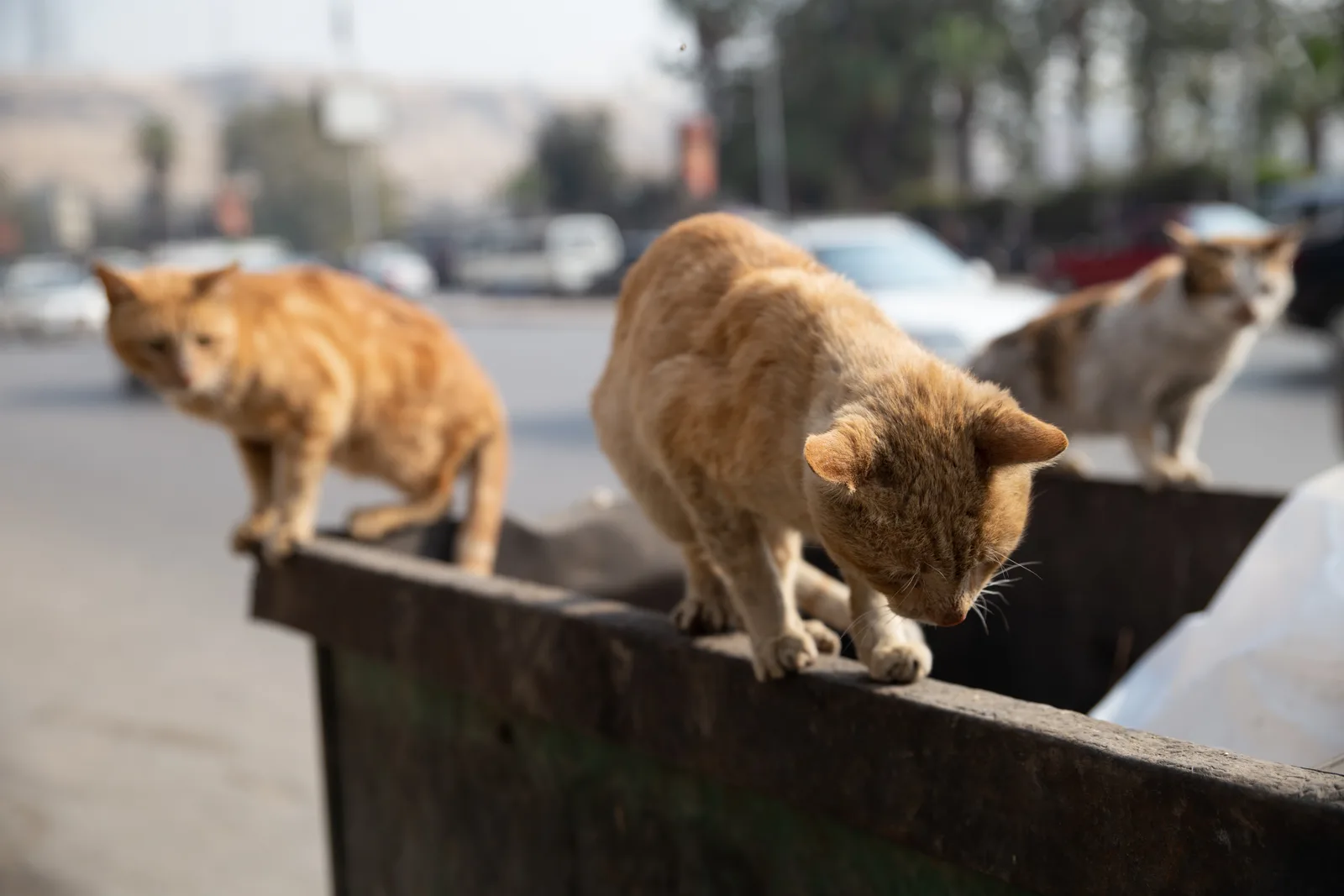
„Keda ghalat“ („Das ist falsch“): Tierquälerei ist seit 1937 eine Straftat nach dem ägyptischen Strafgesetzbuch
Ein Nachbar stellt vergiftete Näpfe neben die Schulmauer; ein Karrenbesitzer schlägt seinem Esel ins Gesicht, weil dieser eine zu schwere Last trägt. Viele glauben, „nur ein Tier“ bedeute, dass kein Gesetz es schützt. Tatsächlich stellen die Artikel 355, 356 und 357 des Strafgesetzbuchs Töten, Vergiften und Misshandeln von Tieren unter Strafe, bis hin zu Gefängnis. Am Vorabend des Welttierschutztages erklären wir, was das Gesetz sagt.
3. Oktober 2026 · 6 Min. Lesezeit