Clever in den Schulstart: Ein Familienbudget-Ratgeber bis zum ersten Klingeln am 12. September
Vor dem Schuljahresbeginn am 12. September ein praktischer Leitfaden für das Schulstart-Budget: die offiziell festgelegten Gebühren, eine Bestandsaufnahme dessen, was vom Vorjahr noch taugt, klare Kaufprioritäten, realistische Spartipps – und wie sich der größte Kostenblock zähmen lässt: der private Nachhilfeunterricht.
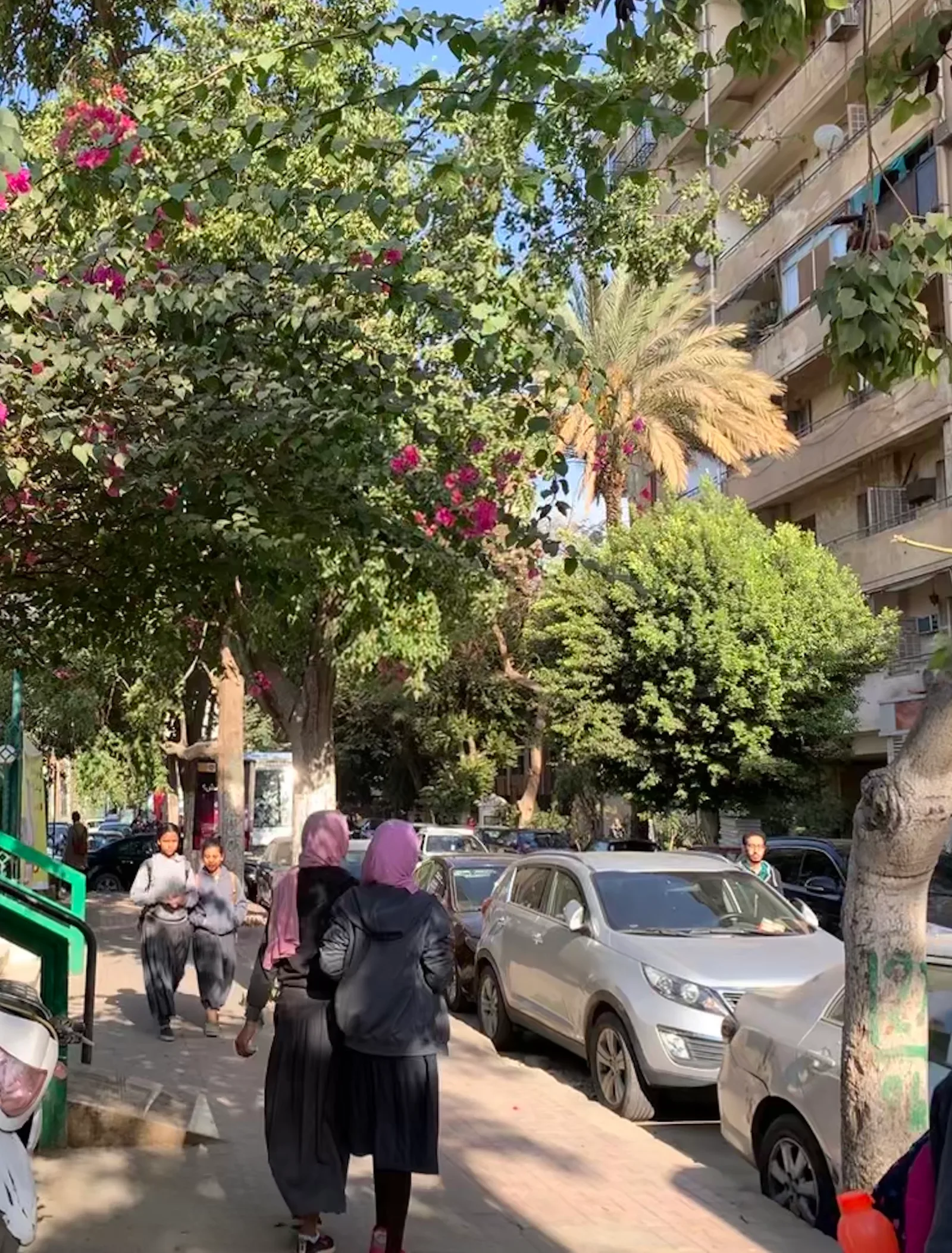
Ägyptischen Familien bleiben weniger als vier Wochen bis zum Beginn des Schuljahres 2026/2027, das nach dem vom Ministerium für Bildung und technische Bildung genehmigten Zeitplan am Samstag, dem 12. September, startet. Zwischen Schulgebühren, Uniformen, Materialien und Nachhilfe wird der Rest des August samt September zu einer Ausgabensaison, die jedes Haushaltsbudget unter Druck setzt. Frühzeitige Planung streicht die Rechnung nicht, kann sie aber deutlich verkleinern.
Nach Angaben des Ministeriums, die lokale Medien verbreitet haben, beginnt der Unterricht an den staatlichen Schulen, den offiziellen Sprachschulen und den Privatschulen am 12. September 2026 und dauert bis zum 24. Juni 2027 – 39 Schulwochen –, während die internationalen Schulen bereits am 6. September öffnen. Dieses Zeitfenster bedeutet, dass eine Familie ihre Einkäufe auf mehrere Etappen verteilen kann, statt das Budget auf einen Schlag zu leeren.
Bei den offiziellen Gebühren legt der Ministerialerlass Nr. 116 für das Schuljahr 2026/2027 vom Kindergarten bis zum Ende der Vorbereitungsstufe 320 ägyptische Pfund fest, 545 Pfund für das erste Jahr der allgemeinen Sekundarstufe, 530 Pfund für das zweite und dritte Sekundarjahr sowie 245 Pfund für das erste Jahr der technischen Bildung und 230 Pfund für deren übrige Jahrgänge – so berichteten das Portal Al-Schuruk und Masrawy. Die Gebühren werden in zwei Raten über die elektronischen Zahlstellen und die Postämter beglichen; die im Erlass genannten Gruppen sind befreit und zahlen nur eine symbolische Verwaltungsgebühr.
An den offiziellen Sprachschulen kommt ein Entgelt für Zusatzleistungen hinzu, das zwischen 800 Pfund für die Grundstufe und 1.400 Pfund für den Kindergarten liegt; an den ausgezeichneten offiziellen Sprachschulen erreicht es in der Sekundarstufe 4.400 Pfund, wie die Presseberichte zu demselben Erlass ausweisen. Wenn Sie den offiziellen Betrag im Voraus kennen, schützt Sie das vor Forderungen, die darüber hinausgehen; und Sie haben das Recht zu fragen, worauf sich jeder zusätzliche Posten stützt.
Der erste Schritt, noch bevor Sie das Portemonnaie öffnen: eine vollständige Bestandsaufnahme dessen, was vom vergangenen Jahr übrig ist. Ein Ranzen mit heilen Trägern und funktionierendem Reißverschluss, Uniformteile, die noch passen, ein brauchbares Geometrieset samt Federmäppchen, Hefte mit unbeschriebenen Seiten, die sich für Schmierpapier zusammenlegen lassen. Die goldene Regel: Auf die Einkaufsliste kommt nur, was nachweislich kaputt oder zu klein geworden ist.
Nach der Bestandsaufnahme folgt die Reihenfolge der Prioritäten. Zuerst die Uniform, denn Kinder wachsen und es gibt keinen Ersatz: Zwei Garnituren eine Nummer größer bringen mehr als drei exakt passende, die zur Halbzeit des Schuljahres nicht mehr sitzen. Danach Hefte und Materialien – nach der tatsächlichen Liste der Schule und nicht nach Vermutung. Und zuletzt der Ranzen, der ganz unten auf der Liste bleibt, solange der alte noch taugt.
Beim Sparen machen kleine Taktiken einen echten Unterschied: Sammelbestellungen unter Müttern erlauben es, ein Dutzend Hefte zu teilen und Großhandelspreise zu bekommen; die Großmärkte und die saisonalen Märkte in den Gouvernements sind in der Hochsaison deutlich günstiger als die Schreibwarenläden im Viertel; und ein Preisvergleich an drei Verkaufsstellen vor dem Bezahlen rechnet sich in der Regel schon beim ersten Gang.
Presseberichte, darunter die Zeitung Al-Dustur unter Berufung auf Quellen im Ministerium für Versorgung und Binnenhandel, gehen davon aus, dass die Messen „Ahlan Madares“ („Willkommen, Schulen“) in dieser Saison Anfang September in den Gouvernements starten – mit Buchhandlungen und Anbietern von Schulbedarf und mit Rabatten, die von Produkt zu Produkt schwanken. In früheren Saisons lagen diese Rabatte Presseberichten zufolge bei rund 20 Prozent; verfolgen Sie deshalb vor dem Kauf die offiziellen Ankündigungen der Gouvernements zu Orten und Terminen.
Auch die Fallen fordern ihren Anteil am Budget. Markenware für ein Kind in den ersten Grundschuljahren ist Geld ohne Gegenwert, denn Material geht binnen Wochen verloren oder kaputt, und Produkte mit aufgedruckten Zeichentrickfiguren kosten mitunter das Doppelte von gleichwertiger Ware. Zu den Fallen zählen ebenso: alles zu kaufen, bevor die Listen der Schule vorliegen, sowie Ratenangebote für kleine Anschaffungen, die ohne Not Finanzierungskosten aufschlagen.
Der größte Posten im Bildungsbudget ist allerdings weder die Uniform noch das Material. Nach Daten der Zentralen Behörde für öffentliche Mobilisierung und Statistik (CAPMAS), die lokale Zeitungen in diesem Monat veröffentlicht haben, entfallen auf Nachhilfe und Förderkurse 28,3 Prozent der Bildungsausgaben von Haushalten mit Schülern; an der Spitze liegt dabei das Gouvernement Menufia, wie die Zeitung Al-Dustur unter Berufung auf die Daten der Behörde berichtete.
Dieser Posten lässt sich kürzen, ohne dem Leistungsstand des Kindes zu schaden: Beginnen Sie nur mit den Fächern, die es wirklich braucht, statt vom ersten Tag an ein ganzes „Paket“ zu buchen; nutzen Sie die günstigeren offiziellen Förderkurse der Schule; teilen Sie sich kleine Lerngruppen mit drei oder vier Familien; und greifen Sie ergänzend auf die kostenlosen offiziellen Bildungskanäle und -plattformen zurück. Schon wenn Sie den Beginn der Nachhilfe verschieben, bis sich der Stand des Kindes im ersten Monat abzeichnet, sparen Sie mindestens einen vollen Monat an Kosten.
Bleibt als letztes Sicherheitsventil, die Rechnung zeitlich zu strecken: Die Zahlung der Gebühren in zwei Raten ist ein offiziell verbrieftes Recht, Sie müssen also nicht alles auf einmal begleichen; das Material lässt sich in zwei Runden kaufen – das Nötigste jetzt, den Rest nach Schulbeginn, wenn der tatsächliche Bedarf feststeht –, und die Belege sollten Sie für Umtausch und Preisvergleich aufbewahren.
Und schließlich ist es eine kostenlose Lektion in Haushaltsführung, die Kinder in das Budget einzubeziehen: Wer begreift, dass ein neuer Ranzen den Verzicht auf etwas anderes bedeutet, lernt früh zu wählen. Der Schulstart ist eine jährliche Prüfung für das Familienbudget – und wer sich früh darauf vorbereitet, besteht sie mit den geringsten Verlusten.
Verwandte Artikel
Vor dem Katb el-Kitab: Das ärztliche Attest, das das Gesetz verlangt, was es zeigt und warum es keine Ehe verhindert
Eine Pflichtuntersuchung vor der Beurkundung des Ehevertrags, dem Katb el-Kitab, endet in einem Attest mit QR-Code, das der Ma'zun oder die kirchliche Stelle verlangt. Was deckt sie auf, was kostet sie, wo wird sie gemacht, und warum ist sie gerade in Ägypten so wichtig? Vor allem: Warum kann ihr Ergebnis eine Ehe nie verhindern? Ein ruhiger Leitfaden für Verlobte, die die Frage umtreibt: „Und wenn bei mir etwas gefunden wird?“
12. September 2026 · 9 Min. Lesezeit
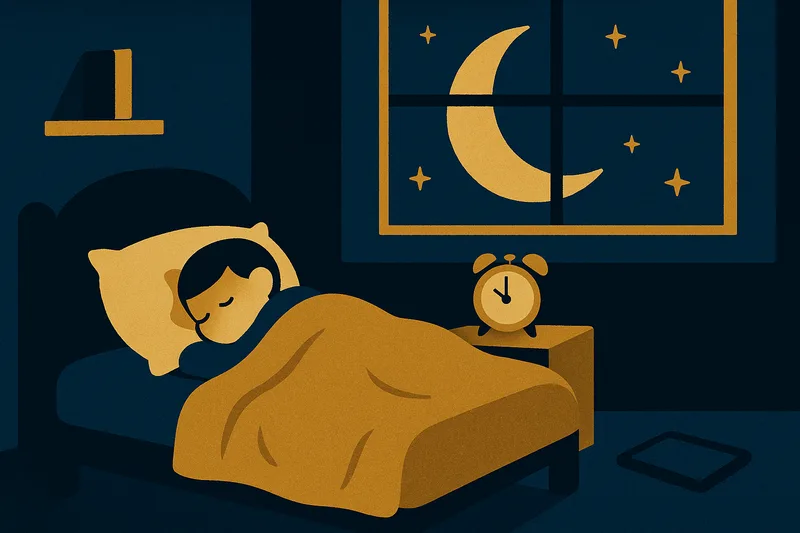
Zwei-Wochen-Plan: So stellen Sie den Schlafrhythmus Ihrer Kinder vor dem Schulstart am 12. September um
Vor dem Beginn des ägyptischen Schuljahres am 12. September raten Schlafmediziner, Zubettgeh- und Aufstehzeiten der Kinder ab sofort jede Nacht um 15 bis 20 Minuten vorzuverlegen – statt erst am Vorabend. Hier ist der komplette Plan samt empfohlener Schlafdauer für jedes Alter.
23. August 2026 · 6 Min. Lesezeit
„Keda ghalat“ („Das ist falsch“): Tierquälerei ist seit 1937 eine Straftat nach dem ägyptischen Strafgesetzbuch
Ein Nachbar stellt vergiftete Näpfe neben die Schulmauer; ein Karrenbesitzer schlägt seinem Esel ins Gesicht, weil dieser eine zu schwere Last trägt. Viele glauben, „nur ein Tier“ bedeute, dass kein Gesetz es schützt. Tatsächlich stellen die Artikel 355, 356 und 357 des Strafgesetzbuchs Töten, Vergiften und Misshandeln von Tieren unter Strafe, bis hin zu Gefängnis. Am Vorabend des Welttierschutztages erklären wir, was das Gesetz sagt.
3. Oktober 2026 · 6 Min. Lesezeit