Die Metro von Kairo: Wie Millionen unter einer Stadt unterwegs sind, die niemals stillsteht
Seit der Eröffnung der ersten Linie im Jahr 1987 – der ersten Metro Afrikas und des Nahen Ostens – ist die Kairoer U-Bahn zum Rückgrat des Alltags von Millionen Ägyptern geworden. Wir erzählen, wie das Netz entstand, wie seine drei Linien funktionieren und wohin die ehrgeizigen Ausbaupläne führen.
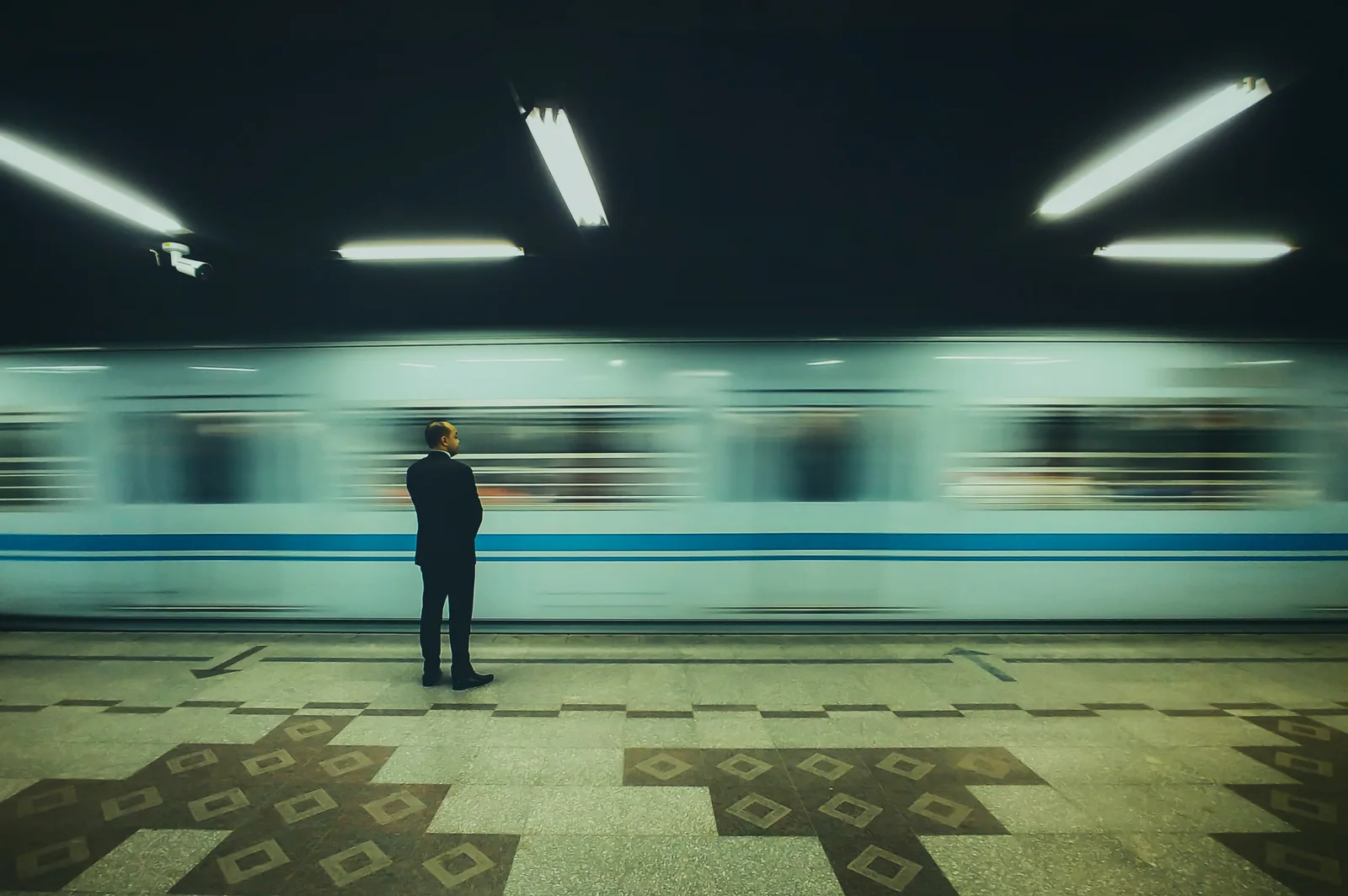
Unter den verstopften Straßen Kairos, wenige Meter unter dem Lärm einer der am dichtesten besiedelten Hauptstädte der Welt, verläuft ein Netz, das das Leben zweier Generationen leise verändert hat. Als 1987 die erste Metrolinie eröffnet wurde, war sie die erste ihrer Art in Afrika und im Nahen Osten. Rund vier Jahrzehnte später ist die Metro das Rückgrat des öffentlichen Nahverkehrs im Großraum Kairo, in dem mehr als zwanzig Millionen Menschen leben, und eines der meistgenutzten städtischen Verkehrssysteme des Kontinents.
Die Idee entstand aus der Not. In den achtziger Jahren hatten die Straßen der Hauptstadt die Grenze der Belastbarkeit erreicht, und die Planer griffen zu einer Lösung, die das Vorhandene nutzte: Zwei Vorortbahnstrecken, die eine nach Süden bis Helwan, die andere nach Norden bis El Marg, wurden durch einen Tunnel unter dem Herzen der Stadt miteinander verbunden. In Zusammenarbeit mit Frankreich entstand so eine rund vierundvierzig Kilometer lange Linie, die Fahrgäste durch die Innenstadt bringt, ohne an einer einzigen Ampel zu halten.
Die zweite Linie folgte in den neunziger Jahren und brachte eine weitere ingenieurtechnische Premiere: die erste Eisenbahnquerung unter dem Nil. Sie verbindet Shubra El-Kheima im Norden mit El Mounib in Gizeh, führt durch die Innenstadt und bedient die Universität Kairo, einen der am stärksten frequentierten Punkte der Hauptstadt. Beim Bau kamen Tunnelbohrmaschinen zum Einsatz, die tief unter einem der am dichtesten bebauten Stadtgebiete der Region arbeiteten.
Die dritte Linie, seit 2012 abschnittsweise eröffnet, ist die jüngste und längste Achse des Netzes. Sie beginnt im Osten in Adly Mansour, wo sie auf die Stadtbahn in Richtung der neuen Städte trifft, durchquert das Zentrum Kairos bis Kit Kat und teilt sich dort in zwei Äste: Der eine führt zur Universität Kairo, der andere nach Rod El-Farag. So erreichte die Metro Stadtteile wie Heliopolis, Abbassia, Zamalek und Imbaba.
Die drei Linien treffen an Umsteigebahnhöfen zusammen, die jeder Stammfahrgast auswendig kennt: Sadat unter dem Tahrir-Platz und Al Shohadaa an Ramses verbinden die Linien 1 und 2, Attaba verknüpft die Linien 2 und 3, Gamal Abdel Nasser die Linien 1 und 3, und die Universität Kairo verbindet die Linie 2 mit dem südlichen Ast der Linie 3. In den Spitzenstunden bewältigen diese Stationen gewaltige Fahrgastströme zwischen dem Norden, Süden, Osten und Westen der Hauptstadt.
Die Fahrgastzahlen schwanken je nach Quelle und Jahreszeit, doch Schätzungen beziffern die täglichen Fahrten seit Jahren auf mehrere Millionen. Damit gehört die Kairoer Metro zu den am stärksten genutzten Systemen Afrikas und der arabischen Welt. Für Hunderttausende Arbeiter und Studierende ist sie keine Option unter mehreren, sondern die einzige realistische Möglichkeit, die Stadt pünktlich und zu erträglichen Kosten zu durchqueren.
Die Fahrpreise sind gestaffelt und richten sich danach, wie viele Stationen zurückgelegt werden; für Vielfahrer gibt es aufladbare Karten. Zudem sind in den Zügen eigene Wagen für Frauen reserviert, damit die Fahrt in den Stoßzeiten angenehmer wird, wobei es jeder Frau freisteht, in einem beliebigen anderen Wagen mitzufahren.
Die Ausbaupläne haben sich in den vergangenen Jahren beschleunigt. Die vierte Linie befindet sich mit japanischer Finanzierung in Richtung Gizeh und Pyramidengebiet im Bau, weitere Linien sind im langfristigen Verkehrsplan für den Großraum Kairo vorgesehen. Über das Metronetz hinaus ging in den vergangenen Jahren die Stadtbahn zwischen Adly Mansour und den neuen Siedlungen östlich von Kairo in Betrieb, während ein Monorail-Projekt die Neue Verwaltungshauptstadt und die Stadt 6. Oktober an das bestehende Netz anbinden soll.
Die wirtschaftliche Rechnung ist eindeutig: Studien zum Verkehrsstau in Kairo beziffern dessen Kosten seit Jahren auf mehrere Milliarden Dollar jährlich an verschwendetem Kraftstoff und verlorener Zeit, und jeder Fahrgast, der unter der Erde unterwegs ist, bedeutet ein Auto oder einen Microbus weniger auf den Straßen. Die Metro hat auch eine soziale Bedeutung, denn ihr Fahrschein bleibt im Vergleich zu privaten Verkehrsmitteln und Fahrdienst-Apps günstig und hält die Mobilität in der Stadt für einkommensschwache Haushalte erschwinglich.
Dennoch steht das System vor echten Herausforderungen: Die Züge der älteren Linien sind in den Spitzenstunden überfüllt; die Wartung des alternden Fuhrparks, die bessere Zugänglichkeit für Menschen mit Behinderung und die Finanzierung der Erweiterungen sind drängende Aufgaben. Hinzu kommt die schwierige Gleichung zwischen sozial vertretbaren Preisen und Betriebskosten, die immer dann wieder in den Vordergrund rückt, wenn die Tarife angepasst werden.
Trotz aller Belastungen bleibt die Metro einer der im Alltag sichtbarsten Erfolge der ägyptischen Infrastruktur. Was 1987 als einzelne Linie begann, ist für Millionen Menschen zur täglichen Gewohnheit geworden, und ihr Netzplan, der alle paar Jahre um neue Stationen ergänzt wird, ist eine stille Chronik des anhaltenden Wachstums der Hauptstadt selbst.
Verwandte Artikel
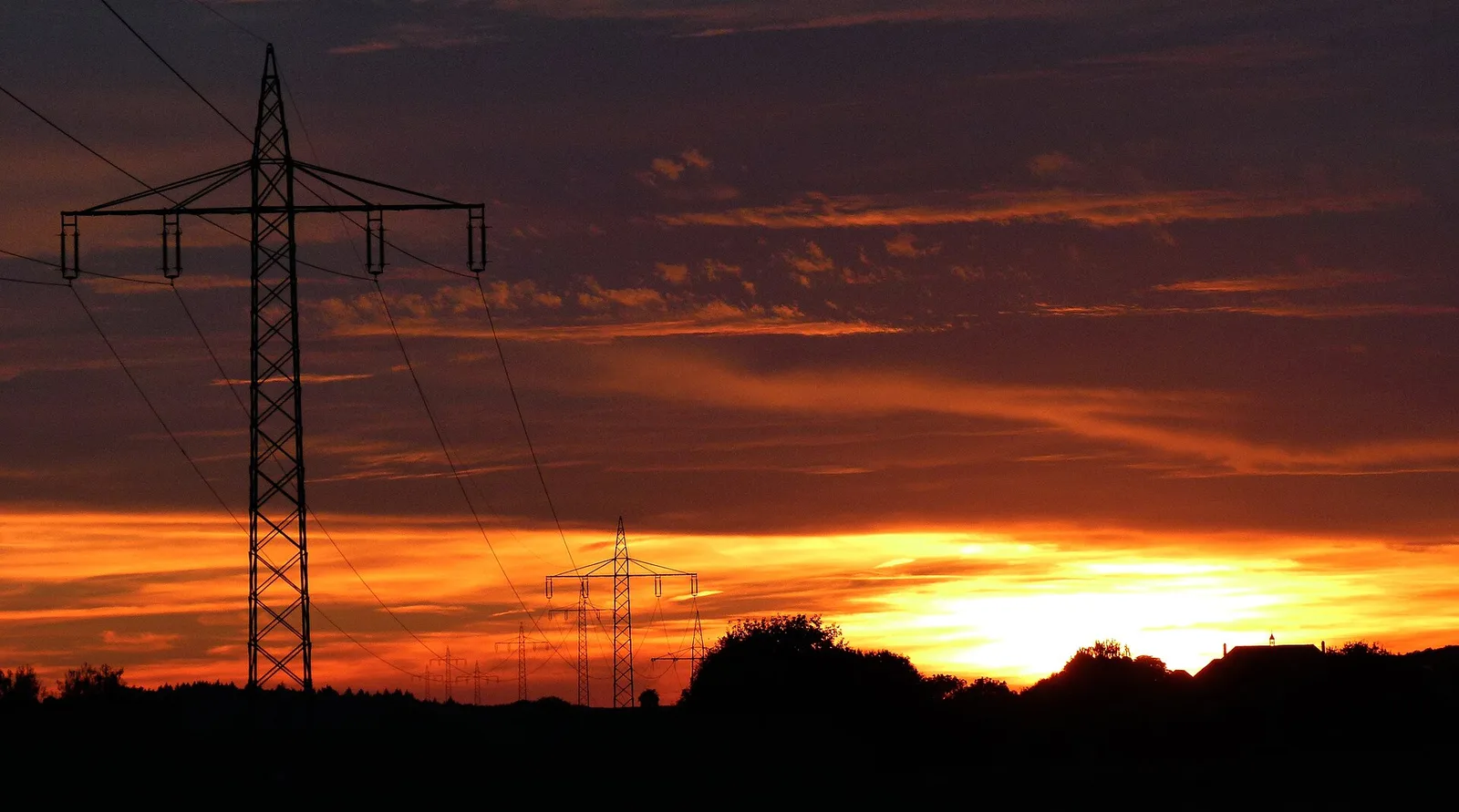
August-Spitze: Ägyptens Stromnetz überschreitet erstmals 40.000 Megawatt – ohne Lastabwürfe
Während der Hitzewelle der vergangenen Woche hat Ägyptens nationales Stromnetz erstmals in seiner Geschichte die Marke von 40.000 Megawatt überschritten – ohne Rückkehr zu geplanten Stromabschaltungen. Wie die Brennstoffversorgung nach dem Drohnenangriff auf Damietta standhielt und was die neuen Tarifstufen für Ihre Stromrechnung bedeuten.
19. August 2026 · 7 Min. Lesezeit
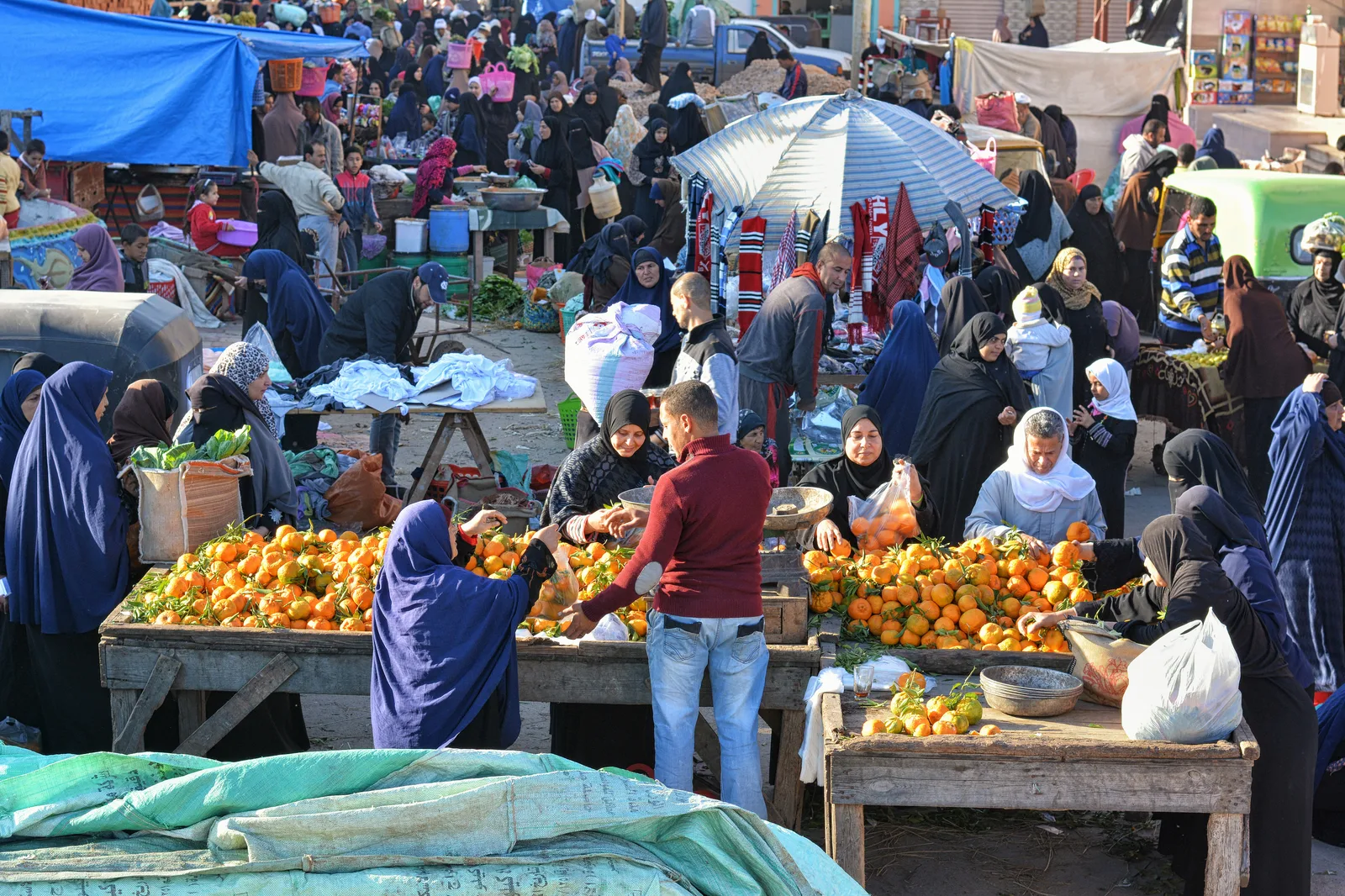
Ägyptens Wirtschaft in zwei Zahlen: 5,2 Prozent Wachstum – und eine Region am Rande der Eskalation
Die Regierung meldet 5,2 Prozent Wachstum in neun Monaten und prüft zugleich aktualisierte Notfallszenarien für eine regionale Eskalation. Bei einer Inflation von 14,9 Prozent und einem Dollarkurs von rund 50 Pfund stellt sich die Frage: Was bedeuten die beiden Zahlen für den Geldbeutel der Bürger?
18. August 2026 · 7 Min. Lesezeit
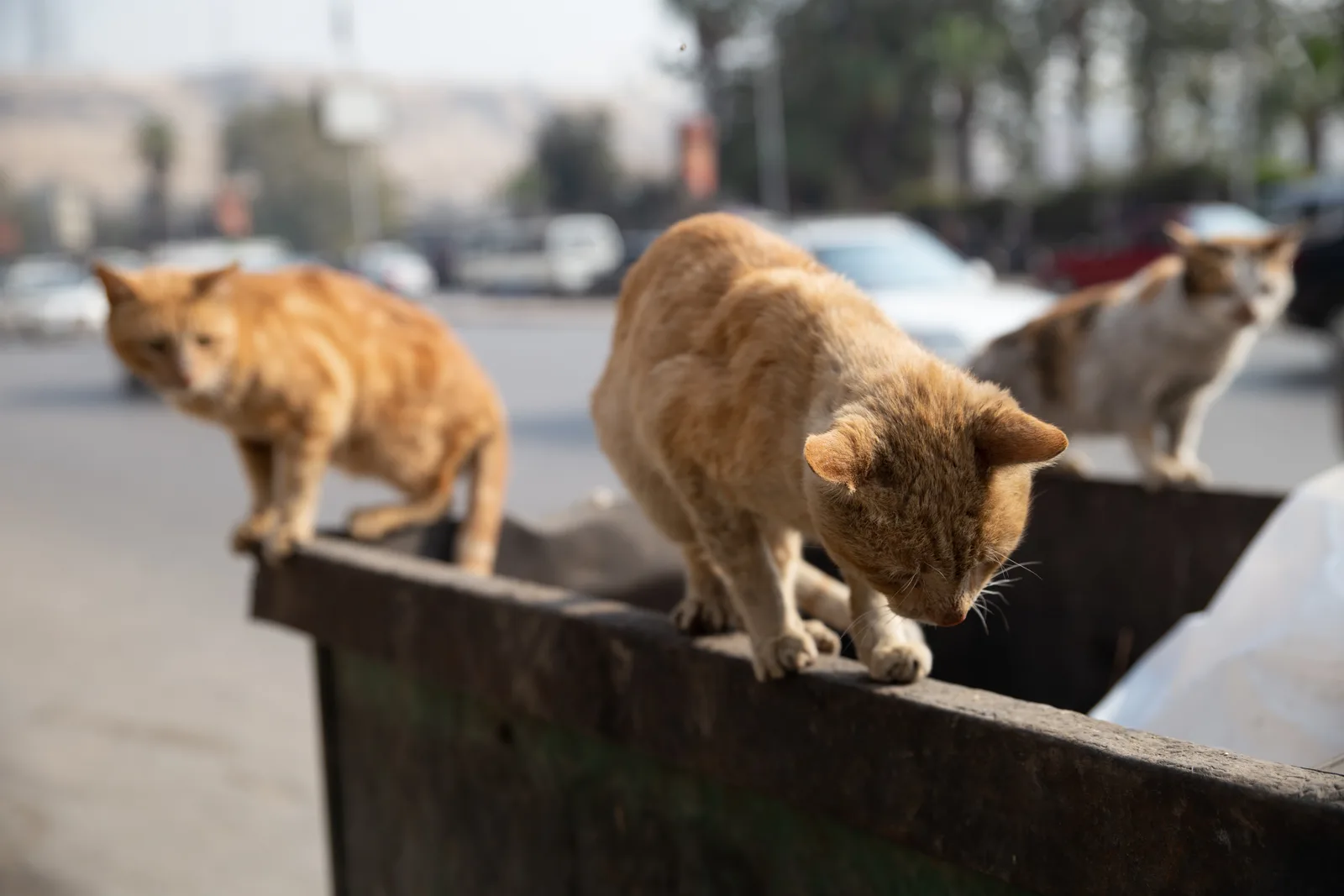
„Keda ghalat“ („Das ist falsch“): Tierquälerei ist seit 1937 eine Straftat nach dem ägyptischen Strafgesetzbuch
Ein Nachbar stellt vergiftete Näpfe neben die Schulmauer; ein Karrenbesitzer schlägt seinem Esel ins Gesicht, weil dieser eine zu schwere Last trägt. Viele glauben, „nur ein Tier“ bedeute, dass kein Gesetz es schützt. Tatsächlich stellen die Artikel 355, 356 und 357 des Strafgesetzbuchs Töten, Vergiften und Misshandeln von Tieren unter Strafe, bis hin zu Gefängnis. Am Vorabend des Welttierschutztages erklären wir, was das Gesetz sagt.
3. Oktober 2026 · 6 Min. Lesezeit