Kindererziehung im Zeitalter der Bildschirme: Was die kinderärztlichen Fachgesellschaften tatsächlich empfehlen
Zwischen Panik und Kapitulation bieten die kinderärztlichen Fachgesellschaften der Welt ruhige, evidenzbasierte Orientierung zu Kindern und Bildschirmen: was die Altersgrenzen wirklich besagen, warum Schlaf an erster Stelle steht, warum der Inhalt wichtiger ist als die Minutenzahl – und wie ein familiärer Medienplan in der Praxis funktioniert.
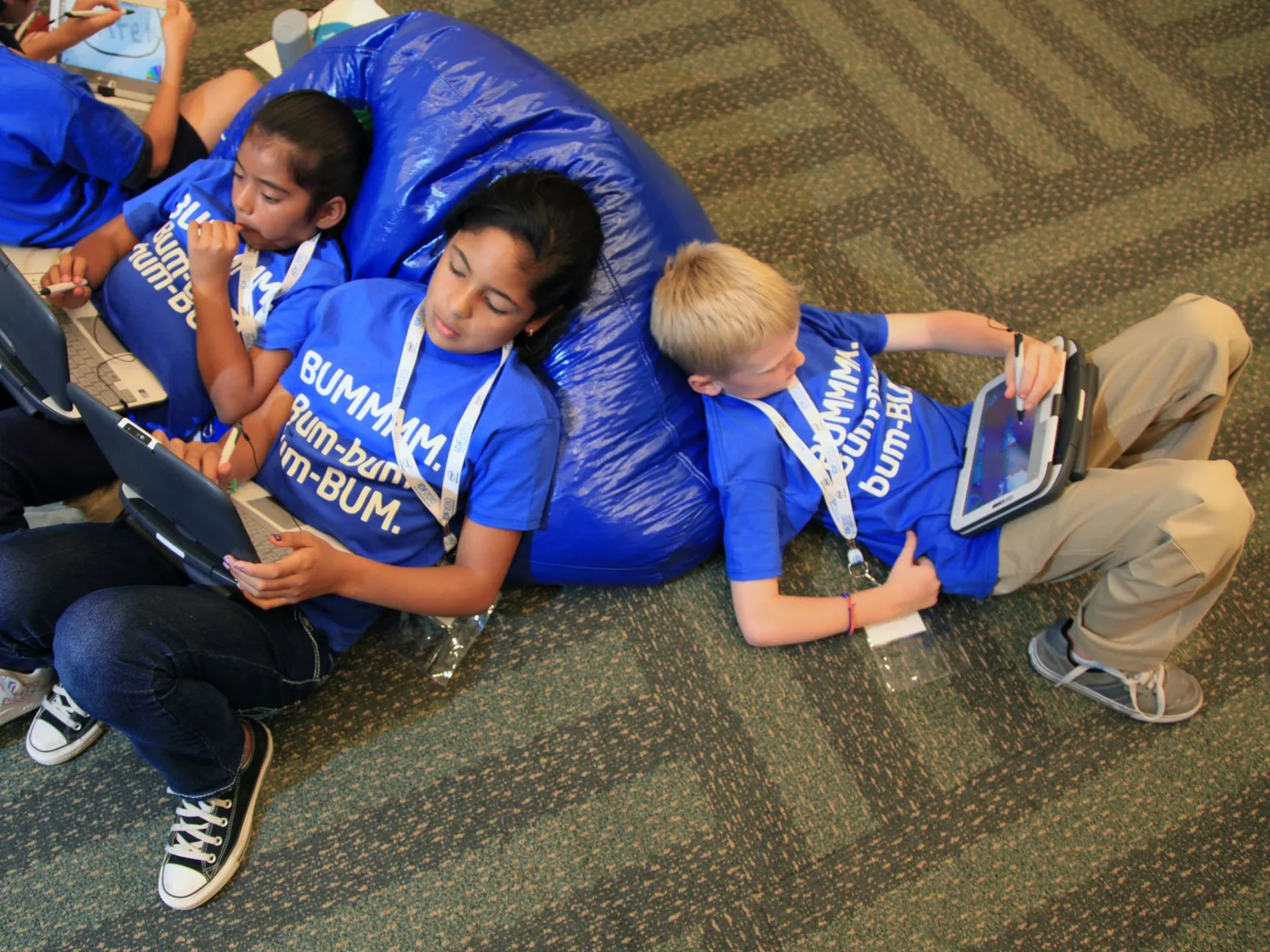
Wenige Erziehungsfragen sorgen in ägyptischen Haushalten für so viel täglichen Zündstoff wie der Bildschirm: das Handy, das ein Kleinkind bei der Familienfeier ruhigstellt, das Tablet, das Vater oder Mutter eine Stunde Ruhe verschafft, der Fernseher, der den ganzen Abend läuft. Zwischen Stimmen, die Bildschirme zur Katastrophe erklären, und anderen, die jede Sorge belächeln, haben Eltern Besseres verdient als Parolen. Die großen kinderärztlichen Fachgesellschaften der Welt – darunter die Weltgesundheitsorganisation und die US-Kinderärztevereinigung American Academy of Pediatrics – haben die Evidenz ausgewertet und praxisnahe Empfehlungen vorgelegt: Sie fallen ruhiger und nützlicher aus, als der Lärm vermuten lässt.
Für Säuglinge und Kinder unter etwa zwei Jahren ist die Empfehlung am eindeutigsten: Bildschirmmedien nahezu vollständig meiden, mit einer einzigen, herzlichen Ausnahme – Live-Videoanrufen mit Großeltern und Verwandten. Der Grund ist nicht ein geheimnisvoller Schaden, den Bildschirme aussenden, sondern die Tatsache, dass ein Säugling Sprache und Denken an lebendigen menschlichen Gesichtern, an Stimmen und am wechselseitigen Austausch lernt; Laborstudien zeigen immer wieder, dass er aus Videos so gut wie nichts mitnimmt. Jede Stunde vor einem Bildschirm ist in diesem Alter eine Stunde, die jener Interaktion fehlt, die das Gehirn tatsächlich aufbaut.
Für Kinder zwischen zwei und fünf Jahren liegt die am häufigsten genannte Obergrenze bei etwa einer Stunde täglich – und die Weltgesundheitsorganisation fügt unmissverständlich hinzu: weniger ist besser. Die Art des Inhalts wiegt dabei ebenso schwer wie die Menge: ruhig erzählte, sorgfältig gemachte Lernsendungen, gemeinsam mit einem Erwachsenen geschaut, der über das Gezeigte spricht, sind etwas völlig anderes als ein endloser Strom algorithmisch zugespielter Clips. In diesem Alter verwandelt ein Vater oder eine Mutter, die neben dem Kind sitzen, benennen, fragen und lachen, passives Zuschauen in etwas, das dem gemeinsamen Lesen nahekommt.
Bei Schulkindern und Jugendlichen bestehen die kinderärztlichen Fachgesellschaften längst nicht mehr auf einer magischen Minutenzahl; sie empfehlen stattdessen feste Familienregeln, die sich an Prioritäten ausrichten: ausreichend Schlaf für das jeweilige Alter, mindestens eine Stunde Bewegung am Tag, Zeit für Hausaufgaben, Mahlzeiten und Familienleben von Angesicht zu Angesicht – und der Bildschirm bekommt, was übrig bleibt. Die American Academy of Pediatrics ermutigt Familien, einen ausdrücklichen „Familien-Medienplan“ aufzuschreiben, damit die Regeln vorab vereinbart und nicht in allabendlichen Gefechten neu verhandelt werden.
Die stärkste und beständigste Evidenz betrifft den Schlaf. Bildschirme am Abend verschieben die Schlafenszeit nach hinten, ihr Licht bremst das Melatonin, jenes Hormon, das dem Körper den Schlaf ankündigt, und die Aufregung von Spielen und Videos besorgt den Rest. Die praktischen Regeln sind einfach und in den meisten Leitlinien nicht verhandelbar: kein Fernseher und kein Handy im Kinderzimmer, alle Bildschirme etwa eine Stunde vor dem Zubettgehen aus, und die Geräte laden nachts außerhalb des Zimmers. Ein Kind, das gut schläft, gewinnt durch diese eine Gewohnheit mehr als durch viele andere Maßnahmen zusammen.
Was ein Kind sieht, ist ebenso wichtig wie die Dauer, die es davor verbringt. Hektische, schnell geschnittene Inhalte trainieren die Aufmerksamkeit darauf, ständig Neues zu erwarten; gewalthaltige Inhalte werden in einer großen Zahl von Untersuchungen mit Aggressivität in Verbindung gebracht, und Empfehlungsalgorithmen sind darauf ausgelegt, die Sehdauer zu verlängern, nicht die Entwicklung des Kindes zu fördern. Gezielt einzelne Sendungen auszuwählen statt offener Autoplay-Schleifen, Kinderprofile und Kindersicherungen als unvollkommene Hilfen zu nutzen und vor allem neben dem Kind zu sitzen und über das Gesehene zu sprechen – all das verschiebt das Gewicht vom Interesse der Plattform zum Interesse der Familie.
Ein stiller Übeltäter verdient besondere Aufmerksamkeit: der Fernseher, der den ganzen Tag im Hintergrund läuft. Studien haben gezeigt, dass Hintergrundfernsehen Menge und Qualität der Gespräche zwischen Eltern und Kind verringert und das Spiel der Kleinen unterbricht – gerade jene beiden Tätigkeiten, durch die ein Kind vor allem lernt. Das Gegenmittel kostet nichts: Schalten Sie das Gerät aus, wenn niemand wirklich hinsieht, und halten Sie die Mahlzeiten für alle bildschirmfrei. Ein stilles Zimmer, in dem ein Erwachsener mit einem Kind plaudert, ist ein reicheres Klassenzimmer, als es aussieht.
Fachleute fassen die Frage zunehmend unter dem Begriff der „Verdrängung“: Der Schaden der Bildschirme liegt vor allem in dem, was sie ersetzen. Kindheit braucht freies Spiel, Bewegung, eine Langeweile, die Fantasie hervorbringt, Bücher aus Papier und vor allem Gespräch – jenen Austausch zwischen einem Kind, das spricht, und einem Erwachsenen, der antwortet, den die Sprachwissenschaft als Motor des Wortschatzwachstums ansieht. Eine Familie, die das sicherstellt, muss wegen eines vernünftigen Maßes an Bildschirmzeit nicht in Panik geraten; einer Familie, der es fehlt, ersetzt es auch die beste Lern-App nicht.
Auch die Gewohnheiten der Eltern selbst gehören zum Rezept. Kinder ahmen nach, was sie sehen, und ein Vater, der beim Abendessen in sein Handy versunken ist, lehrt eindringlicher als jede laut verkündete Regel. Kinderärztliche Empfehlungen warnen zudem davor, den Bildschirm zum automatischen Mittel gegen jeden Wutanfall zu machen: Ein Kind muss üben, Langeweile und Frustration auszuhalten, und ein Gerät, das jeden unangenehmen Moment auslöscht, löscht diese Übung gleich mit. Gelegentlicher Gebrauch auf einer langen Reise gehört zum Leben; der mechanische Griff zum Gerät in jedem stillen Augenblick ist eine Gewohnheit, die es zu brechen lohnt – und die Erwachsenen sollten damit anfangen.
Der gangbare Weg für eine Familie ist weder Verbot noch Kapitulation, sondern eine klare Abmachung: bildschirmfreie Zonen wie Schlafzimmer und Esstisch, bildschirmfreie Zeiten wie die Stunde vor dem Schlafengehen, Inhalte, die ausgewählt werden, statt Inhalte, in die man hineingerät, und reizvolle Alternativen in Reichweite – ein Ball, Buntstifte, eine Aufgabe in der Küche, eine Geschichte. Schrittweise Veränderung gelingt geschmeidiger als ein plötzliches Verbot, und Videoanrufe mit weit entfernten Verwandten bleiben in jedem Alter willkommen. Der Bildschirm ist ein Werkzeug im Haus; und es ist die Familie, nicht der Algorithmus, die seine Bedingungen bestimmt.
Verwandte Artikel

Vor dem Katb el-Kitab: Das ärztliche Attest, das das Gesetz verlangt, was es zeigt und warum es keine Ehe verhindert
Eine Pflichtuntersuchung vor der Beurkundung des Ehevertrags, dem Katb el-Kitab, endet in einem Attest mit QR-Code, das der Ma'zun oder die kirchliche Stelle verlangt. Was deckt sie auf, was kostet sie, wo wird sie gemacht, und warum ist sie gerade in Ägypten so wichtig? Vor allem: Warum kann ihr Ergebnis eine Ehe nie verhindern? Ein ruhiger Leitfaden für Verlobte, die die Frage umtreibt: „Und wenn bei mir etwas gefunden wird?“
12. September 2026 · 9 Min. Lesezeit

Zwei-Wochen-Plan: So stellen Sie den Schlafrhythmus Ihrer Kinder vor dem Schulstart am 12. September um
Vor dem Beginn des ägyptischen Schuljahres am 12. September raten Schlafmediziner, Zubettgeh- und Aufstehzeiten der Kinder ab sofort jede Nacht um 15 bis 20 Minuten vorzuverlegen – statt erst am Vorabend. Hier ist der komplette Plan samt empfohlener Schlafdauer für jedes Alter.
23. August 2026 · 6 Min. Lesezeit

Clever in den Schulstart: Ein Familienbudget-Ratgeber bis zum ersten Klingeln am 12. September
Vor dem Schuljahresbeginn am 12. September ein praktischer Leitfaden für das Schulstart-Budget: die offiziell festgelegten Gebühren, eine Bestandsaufnahme dessen, was vom Vorjahr noch taugt, klare Kaufprioritäten, realistische Spartipps – und wie sich der größte Kostenblock zähmen lässt: der private Nachhilfeunterricht.
18. August 2026 · 6 Min. Lesezeit