Diabetes in Ägypten: Eine stille Epidemie, die sich aufhalten lässt
Millionen Ägypter leben mit Diabetes – und viele wissen nicht einmal, dass sie erkrankt sind. Dieser Ratgeber erklärt die Risikofaktoren und frühen Warnzeichen und zeigt, wie Sie sich und Ihre Familie mit einfachen, wissenschaftlich erprobten Schritten schützen.
Schätzungen der Internationalen Diabetes-Föderation zählen Ägypten seit Jahren zu den zehn Ländern der Welt mit den meisten erwachsenen Diabetikern: Millionen Ägypterinnen und Ägypter leben mit der Krankheit, und Berechnungen zufolge ist nahezu jeder fünfte Erwachsene betroffen oder steht kurz davor. Diese Zahlen machen Diabetes zu einer der größten Herausforderungen für das öffentliche Gesundheitswesen des Landes – und zugleich ist er eine der chronischen Krankheiten, die sich am besten verhindern und beherrschen lassen.
Diabetes ist, einfach gesagt, ein dauerhaft erhöhter Blutzuckerspiegel infolge einer Störung des Insulins, jenes Hormons, das die Bauchspeicheldrüse bildet. Typ 1 tritt meist im Kindes- oder Jugendalter auf, wenn der Körper die Insulinproduktion einstellt; die Betroffenen sind ihr Leben lang auf Insulinspritzen angewiesen. Typ 2, die mit weitem Abstand häufigere Form, entsteht, wenn die Körperzellen immer schwächer auf Insulin ansprechen; sie hängt eng mit Lebensstil, Körpergewicht und erblicher Veranlagung zusammen.
Warum breitet sich die Krankheit in Ägypten derart aus? Mehrere Faktoren wirken zusammen: Adipositasraten unter Erwachsenen, die nationale Gesundheitserhebungen zu den höchsten der Region zählen; eine allmähliche Verschiebung der Ernährung hin zu raffinierten Stärkeprodukten, gezuckerten Getränken und Fertiggerichten; zu wenig Bewegung in einem städtischen Alltag, der stundenlanges Sitzen verlangt; und eine genetische Veranlagung, die die Krankheitsgeschichte der Familie zu einem wesentlichen Risikofaktor macht.
Besonders heikel ist, dass sich Typ-2-Diabetes jahrelang unbemerkt einschleichen kann. Internationale Studien zeigen, dass ein großer Teil der Erkrankten nichts von der Krankheit ahnt und sie erst zufällig bei einer Routineuntersuchung oder beim Auftreten der ersten Komplikationen entdeckt. In diesen stillen Jahren schädigt der erhöhte Zucker im Verborgenen Blutgefäße und Nerven.
Es gibt frühe Warnzeichen, die Beachtung verdienen: starker, immer wiederkehrender Durst, häufiges Wasserlassen vor allem nachts, anhaltende Müdigkeit ohne erkennbaren Grund, verschwommenes Sehen, schlecht heilende Wunden, ungewollter Gewichtsverlust und Kribbeln in Händen und Füßen. Treten eines oder mehrere dieser Zeichen auf, bedeutet das nicht zwangsläufig eine Erkrankung – Grund genug ist es aber für einen einfachen Test, der nur wenige Minuten dauert.
Wird Diabetes vernachlässigt oder schlecht eingestellt, öffnet das schweren Folgeerkrankungen Tür und Tor: einer Netzhauterkrankung, die bis zur Erblindung führen kann, Nierenversagen, Herz- und Gefäßkrankheiten, Schädigungen der peripheren Nerven sowie Fußgeschwüren, die im späten Stadium eine Amputation nach sich ziehen können. Die gute Nachricht: Wer die Behandlung konsequent einhält und regelmäßig zur Kontrolle geht, senkt diese Risiken ganz erheblich.
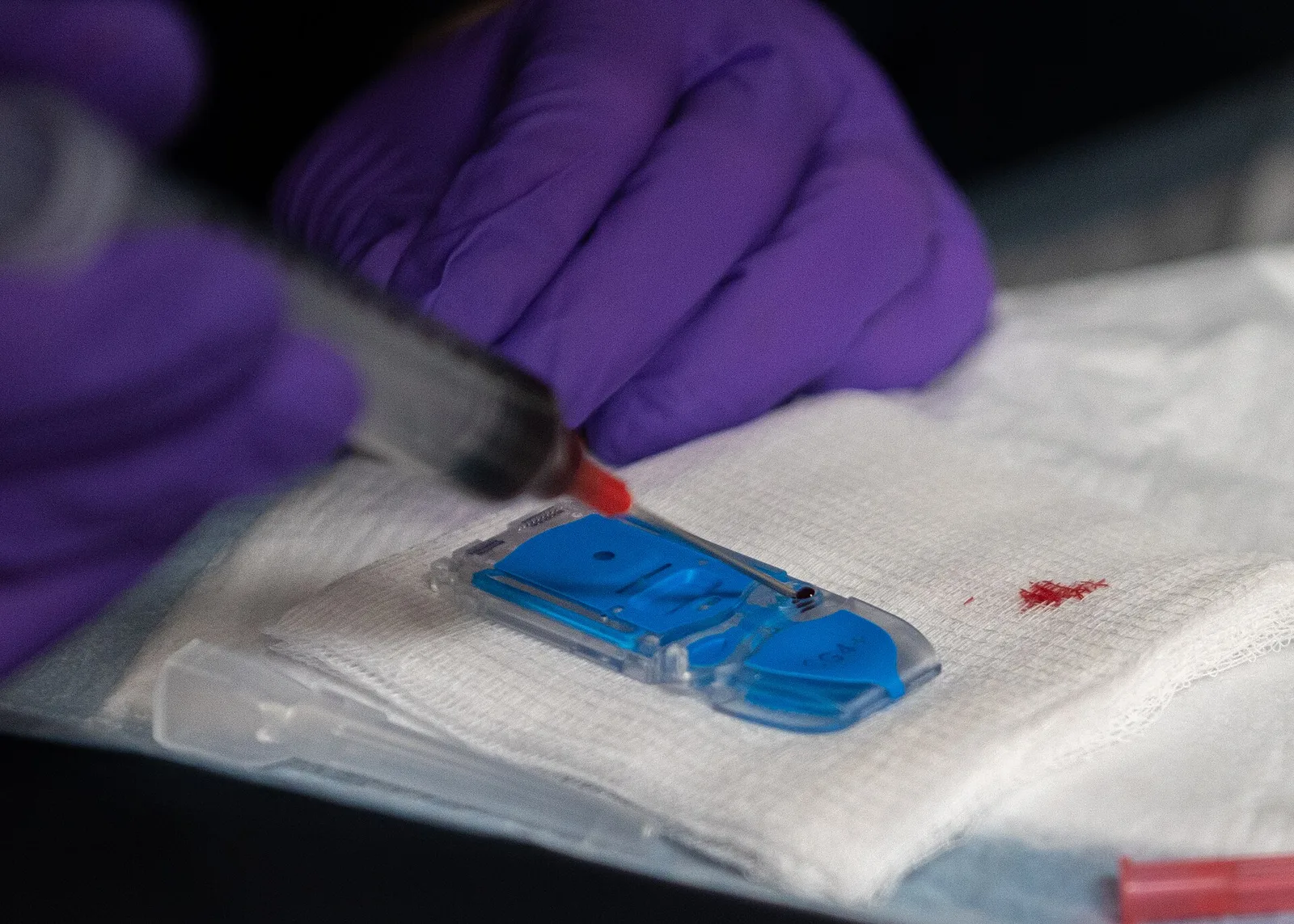
Die Früherkennung ist die erste Verteidigungslinie, und die Untersuchung ist einfach und leicht zugänglich: ein Nüchternblutzuckertest oder der Langzeitwert HbA1c, der den durchschnittlichen Blutzucker der vergangenen rund drei Monate abbildet. Ärzte raten allen über vierzig zu regelmäßigen Kontrollen, jüngeren Menschen dann, wenn sie Übergewicht haben, wenn die Krankheit in der Familie vorkommt oder wenn eine Frau an Schwangerschaftsdiabetes erkrankt war. Die ägyptische Initiative „100 Millionen Gesundheit“ nahm den Diabetestest in ihre großangelegten Reihenuntersuchungen auf und deckte damit viele Fälle auf, von denen die Betroffenen nichts wussten.
Die Vorbeugung wiederum beruht auf wissenschaftlich gesicherten und praktisch einfachen Regeln. Große Studien haben gezeigt, dass schon eine Gewichtsabnahme von fünf bis sieben Prozent das Risiko, dass aus einem Vorstadium ein echter Diabetes wird, um mehr als die Hälfte senkt. Dazu kommen moderate Bewegung wie ein halbstündiger zügiger Spaziergang an den meisten Tagen der Woche, weniger gezuckerte Getränke und Süßigkeiten sowie der Vorzug für Vollkorn, Gemüse und Hülsenfrüchte, an denen die traditionelle ägyptische Küche reich ist.
Wer die Diagnose bereits erhalten hat, kann ein langes und normales Leben führen – vorausgesetzt, die Behandlung wird konsequent eingehalten: Nehmen Sie Ihre Medikamente pünktlich ein und setzen Sie sie nie eigenmächtig ab, lassen Sie den HbA1c-Wert regelmäßig bestimmen, gehen Sie jährlich zur Augen- und Nierenuntersuchung und kontrollieren Sie Ihre Füße täglich auf noch so kleine Verletzungen. Wenn Sie im Ramadan fasten möchten, sprechen Sie vor Beginn des Monats mit Ihrem Arzt, um Dosierung und Einnahmezeiten anzupassen: Manche Patienten können gefahrlos fasten, anderen wird davon abgeraten.
Besondere Aufmerksamkeit verdient, was Ärzte „Prädiabetes“ nennen: jenes Stadium, in dem der Blutzucker über dem Normalwert liegt, die Schwelle zur Diagnose aber noch nicht erreicht ist. Das ist kein endgültiges Urteil, sondern eine goldene Gelegenheit, denn mit einer Umstellung von Ernährung, Bewegung und Gewicht lässt sich der Blutzucker in vielen Fällen wieder normalisieren und die Krankheit ganz vermeiden.
Am Ende ist Diabetes eine Sache der ganzen Familie und nicht des Einzelnen. Wenn der gesamte Haushalt bessere Gewohnheiten übernimmt – ein Tisch mit mehr Gemüse und Hülsenfrüchten und weniger Zucker, gemeinsame Spaziergänge statt sitzend verbrachter Abende, Wasser statt Limonade –, sinkt das Risiko für alle, und die Kinder wachsen mit einem Lebensstil auf, der ihnen die Krankheit vielleicht für immer erspart. Eine frühe Untersuchung dauert nur Minuten, kann dem Leben aber Jahre hinzufügen.
Verwandte Artikel
Pink October: kostenlose Untersuchung – warum Früherkennung das Schicksal ägyptischer Frauen verändert
„Mir tut nichts weh“ ist kein Grund zum Aufschieben. Seit Juli 2019 stehen Ägyptens Gesundheitsstationen jeder Frau ab 18 Jahren kostenlos offen, und bis Juni 2026 sank der Anteil der erst im Spätstadium entdeckten Fälle von 60 auf 19,5 Prozent. Wir erklären, was in der Station geschieht, welche Anzeichen einen Besuch erfordern und warum Angst diese wichtige Untersuchung verzögert.
2. Oktober 2026 · 7 Min. Lesezeit
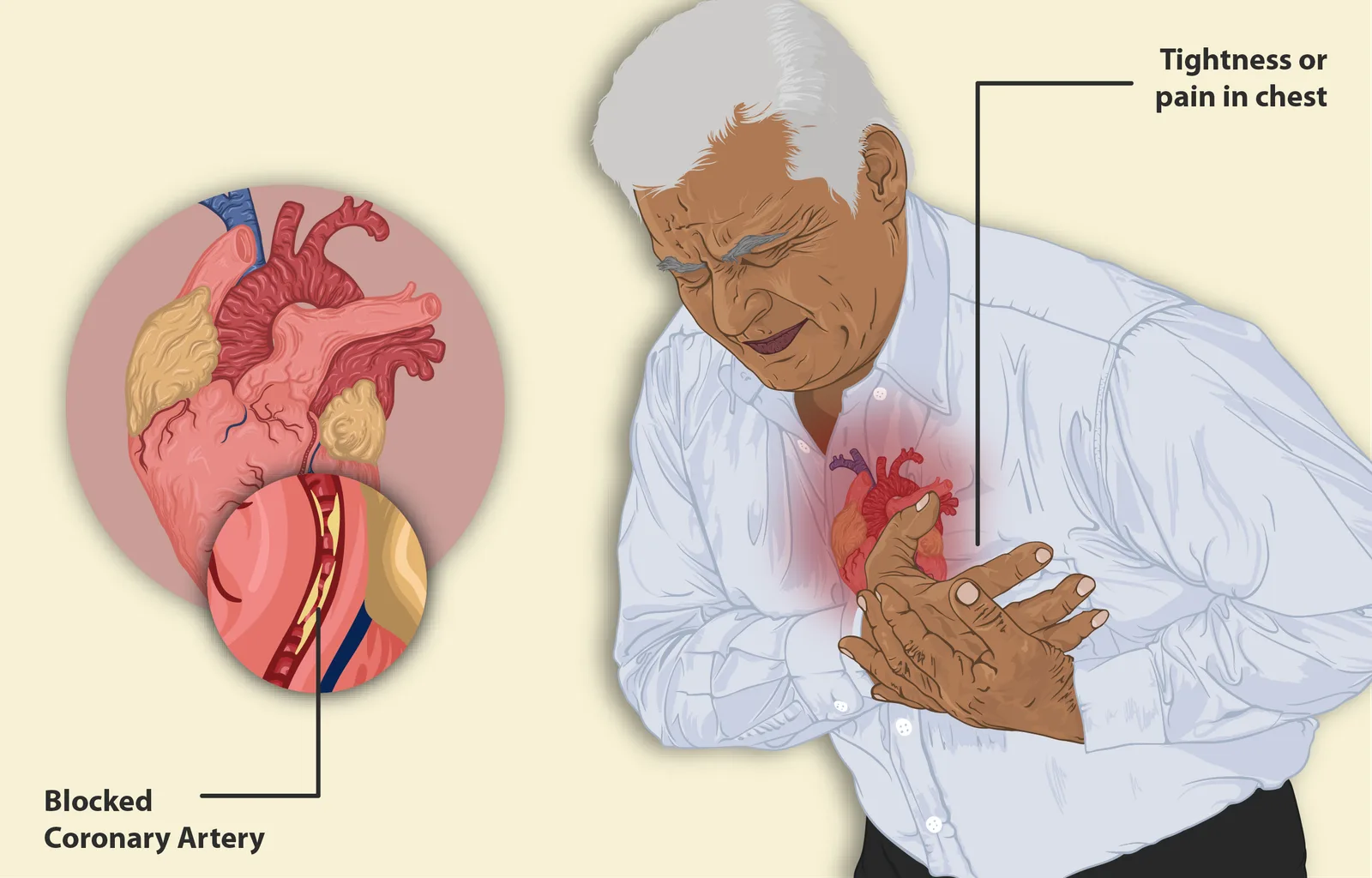
Zum Weltherztag: Angina pectoris und Herzinfarkt rechtzeitig erkennen und richtig reagieren
Ein Mann um die fünfzig hält den Druck in seiner Brust für „Sodbrennen“ nach einem üppigen Abendessen und verschiebt das Krankenhaus auf den Morgen. Zum Weltherztag erklären wir den Unterschied zwischen Angina pectoris, Herzinfarkt, Herzstillstand und Schlaganfall, die Warnzeichen der WHO, auch bei Frauen, und was in den ersten Minuten zu tun ist: die kostenlose 123 anrufen, sich hinsetzen und nicht selbst fahren.
29. September 2026 · 7 Min. Lesezeit
Psychische Gesundheit ist kein Luxus: Wann Traurigkeit zur Krankheit wird – und wo es Hilfe ohne Stigma gibt
Zwischen „Reiß dich zusammen“ und „Dir fehlt der Glaube“ verkümmern Menschen mit Depression und Angststörung im Stillen. Ein praktischer Leitfaden unterscheidet vorübergehende Traurigkeit von der behandlungsbedürftigen Krankheit, erklärt den Unterschied zwischen Psychiater und Psychologe und zeigt den Weg zur Hilfe in Ägypten – in Worten, die Türen öffnen, statt sie zuzuschlagen.
31. August 2026 · 7 Min. Lesezeit