Sieben Titel an der Spitze: Ägyptens Rekordgeschichte beim Afrika-Cup
Von der ersten Ausgabe 1957 in Khartum bis zum historischen Titel-Hattrick zwischen 2006 und 2010: Ägypten hat das Rekordbuch des Afrika-Cups mit pharaonischen Lettern beschrieben – sieben Titel, die keine andere Nationalmannschaft erreicht. Dies ist die Geschichte der ältesten Bindung zwischen einer Nation und der Meisterschaft ihres Kontinents.
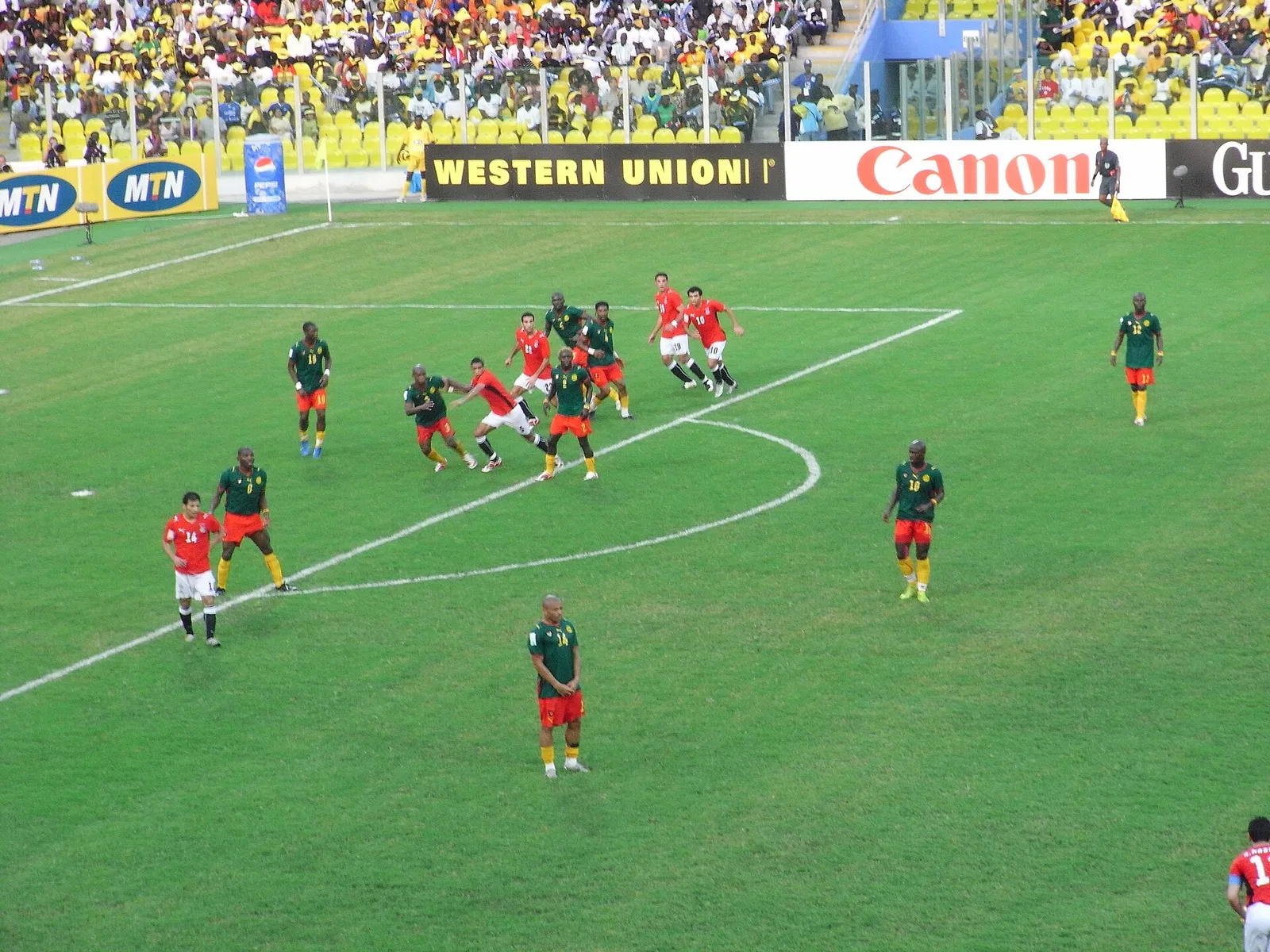
Wann immer die Geschichte des Afrika-Cups erzählt wird, fällt der Name Ägypten zuerst. Die ägyptische Nationalmannschaft ist mit sieben Titeln die erfolgreichste in der Geschichte des Turniers – ein Rekord, dem sich bislang niemand auch nur genähert hat. Und die Pharaonen stehen seit der allerersten Zeile in der Erzählung dieses Wettbewerbs: Sie spielten bei der Auftaktausgabe mit und holten deren ersten Pokal.
Alles begann 1957 in Khartum, als die erste Ausgabe mit nur drei Mannschaften ausgetragen wurde: Ägypten, Sudan und Äthiopien. Ägypten setzte sich im Halbfinale gegen den Sudan durch und fegte anschließend im Endspiel mit 4:0 über Äthiopien hinweg – alle vier Tore erzielte ein einziger Spieler, Mohamed Diab El-Attar, bekannt als „El-Diba“. So ging Ägypten als erster Afrikameister in die Geschichte ein und El-Diba als Schütze sämtlicher Tore des ersten kontinentalen Endspiels.
Nur zwei Jahre später richtete Kairo 1959 die zweite Ausgabe aus, und die Mannschaft – die damals unter dem Namen Vereinigte Arabische Republik antrat – verteidigte den Titel im eigenen Land. Damit war klar, dass der erste Triumph kein Zufallsprodukt eines kleinen Teilnehmerfeldes war, sondern der Beginn einer besonderen Beziehung zwischen Ägypten und dem Kontinentalpokal.
Es folgten Jahrzehnte des Wartens mit wechselhaften Turnieren, ehe der Titel in einer unvergesslichen Kairoer Nacht des Jahres 1986 zurückkehrte: Ägypten war Gastgeber, erreichte das Finale gegen Kamerun und sicherte sich die dritte Krone im Elfmeterschießen, vor bis auf den letzten Platz gefüllten Rängen. Eine neue Generation von Ägyptern versöhnte sich so mit dem Traum vom afrikanischen Gipfel.
1998 in Burkina Faso fügten die Pharaonen unter Trainer Mahmoud El-Gohary den vierten Titel hinzu. El-Gohary steht für eine in den Annalen des Turniers einzigartige Geschichte: Er gewann den Pokal 1959 als Spieler und rund vier Jahrzehnte später erneut als Trainer – eine seltene Doppelrolle, die die Tiefe der ägyptischen Verbindung zu diesem Wettbewerb auf den Punkt bringt.
Das goldenste Kapitel dieser Erzählung aber wurde zwischen 2006 und 2010 geschrieben. Unter Cheftrainer Hassan Shehata gelang Ägypten, was zuvor keiner Mannschaft in der Geschichte des Turniers gelungen war: drei Titel in Folge. Die Serie begann 2006 im eigenen Land mit einem Sieg im Elfmeterschießen gegen die Elfenbeinküste, setzte sich 2008 in Ghana mit einem 1:0 gegen Kamerun fort und wurde 2010 in Angola vollendet – wieder mit einem einzigen Tor, diesmal gegen Ghana.
Getragen wurde diese Ära von einer außergewöhnlichen Generation: Mohamed Aboutrika, Torschütze im Endspiel 2008 und Mann der entscheidenden Momente auf den großen Bühnen; Kapitän Ahmed Hassan, der zu einem der Spieler mit den meisten Länderspielen weltweit wurde; Wael Gomaa, der Fels in der Abwehr; und Torhüter Essam El-Hadary, der den Pokal zwischen 1998 und 2010 viermal in die Höhe stemmte, auch jenseits der vierzig noch für die Nationalmannschaft spielte und Rekorde an sportlicher Langlebigkeit aufstellte – gekrönt von seinem Einsatz bei der Weltmeisterschaft 2018, als Torhüter Mitte vierzig.
Nach dem Abschluss des Titel-Hattricks 2010 erhielt Ägypten als Auszeichnung für diese beispiellose Leistung das Recht, ein Exemplar des Pokals dauerhaft zu behalten – eine kontinentale Tradition, die jenen Mannschaften vorbehalten ist, die vollständige Dominanz erreichen. Seither steht der Pokal in den Vitrinen des ägyptischen Fußballs als materieller Zeuge einer Ära, die sich so schnell nicht wiederholen wird.
Auch die folgenden Jahre kannten ihre Enttäuschungen, die dem Ziel nahekamen und es doch verfehlten: der zweite Platz 2017 nach einem verlorenen Endspiel gegen Kamerun, die Ausrichtung der erweiterten Ausgabe 2019 im eigenen Land und schließlich das Finale 2021, in dem die Pharaonen im Elfmeterschießen am Senegal scheiterten – eine der bittersten Nächte für die Generation von Mohamed Salah, der gemeinsam mit seinen Mitspielern noch immer dem ausstehenden achten Titel nachjagt.
Im ägyptischen Empfinden ist der Afrika-Cup weit mehr als ein Fußballturnier. Er ist der Anlass, bei dem sich Cafés in Tribünen verwandeln, die Straßen sich mit Fahnen schmücken und Ägypterinnen und Ägypter jeder Couleur sich um einen einzigen Bildschirm versammeln. Sieben Titel erzählen ein Jahrhundert ägyptischen Fußballs, von El-Dibas vier Toren in Khartum bis zur Generation Salah – und der Rekord bleibt der Maßstab, an dem sich alle Nationalmannschaften des Kontinents messen lassen müssen, während der Traum vom achten Titel aufgeschoben, aber nicht aufgehoben ist.
Verwandte Artikel
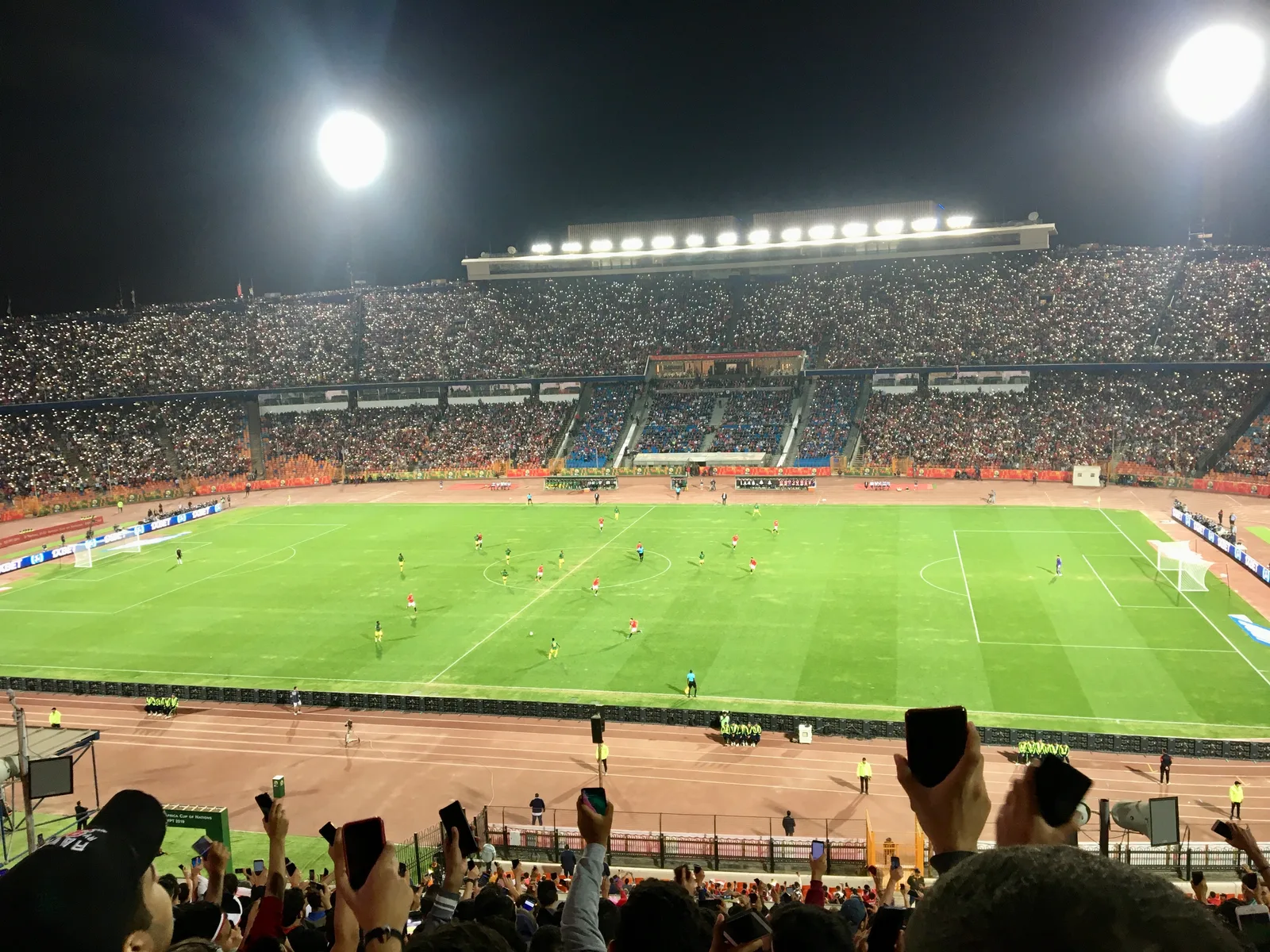
Mehr als ein Spiel: Ein Jahrhundert des „Gipfels“ zwischen Al Ahly und Zamalek, wie ihn Ägyptens Familien erleben
Von der ersten Begegnung 1917 bis zum afrikanischen Finale 2020 war Al Ahly gegen Zamalek nie nur neunzig Minuten. Es ist ein Termin, der ein und dasselbe Wohnzimmer in Rot und Weiß teilt – und es danach wieder zusammenführt. Ein ruhiger Blick auf die Gründung beider Vereine, ihre Rekorde und die Rituale des Derbytags in ägyptischen Häusern.
25. September 2026 · 6 Min. Lesezeit

„Krokodil des Nils“: Abdel Latif Abou Heif, der Alexandriner und Schwimmer des Jahrhunderts
Im Sommer 1963 schwamm ein schwergewichtiger Mann aus Alexandria sechzig Meilen durch das kalte Wasser des Michigansees, fast fünfunddreißig Stunden lang, während die Amerikaner ihn von Booten aus verfolgten. Dies ist die Geschichte von Abdel Latif Abou Heif, dreimaliger Weltmeister und „Marathonschwimmer des Jahrhunderts“ nach dem Urteil der Swimming Hall of Fame – ein Mann, dessen Straßennamen viele kennen, ohne seine Geschichte zu kennen.
18. September 2026 · 8 Min. Lesezeit
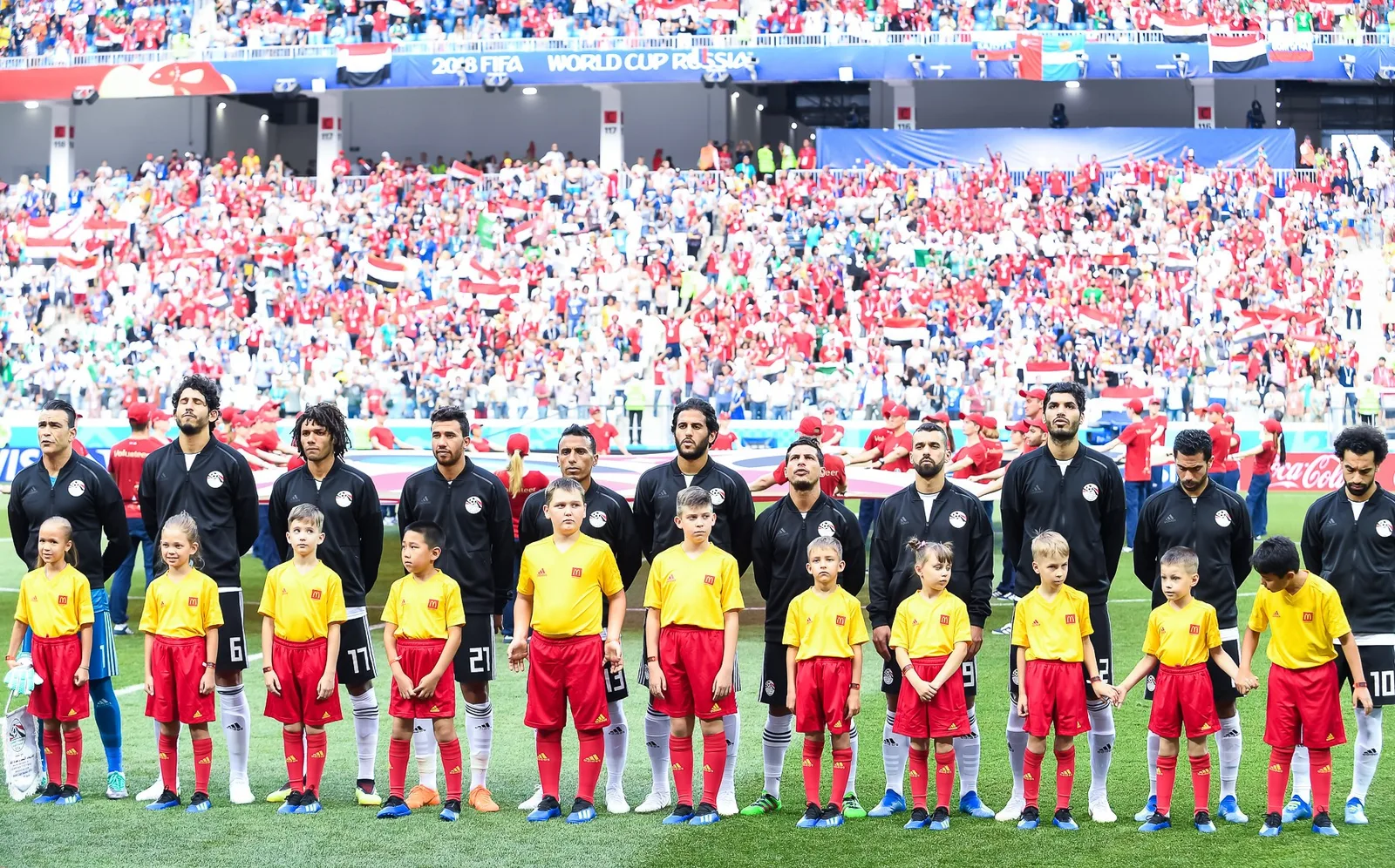
Vom Dampfer Helwan bis ins Achtelfinale: neunzig Jahre Ägypten bei der Weltmeisterschaft
Nur vier Teilnahmen in neun Jahrzehnten: eine Schiffsreise nach Neapel 1934, der italienische Sommer 1990, die Enttäuschung von Russland 2018 und der Sommer 2026, in dem Ägypten zum ersten Mal in seiner Geschichte die Gruppenphase überstand. Eine nüchterne Bilanz dessen, was sich jedes Mal verändert hat, fern der Aufregung des Augenblicks – samt einer Korrektur des Ergebnisses von 1934, das ausländische Quellen bis heute falsch wiedergeben.
9. September 2026 · 7 Min. Lesezeit