Der subventionierte Brotfladen: Wie funktioniert Ägyptens ältestes Subventionsprogramm?
Die Ägypter nennen Brot „Aisch“ – das Leben selbst. Von Bezugskarten über Weizensilos bis zu den Baladi-Backstuben: Wir erklären, wie das Subventionssystem funktioniert, von dem mehr als sechzig Millionen Ägypter leben – und warum der schlichte Fladen seit Jahrzehnten zugleich das heikelste Thema in Haushalt und Politik ist.
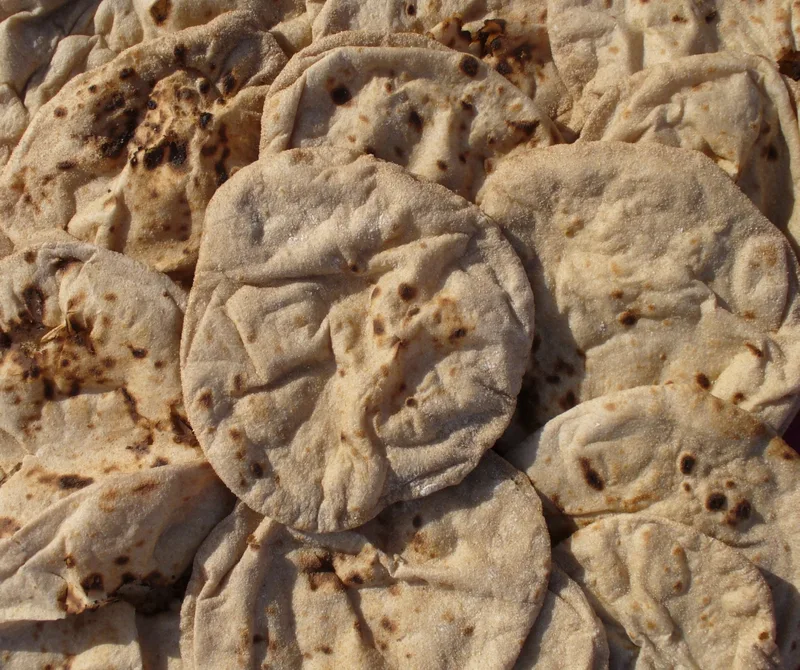
Im ägyptischen Arabisch heißt Brot nicht „chubz“ wie in den meisten arabischen Ländern, sondern „aisch“ – das Leben selbst. Das eine Wort sagt alles über den Rang des runden Baladi-Fladens im Leben der Ägypter: Für Millionen Familien ist das subventionierte Brot, das für einen symbolischen Preis zu haben ist, der Grundpfeiler der täglichen Mahlzeit und einer der heikelsten Posten im Staatshaushalt.
Die Wurzeln der Lebensmittelsubventionen in Ägypten reichen in die Zeit des Zweiten Weltkriegs zurück, als der Staat begann, die Versorgung mit Grundgütern zu steuern; in den folgenden Jahrzehnten weitete sich das System stark aus und umfasste in den 1970er-Jahren einen breiten Warenkorb. Im Januar 1977 löste der Versuch der Regierung, die Subventionen für Brot und andere Güter zu kürzen, landesweite Unruhen aus, die erst abebbten, als die Entscheidung zurückgenommen wurde – ein Vorgang, der allen späteren Regierungen das politische Gewicht des Fladenbrots vor Augen führte.
Das heutige System beruht auf Bezugskarten, den sogenannten Tamwin-Karten, die an registrierte Haushalte ausgegeben werden: Jede auf einer Karte eingetragene Person hat Anspruch auf ein tägliches Kontingent subventionierter Baladi-Fladen – fünf Stück pro Person und Tag nach der seit vielen Jahren geltenden Zuteilung –, die sie in zugelassenen Bäckereien zu einem Bruchteil der Produktionskosten kauft; die Differenz erstattet der Staat den Bäckereien.
Die Reichweite des Programms ist gewaltig: Amtliche Zahlen beziffern die Begünstigten seit Jahren auf mehr als sechzig Millionen Menschen, also etwa sechs von zehn Ägyptern, und Zehntausende Bäckereien im ganzen Land nehmen daran teil. Das macht es zu einer der größten Nahrungsmittelsubventionen der Welt.
Der Preis des subventionierten Fladens blieb seit den späten 1980er-Jahren bei fünf Piastern eingefroren, ungeachtet aller Veränderungen beim Wert des Pfunds und bei den Produktionskosten, bis ihn die Regierung 2024 auf zwanzig Piaster anhob – die erste Erhöhung seit rund fünfunddreißig Jahren, verbunden mit dem Hinweis, das Brot liege weiterhin weit unter seinen tatsächlichen Kosten. Diese Differenz, die sich jährlich auf Dutzende Milliarden Pfund beläuft, trägt die Staatskasse.
Hinter jedem Fladen steht eine Lieferkette, die weit außerhalb Ägyptens beginnt: Das Land gehört zu den größten Weizenimporteuren der Welt, denn die heimische Ernte deckt nur einen Teil des nationalen Bedarfs. Der Staat kauft Weizen über internationale Ausschreibungen sowie bei ägyptischen Landwirten zu Abnahmepreisen, die für jede Saison bekannt gegeben werden, lagert ihn in einem Netz von Silos, das in den vergangenen Jahren deutlich erweitert wurde, und lässt ihn zu jenem hoch ausgemahlenen Mehl verarbeiten, aus dem das Baladi-Brot gebacken wird.
Mitte des vergangenen Jahrzehnts kam eine grundlegende Reform: Chipkarten ersetzten die Papierdokumente, und die Bäckereien wurden fortan elektronisch für die tatsächlich ausgegebenen Fladen bezahlt statt für das erhaltene Mehl, was Schwund und Verschwendung spürbar verringerte. Ein Punktesystem erlaubt es den Familien zudem, den nicht verbrauchten Teil ihrer Brotration in den staatlichen Verkaufsstellen gegen andere Lebensmittel einzutauschen.
Die Abhängigkeit des Systems von den Weltmärkten bleibt jedoch eine dauerhafte Schwachstelle: Sprünge der internationalen Weizenpreise – am heftigsten nach dem Krieg in der Ukraine und der Störung der Ausfuhren über das Schwarze Meer – treiben die Importrechnung in die Höhe, und Wechselkursbewegungen verstärken den Druck zusätzlich. Deshalb gelten Lagerkapazitäten, die Diversifizierung der Bezugsquellen und höhere Einkäufe im Inland als Fragen der nationalen Sicherheit im vollen Wortsinn.
Über die Zukunft der Subvention streiten Ökonomen seit Langem: Das eine Lager fordert eine genauere Zielsteuerung, damit die Hilfe die Bedürftigsten erreicht und der Haushalt entlastet wird; das andere warnt vor den administrativen Schwierigkeiten einer solchen Auswahl und sieht im allgemeinen Zugang zu Brot ein unbezahlbares soziales Sicherheitsventil. Von Zeit zu Zeit tauchen Vorschläge auf, die Sachsubvention durch direkte Geldtransfers zu ersetzen – entschieden ist bislang nichts.
Brot besitzt in Ägypten überdies ein kulturelles Gewicht, das älter ist als jedes Ministerium: Die Ägypter backen seit Jahrtausenden runde Fladen, Szenen in antiken Grabkammern zeigen Backöfen und ihre Arbeiter, und der heute gegessene Baladi-Fladen ist ein unmittelbarer Nachfahre dieser Tradition, die von der Pharaonenzeit bis auf die Tische der Gegenwart reicht.
Welche Gestalt die kommende Reform auch annimmt – die Grundkonstanten werden sich so bald nicht ändern: eine wachsende Bevölkerung, ein Fladen, auf dem die Ernährung der Mehrheit ruht, und eine staatliche Verpflichtung, die die Erfahrung der Geschichte fest verankert hat. Wer versteht, wie das Brotsystem funktioniert, versteht einen großen Teil davon, wie die ägyptische Wirtschaft selbst funktioniert.
Verwandte Artikel

August-Spitze: Ägyptens Stromnetz überschreitet erstmals 40.000 Megawatt – ohne Lastabwürfe
Während der Hitzewelle der vergangenen Woche hat Ägyptens nationales Stromnetz erstmals in seiner Geschichte die Marke von 40.000 Megawatt überschritten – ohne Rückkehr zu geplanten Stromabschaltungen. Wie die Brennstoffversorgung nach dem Drohnenangriff auf Damietta standhielt und was die neuen Tarifstufen für Ihre Stromrechnung bedeuten.
19. August 2026 · 7 Min. Lesezeit
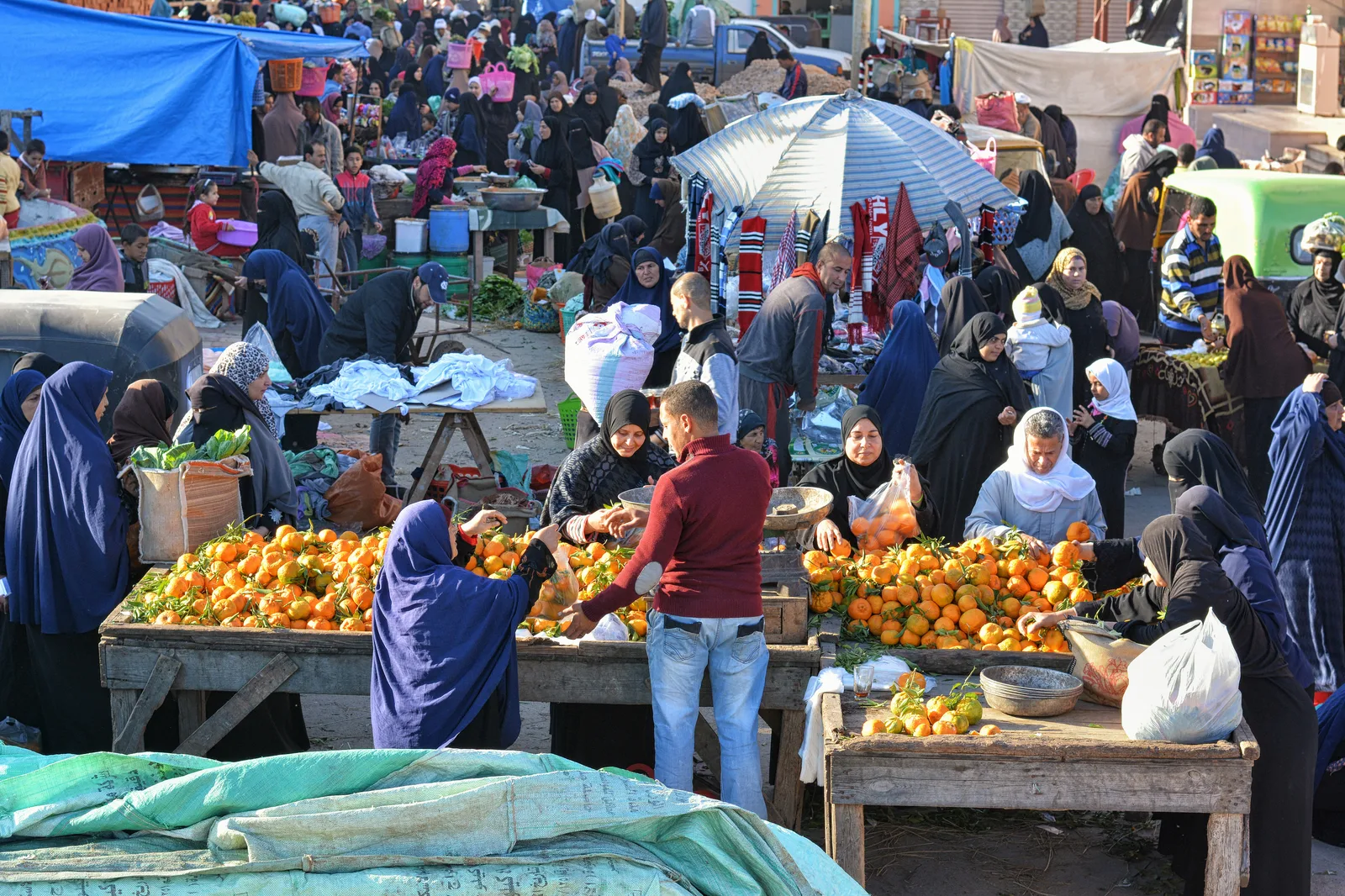
Ägyptens Wirtschaft in zwei Zahlen: 5,2 Prozent Wachstum – und eine Region am Rande der Eskalation
Die Regierung meldet 5,2 Prozent Wachstum in neun Monaten und prüft zugleich aktualisierte Notfallszenarien für eine regionale Eskalation. Bei einer Inflation von 14,9 Prozent und einem Dollarkurs von rund 50 Pfund stellt sich die Frage: Was bedeuten die beiden Zahlen für den Geldbeutel der Bürger?
18. August 2026 · 7 Min. Lesezeit
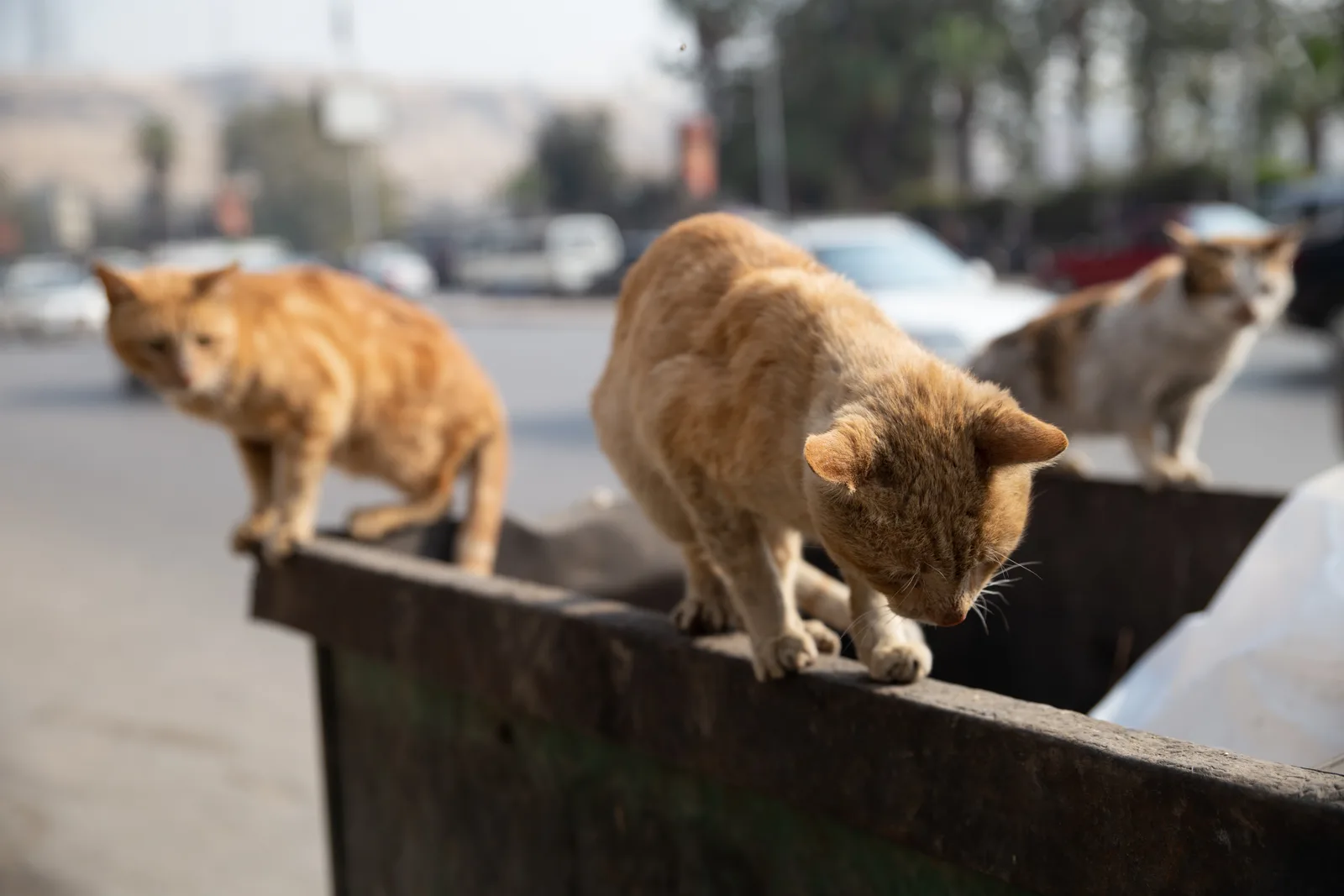
„Keda ghalat“ („Das ist falsch“): Tierquälerei ist seit 1937 eine Straftat nach dem ägyptischen Strafgesetzbuch
Ein Nachbar stellt vergiftete Näpfe neben die Schulmauer; ein Karrenbesitzer schlägt seinem Esel ins Gesicht, weil dieser eine zu schwere Last trägt. Viele glauben, „nur ein Tier“ bedeute, dass kein Gesetz es schützt. Tatsächlich stellen die Artikel 355, 356 und 357 des Strafgesetzbuchs Töten, Vergiften und Misshandeln von Tieren unter Strafe, bis hin zu Gefängnis. Am Vorabend des Welttierschutztages erklären wir, was das Gesetz sagt.
3. Oktober 2026 · 6 Min. Lesezeit