Wie Ägypten Hepatitis C besiegte: Die größte Test- und Behandlungskampagne der Welt
Ägypten hatte einst die weltweit höchste Hepatitis-C-Infektionsrate – und wurde binnen weniger Jahre zur globalen Erfolgsgeschichte der öffentlichen Gesundheit. Dies ist die Geschichte der Kampagne „100 Millionen Gesundheit“: wie kostenlose Tests und Behandlungen Millionen Ägypter erreichten, bis die Weltgesundheitsorganisation dem Land eine Vorreiterrolle bescheinigte.
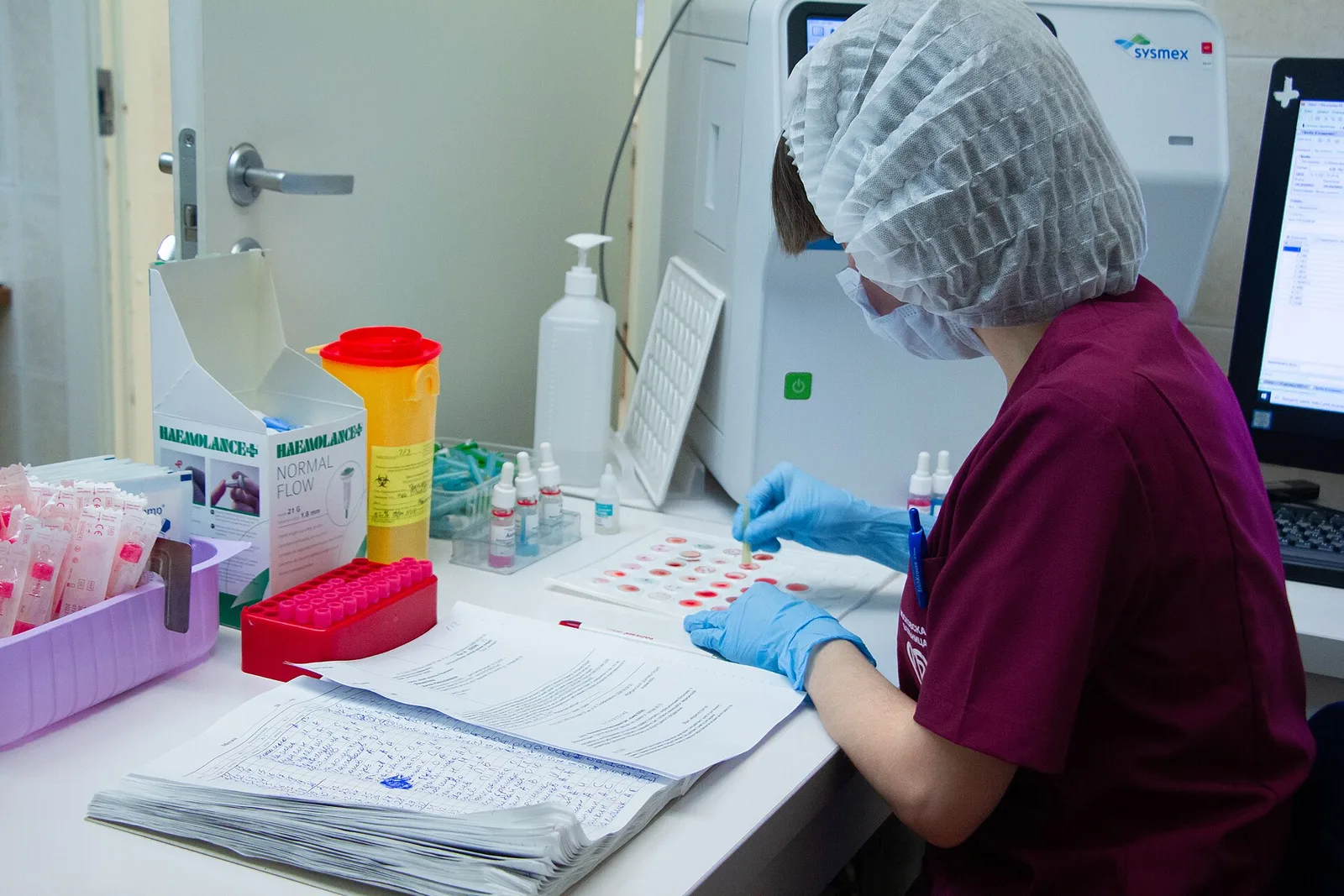
Vor gar nicht langer Zeit trug Ägypten einen wenig beneidenswerten Titel: die höchste Verbreitung des Hepatitis-C-Virus weltweit. Heute wird die ägyptische Erfahrung in den internationalen Foren der öffentlichen Gesundheit als Modell dafür gelehrt, was politischer Wille erreichen kann, wenn er auf moderne Wissenschaft und gute Organisation trifft. Es ist eine seltene Geschichte der Verwandlung: von einer drückenden nationalen Last zu einem Erfolg, den die Weltgesundheitsorganisation bezeugt.
Die Wurzeln der Tragödie reichen bis in die Mitte des 20. Jahrhunderts zurück, als der Staat groß angelegte Kampagnen gegen die Bilharziose führte, jene Wurmkrankheit, die die Bauern über Jahrhunderte ausgezehrt hatte. Die Injektionen wurden damals mit Glasspritzen verabreicht, die immer wieder neu aufgezogen und ohne ausreichende Sterilisation vielfach wiederverwendet wurden – in einer Zeit, in der das Hepatitis-C-Virus noch gar nicht entdeckt war. Und so wanderte in der Absicht, eine Krankheit zu heilen, ein anderes, stilles Virus durch Hunderttausende von Körpern und wurde über Bluttransfusionen und unsterile medizinische Instrumente jahrzehntelang weitergegeben.
Als genaue Messverfahren zur Verfügung standen, zeigte sich das Ausmaß der Katastrophe: Nationale Gesundheitserhebungen vor etwa einem Jahrzehnt wiesen darauf hin, dass rund jeder zehnte erwachsene Ägypter Antikörper gegen das Virus in sich trug, sich also irgendwann angesteckt hatte. Die chronische Infektion vernarbte die Leber langsam, bis Lebererkrankungen und ihre Folgen – Zirrhose und Leberkrebs – zu einer der wichtigsten Ursachen für Tod und Leid im Land wurden.
Über viele Jahre war die einzige verfügbare Therapie, die Interferon-Spritzen, ein Martyrium: monatelange wöchentliche Injektionen mit harten Nebenwirkungen, die einer nicht enden wollenden Grippe glichen, bei bescheidenen Heilungsraten, die im besten Fall kaum die Hälfte der Patienten erreichten. Viele zogen es vor, mit der Krankheit zu leben, statt diesen Weg zu gehen, und das Virus breitete sich weiter aus und forderte seine Opfer.
Dann kam der wissenschaftliche Wendepunkt: die direkt wirkenden antiviralen Medikamente, allen voran Sofosbuvir, das Mitte des vergangenen Jahrzehnts auf den Weltmarkt kam. Tabletten, die über wenige Wochen eingenommen werden, mit Heilungsraten von über fünfundneunzig Prozent und begrenzten Nebenwirkungen. Das einzige Problem war der exorbitante Weltmarktpreis. Ägypten handelte einen beispiellosen Rabatt aus und öffnete dann einheimischen Pharmaunternehmen die Tür für gleichwertige Generika, die die Kosten einer vollständigen Therapie auf einen Bruchteil des Weltmarktpreises drückten.
Ein billiges Medikament allein genügt nicht, wenn der Kranke nicht weiß, dass er krank ist. Hier setzte der kühnste Schritt an: die Kampagne „100 Millionen Gesundheit“, die im Herbst 2018 mit einem weltweit beispiellosen Ziel startete – alle Erwachsenen des Landes zu testen. Getestet wurde kostenlos, in Gesundheitsstationen, Krankenhäusern und mobilen Stationen, die bis in Dörfer, Weiler und Bahnhöfe vordrangen. Durch die Verknüpfung der Ergebnisse mit der nationalen Personenkennziffer ließ sich jeder positive Fall verfolgen und in einen klaren Behandlungspfad überführen.
Innerhalb weniger Monate wurden Dutzende Millionen Menschen untersucht – rund sechzig Millionen Erwachsene – in der größten Reihenuntersuchung zu einer einzigen Krankheit in der Geschichte der öffentlichen Gesundheit. Die Kampagne beschränkte sich nicht auf Hepatitis C: Sie maß auch Blutdruck, Blutzucker und Übergewicht und wurde damit zugleich zu einer umfassenden Erhebung der nichtübertragbaren Krankheiten.
Wer positiv getestet wurde, gelangte in einen vollständig kostenlosen Behandlungspfad: Bestätigungstests, Beurteilung des Leberzustands und anschließend die Ausgabe der direkt wirkenden antiviralen Medikamente. Auf diesem Weg wurden über die Jahre des Programms mehr als vier Millionen Ägypterinnen und Ägypter behandelt, und die Verbreitung der aktiven Infektion ging so stark zurück wie zuvor in keinem Land dieser Bevölkerungsgröße.
Die internationale Anerkennung krönte den Weg: 2023 verlieh die Weltgesundheitsorganisation Ägypten das Zertifikat „Goldstufe“ auf dem Weg zur Eliminierung von Hepatitis C – als erstem Land der Welt. Es bedeutet, dass Ägypten strenge Kriterien bei Diagnostik, Behandlung, Blutsicherheit und Infektionsschutz erfüllt hat und dass nun das Erreichte gesichert werden muss, bis die Krankheit vollständig als Bedrohung der öffentlichen Gesundheit für beseitigt erklärt werden kann.
Der Kampf ist noch nicht ganz vorbei: Das Erreichte zu bewahren verlangt anhaltende Wachsamkeit – Tests für Heiratswillige, Schwangere und Blutspender, strikte Sterilisation medizinischer Instrumente sowie von Friseur- und Tätowierwerkzeug außerhalb von Gesundheitseinrichtungen und die sofortige Behandlung jedes neuen Falls, bevor er die Infektion weitergibt. Wer vor der Therapie bereits eine fortgeschrittene Fibrose entwickelt hatte, braucht zudem auch nach der Heilung vom Virus selbst weiterhin regelmäßige Leberkontrollen.
Die ägyptische Erfahrung verdichtet sich zu drei Lehren, die zum weltweiten Maßstab geworden sind: eine politische Entscheidung, die das Thema zur obersten nationalen Priorität machte, ein billiges einheimisches Medikament, das das Monopol des Weltmarktpreises brach, und ein einfacher Weg für die Patienten vom Test bis zur Heilung, ohne Umstände und ohne Kosten. Viele noch immer stark betroffene Länder streben heute danach, diese Lehren mit Unterstützung der Weltgesundheitsorganisation nachzuvollziehen.
Für den Einzelnen ist die Botschaft einfach: Haben Sie sich noch nie testen lassen, so ist der Test in den staatlichen Gesundheitseinrichtungen kostenlos verfügbar; und sollte sich eine Infektion finden, besteht die Behandlung aus Tabletten über wenige Wochen mit nahezu vollständigen Heilungsraten. Ein Virus, das die Ägypter fast ein Jahrhundert lang dahingerafft hat, lässt sich heute mit einem Tropfen Blut und einer Tablette besiegen.
Verwandte Artikel
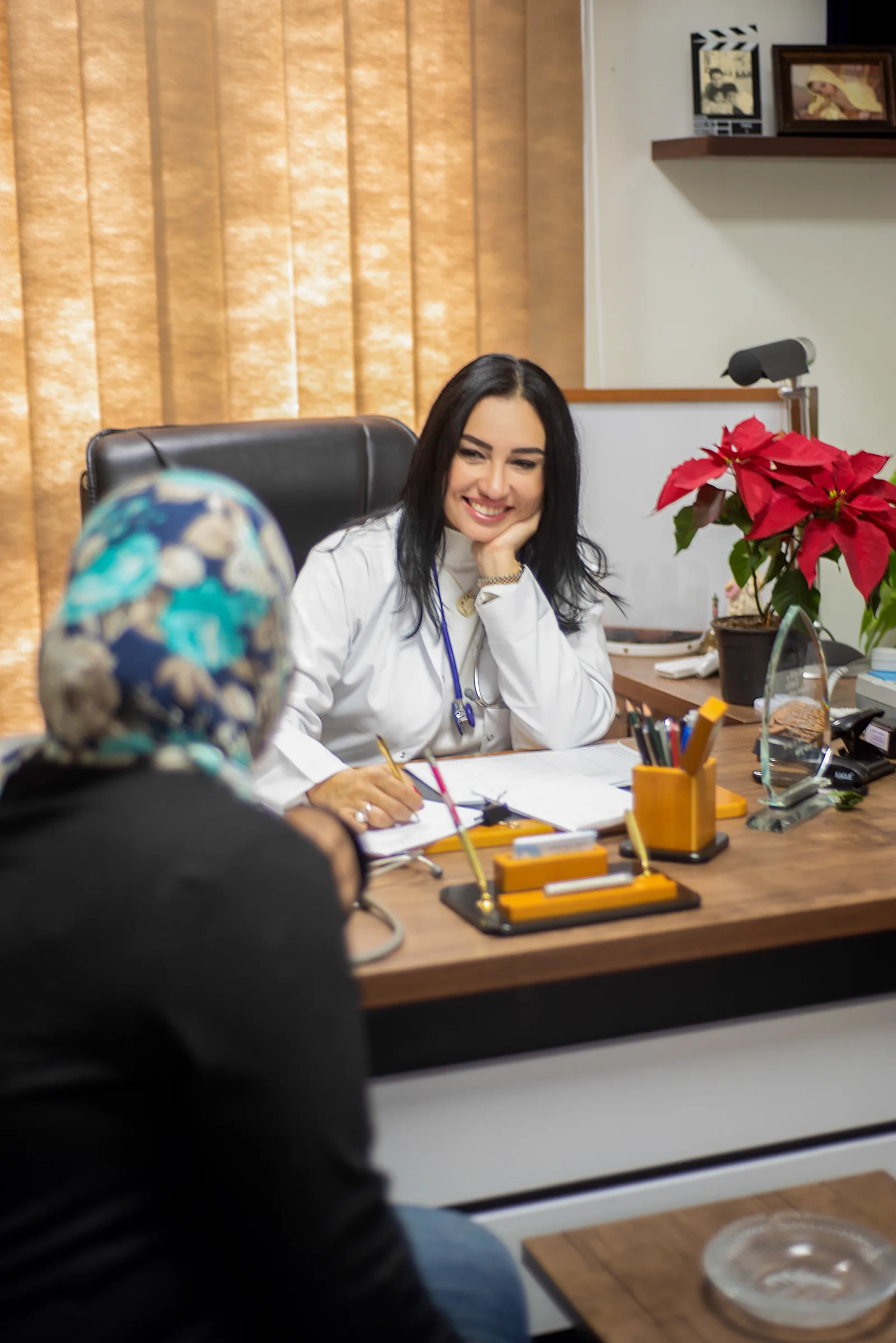
Pink October: kostenlose Untersuchung – warum Früherkennung das Schicksal ägyptischer Frauen verändert
„Mir tut nichts weh“ ist kein Grund zum Aufschieben. Seit Juli 2019 stehen Ägyptens Gesundheitsstationen jeder Frau ab 18 Jahren kostenlos offen, und bis Juni 2026 sank der Anteil der erst im Spätstadium entdeckten Fälle von 60 auf 19,5 Prozent. Wir erklären, was in der Station geschieht, welche Anzeichen einen Besuch erfordern und warum Angst diese wichtige Untersuchung verzögert.
2. Oktober 2026 · 7 Min. Lesezeit
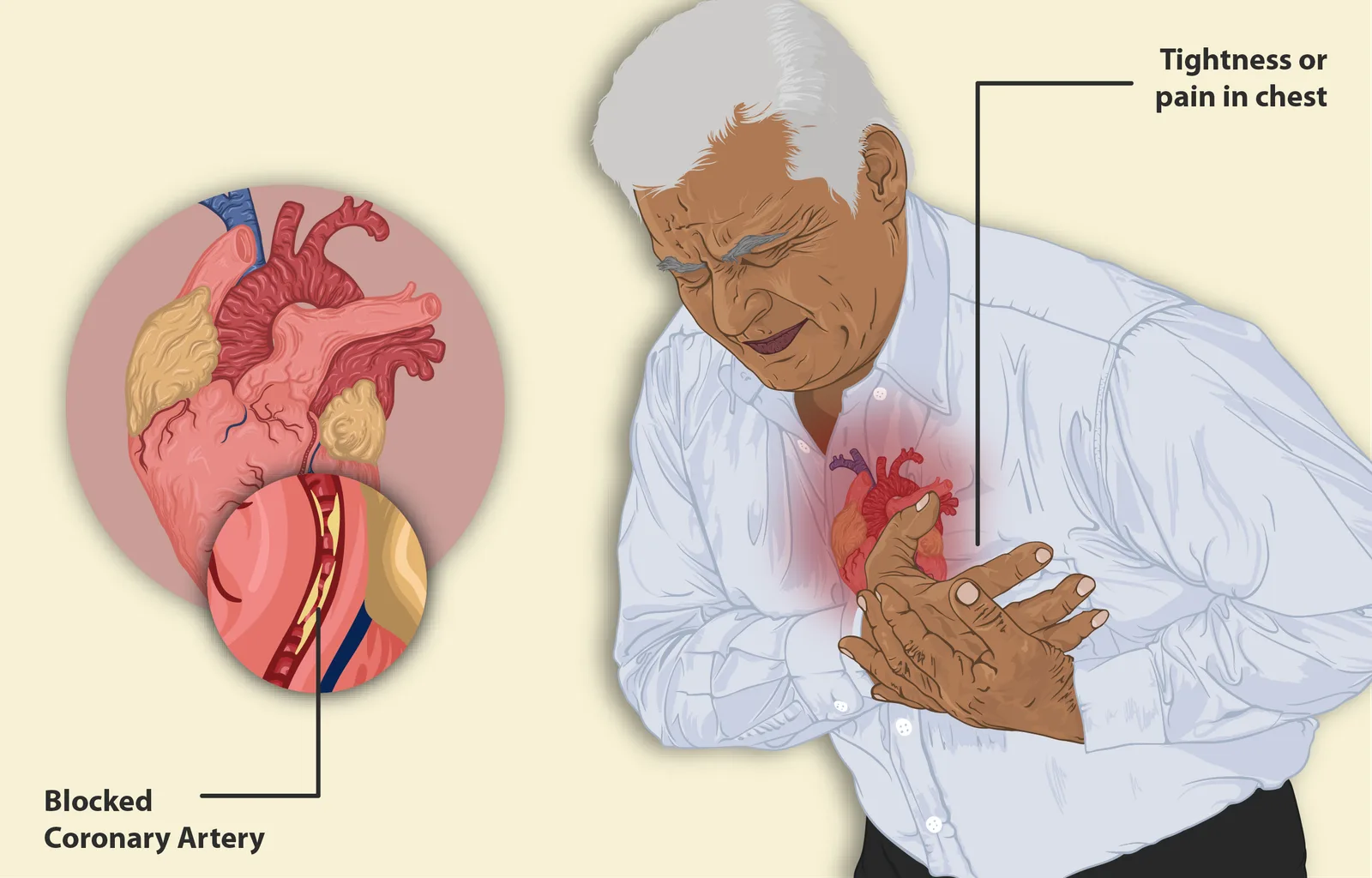
Zum Weltherztag: Angina pectoris und Herzinfarkt rechtzeitig erkennen und richtig reagieren
Ein Mann um die fünfzig hält den Druck in seiner Brust für „Sodbrennen“ nach einem üppigen Abendessen und verschiebt das Krankenhaus auf den Morgen. Zum Weltherztag erklären wir den Unterschied zwischen Angina pectoris, Herzinfarkt, Herzstillstand und Schlaganfall, die Warnzeichen der WHO, auch bei Frauen, und was in den ersten Minuten zu tun ist: die kostenlose 123 anrufen, sich hinsetzen und nicht selbst fahren.
29. September 2026 · 7 Min. Lesezeit

Psychische Gesundheit ist kein Luxus: Wann Traurigkeit zur Krankheit wird – und wo es Hilfe ohne Stigma gibt
Zwischen „Reiß dich zusammen“ und „Dir fehlt der Glaube“ verkümmern Menschen mit Depression und Angststörung im Stillen. Ein praktischer Leitfaden unterscheidet vorübergehende Traurigkeit von der behandlungsbedürftigen Krankheit, erklärt den Unterschied zwischen Psychiater und Psychologe und zeigt den Weg zur Hilfe in Ägypten – in Worten, die Türen öffnen, statt sie zuzuschlagen.
31. August 2026 · 7 Min. Lesezeit