Wie Ägypten eine Squash-Dynastie aufbaute, die die Welt beherrscht
Seit vielen Jahren besetzen Ägypterinnen und Ägypter die Spitze der Squash-Weltrangliste so lückenlos, dass große Finals oft rein ägyptische Angelegenheiten sind. Dies ist die Geschichte eines kompletten Systems – Klubs, Trainer, Familien und ein gläserner Court vor den Pyramiden –, das eine der seltensten Dominanzen des modernen Sports hervorgebracht hat.

In den meisten Sportarten kämpfen die Nationen um Titel. Im Squash lautet die Frage seit vielen Jahren anders: Welcher Ägypter, welche Ägypterin wird diesmal den Pokal heben? Seit rund anderthalb Jahrzehnten belegen ägyptische Spielerinnen und Spieler die meisten Plätze in den Top Ten der Weltrangliste – bei den Männern wie bei den Frauen –, und rein ägyptische Endspiele sind bei den größten Turnieren zur Regel geworden, sodass das Schauspiel in der internationalen Sportpresse für dauerndes Staunen sorgt.
Diese Vormachtstellung ist nicht aus dem Nichts entstanden. Die Wurzeln des Spiels in Ägypten reichen bis in die erste Hälfte des 20. Jahrhunderts zurück, als sich Squashcourts in den großen Sportclubs von Kairo und Alexandria verbreiteten. Ägyptische Champions setzten schon in der Zeit vor der modernen Profitour internationale Zeichen, ehe das Rampenlicht für Jahrzehnte erlosch – um dann stärker zurückzukehren als je zuvor.
Den modernen Funken datieren viele auf die Mitte der neunziger Jahre, als das internationale Al-Ahram-Turnier auf einem beleuchteten Glascourt am Fuß der Pyramiden von Gizeh ausgetragen wurde und der junge Ahmed Barada bis ins Finale der Weltmeisterschaft vorstieß und auf Platz zwei der Welt kletterte. Jene Fernsehbilder – ein kleiner Ball, der vor dem ältesten Weltwunder durch die Luft fliegt – entzündeten die Fantasie einer ganzen Generation ägyptischer Clubkinder und überzeugten deren Eltern davon, dass dieser Sport ein Weg zum Ruhm sein konnte.
Dann kam die große Explosion im neuen Jahrtausend. Amr Shabana holte im ersten Jahrzehnt vier Weltmeistertitel, ihm folgte Ramy Ashour, ein Talent, das viele Kritiker als „das kreativste in der Geschichte des Spiels“ bezeichnet haben, mit drei Weltmeistertiteln trotz wiederkehrender Verletzungen. Die Champions rissen nicht ab: Mohamed ElShorbagy, Karim Abdel Gawad, Ali Farag und Tarek Momen standen allesamt auf dem WM-Podest oder an der Spitze der Weltrangliste.
Die Frauen waren dabei nie ein Schatten der Männer, sondern gleichberechtigte Partnerinnen in diesem Imperium. Raneem El Welily wurde als erste Ägypterin und erste Araberin Nummer eins der Weltrangliste der Frauen; Nour El Sherbini gewann den Weltmeistertitel viele Male, nachdem sie ihn in rekordverdächtig jungem Alter zum ersten Mal errungen hatte; danach führten Nouran Gohar, Hania El Hammamy und ihre Generation die Vorherrschaft fort, bis auch die großen Spitzenspiele der Frauen meist zu innerägyptischen Duellen wurden.
Hinter den glänzenden Namen steht ein ganzes System. Die großen Clubs in Kairo und Gizeh – von Heliopolis über Gezira bis Wadi Degla und andere – betreiben Nachwuchsprogramme, die Kinder schon mit sechs oder sieben Jahren aufnehmen, mit reichlich Courts und hauptamtlichen Trainern, von denen viele frühere Champions sind. Ägyptische Familien aus der Mittelschicht investieren ernsthaft in den Sport: tägliches Training nach der Schule, frühe Turnierreisen und Geschwister, die den Schläger von Generation zu Generation weiterreichen.
Die Früchte dieses Systems zeigen sich sehr früh: Ägyptische Junioren fegen seit Langem durch die internationalen Nachwuchsturniere, allen voran die British Junior Open, den historischen Maßstab der Altersklassen. Wer als ägyptischer Spieler ins Profilager wechselt, ist es daher von Kindesbeinen an gewohnt, seine Altersgenossen aus aller Welt zu schlagen.
Die technische Handschrift der ägyptischen Schule ist für jeden Beobachter unverkennbar: ein kühner Angriffsstil, der auf einem beweglichen Handgelenk, überraschenden Stoppbällen und dem schnellen Abschluss der Ballwechsel beruht – im Gegensatz zu den europäischen und asiatischen Schulen, die eher auf Geduld und körperliche Zermürbung setzen. Diese Mischung aus Können und Wagemut hat die Partien der Ägypter zu einem attraktiven Publikumsspektakel gemacht, das seinerseits zur weltweiten Vermarktung des Sports beigetragen hat.
Zugleich nutzt Ägypten weiter seine einzigartige Bildwirkung: In den vergangenen Jahren kehrten die Glascourts an den Fuß der Pyramiden zurück, um große Turniere auszurichten, die das Fernsehen in alle Welt überträgt; hinzu kamen Courts mit Blick auf das Rote Meer in El Gouna. So verankert sich in den Köpfen die Verbindung dieses Sports mit den schönsten Bildern Ägyptens.
Bleibt eine historische Herausforderung, deren Lösung lange auf sich warten ließ: Weil Squash im olympischen Programm fehlte, blieb den ägyptischen Champions jahrzehntelang das berühmteste Podium des Sports verwehrt – bis die Sportart endlich in das Programm der Spiele von Los Angeles 2028 aufgenommen wurde. Wenn sich der olympische Vorhang zum ersten Mal über dem Squash hebt, werden die Ägypterinnen und Ägypter als die größte Macht seiner modernen Geschichte antreten – und ihre nächste Generation trainiert schon jetzt auf den Courts derselben Clubs, in denen die Geschichte begann.
Verwandte Artikel
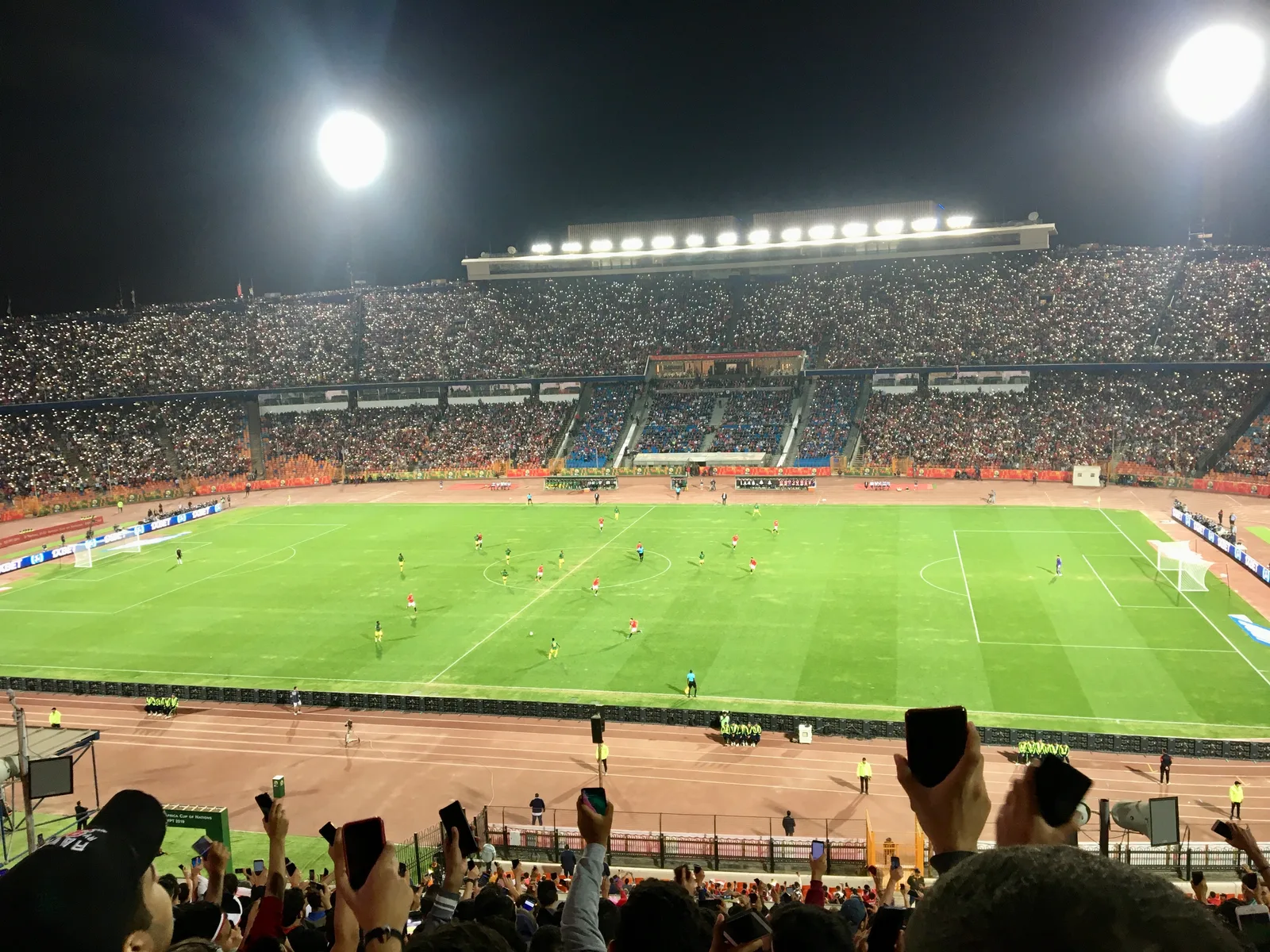
Mehr als ein Spiel: Ein Jahrhundert des „Gipfels“ zwischen Al Ahly und Zamalek, wie ihn Ägyptens Familien erleben
Von der ersten Begegnung 1917 bis zum afrikanischen Finale 2020 war Al Ahly gegen Zamalek nie nur neunzig Minuten. Es ist ein Termin, der ein und dasselbe Wohnzimmer in Rot und Weiß teilt – und es danach wieder zusammenführt. Ein ruhiger Blick auf die Gründung beider Vereine, ihre Rekorde und die Rituale des Derbytags in ägyptischen Häusern.
25. September 2026 · 6 Min. Lesezeit

„Krokodil des Nils“: Abdel Latif Abou Heif, der Alexandriner und Schwimmer des Jahrhunderts
Im Sommer 1963 schwamm ein schwergewichtiger Mann aus Alexandria sechzig Meilen durch das kalte Wasser des Michigansees, fast fünfunddreißig Stunden lang, während die Amerikaner ihn von Booten aus verfolgten. Dies ist die Geschichte von Abdel Latif Abou Heif, dreimaliger Weltmeister und „Marathonschwimmer des Jahrhunderts“ nach dem Urteil der Swimming Hall of Fame – ein Mann, dessen Straßennamen viele kennen, ohne seine Geschichte zu kennen.
18. September 2026 · 8 Min. Lesezeit
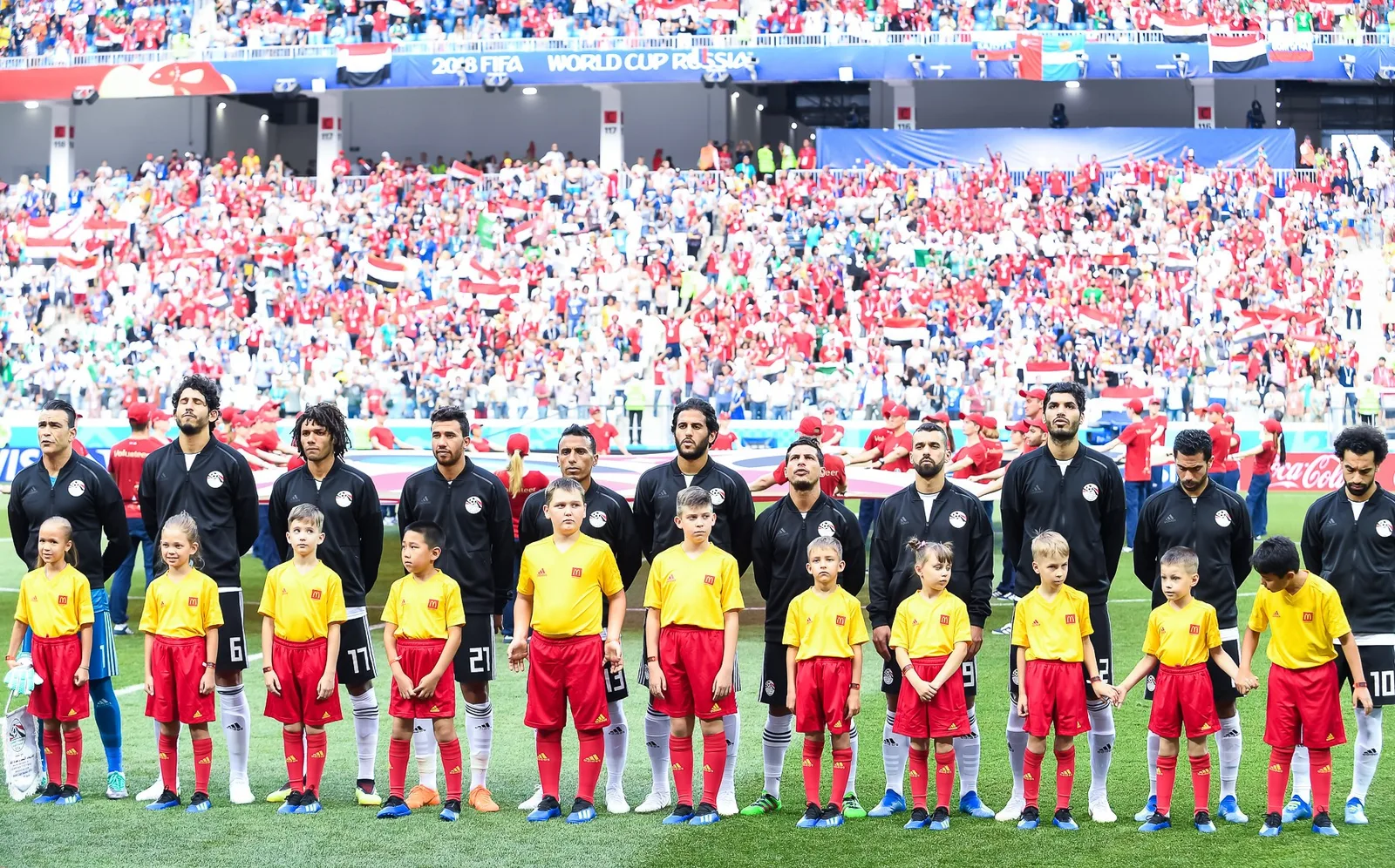
Vom Dampfer Helwan bis ins Achtelfinale: neunzig Jahre Ägypten bei der Weltmeisterschaft
Nur vier Teilnahmen in neun Jahrzehnten: eine Schiffsreise nach Neapel 1934, der italienische Sommer 1990, die Enttäuschung von Russland 2018 und der Sommer 2026, in dem Ägypten zum ersten Mal in seiner Geschichte die Gruppenphase überstand. Eine nüchterne Bilanz dessen, was sich jedes Mal verändert hat, fern der Aufregung des Augenblicks – samt einer Korrektur des Ergebnisses von 1934, das ausländische Quellen bis heute falsch wiedergeben.
9. September 2026 · 7 Min. Lesezeit