Das Pfund und der Einkaufskorb: Wie Inflation auf dem Markt wirkt und wie sich ägyptische Familien anpassen
Warum wird derselbe Korb aus Reis, Öl und Gemüse jede Saison teurer – selbst bei Waren, die in Ägypten angebaut werden? Eine verständliche Erklärung, wie Inflation und der Wert des Pfunds von den Häfen bis zu den Marktständen durchschlagen, wie Subventionen den Schock abfedern – und mit welchen bewährten Strategien Familien sich behelfen.
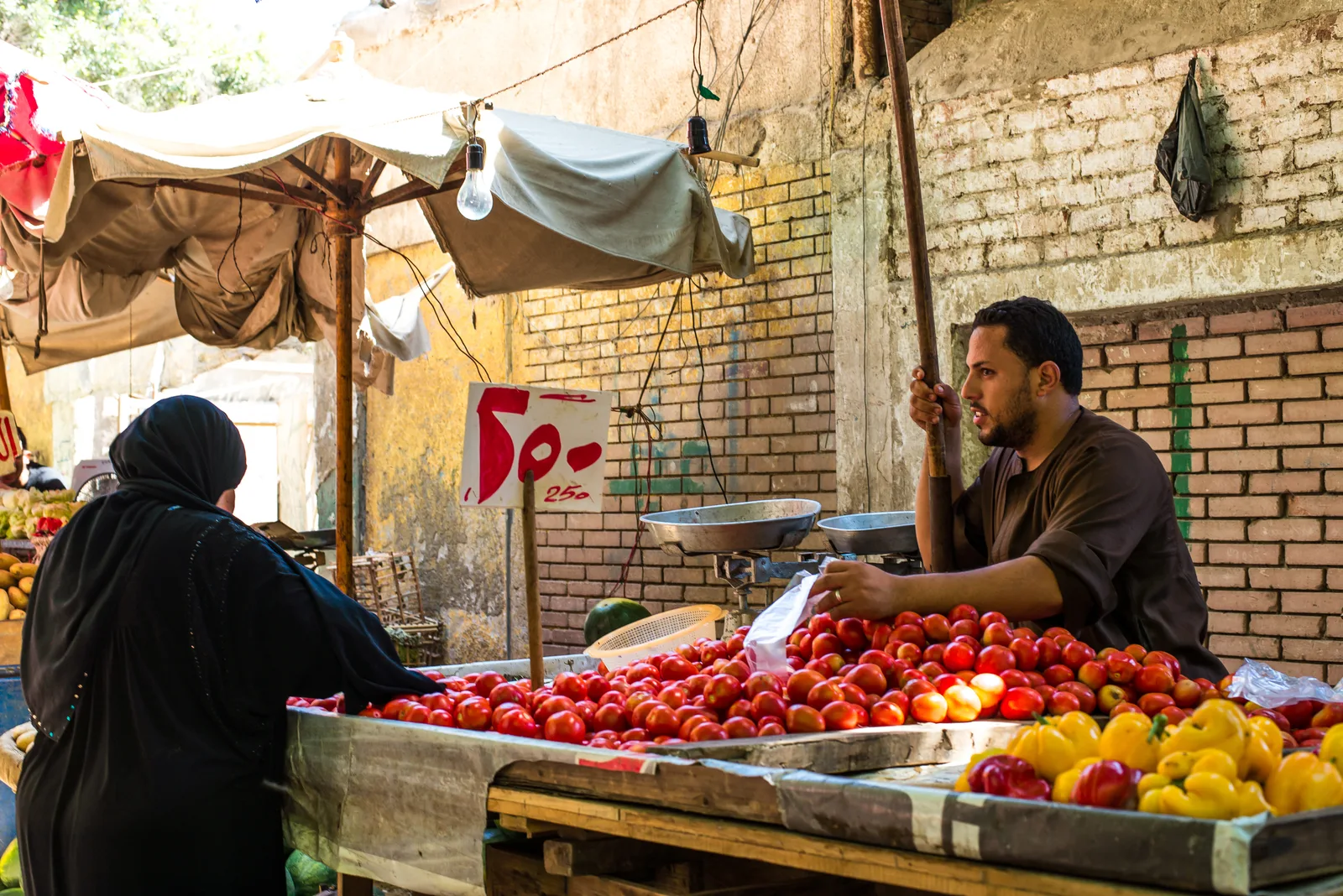
Wer in Ägypten für einen Haushalt einkauft, kennt dieses Gefühl: Derselbe Korb mit Reis, Öl, Gemüse und Brot scheint mit jeder Saison teurer zu werden. Dieser Bericht nennt weder die Preise von heute noch die Wechselkurse, denn beide ändern sich fortwährend; er erklärt vielmehr die Mechanik hinter den Zahlen: Was ist Inflation eigentlich? Warum reicht der Wert des ägyptischen Pfunds bis zum Gemüsestand? Wie federn Subventionen den Schlag ab? Und mit welchen Strategien strecken ägyptische Familien seit Langem ein festes Einkommen über eine steigende Rechnung?
Inflation ist schlicht ein anhaltender Anstieg des allgemeinen Preisniveaus und damit eine andere Art zu sagen, dass die Kaufkraft des Geldes sinkt: Derselbe Geldschein kauft weniger als zuvor. Die ägyptische Statistikbehörde CAPMAS misst sie, indem sie die Kosten eines festen Korbs aus Waren und Dienstleistungen verfolgt. Weil Essen und Trinken einen großen Teil dessen ausmachen, was ein durchschnittlicher ägyptischer Haushalt ausgibt, wird die Nahrungsmittelinflation hier weit schärfer empfunden als in Ländern, in denen Lebensmittel nur einen kleinen Ausschnitt des Budgets beanspruchen.
Der Wechselkurs ist deshalb wichtig, weil Ägypten einen großen Teil dessen einführt, was es isst und verbraucht: Das Land gehört zu den größten Weizenimporteuren der Welt und kauft Speiseöle, Mais und Soja für Futtermittel, pharmazeutische Vorprodukte und Kraftstoff im Ausland. Importe werden in Dollar fakturiert. Schwächt sich das Pfund gegenüber dem Dollar ab, kostet dieselbe Ladung Weizen oder Öl am Hafen mehr Pfund, und dieser Aufschlag wandert über Mühlen, Bäckereien und Großhändler bis ins Ladenregal.
Auch im Inland hergestellte Waren bleiben nicht verschont, und genau das verwirrt viele Käufer: Warum sollten ägyptischer Käse oder ägyptisches Hühnerfleisch wegen des Dollars teurer werden? Weil die heimische Produktion auf importierten Vorleistungen ruht. Geflügelfarmen kaufen eingeführtes Futter, Bauern kaufen Dünger und Saatgut, deren Preise am Weltmarkt hängen, Fabriken kaufen Verpackungen und Ersatzteile, und alles rollt auf Lastwagen, die Kraftstoff verbrennen. Jedes Glied gibt einen Teil seiner höheren Kosten an das nächste weiter, sodass eine schwächere Währung selbst in Produkte sickert, die nie eine Grenze überquert haben.
Hinzu kommt die Eigendynamik der Erwartungen. Ein Händler, der fürchtet, dass ihn das Auffüllen seines Lagers morgen mehr kostet, erhöht die Preise schon heute, um die Wiederbeschaffungskosten zu decken; Haushalte, die Engpässe befürchten, kaufen auf Vorrat, leeren die Regale für kurze Zeit und treiben die Preise weiter nach oben. Deshalb gehen Regierungen in unruhigen Phasen mit Kampagnen gegen Hortung und Zurückhaltung von Ware vor und veröffentlichen Angebotszahlen. Nichts davon ist eine ägyptische Besonderheit, es steht so in jedem Lehrbuch, doch es erklärt, warum Preise mitunter schneller springen, als es ein einzelner Kostenfaktor für sich rechtfertigen könnte.
Gegen diesen Druck steht das Subventionssystem. Die Lebensmittelkarten des sogenannten Tamwin-Programms sichern registrierten Haushaltsmitgliedern monatliche Kontingente subventionierter Grundnahrungsmittel, und ein eigenes Programm hält den Preis des Baladi-Brots für Dutzende Millionen Berechtigte weit unter seinen Kosten. Staatliche Verbrauchermärkte und saisonale Verkaufsstellen geben Waren mit verringerten Spannen ab. Subventionen stoppen die Inflation nicht, aber sie verankern den Preis des Lebensnotwendigen, weshalb über jede Reform des Systems so erbittert gestritten wird.
Die Haushalte antworten mit Substitution, der stillen Kunst der ägyptischen Küche. Wenn rotes Fleisch außer Reichweite gerät, wenden sich die Tische Geflügel, Eiern und der großen Hülsenfruchttradition zu, also Ful, Linsen und Koschari, die Eiweiß zu einem Bruchteil der Kosten liefern. Käufer wechseln von Markenware zu loser Ware, von Importiertem zu Heimischem und von großen zu kleineren Stücken. Und Gemüse in der Saison zu kaufen, wenn das Angebot seinen Höhepunkt erreicht und die Preise nachgeben, bleibt eine der ältesten und wirksamsten Verteidigungen überhaupt.
Achten Sie auf die Packung, nicht nur auf das Preisschild. Eine verbreitete Reaktion der Hersteller auf steigende Kosten ist die „Schrumpfinflation“: Der Preis bleibt vertraut, während die Packung still und leise Gramm verliert. Ein Vergleich des Grundpreises, also der Kosten je Kilo oder je Liter, legt offen, was das Regaletikett verbirgt. Große Ausgaben federn Familien zudem gemeinsam ab: Die „Gamiyya“, ein rotierender Sparkreis unter Verwandten, Nachbarn oder Kollegen, ist nach wie vor ein weitverbreiteter Weg, Schulgebühren, Haushaltsgeräte oder Schuldentilgung ohne formellen Kredit zu finanzieren.
Die Inflation bestraft auch ruhendes Geld, und deshalb ändert sich das Sparverhalten mit den Preisen. Ägypter sehen im Gold seit Langem einen Wertspeicher für Hochzeiten und Notfälle, und Banken legen in regelmäßigen Abständen hoch verzinste Sparzertifikate auf, die das Halten von Pfund attraktiv halten sollen. Jede Option trägt eigene Risiken und Abwägungen, und dieser Artikel beschreibt Verhalten, ohne es zu empfehlen; doch die zugrunde liegende Logik ist stets dieselbe: Geld, das still in einer Schublade liegt, verliert in jedem Monat steigender Preise an Kaufkraft.
Keiner dieser Mechanismen macht einen knappen Monat leicht. Doch wer sie versteht, liest den Markt anders: Eine Preiserhöhung ist dann nicht mehr die Laune eines Händlers, sondern eine Kette, die an den Häfen und Wechselkursen beginnt und an der Kasse endet. Ihre Ansprüche aus der Lebensmittelkarte zu kennen, Grundpreise zu vergleichen, saisonal zu kochen und Einkäufe gemeinsam zu planen sind keine Tricks, sondern die angesammelte Erfahrung von Haushalten, die schon viele Wirtschaftszyklen vor diesem durchlaufen haben.
Verwandte Artikel

August-Spitze: Ägyptens Stromnetz überschreitet erstmals 40.000 Megawatt – ohne Lastabwürfe
Während der Hitzewelle der vergangenen Woche hat Ägyptens nationales Stromnetz erstmals in seiner Geschichte die Marke von 40.000 Megawatt überschritten – ohne Rückkehr zu geplanten Stromabschaltungen. Wie die Brennstoffversorgung nach dem Drohnenangriff auf Damietta standhielt und was die neuen Tarifstufen für Ihre Stromrechnung bedeuten.
19. August 2026 · 7 Min. Lesezeit
Ägyptens Wirtschaft in zwei Zahlen: 5,2 Prozent Wachstum – und eine Region am Rande der Eskalation
Die Regierung meldet 5,2 Prozent Wachstum in neun Monaten und prüft zugleich aktualisierte Notfallszenarien für eine regionale Eskalation. Bei einer Inflation von 14,9 Prozent und einem Dollarkurs von rund 50 Pfund stellt sich die Frage: Was bedeuten die beiden Zahlen für den Geldbeutel der Bürger?
18. August 2026 · 7 Min. Lesezeit
„Keda ghalat“ („Das ist falsch“): Tierquälerei ist seit 1937 eine Straftat nach dem ägyptischen Strafgesetzbuch
Ein Nachbar stellt vergiftete Näpfe neben die Schulmauer; ein Karrenbesitzer schlägt seinem Esel ins Gesicht, weil dieser eine zu schwere Last trägt. Viele glauben, „nur ein Tier“ bedeute, dass kein Gesetz es schützt. Tatsächlich stellen die Artikel 355, 356 und 357 des Strafgesetzbuchs Töten, Vergiften und Misshandeln von Tieren unter Strafe, bis hin zu Gefängnis. Am Vorabend des Welttierschutztages erklären wir, was das Gesetz sagt.
3. Oktober 2026 · 6 Min. Lesezeit