Die Neue Verwaltungshauptstadt Ägyptens: Was sie ist, wie die Regierung umzieht und warum der Streit um die Kosten anhält
Rund 45 Kilometer östlich von Kairo baut Ägypten einen neuen Regierungssitz auf der grünen Wiese. Was ist die Neue Verwaltungshauptstadt, wie verläuft der schrittweise Umzug der Ministerien, wie ist sie mit Kairo verbunden – und warum bleiben ihre Kosten Gegenstand einer echten, dokumentierten Debatte?
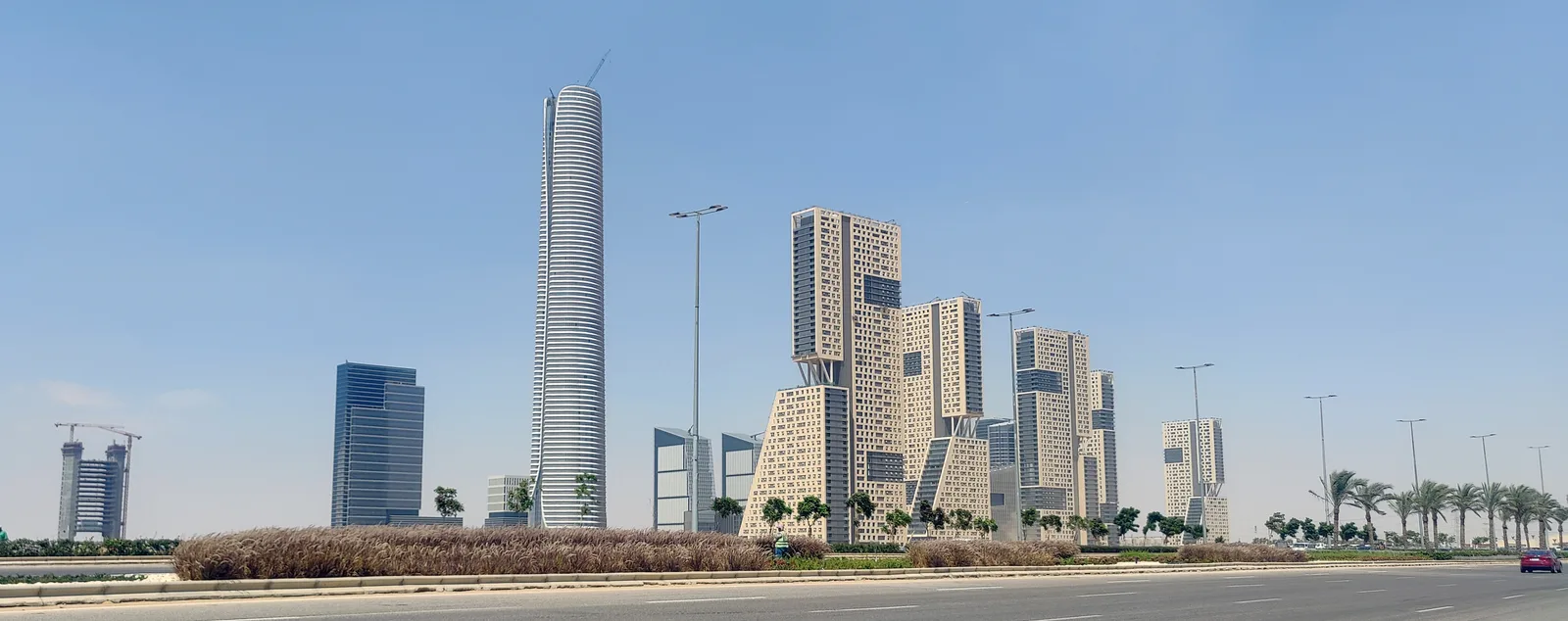
Rund fünfundvierzig Kilometer östlich von Kairo, auf Wüstenboden entlang der Straße nach Suez, errichtet Ägypten eine vollständig neue Stadt, die zum Sitz der Regierung werden soll. Im März 2015 auf einer Wirtschaftskonferenz in Scharm el-Scheich angekündigt, ist die Neue Verwaltungshauptstadt das mit Abstand größte Neustadtprojekt des Landes. Dieser Bericht erklärt, was die Stadt ist, wie der schrittweise Umzug des Regierungsapparats verläuft, wie sie mit Kairo verbunden ist und warum ihre Kosten Gegenstand einer belegten öffentlichen Debatte geblieben sind.
Auf dem Papier erstreckt sich das Projekt über etwa siebenhundert Quadratkilometer – eine Fläche, die häufig mit Singapur verglichen wird. Der Masterplan sieht ein Regierungsviertel mit den Ministerien und dem Kabinett vor, einen neuen Parlamentssitz, ein Präsidentenviertel, ein Finanz- und Geschäftsviertel mit dem Iconic Tower in seiner Mitte, ein Diplomatenviertel für die Botschaften, Wohnquartiere und Universitäten, einen riesigen Zentralpark, der als „Grüner Fluss“ bekannt ist, sowie Sportanlagen. Die Planer sprechen von einer Stadt, die am Ende Millionen Menschen aufnehmen könnte – auch wenn das Heranwachsen einer Bevölkerung weit langsamer verläuft als der Bau von Türmen.
Die offizielle Begründung setzt bei Groß-Kairo selbst an: einer Metropole mit weit über zwanzig Millionen Einwohnern, deren Straßen, Versorgungsnetze und Wohnungsbestand unter dem Druck ununterbrochenen Wachstums ächzen. Jahrzehntelang arbeiteten die Ministerien in alten, überfüllten Gebäuden, verstreut über die Innenstadt von Kairo, was sowohl die tägliche Verwaltung als auch den Verkehr erschwerte. Seit den 1970er-Jahren baut Ägypten Trabantenstädte – darunter Sechster Oktober, Neu-Kairo und Zehnter Ramadan –, um das Wachstum aus dem schmalen Band des Niltals herauszuziehen. Die Verwaltungshauptstadt ist das ehrgeizigste Kapitel dieser langjährigen Politik.
Entwickelt wird die Stadt von der Administrative Capital for Urban Development, kurz ACUD, deren Eigentum sich auf Bodenverwaltungen der Streitkräfte und das Wohnungsbauministerium verteilt. Verantwortliche haben das Projekt wiederholt als selbsttragend beschrieben: Das Unternehmen verkauft erschlossenes Bauland und Immobilien an Entwickler und finanziert daraus die Infrastruktur, statt unmittelbar den Staatshaushalt in Anspruch zu nehmen. Ökonomen und Kritiker haben allerdings bezweifelt, wie vollständig diese Trennung in der Praxis ist, und verweisen auf Bürgschaften, öffentliche Aufträge und Kredite, die am Ende doch mit den Staatsfinanzen verbunden sind.
Mehrere Wahrzeichen prägen inzwischen die Silhouette der Stadt. Der Iconic Tower im Geschäftsviertel gilt weithin als höchstes Gebäude Afrikas, während die Al-Fattah-al-Alim-Moschee und die Kathedrale der Geburt Christi – im Januar 2019 eingeweiht und eine der größten Kirchen des Nahen Ostens – die religiöse Architektur der Stadt bestimmen. Eine breite Regierungspromenade, der achteckige Komplex des Verteidigungsministeriums, neue Universitäten, eine Kunst- und Kulturstadt und ein hoch aufragender Fahnenmast vollenden einen bewusst monumentalen ersten Eindruck.
Der Umzug der Regierung erfolgte in bewusst gesetzten Etappen. Nach Jahren des Bauens und des Probebetriebs begannen die Ministerien, ihre Beschäftigten schrittweise in das Regierungsviertel zu verlegen – zunächst mit Pilotgruppen von Bediensteten, ehe die Versetzungen ausgeweitet wurden. Kabinettssitzungen, Parlamentssitzungen und präsidiale Aufgaben verlagerten sich nach und nach ostwärts. Betroffen sind Zehntausende Beschäftigte, dazu neue Regelungen für Gehälter und Fahrten sowie eine Digitalisierung der Arbeitsabläufe, die Verantwortliche als Gelegenheit darstellen, die Verwaltung selbst zu modernisieren und nicht bloß ihre Adresse zu ändern.
Da die meisten Beschäftigten weiterhin in Groß-Kairo wohnen, sind die Verkehrsverbindungen die tägliche Bewährungsprobe des Projekts. Eine elektrische Stadtbahn verbindet die Stadt mit dem Umsteigeknoten Adly Mansour, wo sie auf die dritte Linie der Kairoer Metro trifft; eine Einschienenbahn, die den Osten Kairos mit den Vierteln der neuen Hauptstadt verbinden soll, befindet sich im Bau. Hinzu kommen Regionalbusse und ein wachsendes Straßennetz sowie Pläne für Hochgeschwindigkeitszüge. Für die täglichen Pendler bleiben Kosten und Dauer der Fahrt entscheidende Größen ihres Alltags.
An den Kosten entzündet sich die belegte Debatte am heftigsten. Die über die Jahre kursierenden Schätzungen für den vollständigen Ausbau reichen in die Zehnermilliarden von US-Dollar; endgültige, geprüfte Zahlen sind nicht veröffentlicht. Kritiker – darunter ägyptische Ökonomen und Stimmen der Opposition – fragen, ob ein Staat mit hoher Auslandsverschuldung einer neuen Hauptstadt Vorrang vor der Sanierung bestehender Städte, Schulen und Krankenhäuser einräumen sollte. Befürworter entgegnen, die Grundstücksverkäufe finanzierten die Arbeiten und das Projekt ziehe Investitionen an. Der Streit ist real, er dauert an, und er verdient es, so verstanden zu werden, wie er ist.
Stadtplaner stellen Fragen, die über das Geld hinausgehen: Wird der Sog von Regierung und Wirtschaft nach Osten das historische Kairo entleeren – oder es so weit entlasten, dass sein denkmalgeschützter Kern saniert werden kann? Kann eine Stadt, die um breite Straßen und abgeschlossene Wohnanlagen herum geplant wurde, jenes Straßenleben hervorbringen, das ägyptischen Städten ihre Lebendigkeit gibt? Und wie lassen sich Wasser, Versorgung und bezahlbarer Wohnraum in der Wüste in dieser Größenordnung sichern? An diesen Fragen wird sich das langfristige Urteil über das Projekt entscheiden.
Die Geschichte hält gemischte Vorbilder bereit. Am Reißbrett entworfene Hauptstädte wie Brasília, Islamabad, Abuja und Astana brauchten Jahrzehnte, um sich von Verwaltungsstandorten zu lebendigen Städten zu entwickeln, und manche schafften diesen Wandel nie ganz. Ägyptens neue Hauptstadt erfüllt bereits ihre Funktion als Regierungssitz; ob sie zu einem Ort wird, an dem Millionen Menschen wirklich leben, arbeiten und sich zugehörig fühlen, ist eine Geschichte, die sich über eine ganze Generation entfalten wird. Bis dahin lautet die fairste Bilanz: Die Stadt steht, der Umzug läuft, und die Debatte über ihren Preis und ihre Prioritäten geht weiter.
Verwandte Artikel

August-Spitze: Ägyptens Stromnetz überschreitet erstmals 40.000 Megawatt – ohne Lastabwürfe
Während der Hitzewelle der vergangenen Woche hat Ägyptens nationales Stromnetz erstmals in seiner Geschichte die Marke von 40.000 Megawatt überschritten – ohne Rückkehr zu geplanten Stromabschaltungen. Wie die Brennstoffversorgung nach dem Drohnenangriff auf Damietta standhielt und was die neuen Tarifstufen für Ihre Stromrechnung bedeuten.
19. August 2026 · 7 Min. Lesezeit
Ägyptens Wirtschaft in zwei Zahlen: 5,2 Prozent Wachstum – und eine Region am Rande der Eskalation
Die Regierung meldet 5,2 Prozent Wachstum in neun Monaten und prüft zugleich aktualisierte Notfallszenarien für eine regionale Eskalation. Bei einer Inflation von 14,9 Prozent und einem Dollarkurs von rund 50 Pfund stellt sich die Frage: Was bedeuten die beiden Zahlen für den Geldbeutel der Bürger?
18. August 2026 · 7 Min. Lesezeit
„Keda ghalat“ („Das ist falsch“): Tierquälerei ist seit 1937 eine Straftat nach dem ägyptischen Strafgesetzbuch
Ein Nachbar stellt vergiftete Näpfe neben die Schulmauer; ein Karrenbesitzer schlägt seinem Esel ins Gesicht, weil dieser eine zu schwere Last trägt. Viele glauben, „nur ein Tier“ bedeute, dass kein Gesetz es schützt. Tatsächlich stellen die Artikel 355, 356 und 357 des Strafgesetzbuchs Töten, Vergiften und Misshandeln von Tieren unter Strafe, bis hin zu Gefängnis. Am Vorabend des Welttierschutztages erklären wir, was das Gesetz sagt.
3. Oktober 2026 · 6 Min. Lesezeit